




Low Impact Dyes and Our Waterways
On this World Water Day it seems like a good moment to talk about just how toxic conventional textile dyes are, and how much they pollute the waterways in communities that dye our clothing.
And to highlight the importance of using low impact dyes instead 🌿

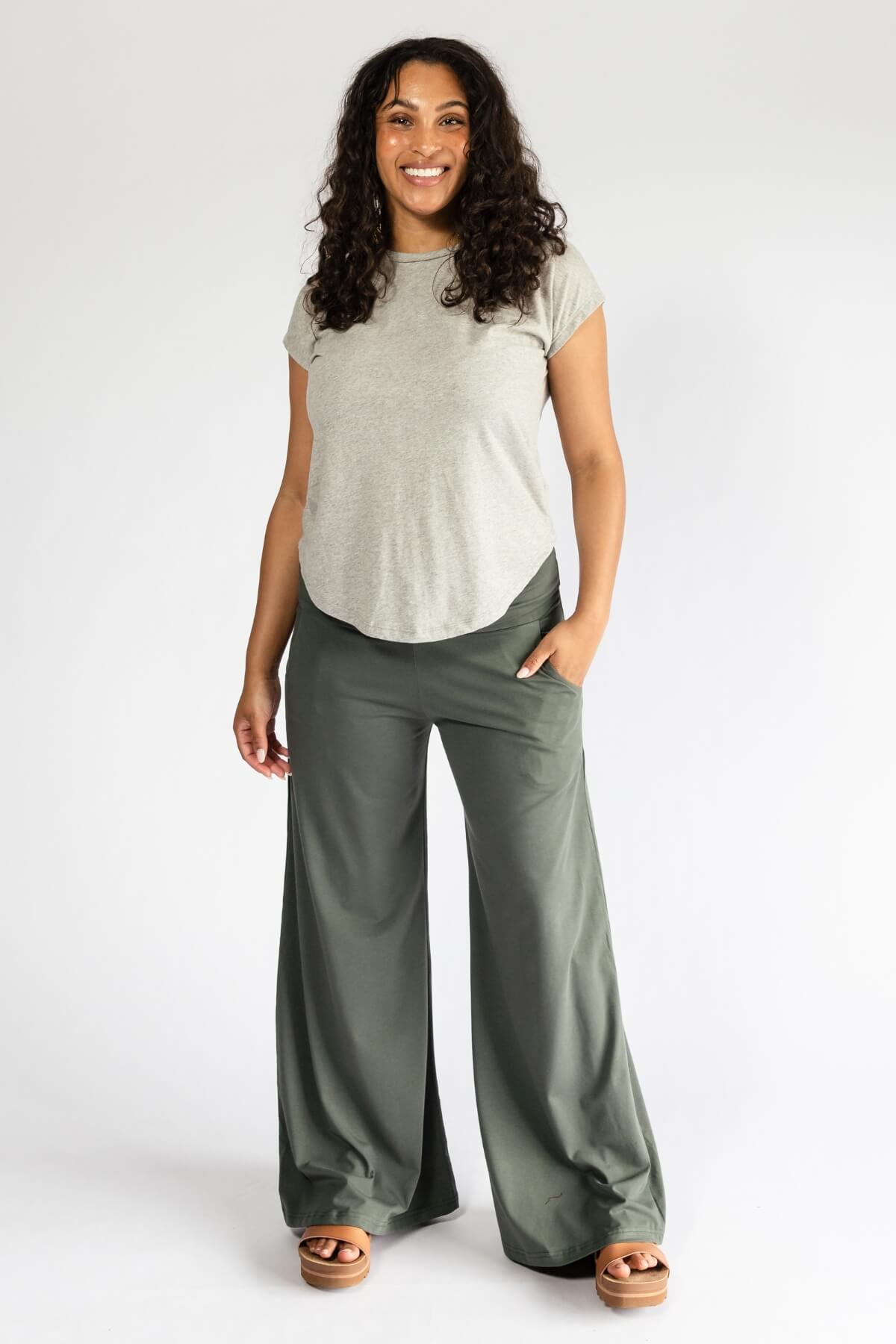
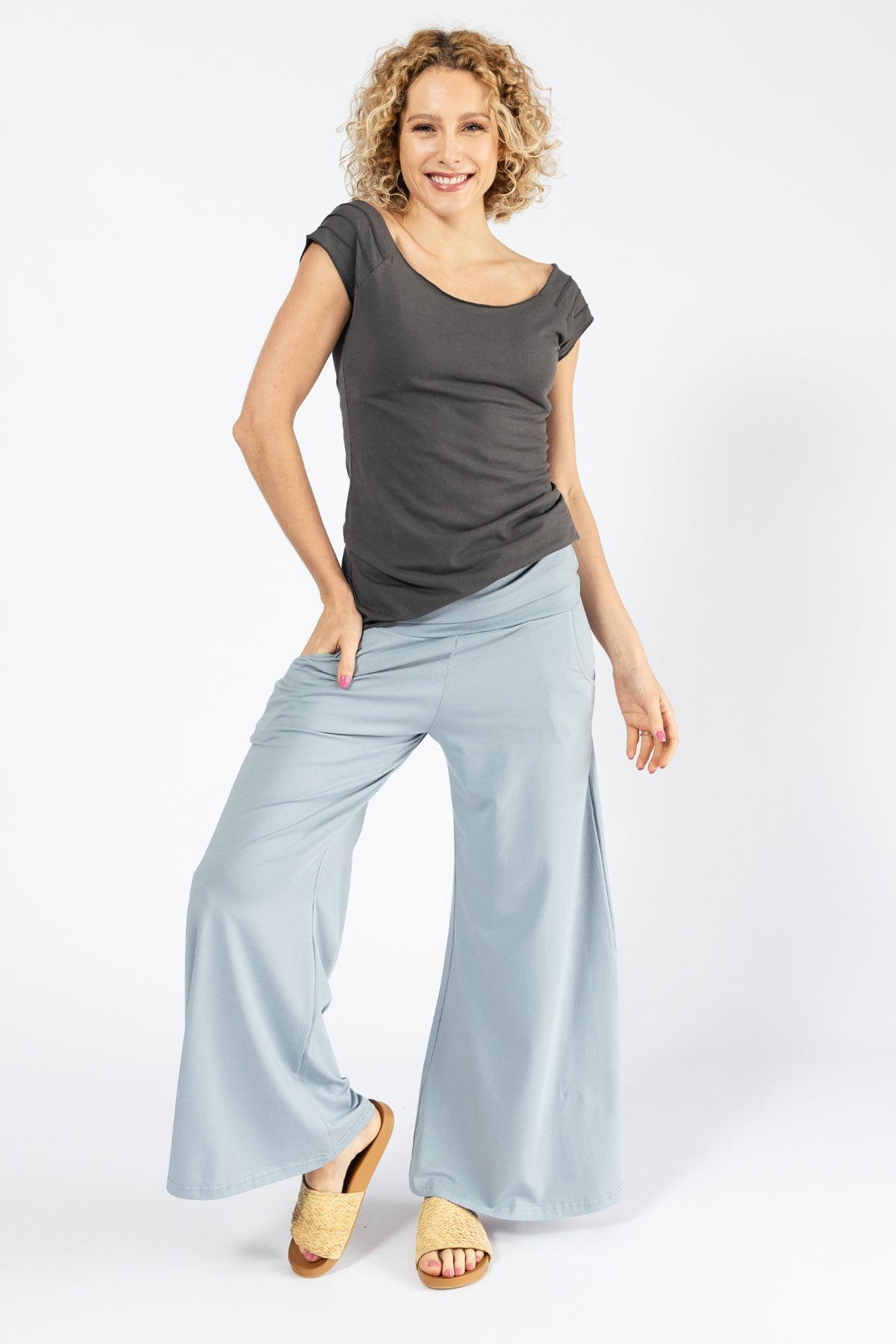
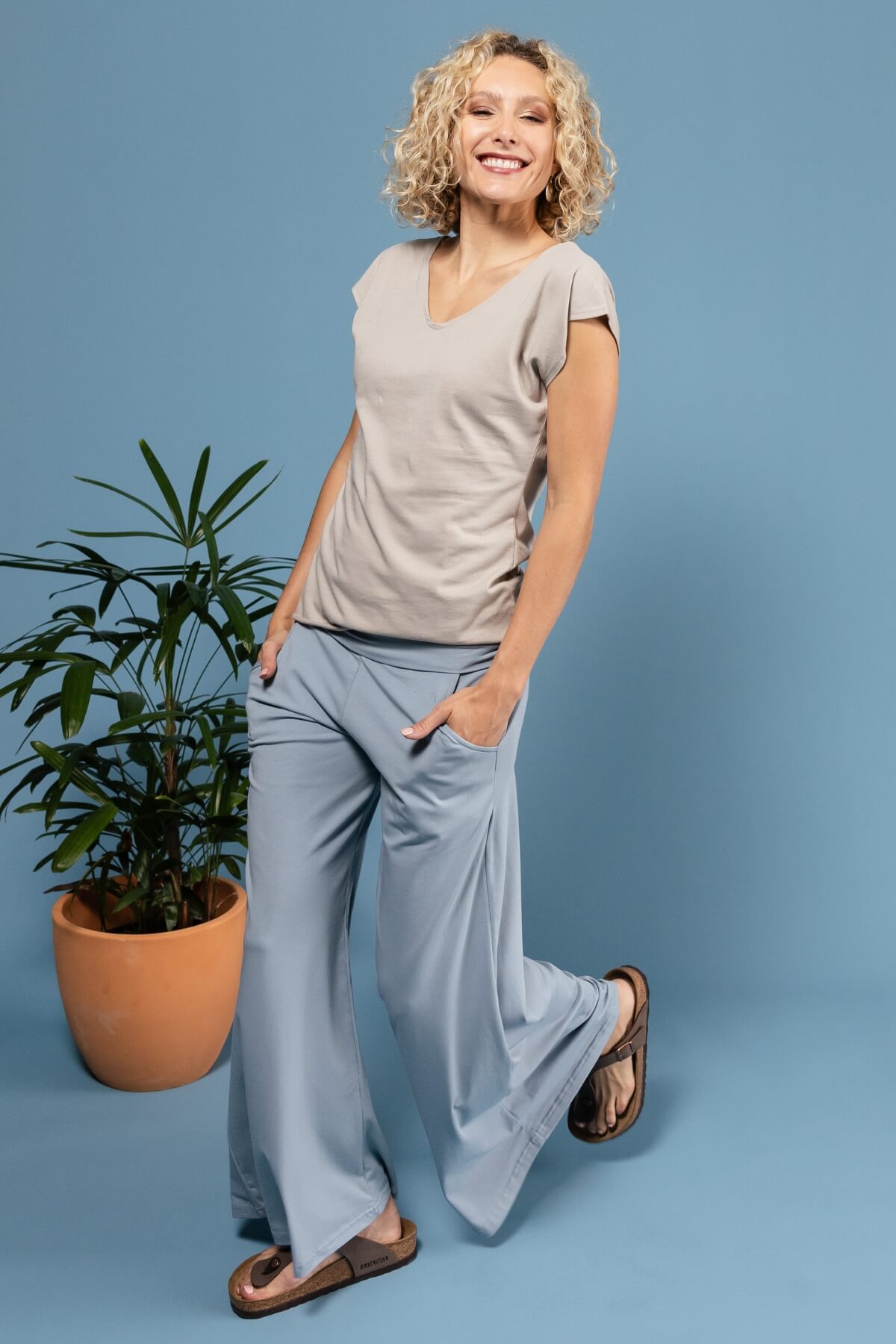
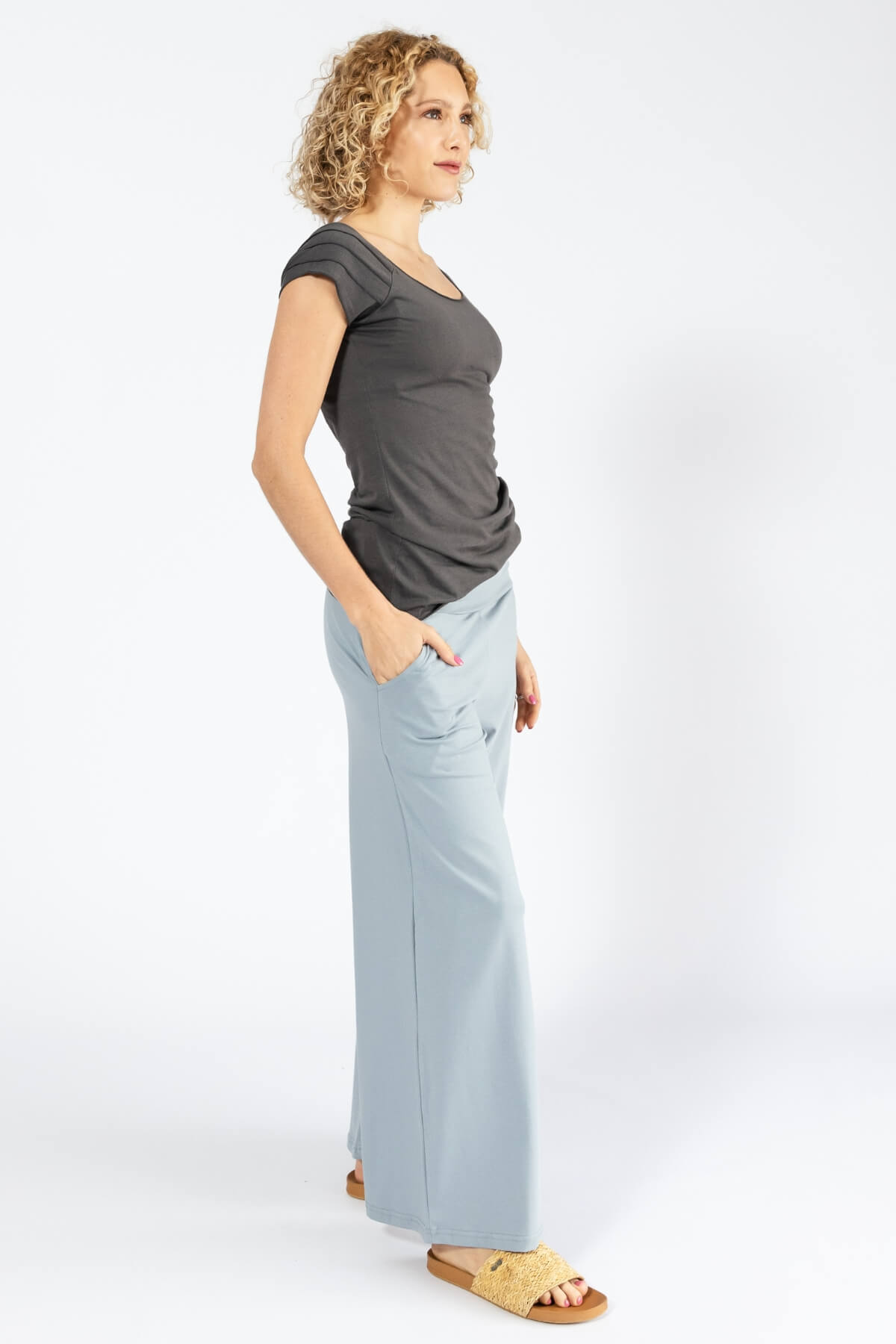
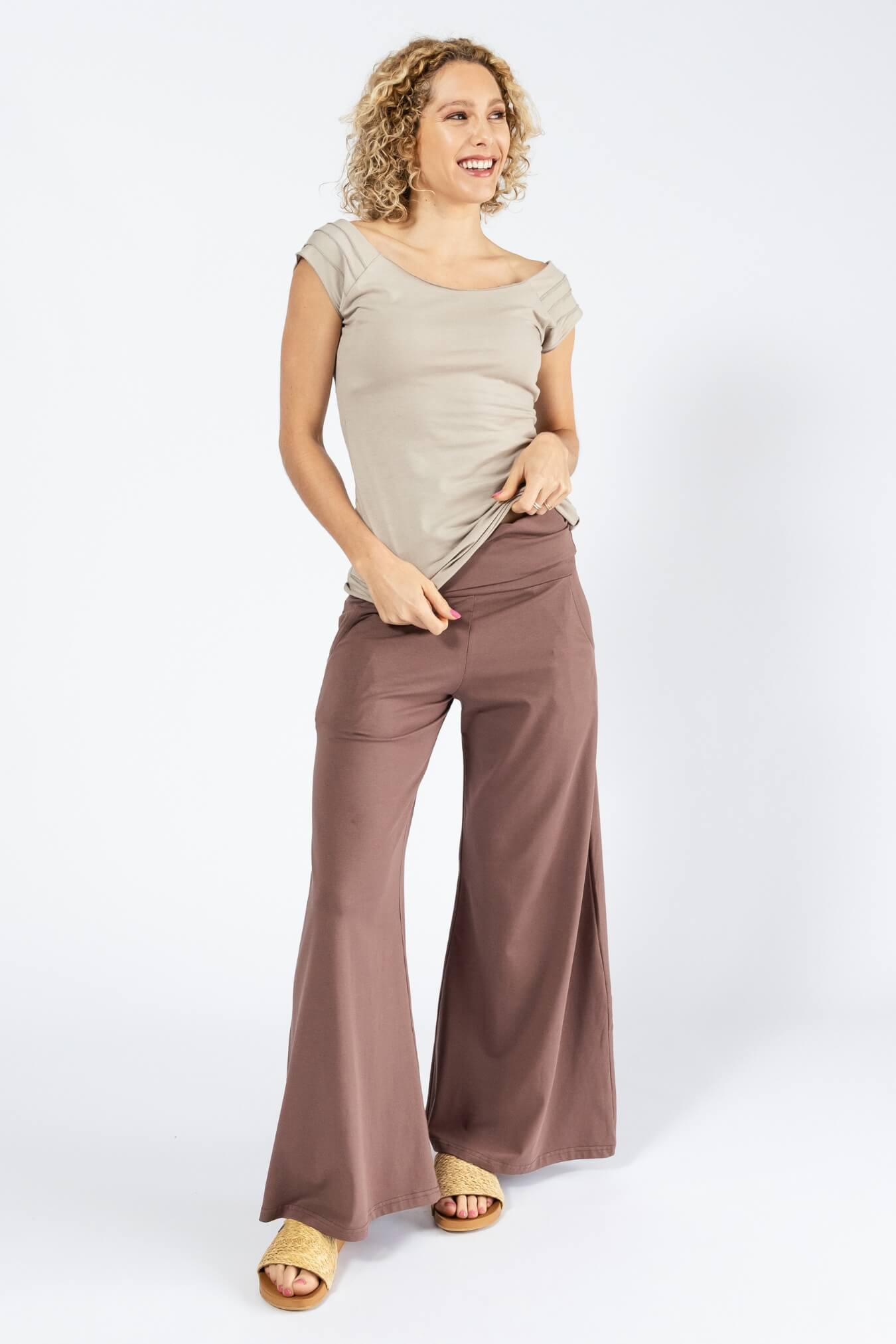
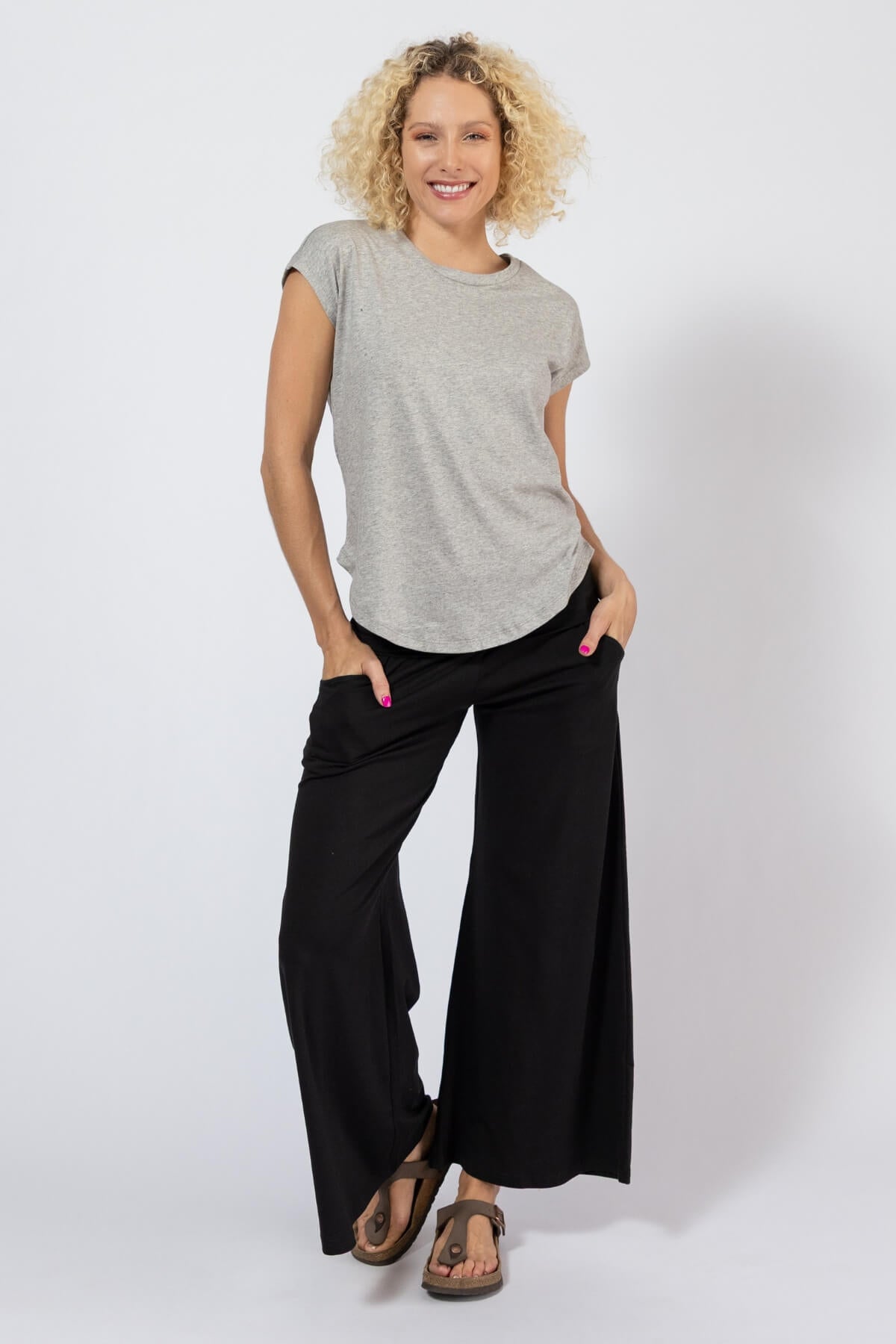
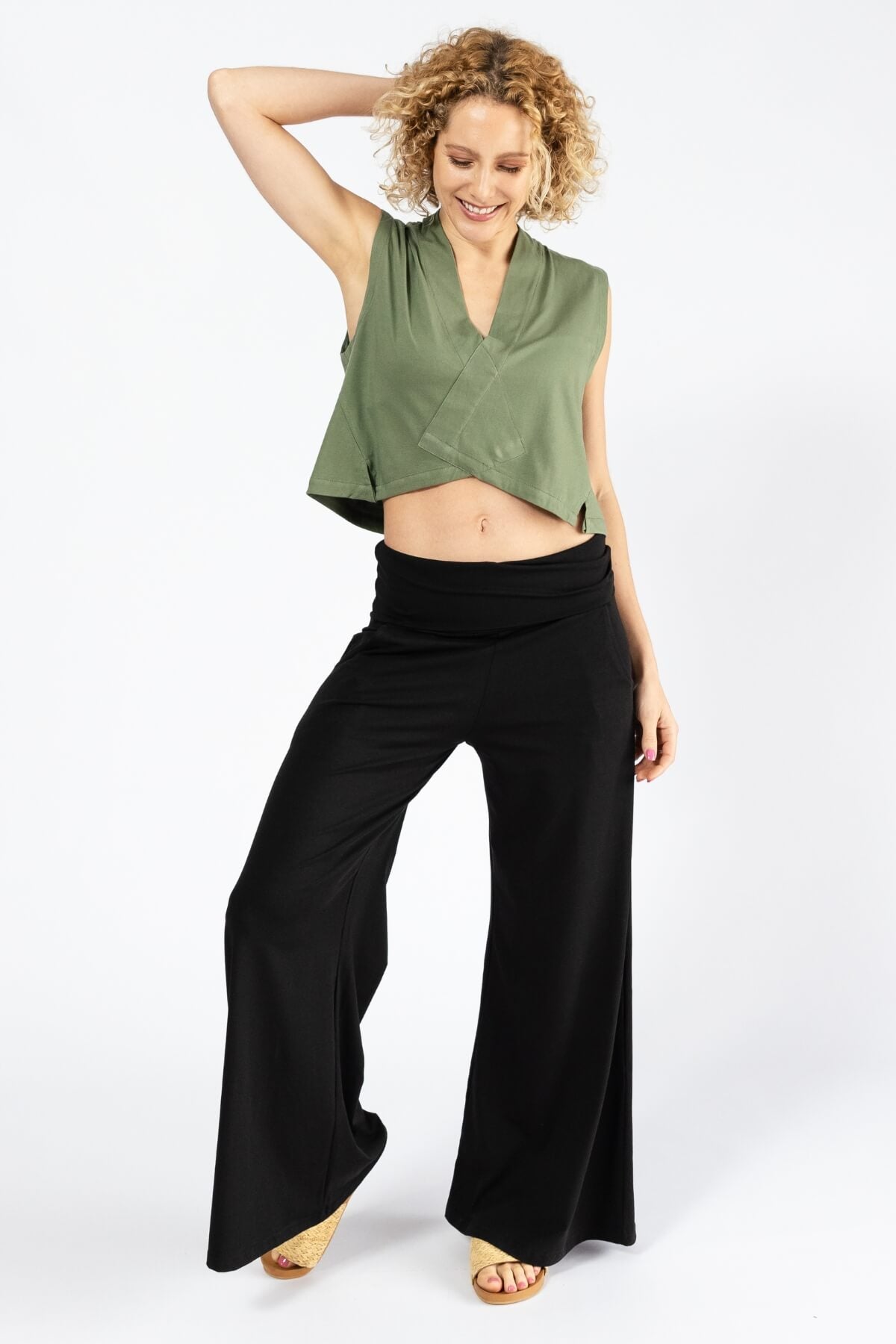
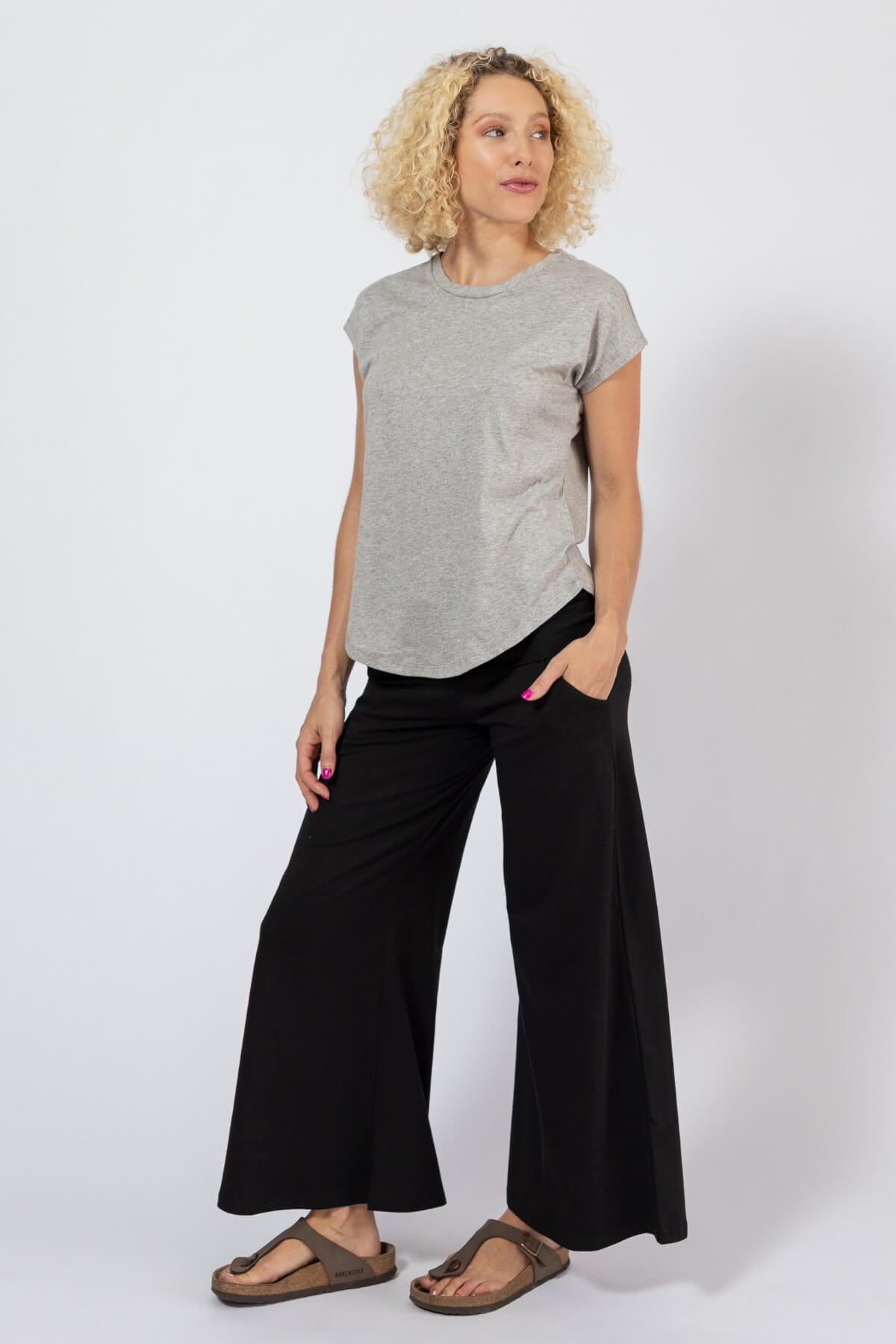
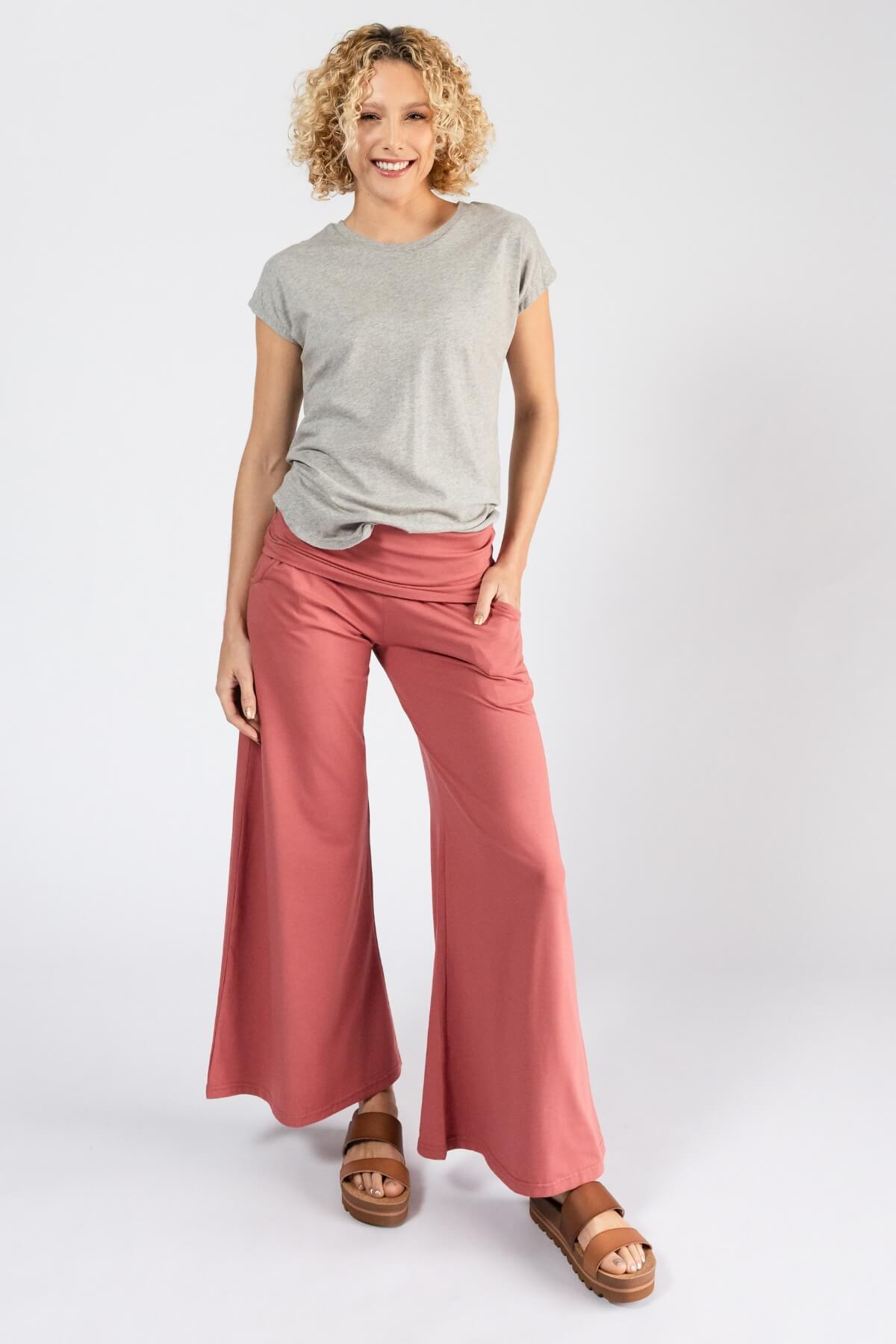
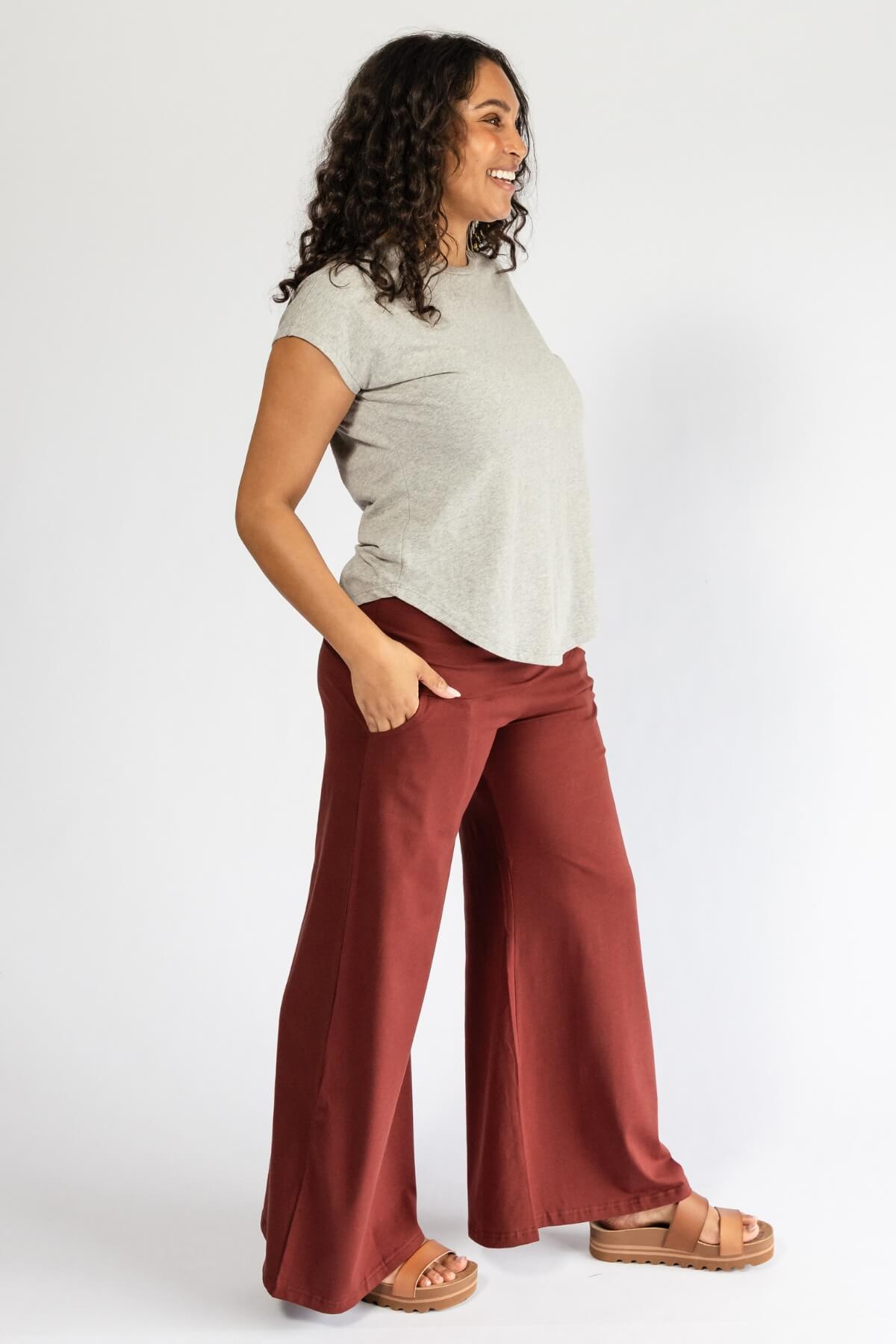
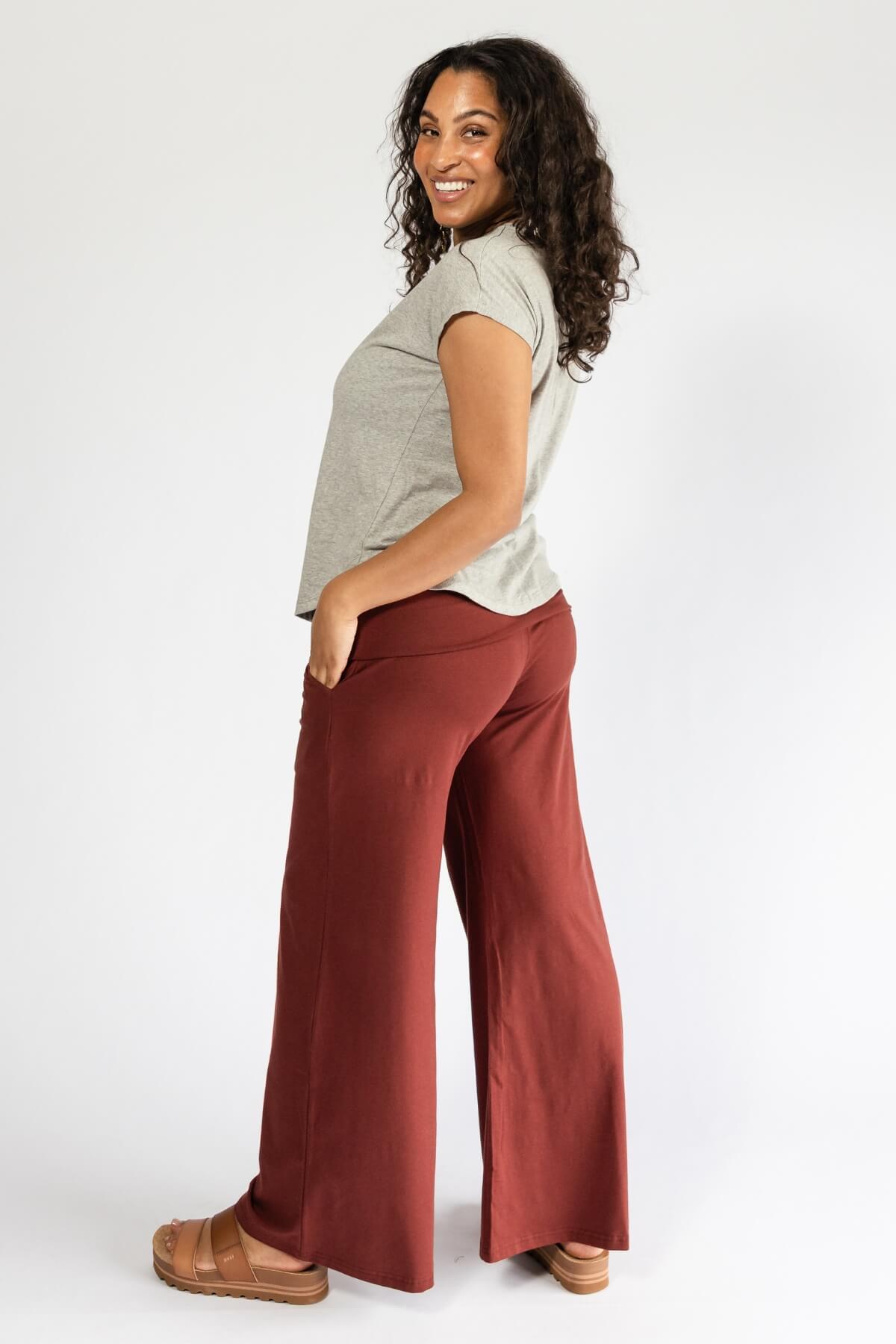
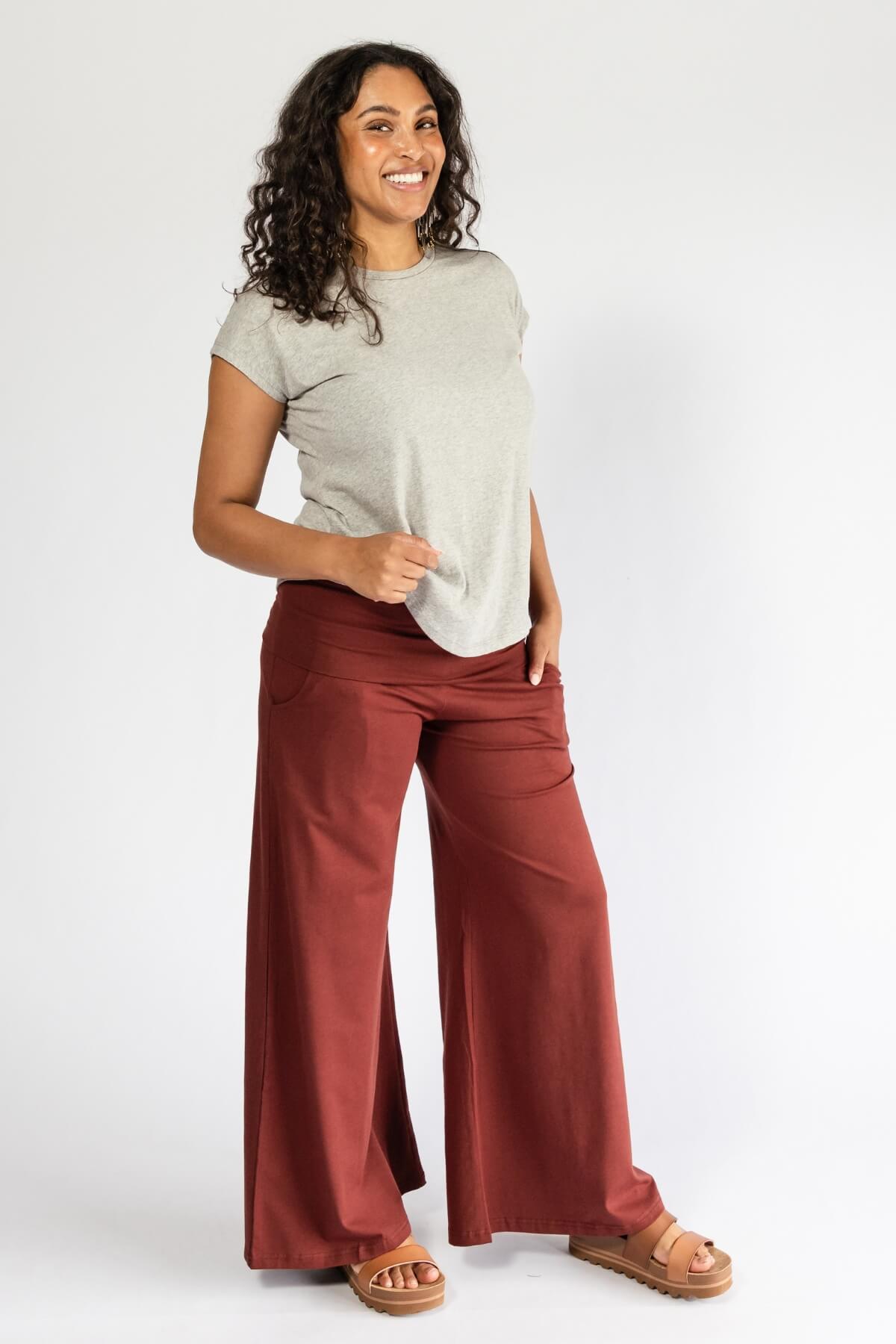
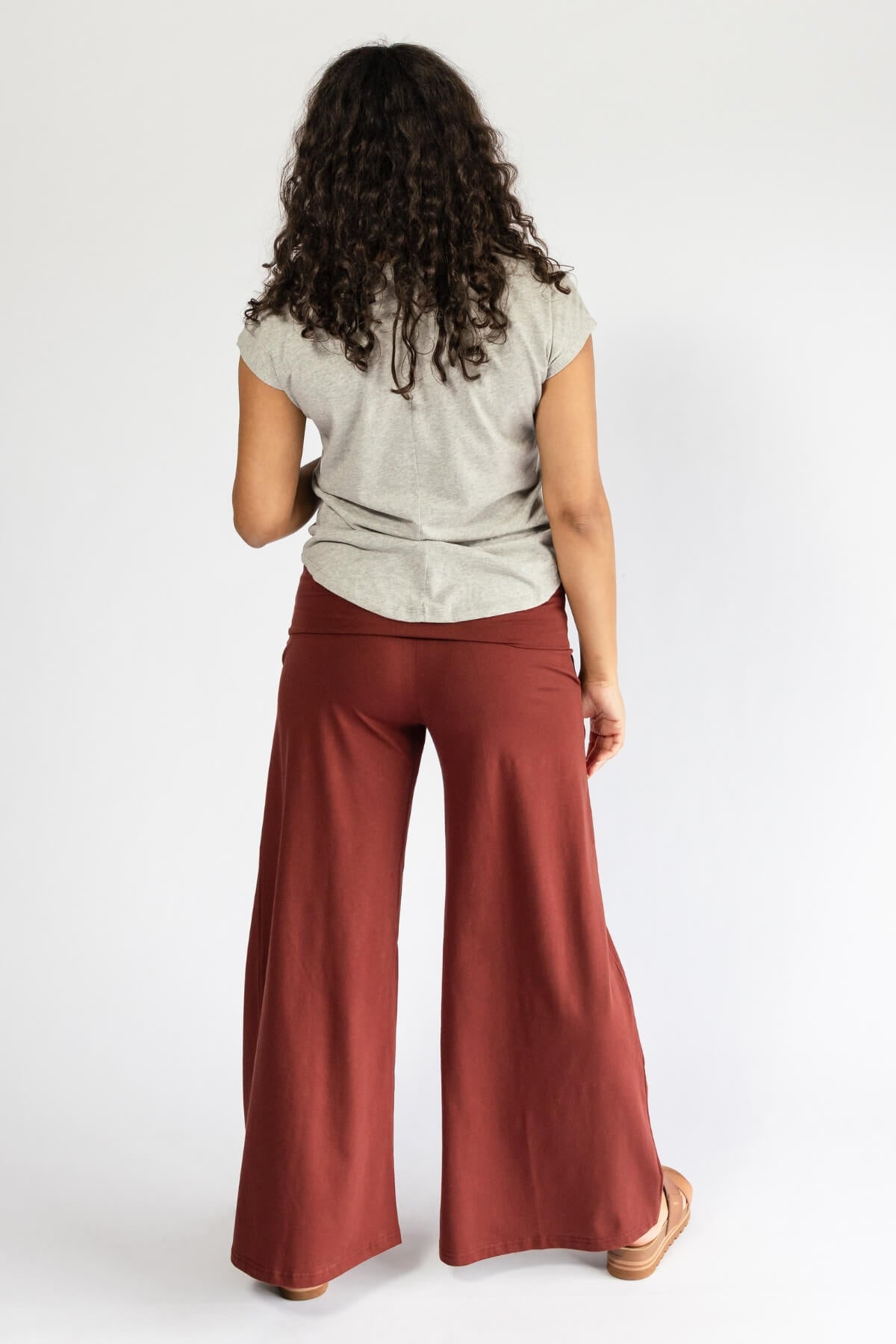
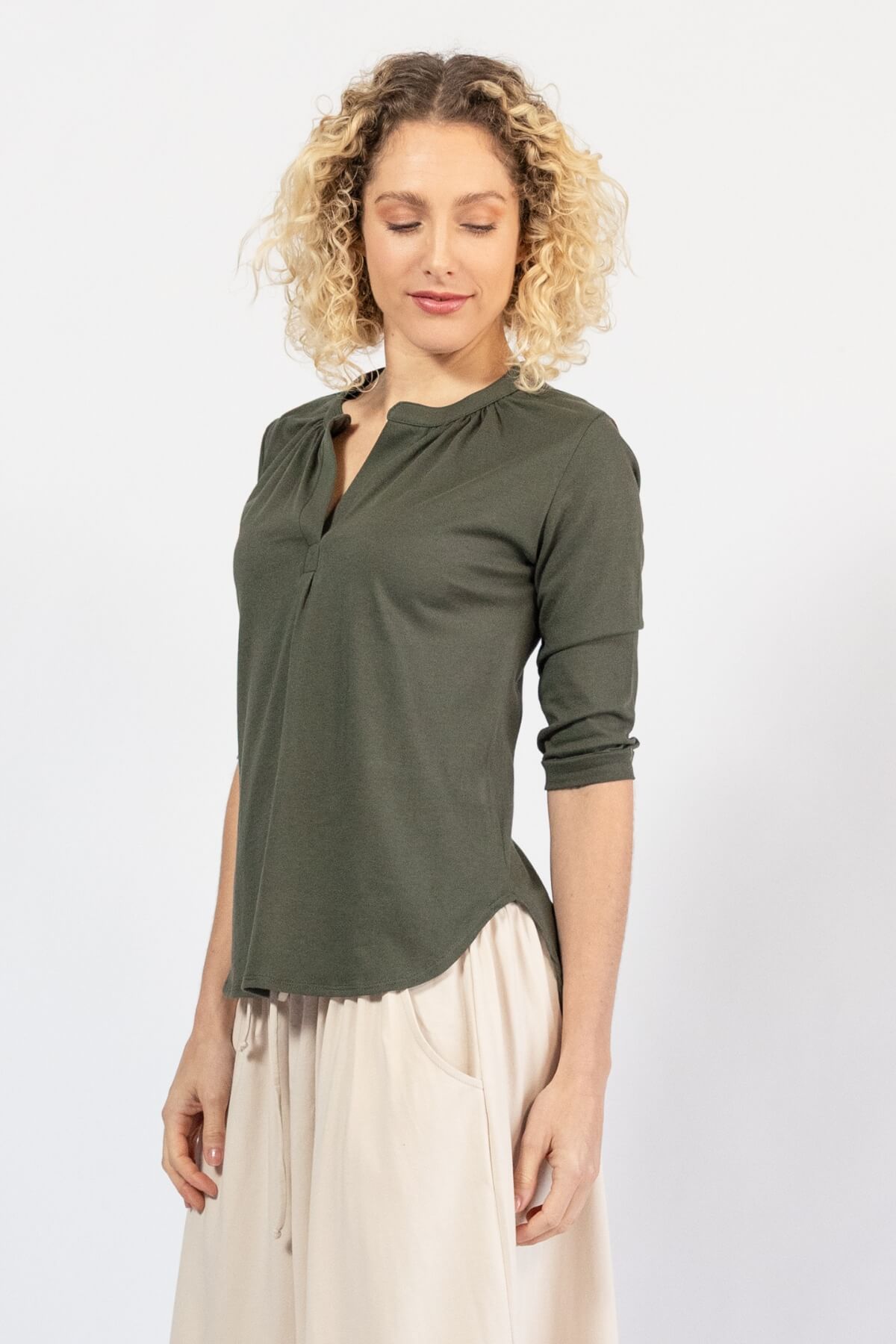
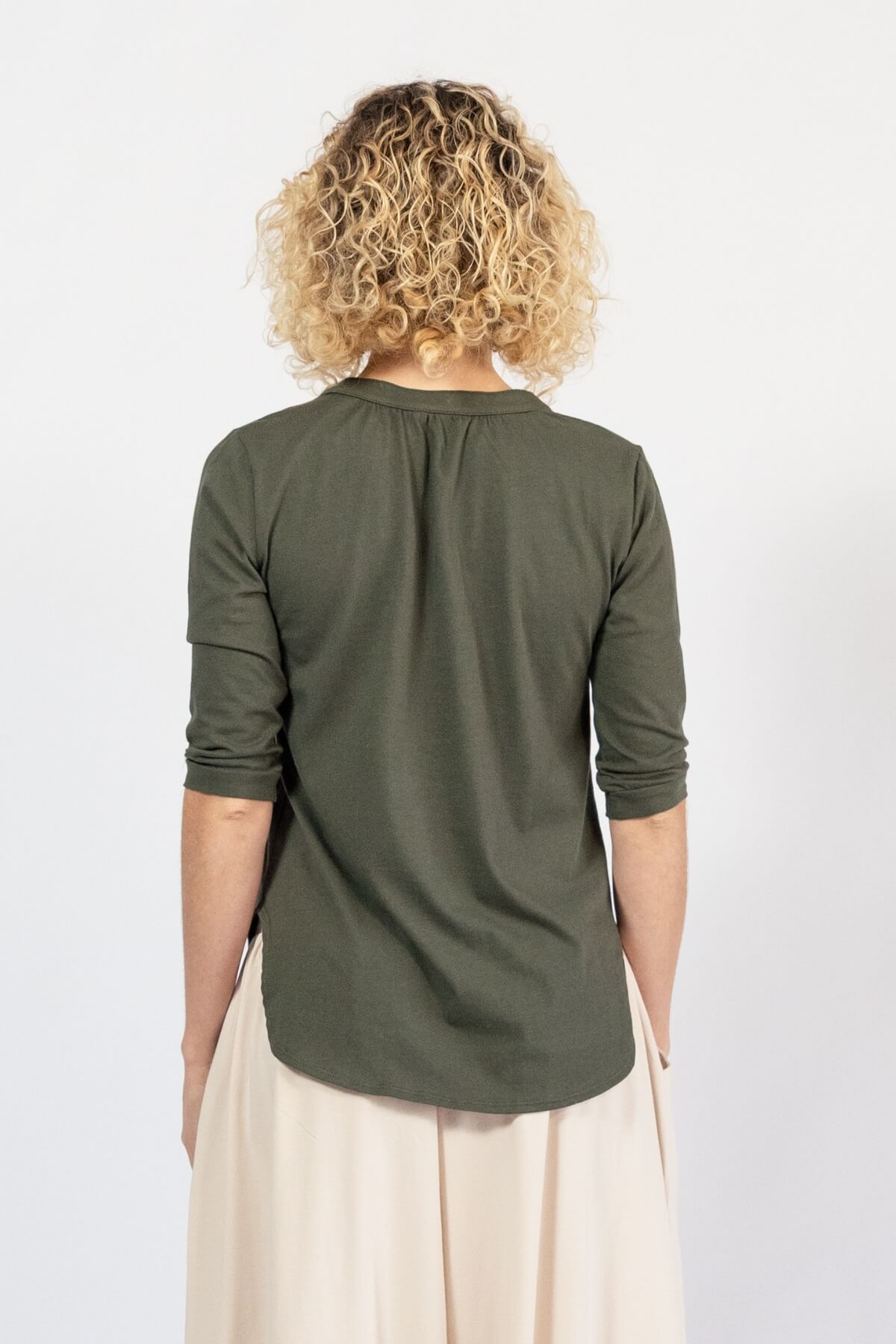
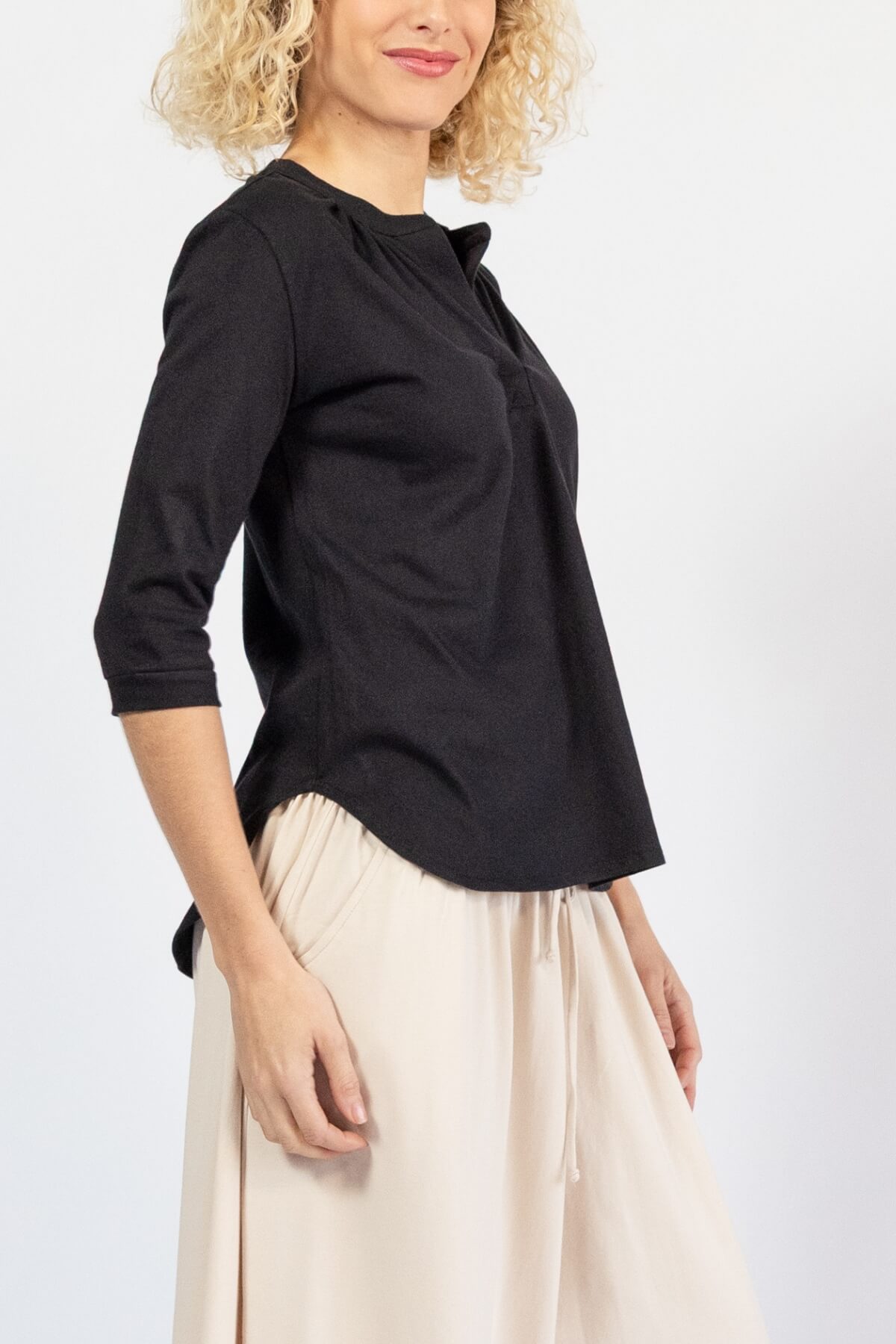
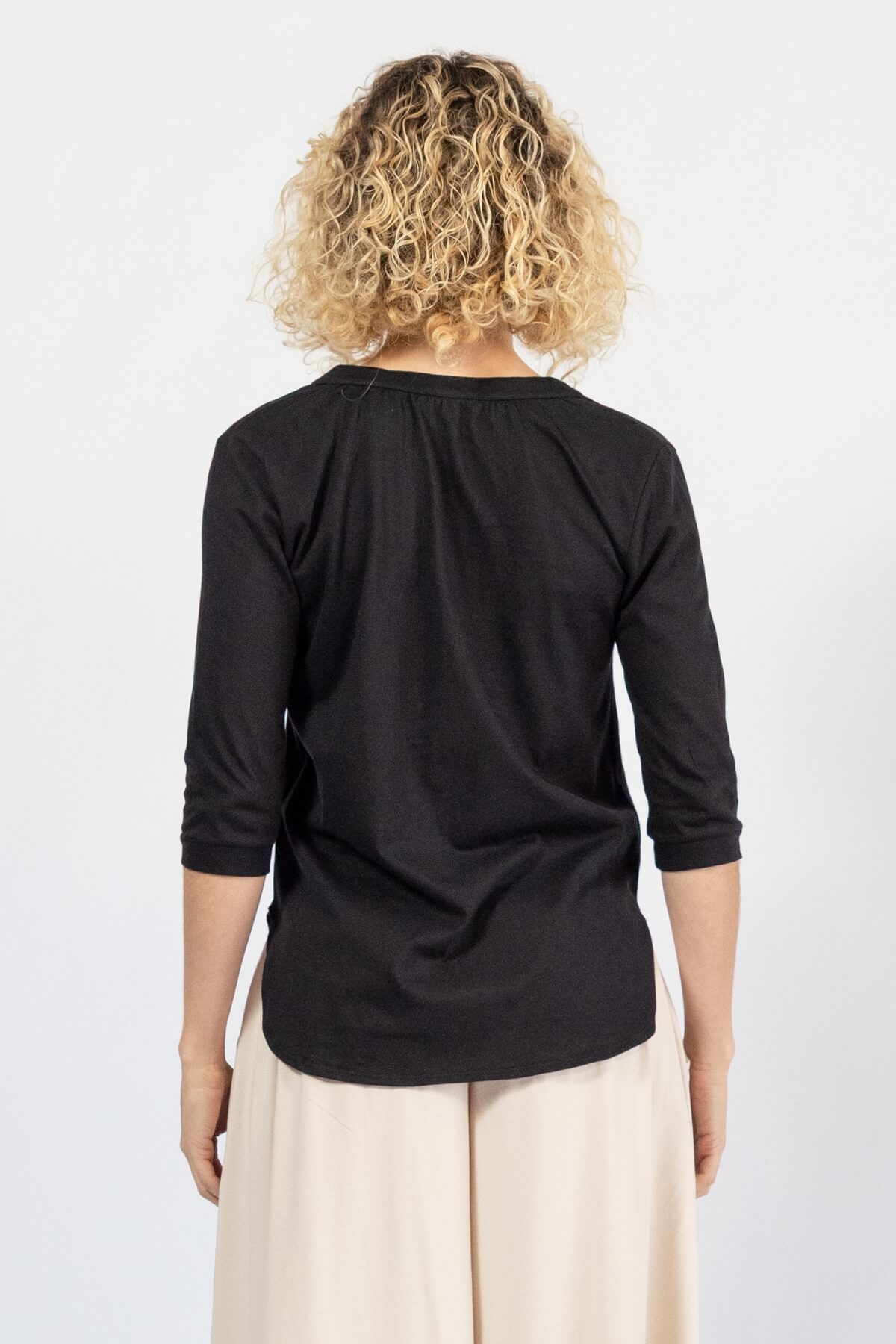
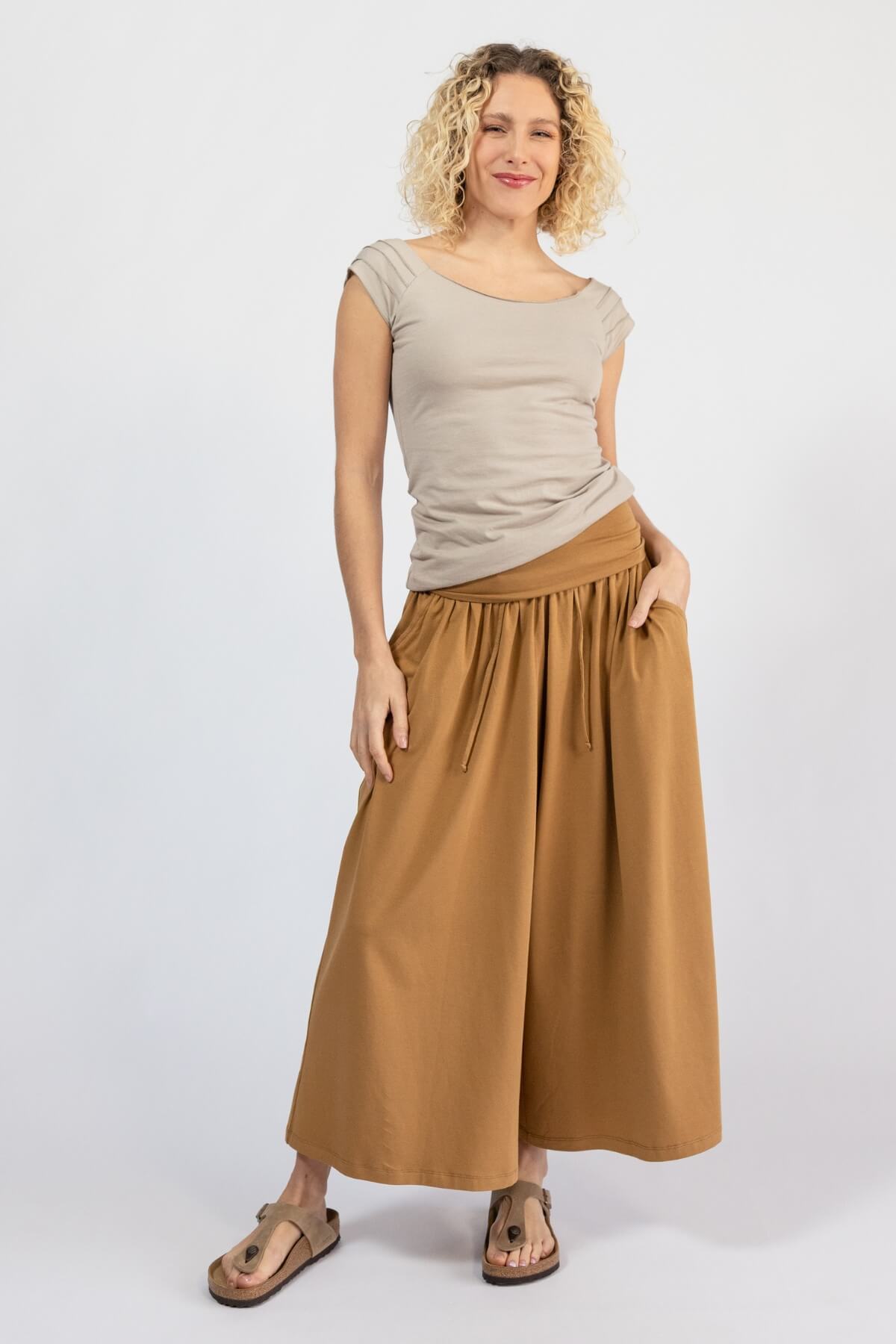
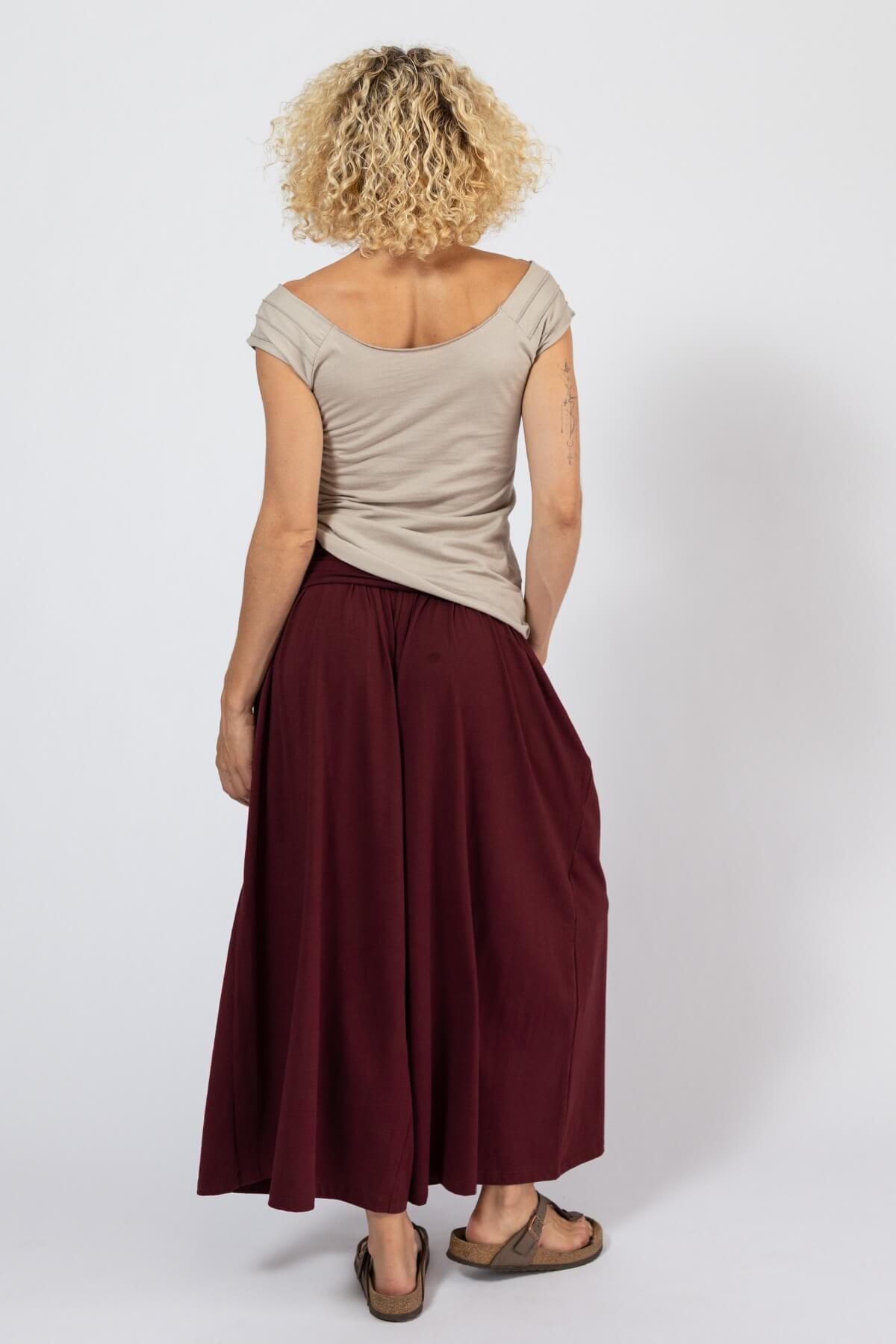
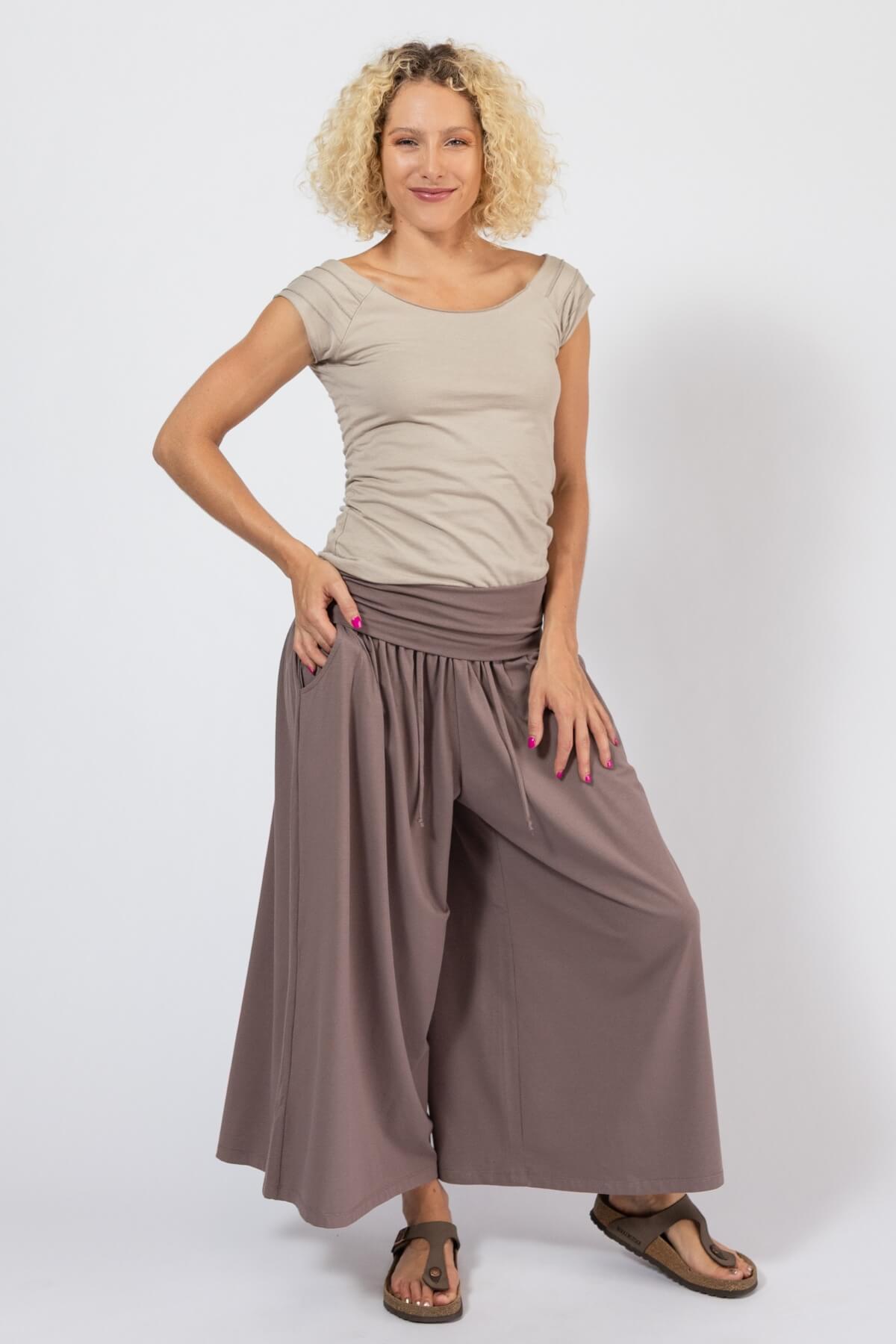
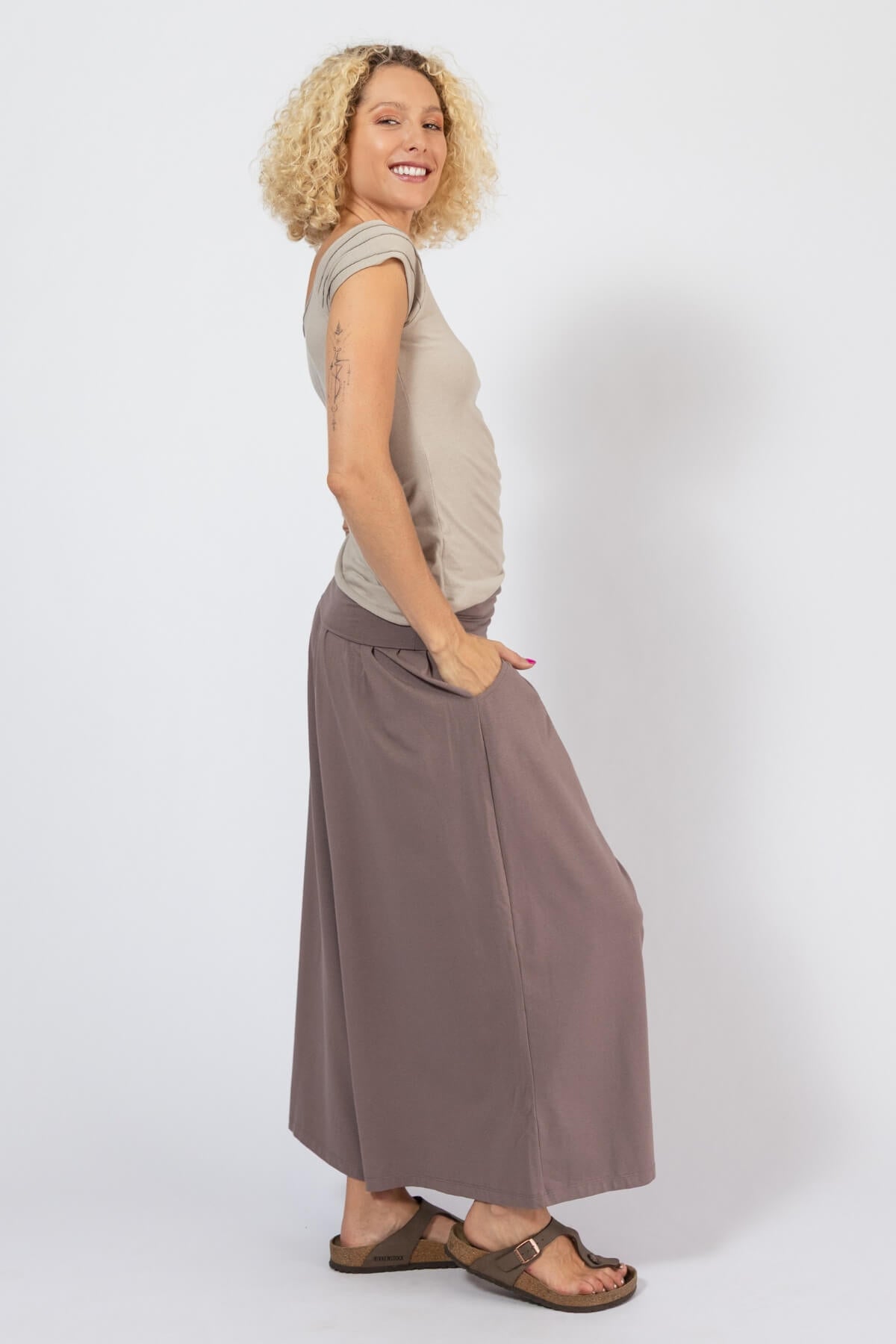
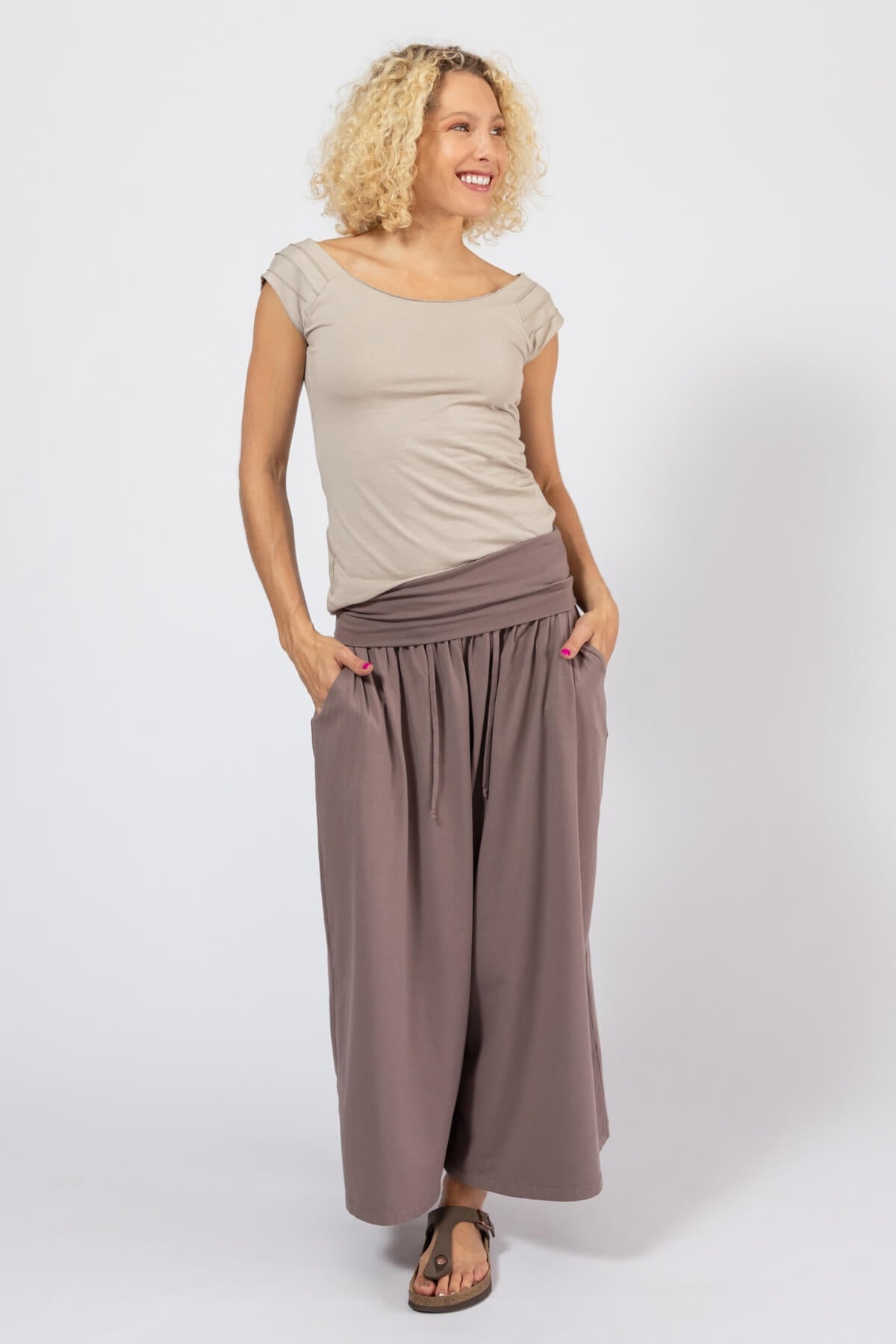
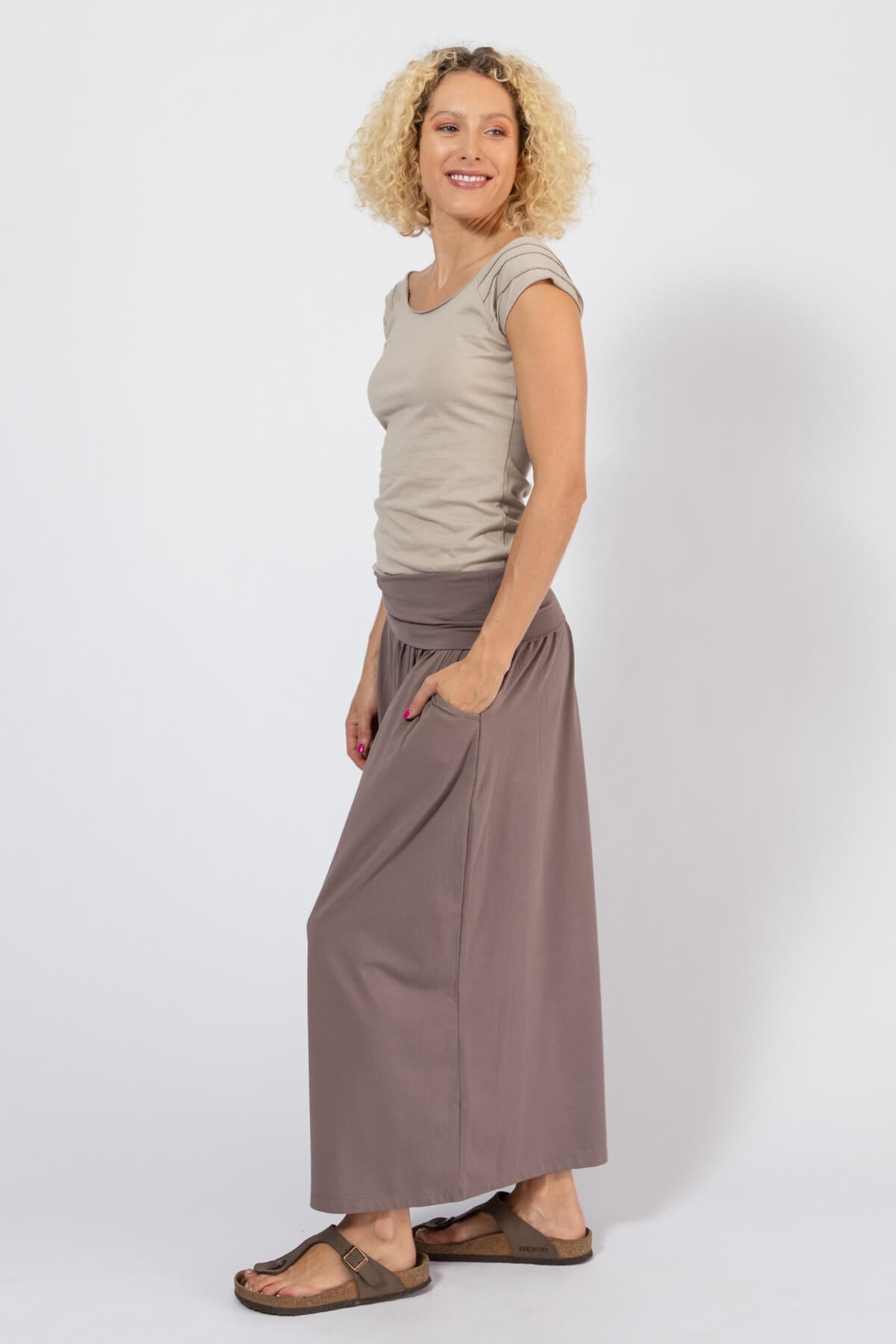
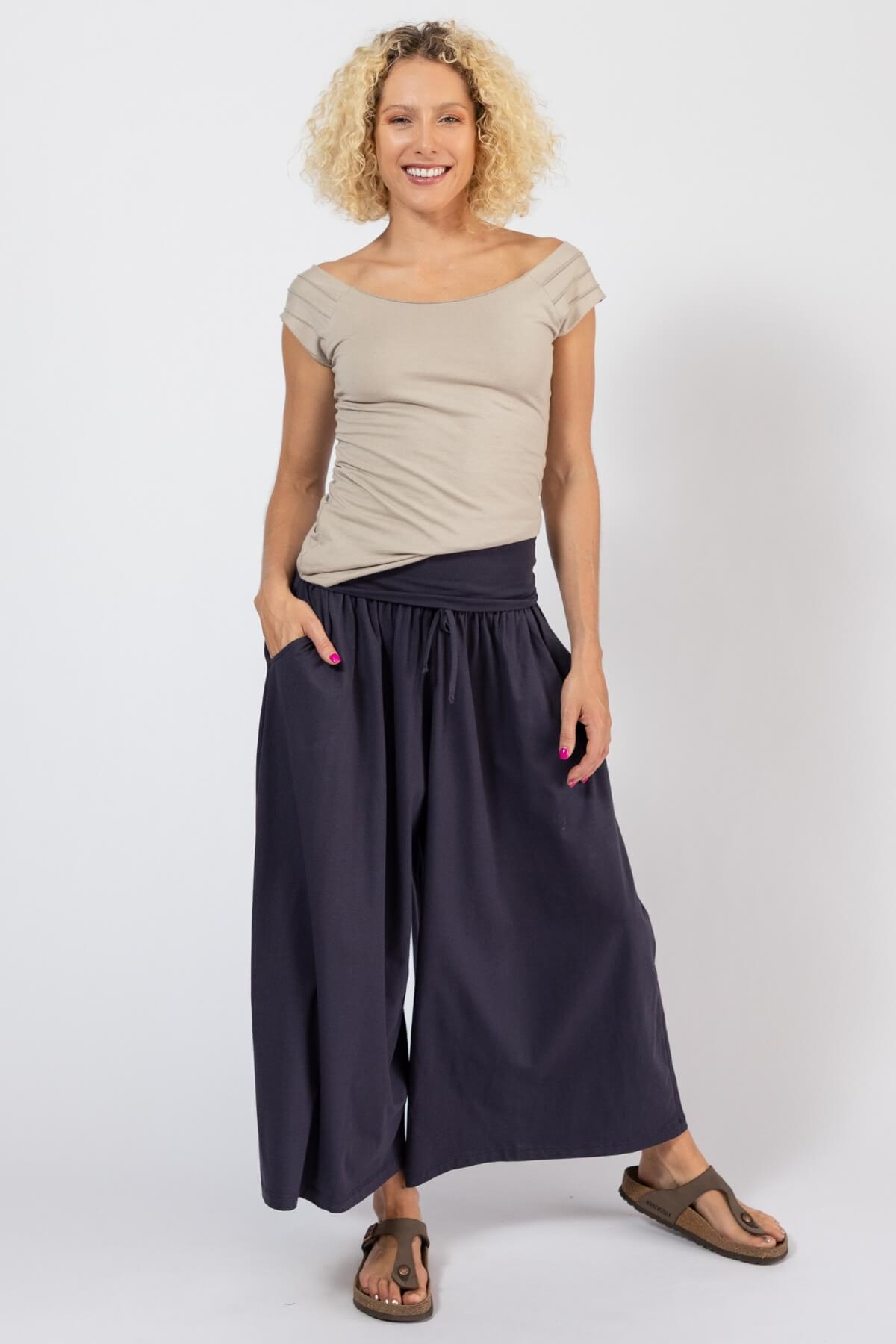
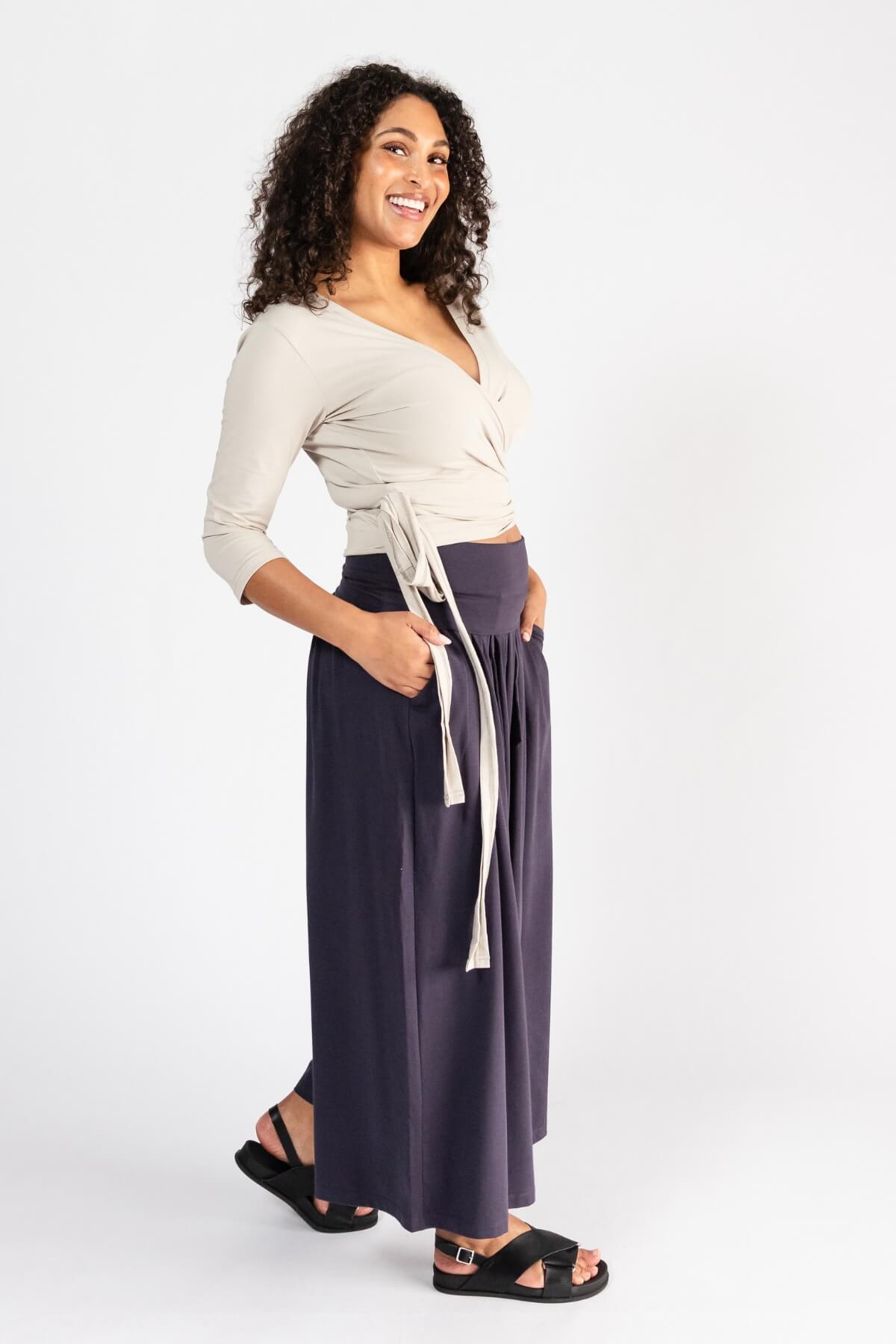
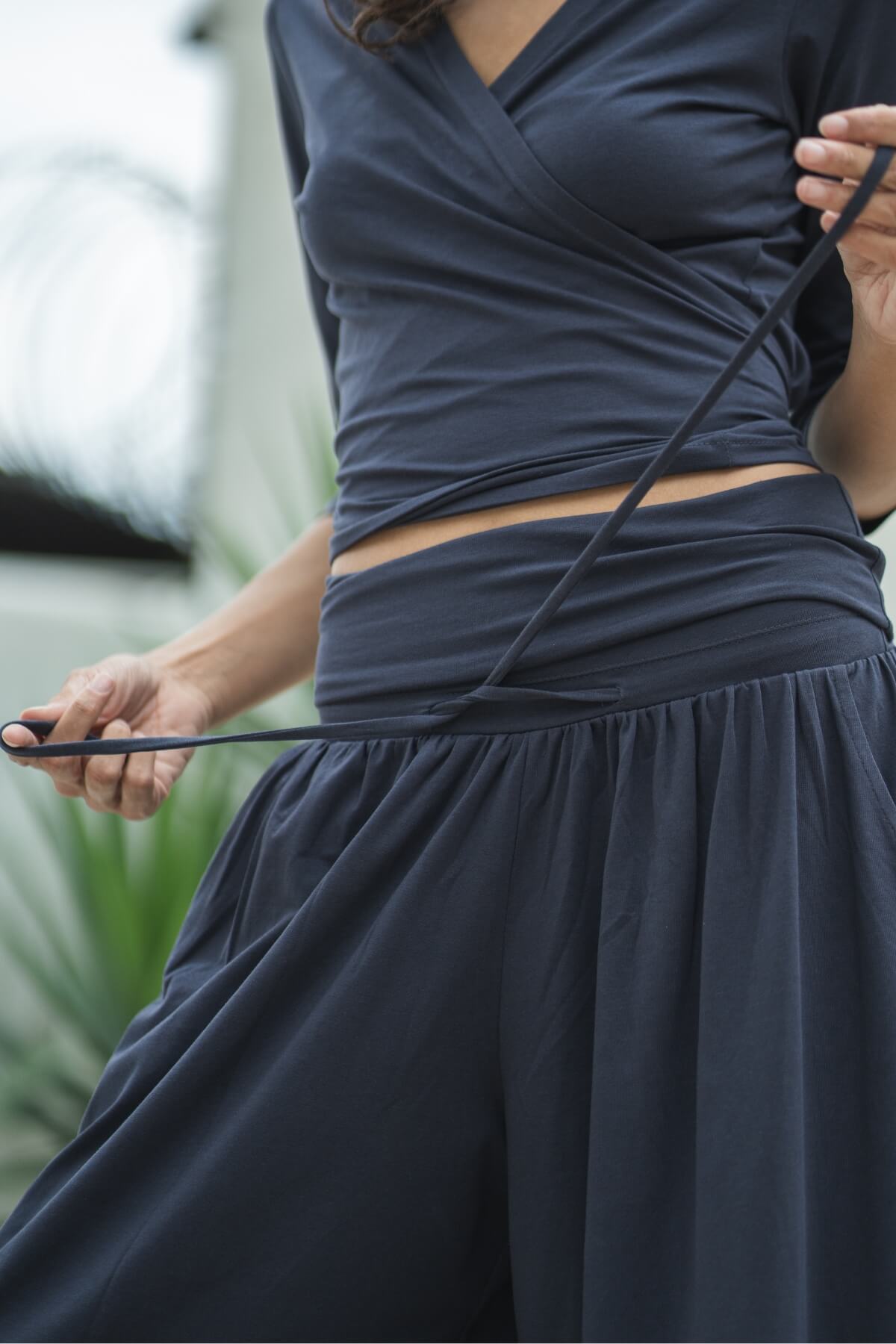
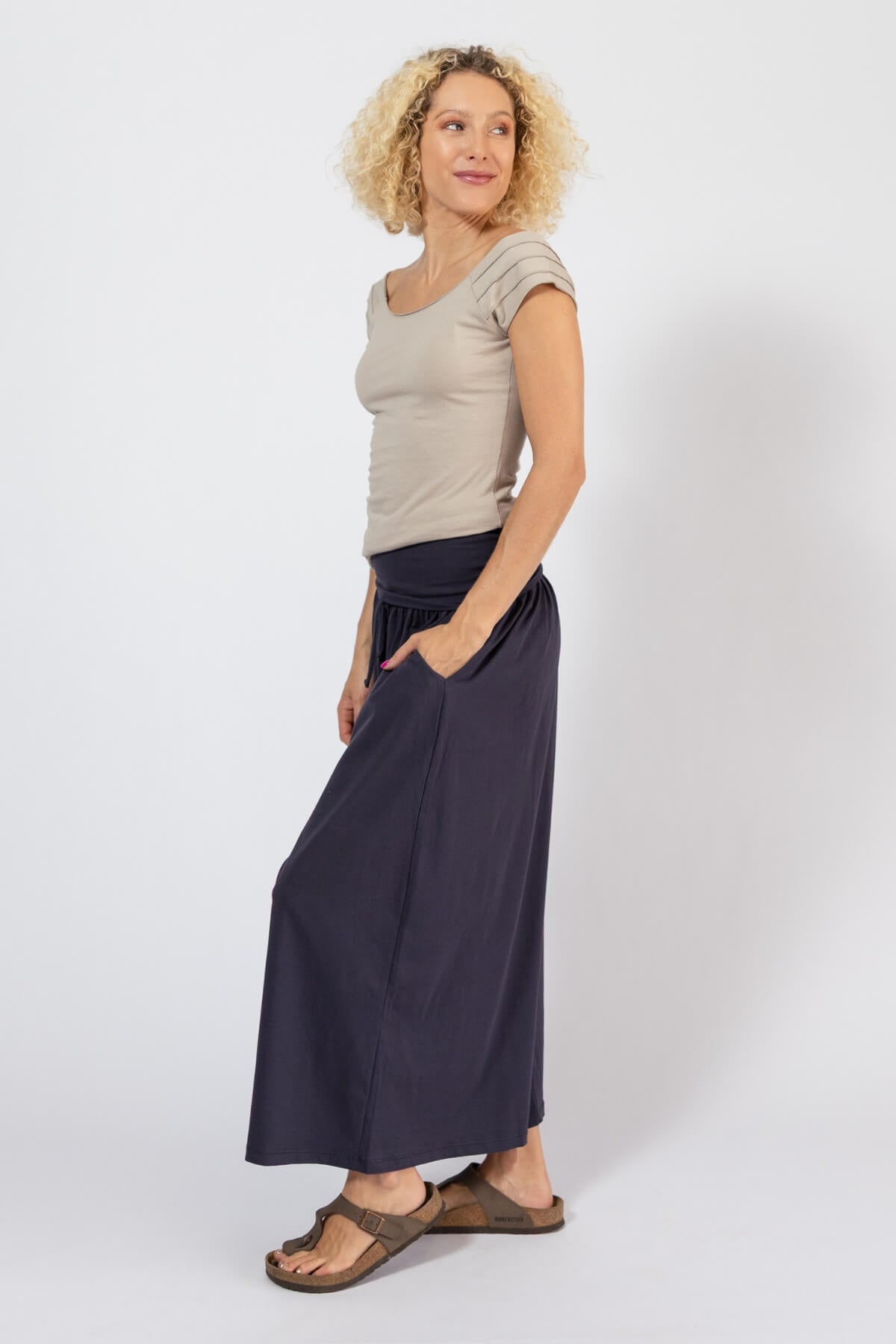
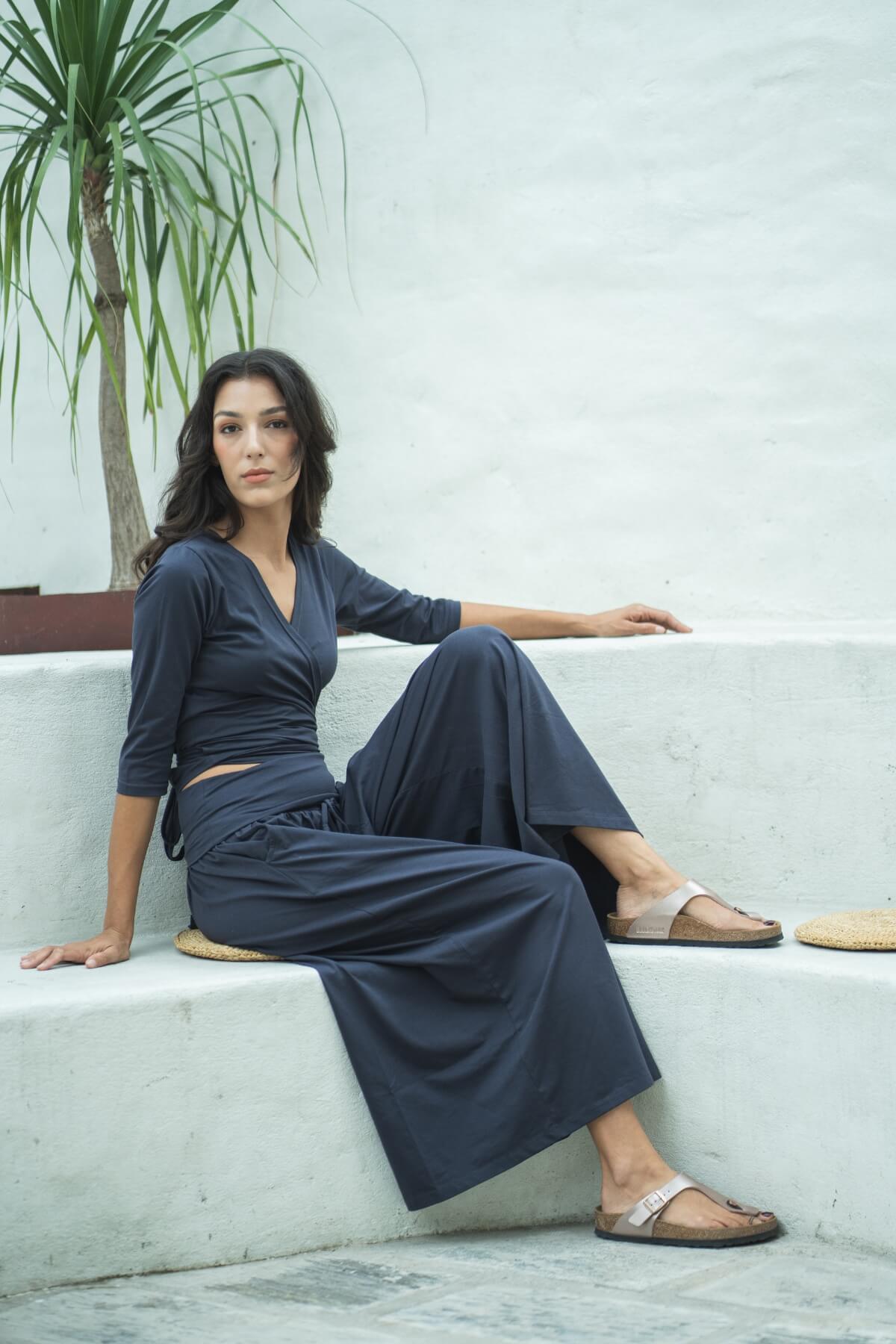
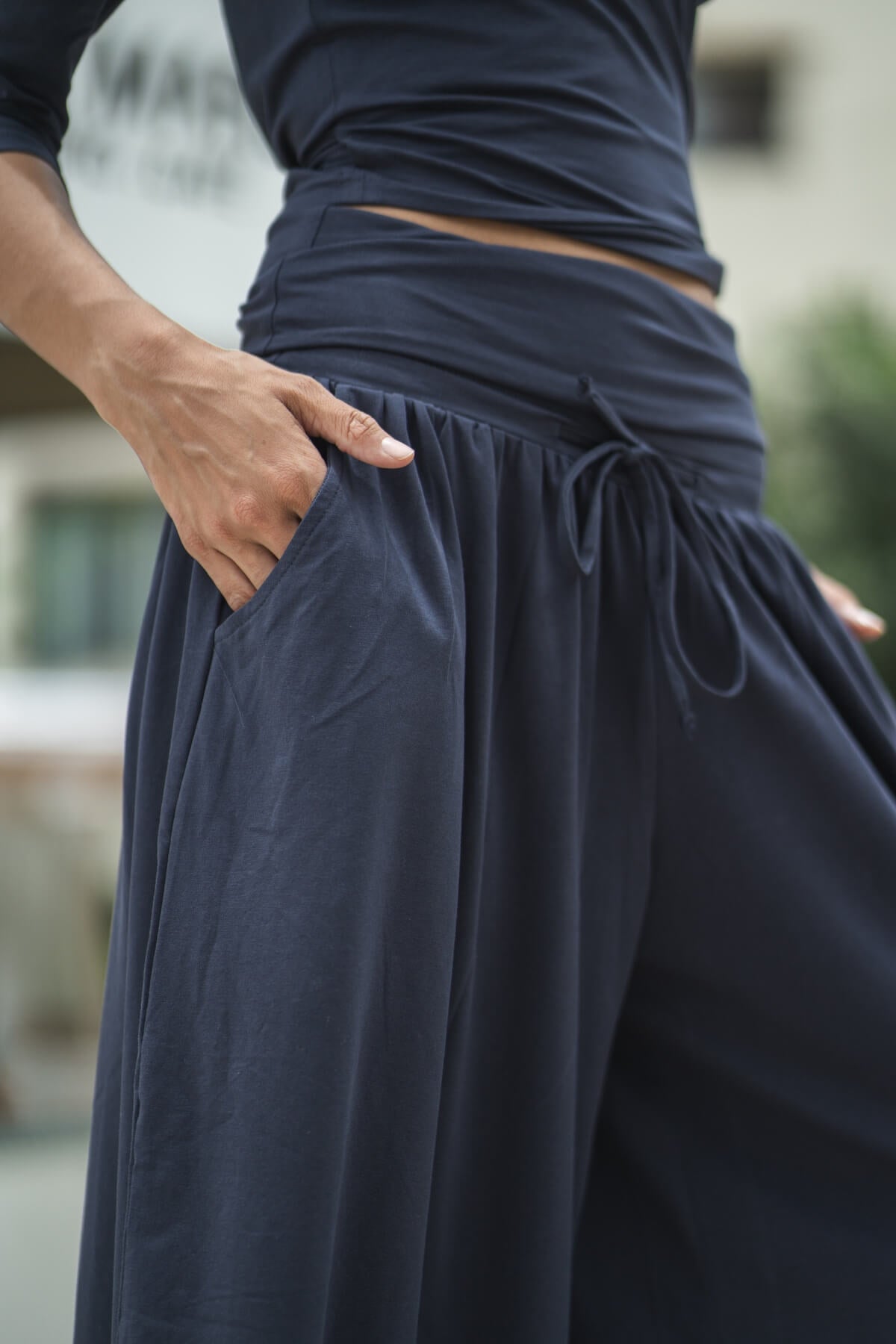
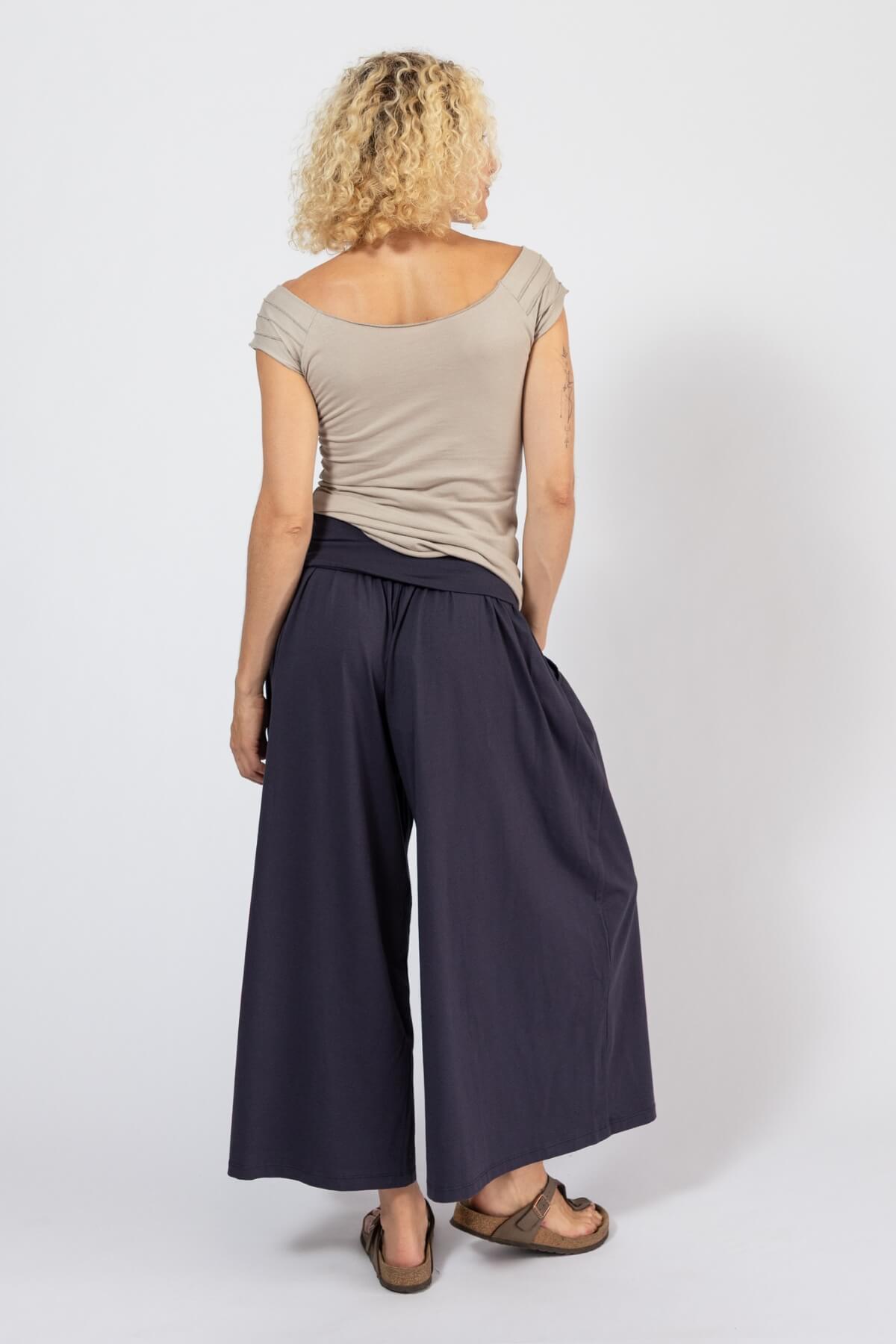
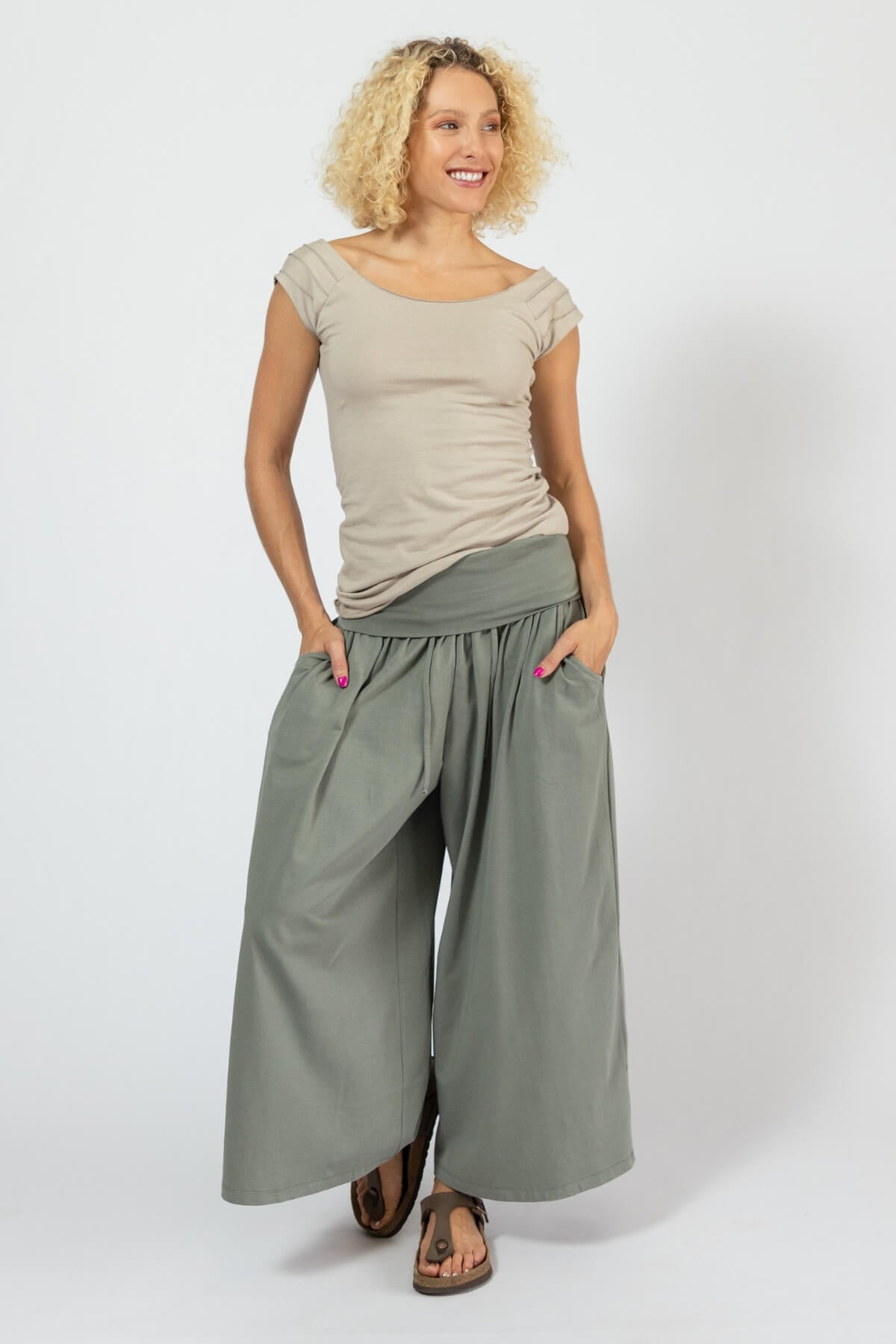
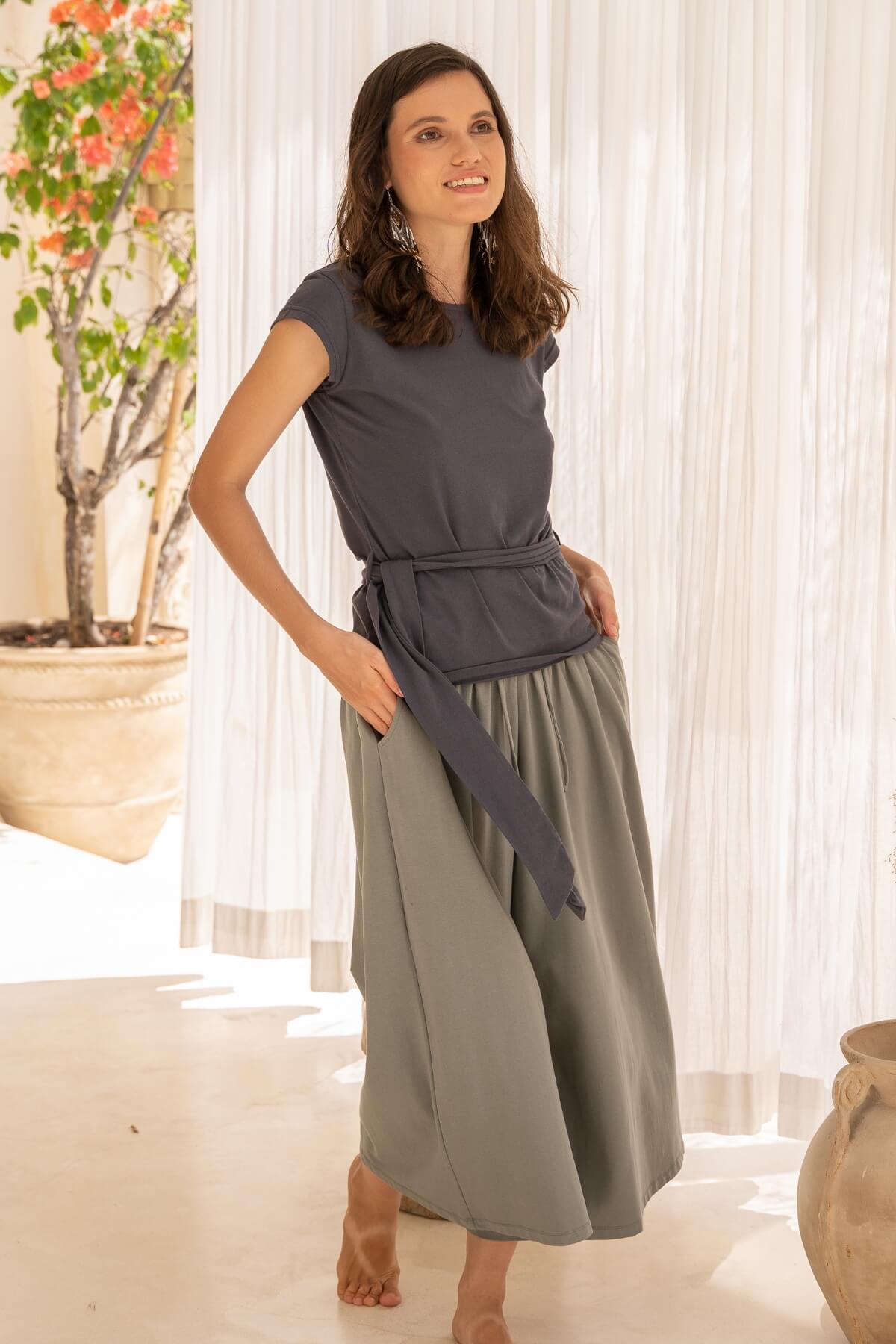
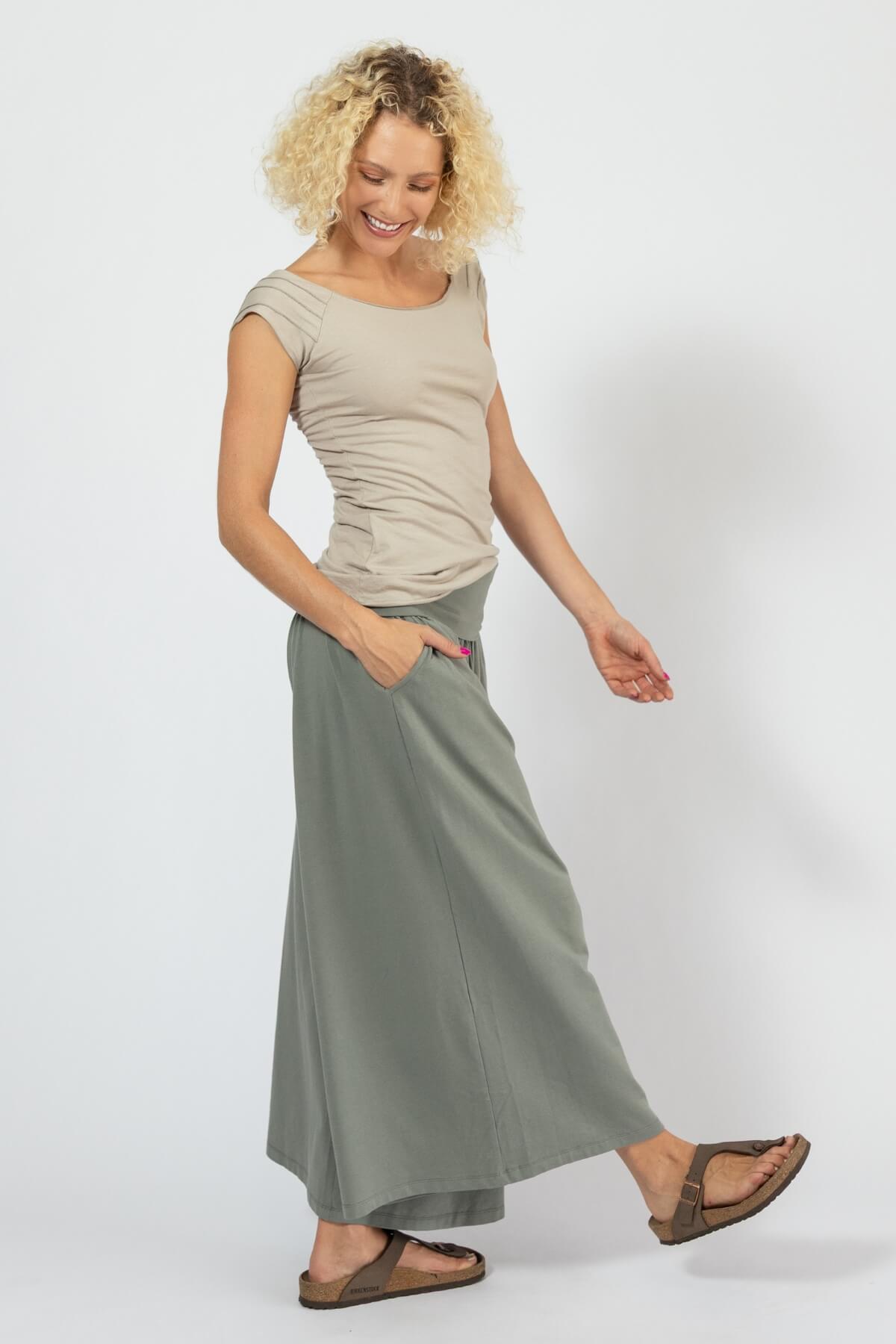
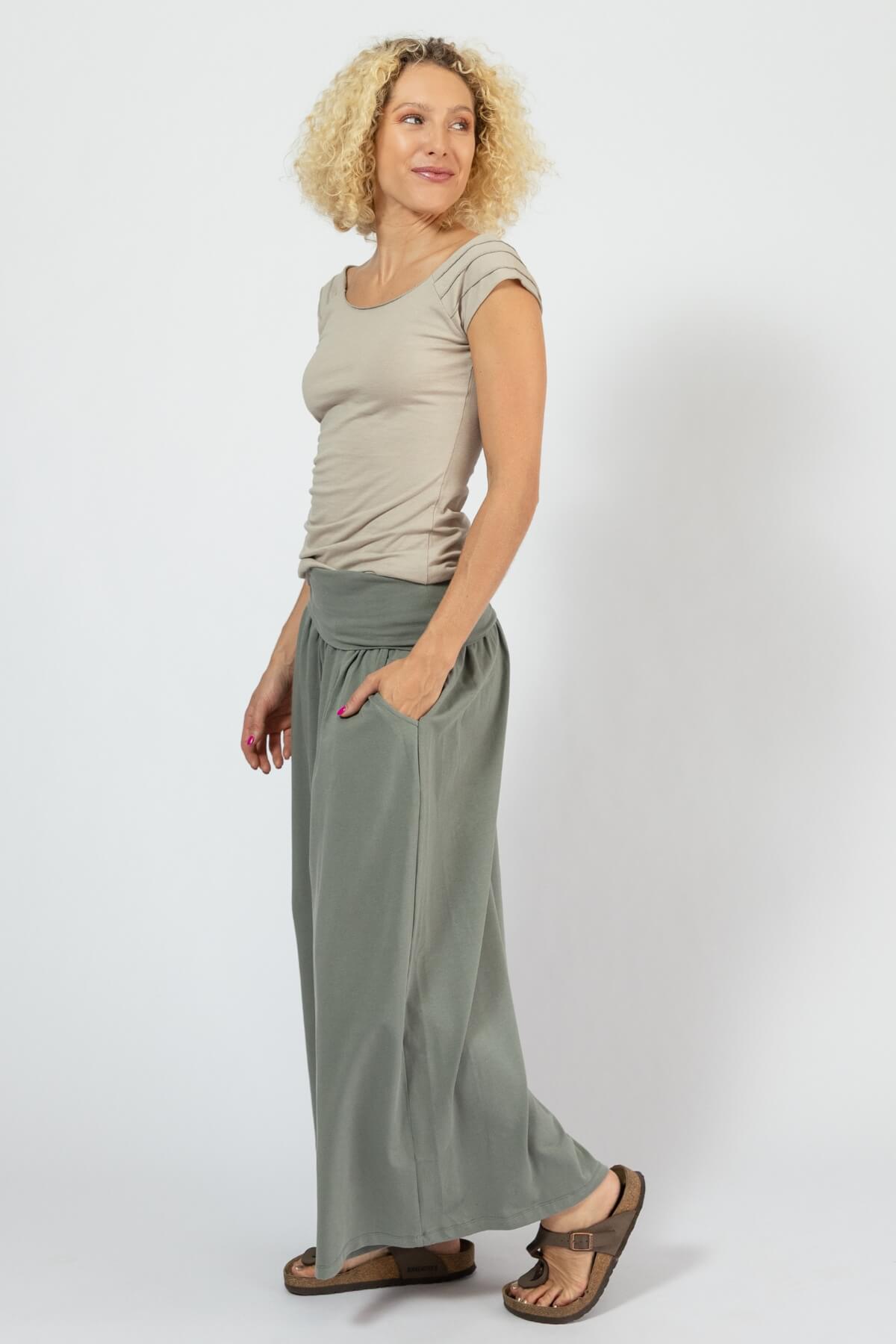
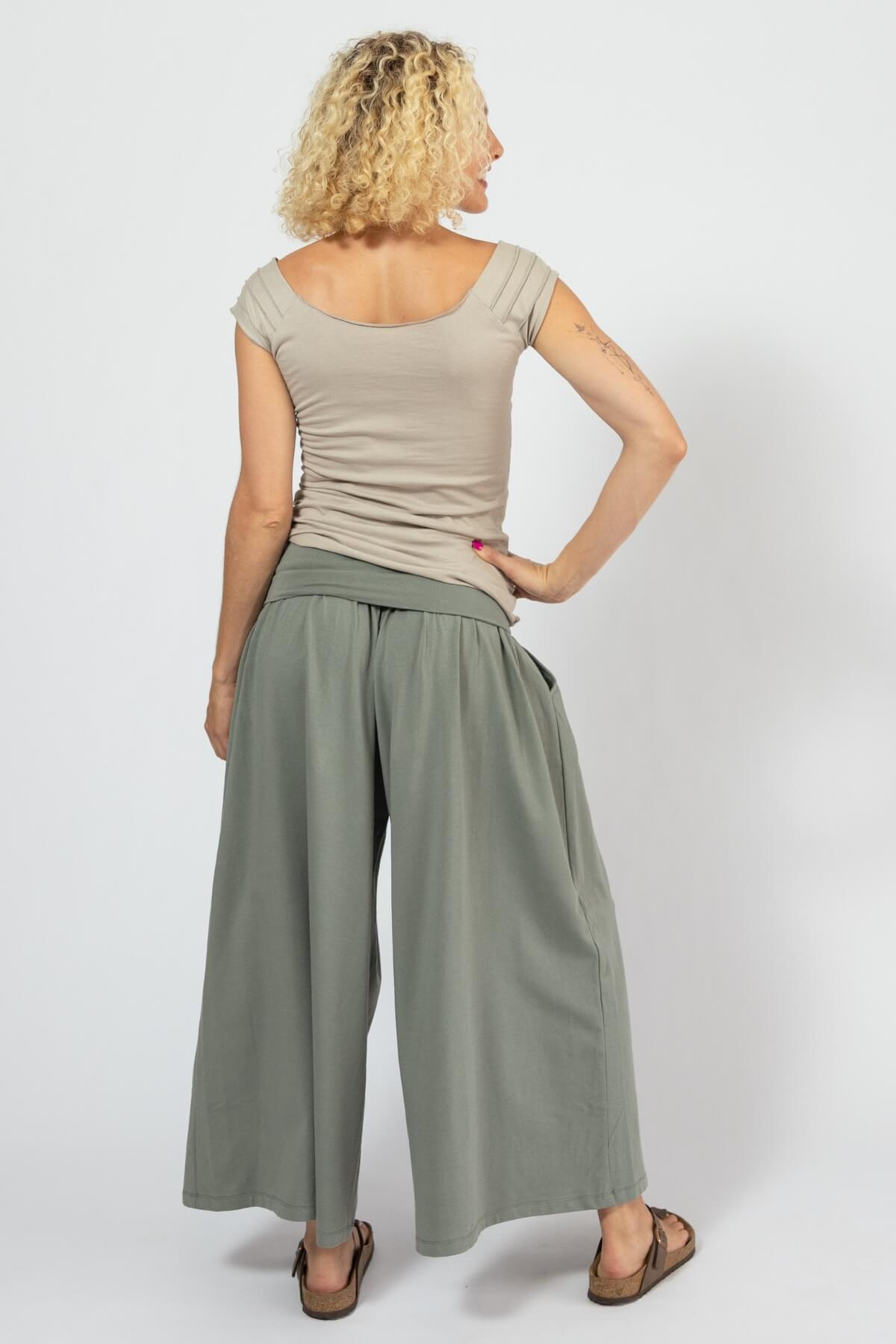
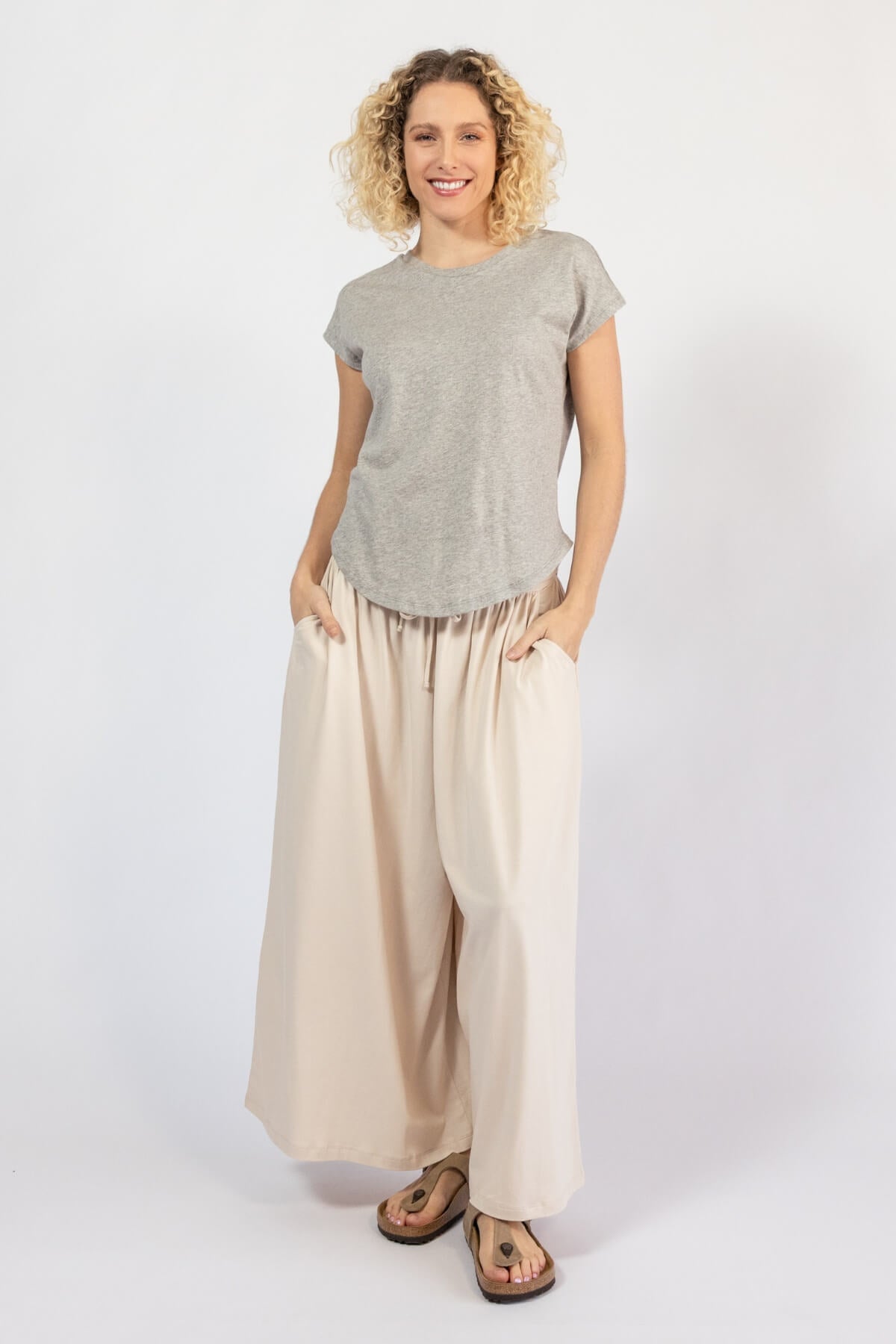
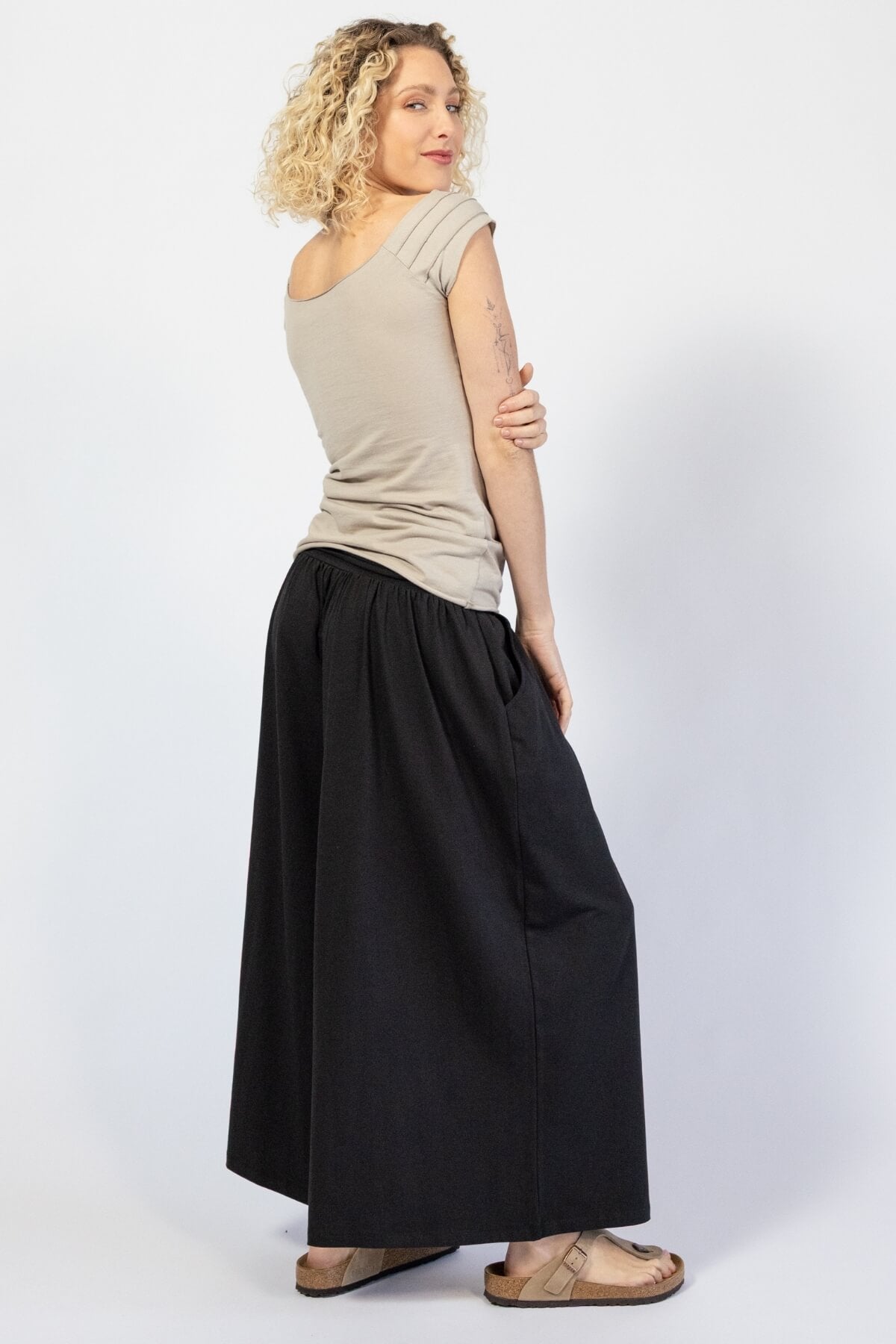
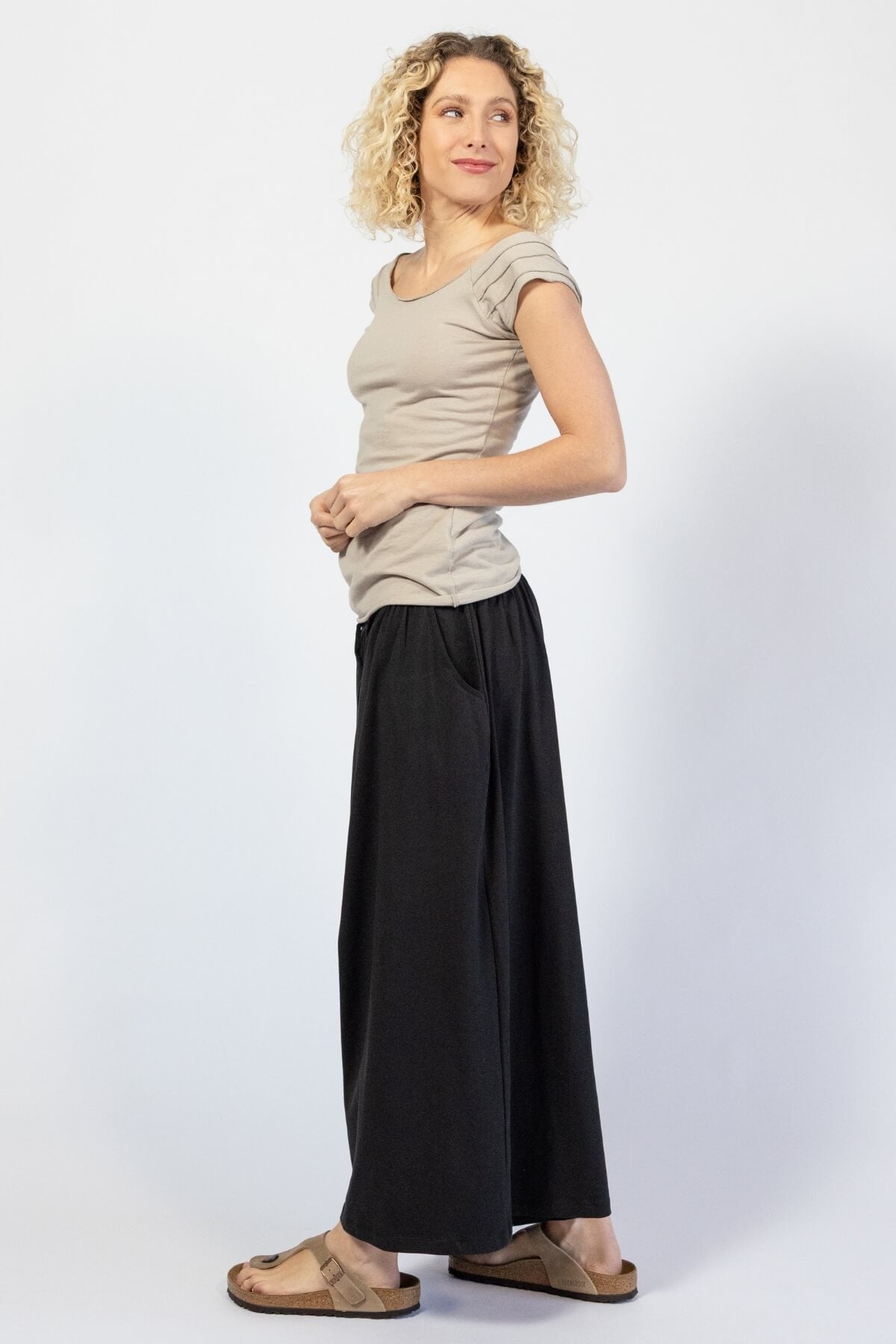
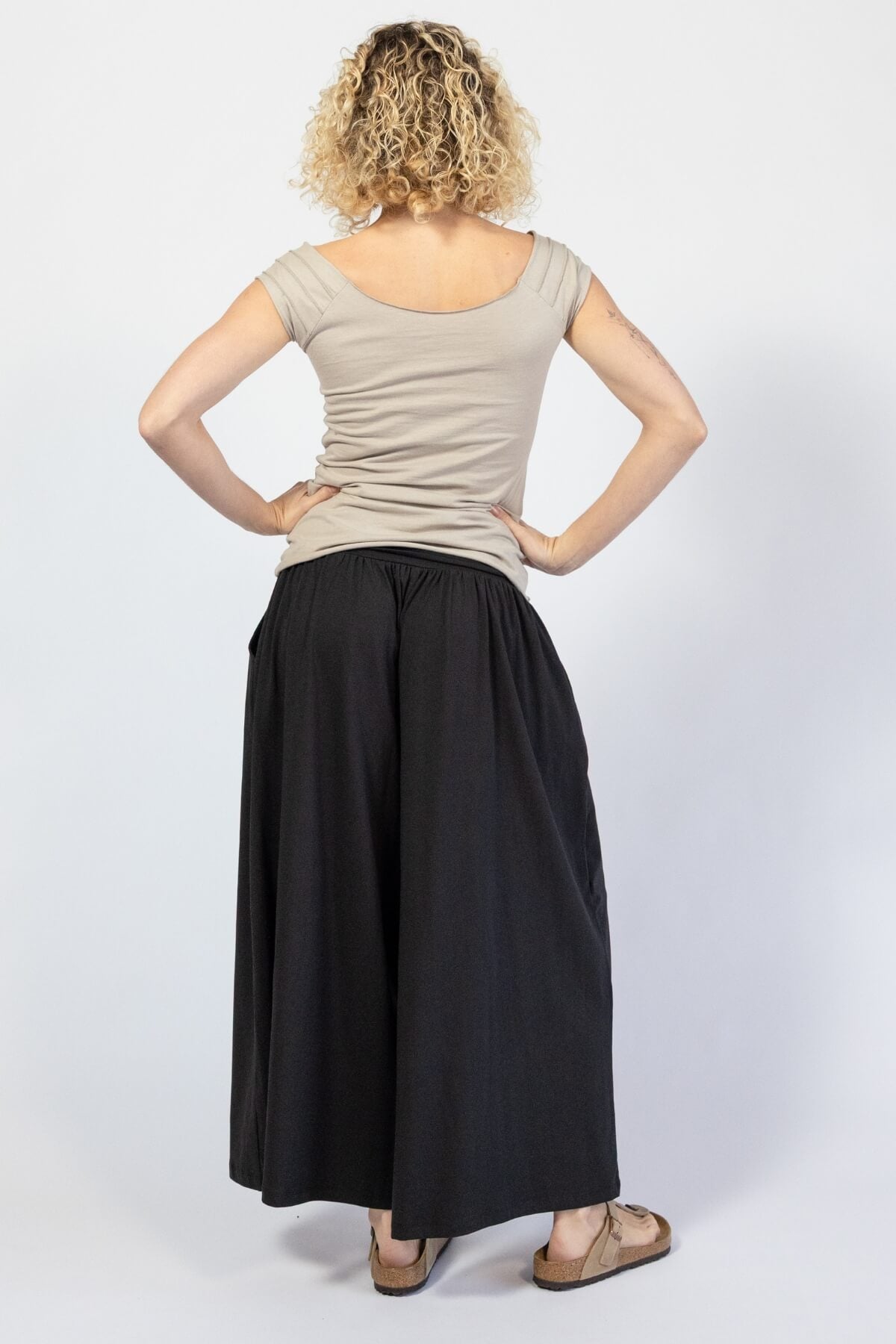
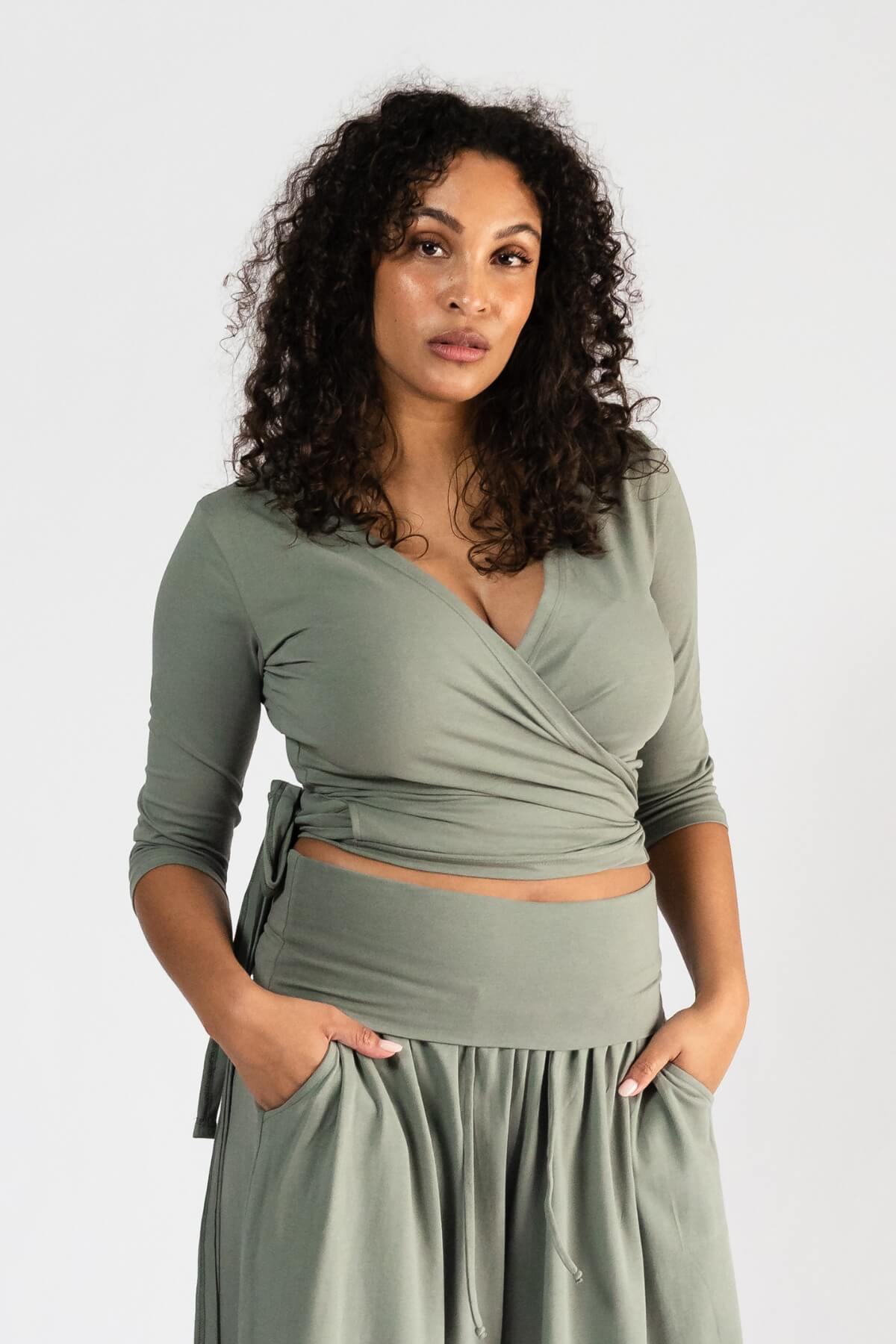
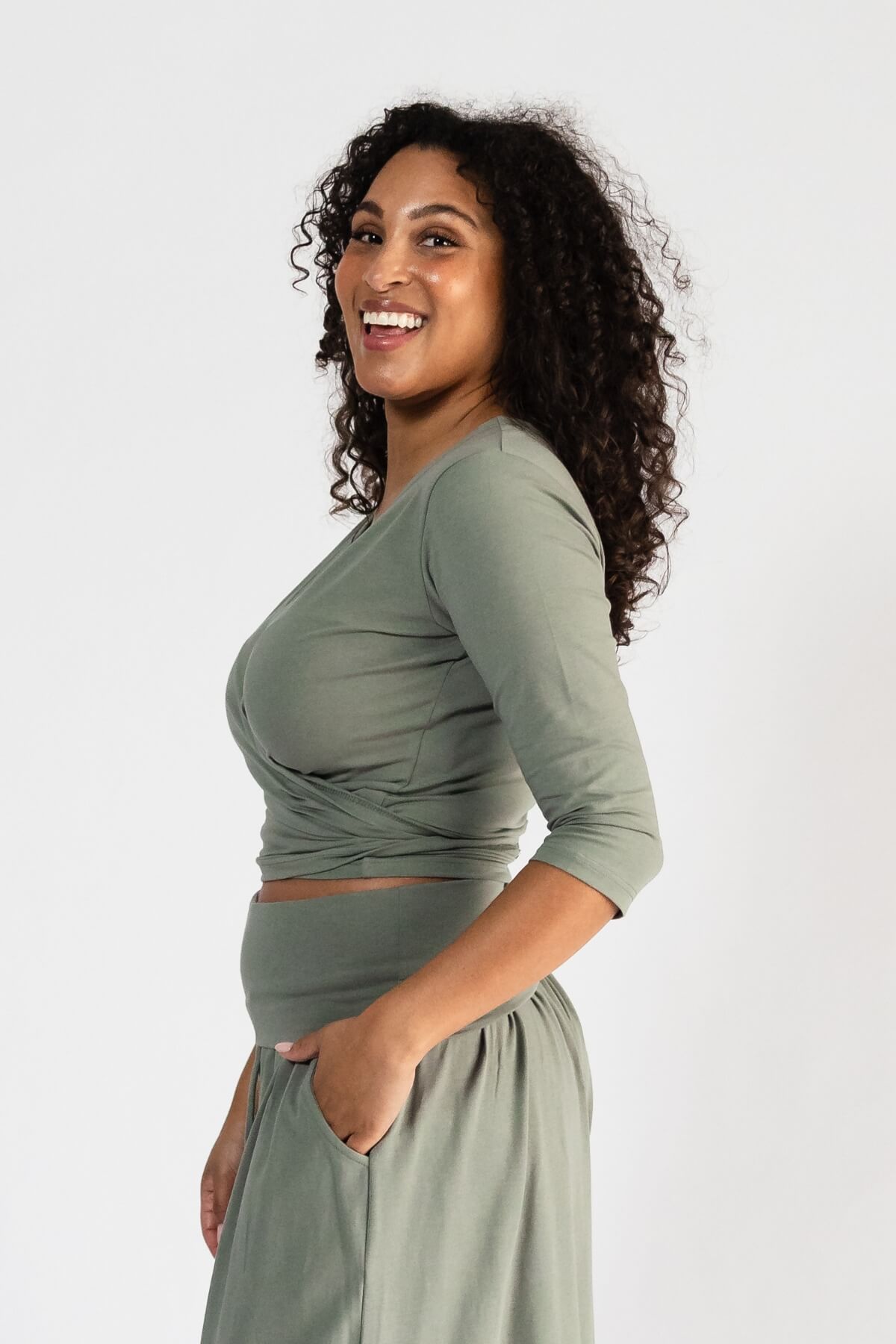
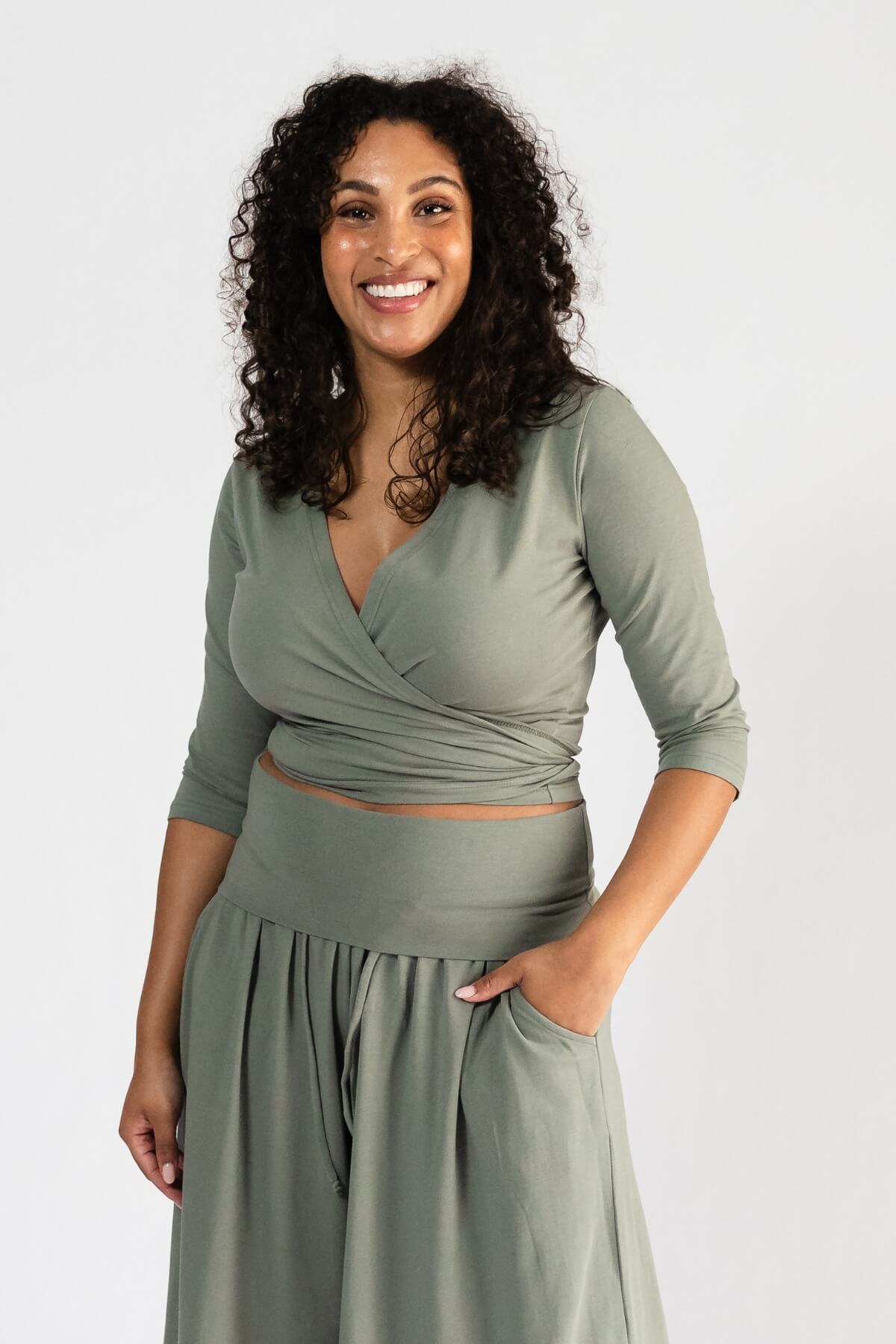
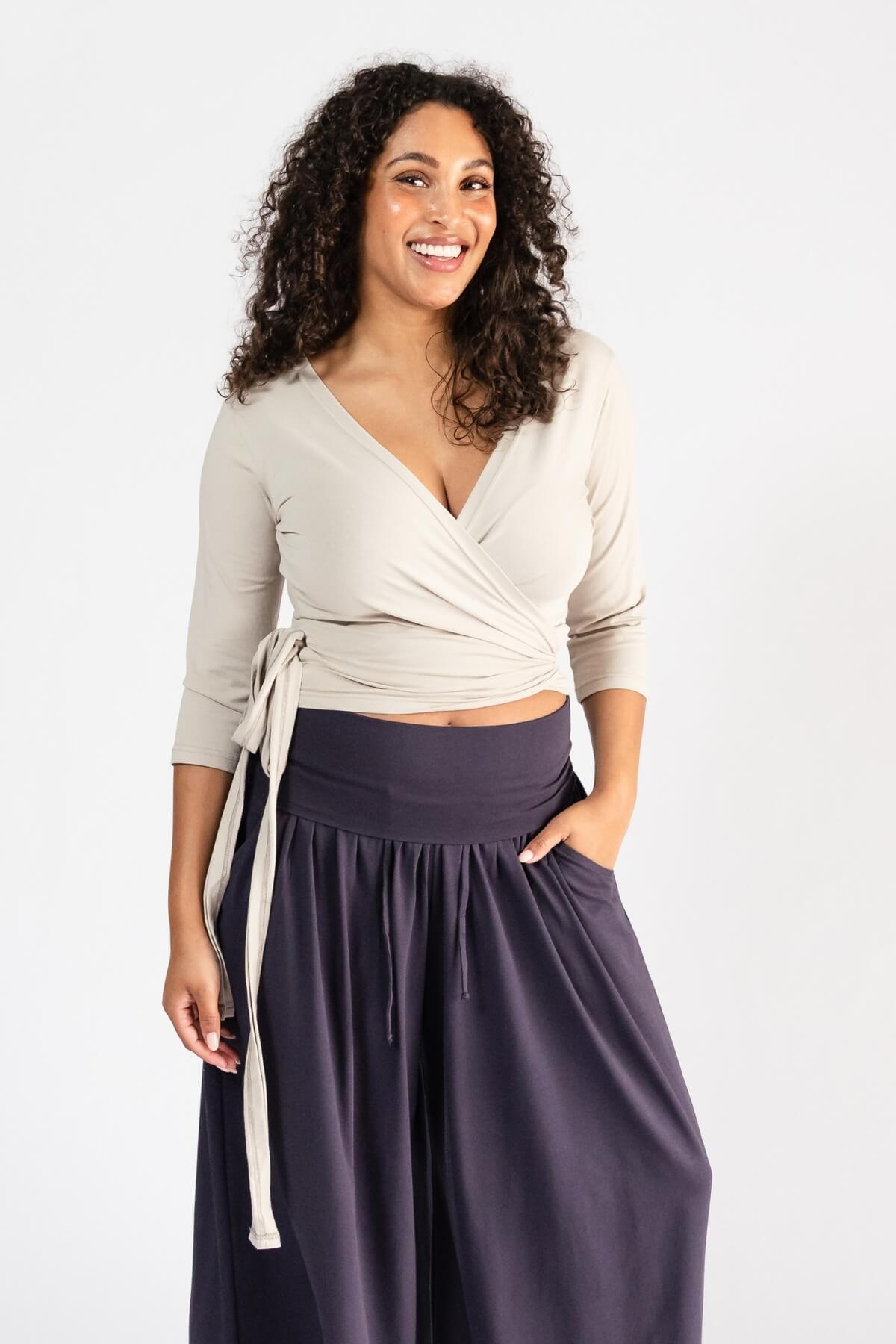
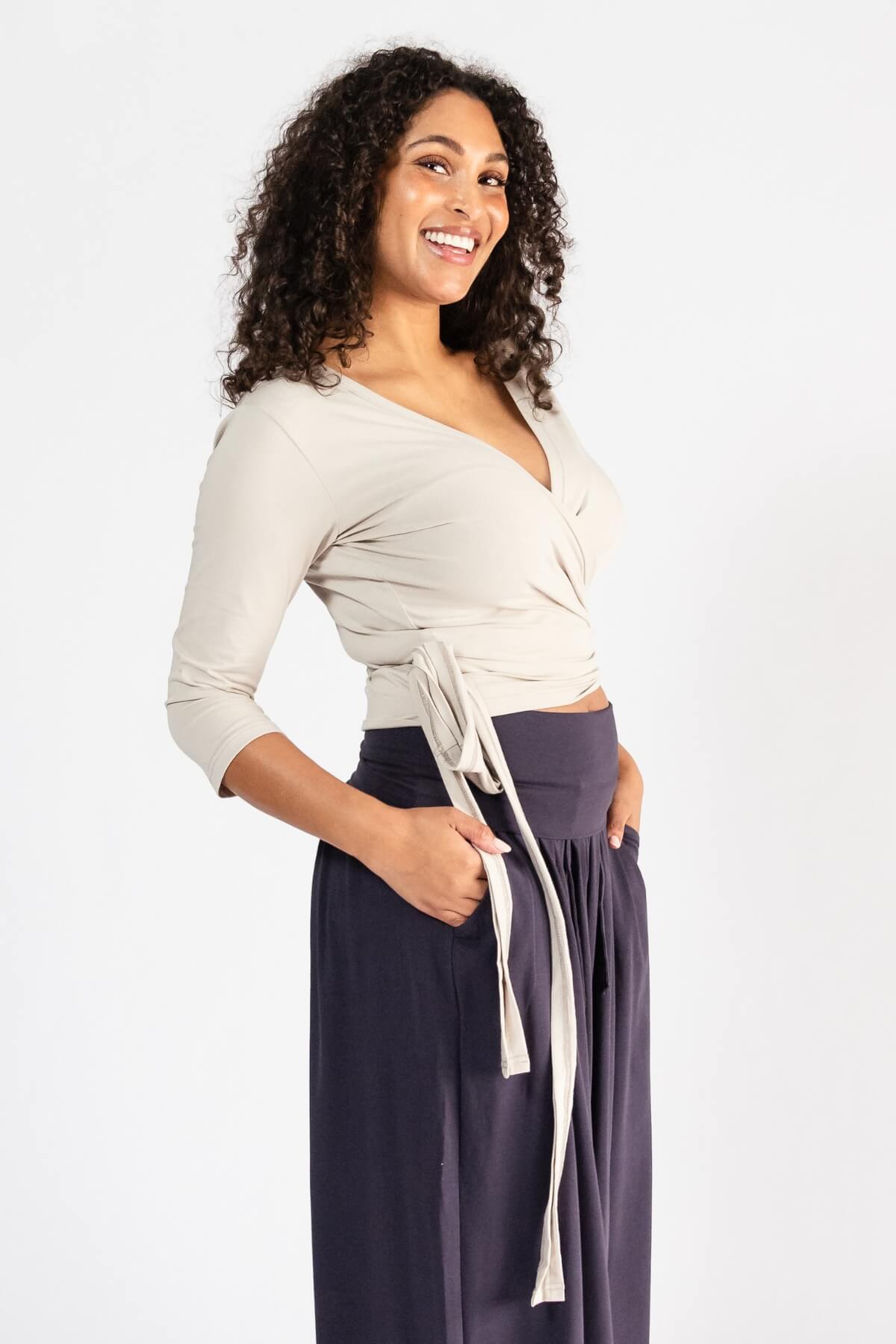
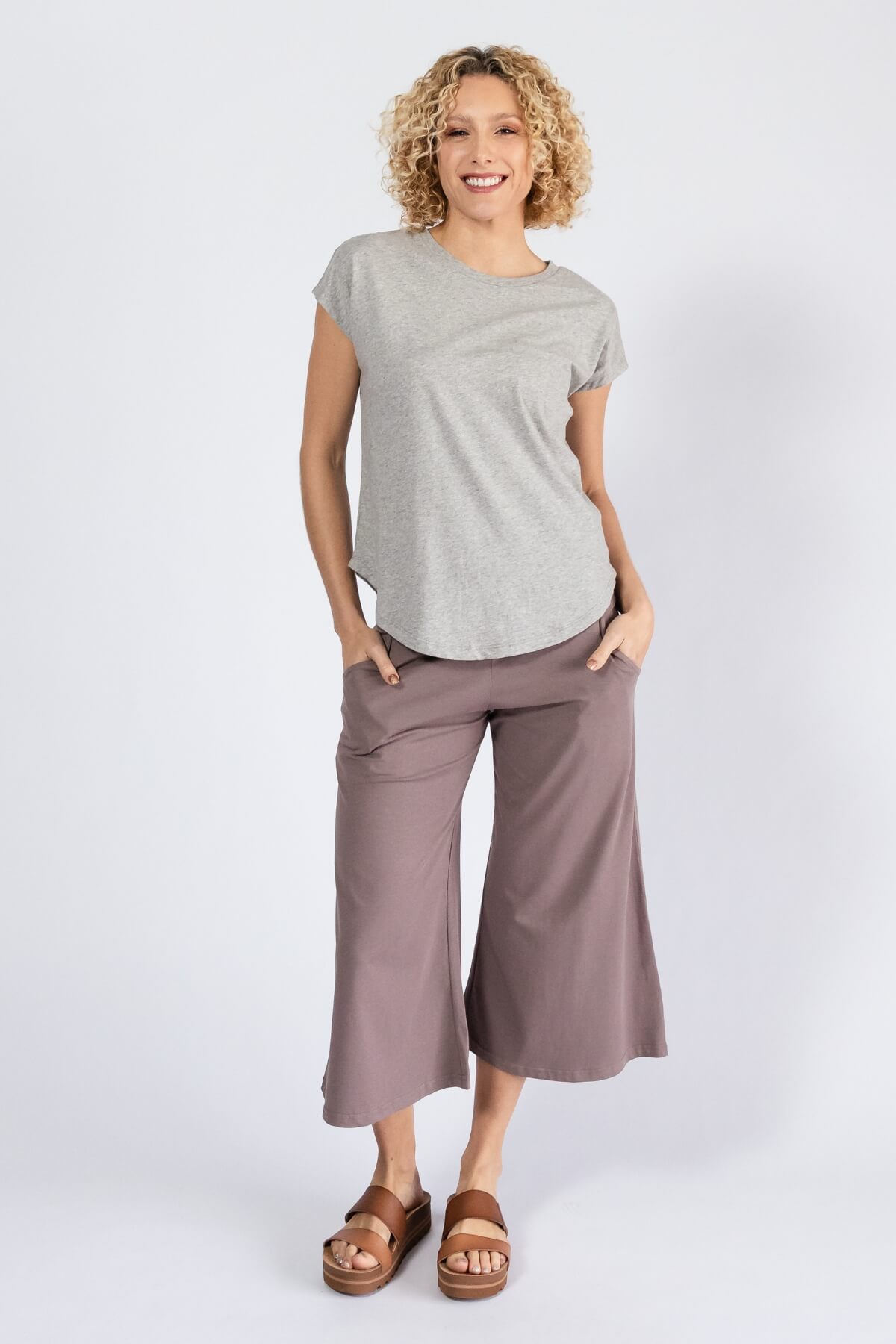
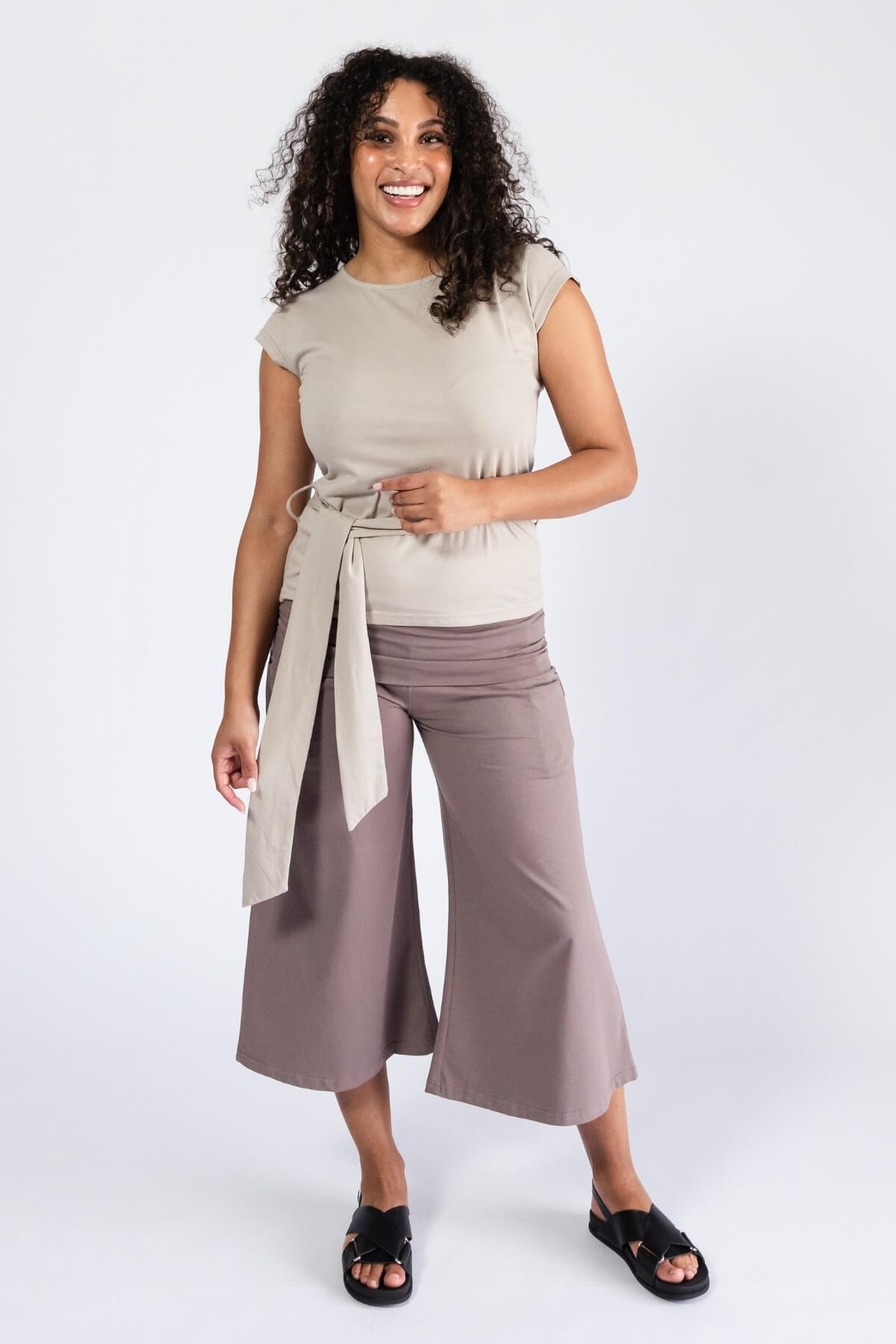
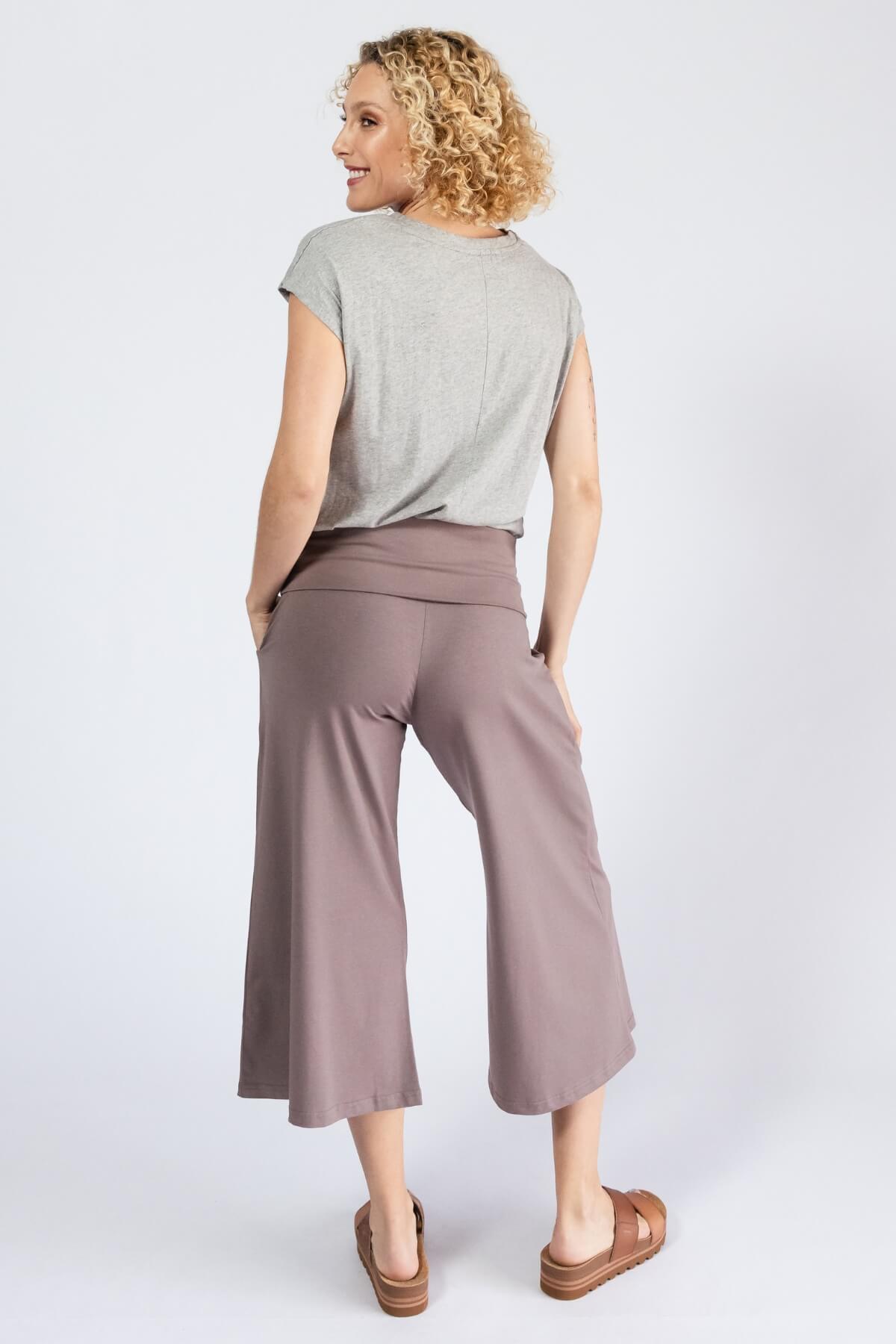
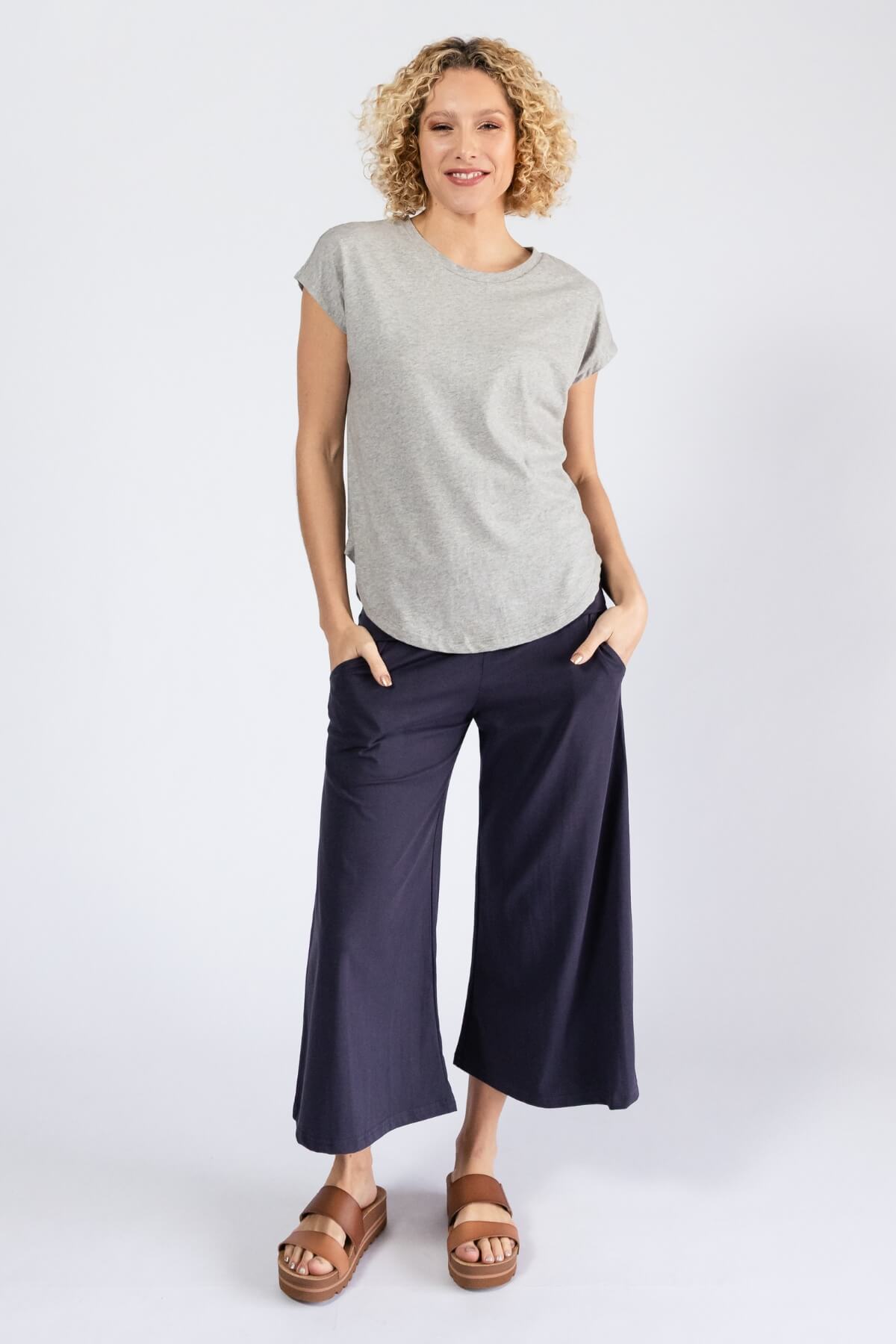
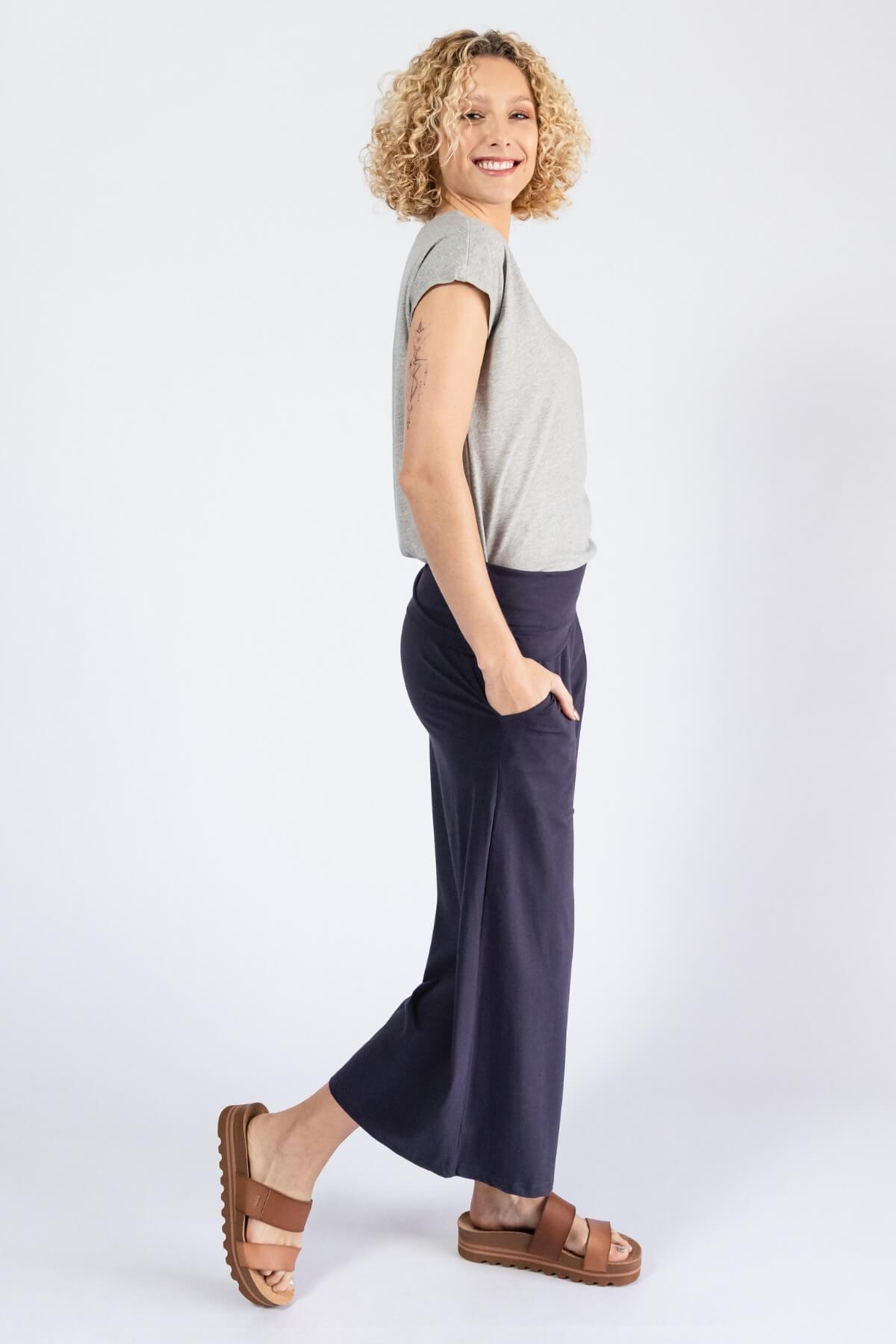
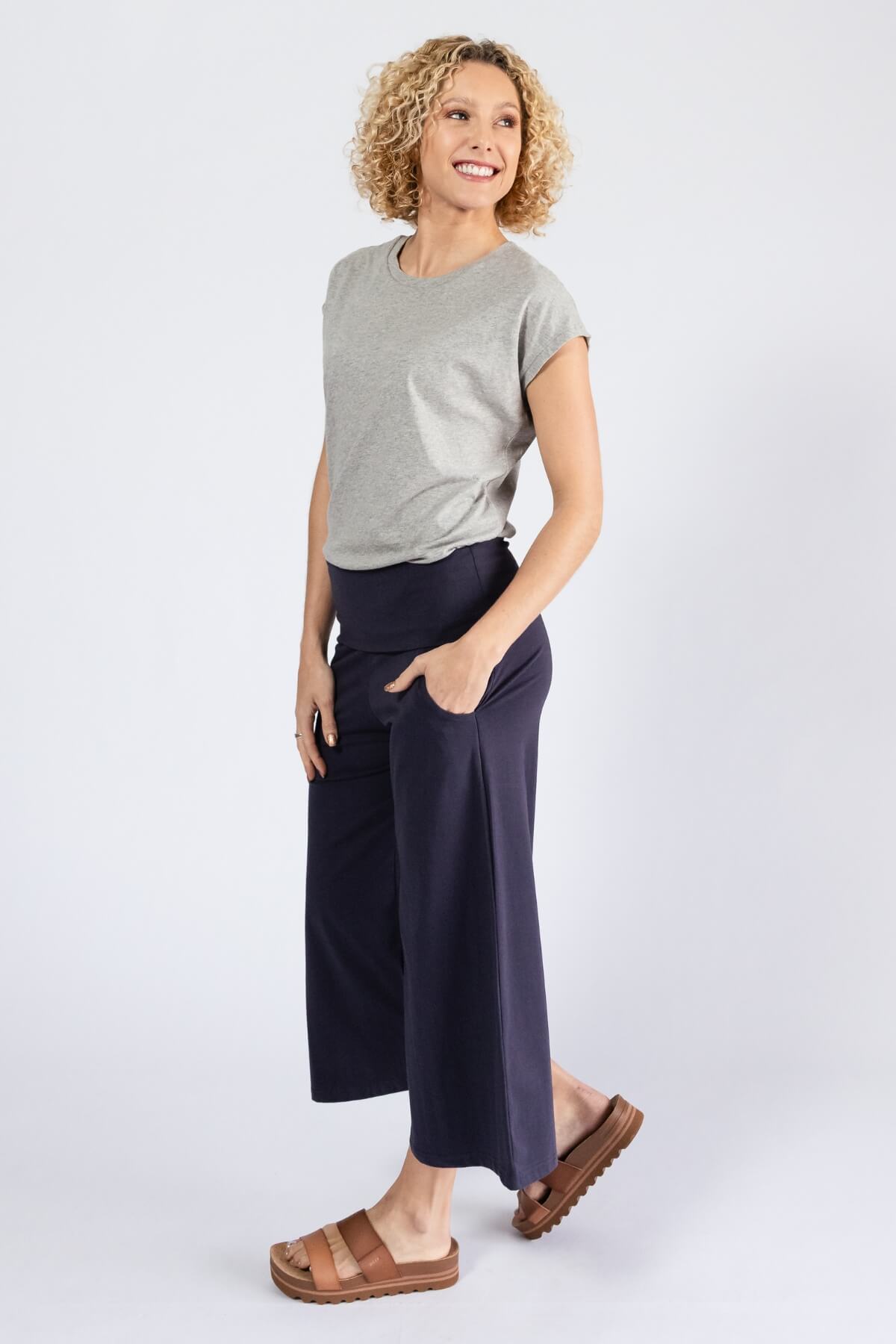
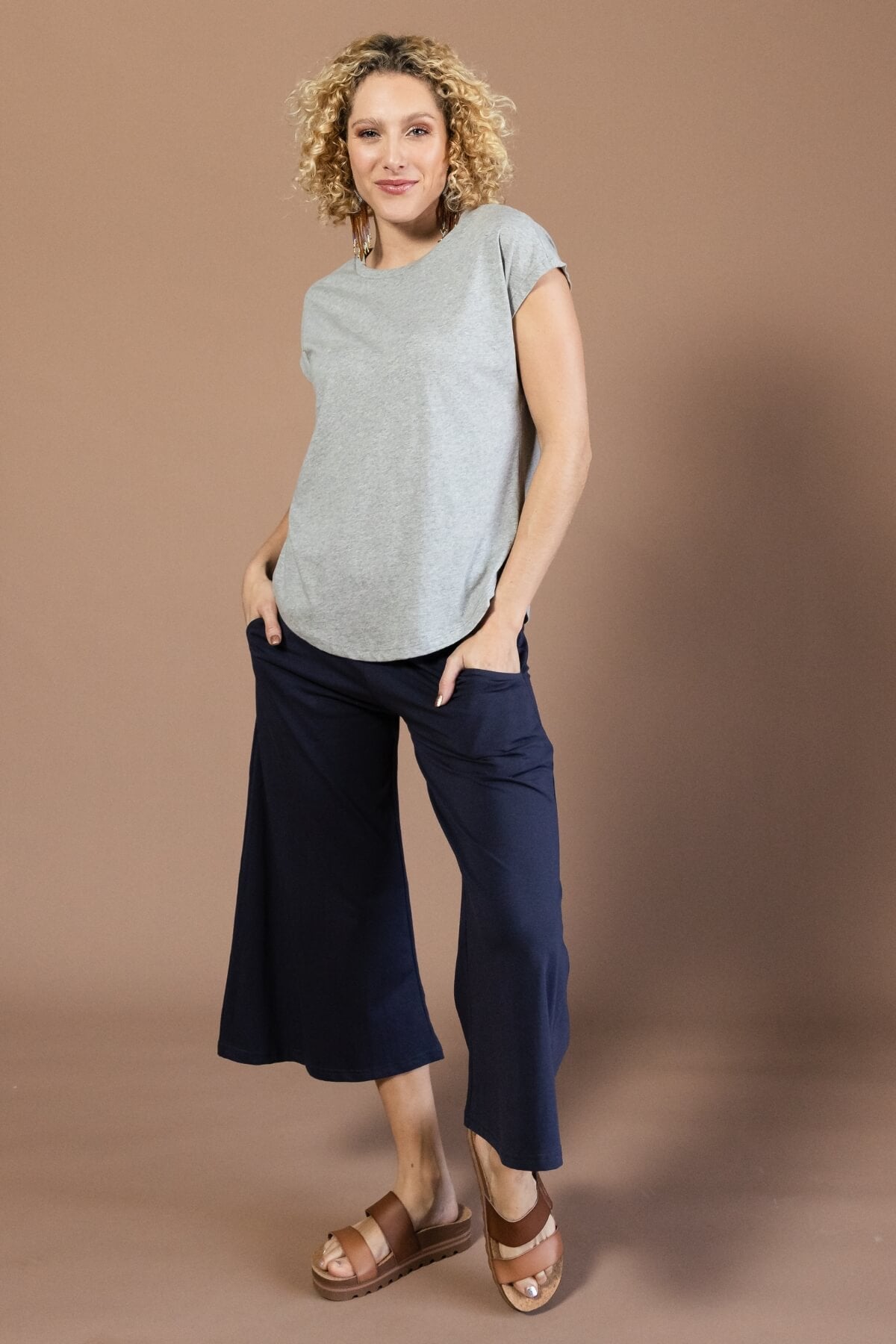
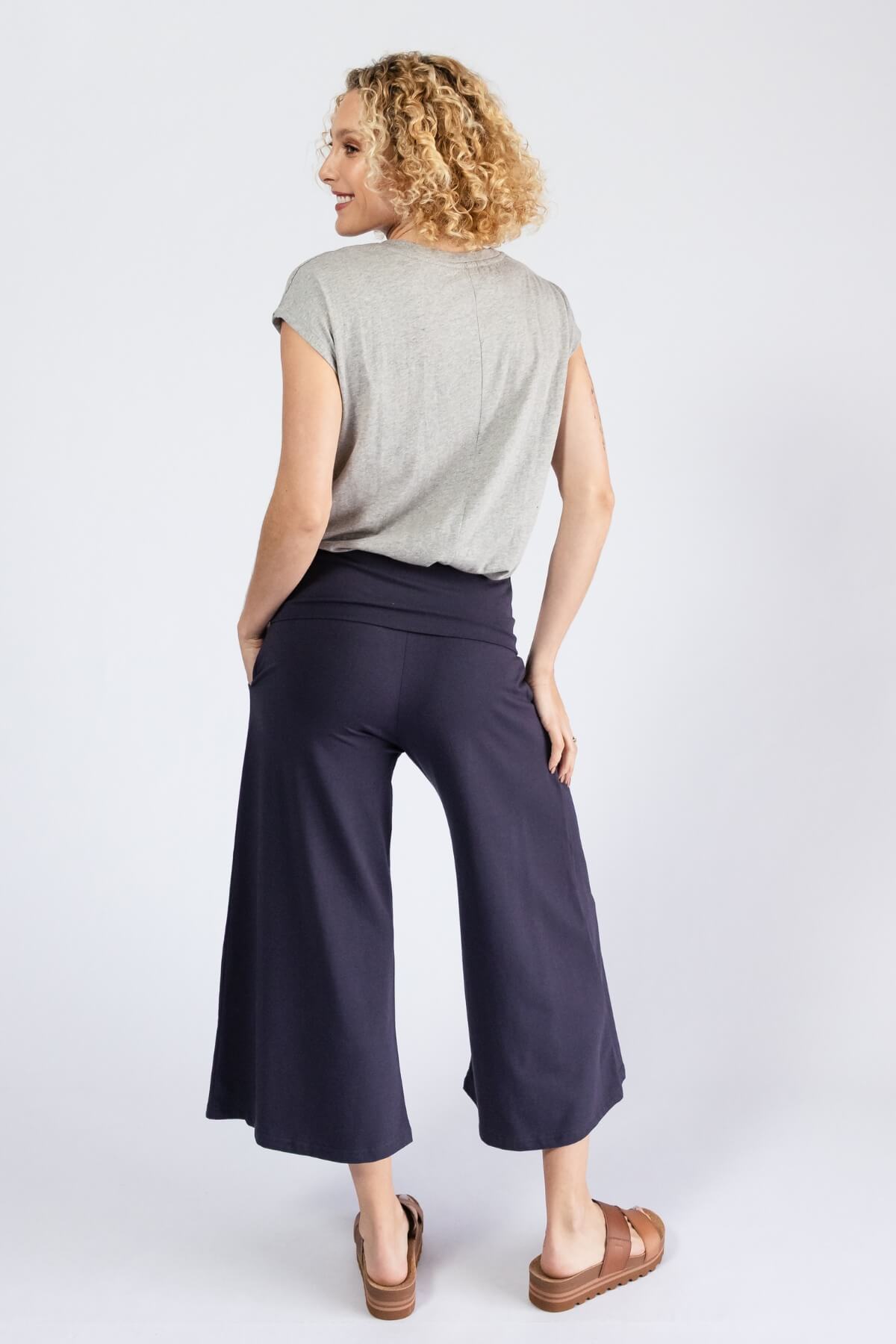
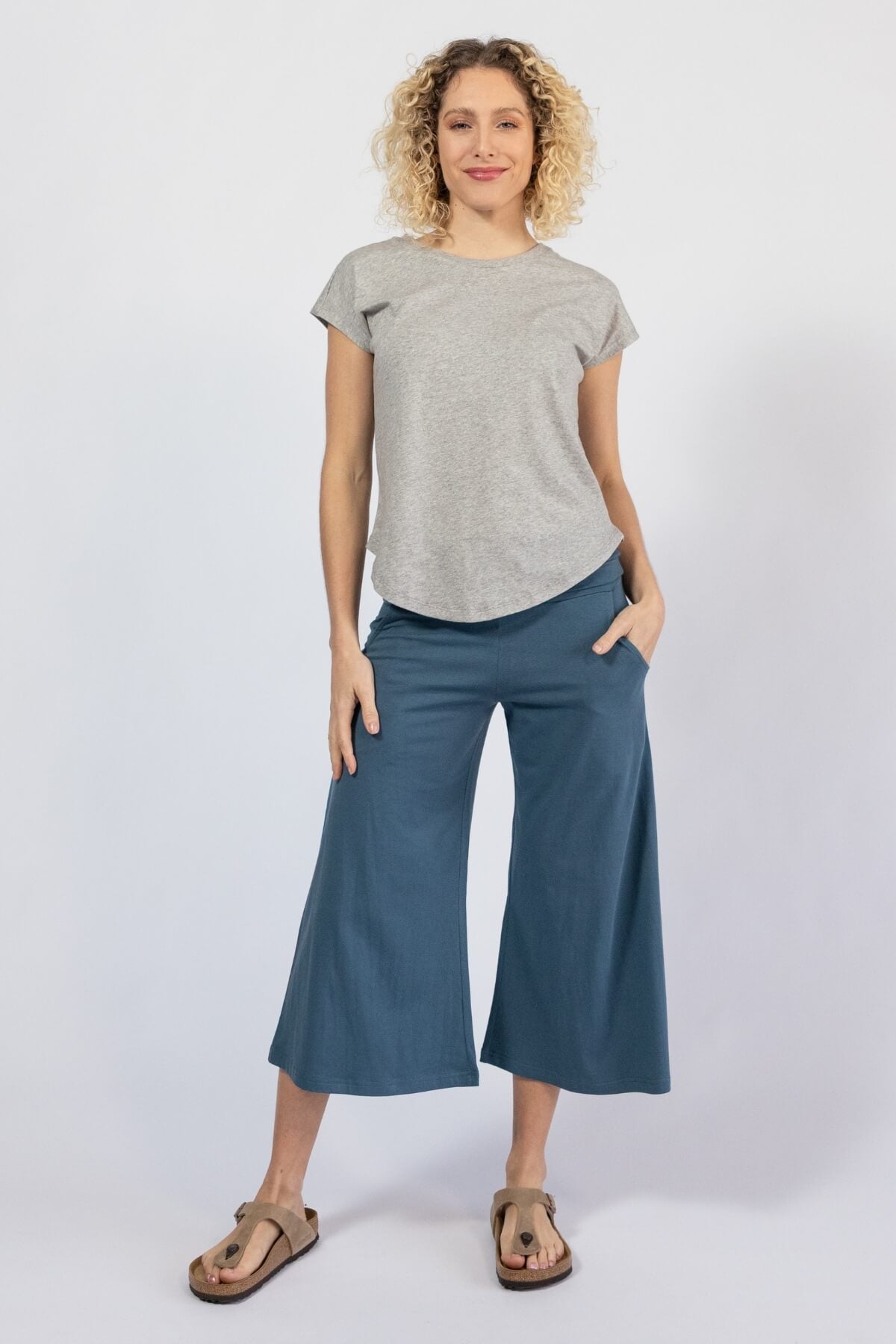
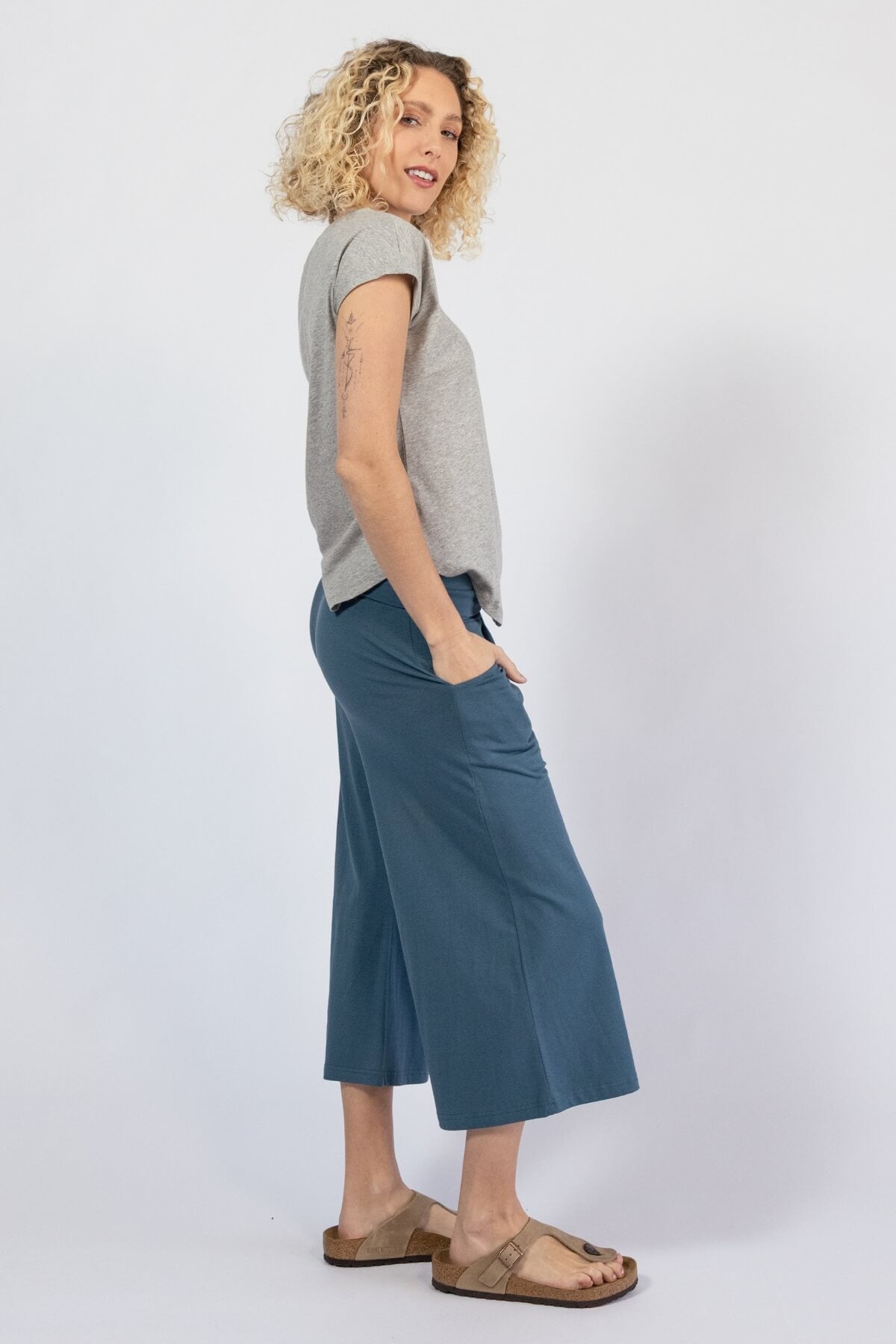
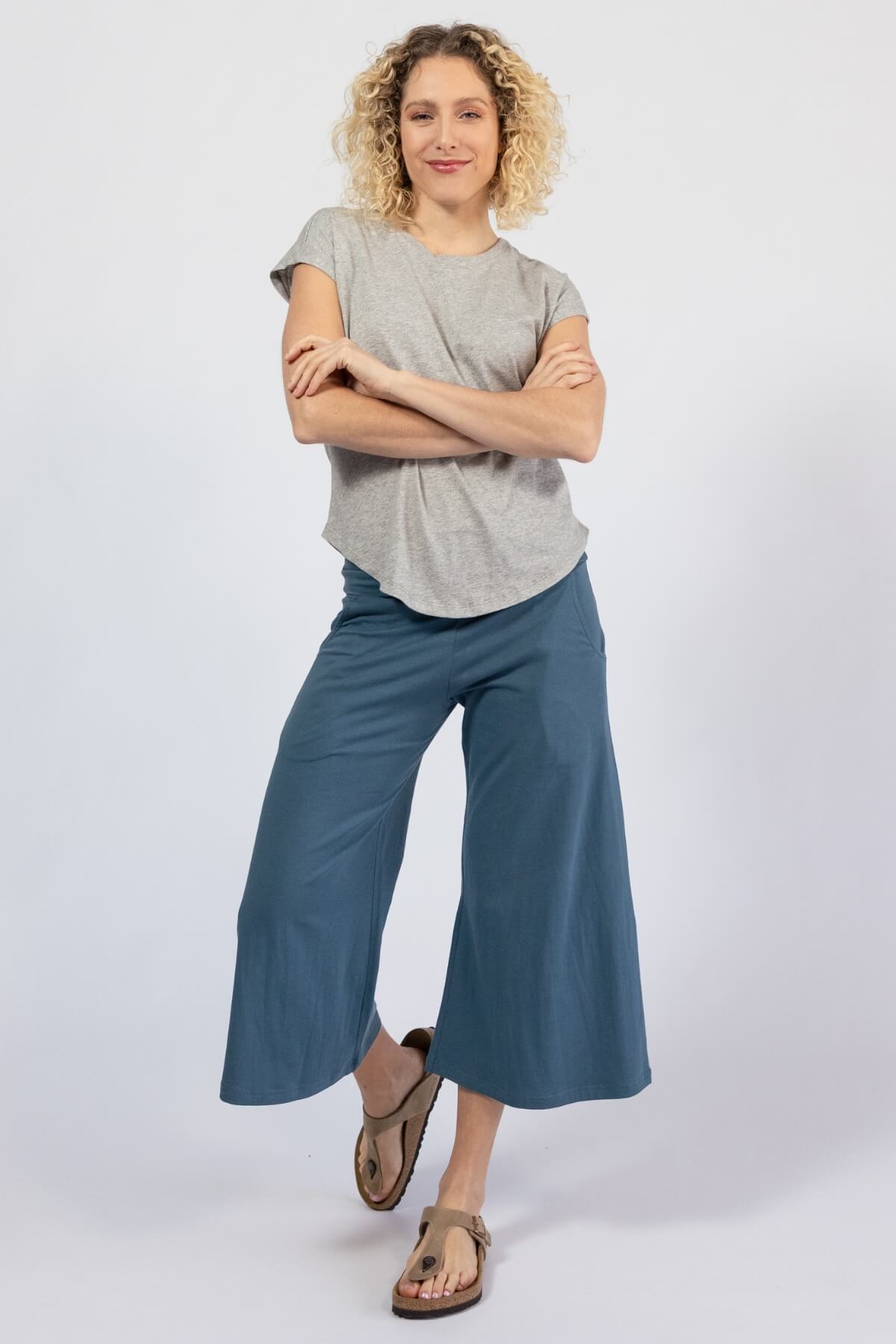
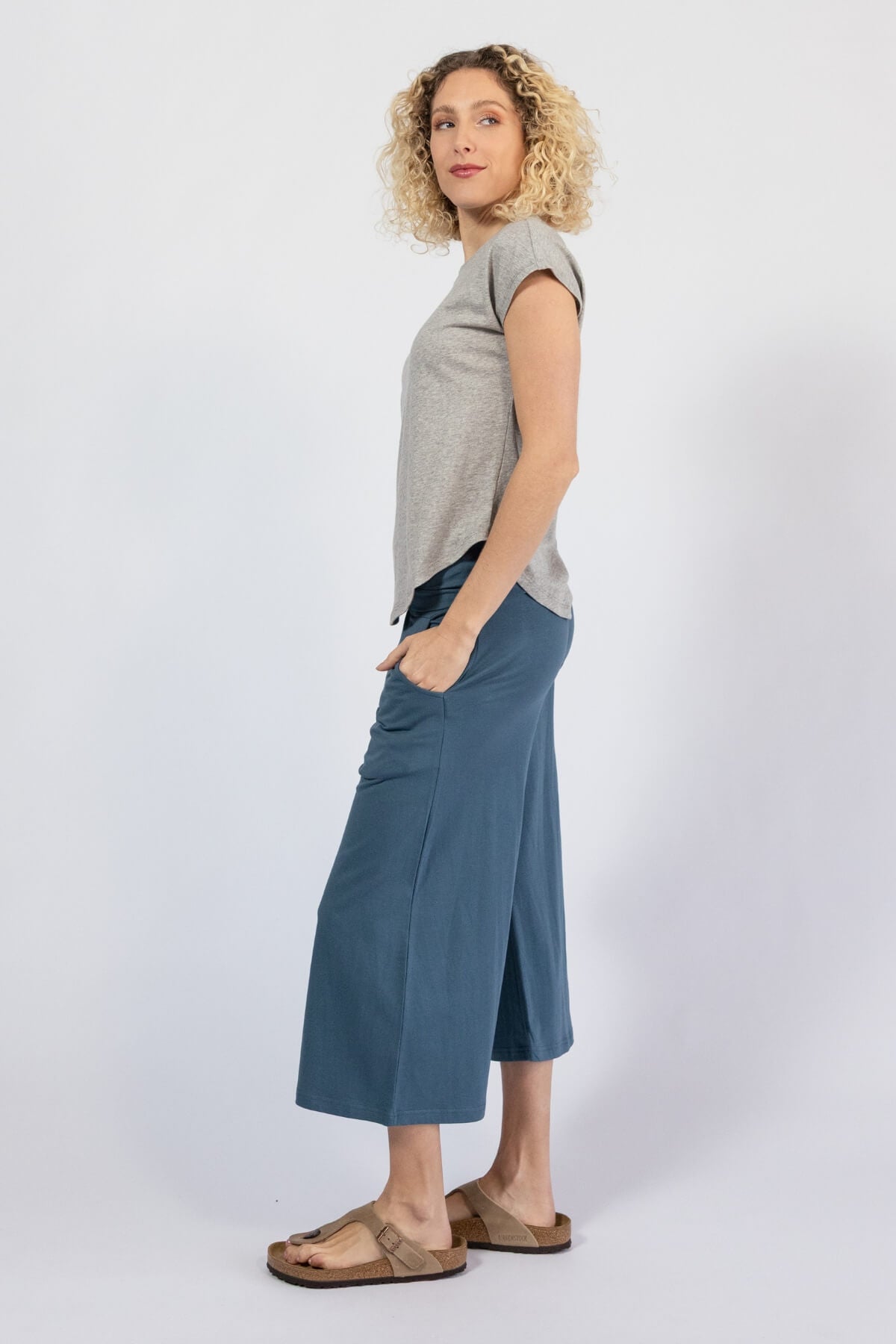
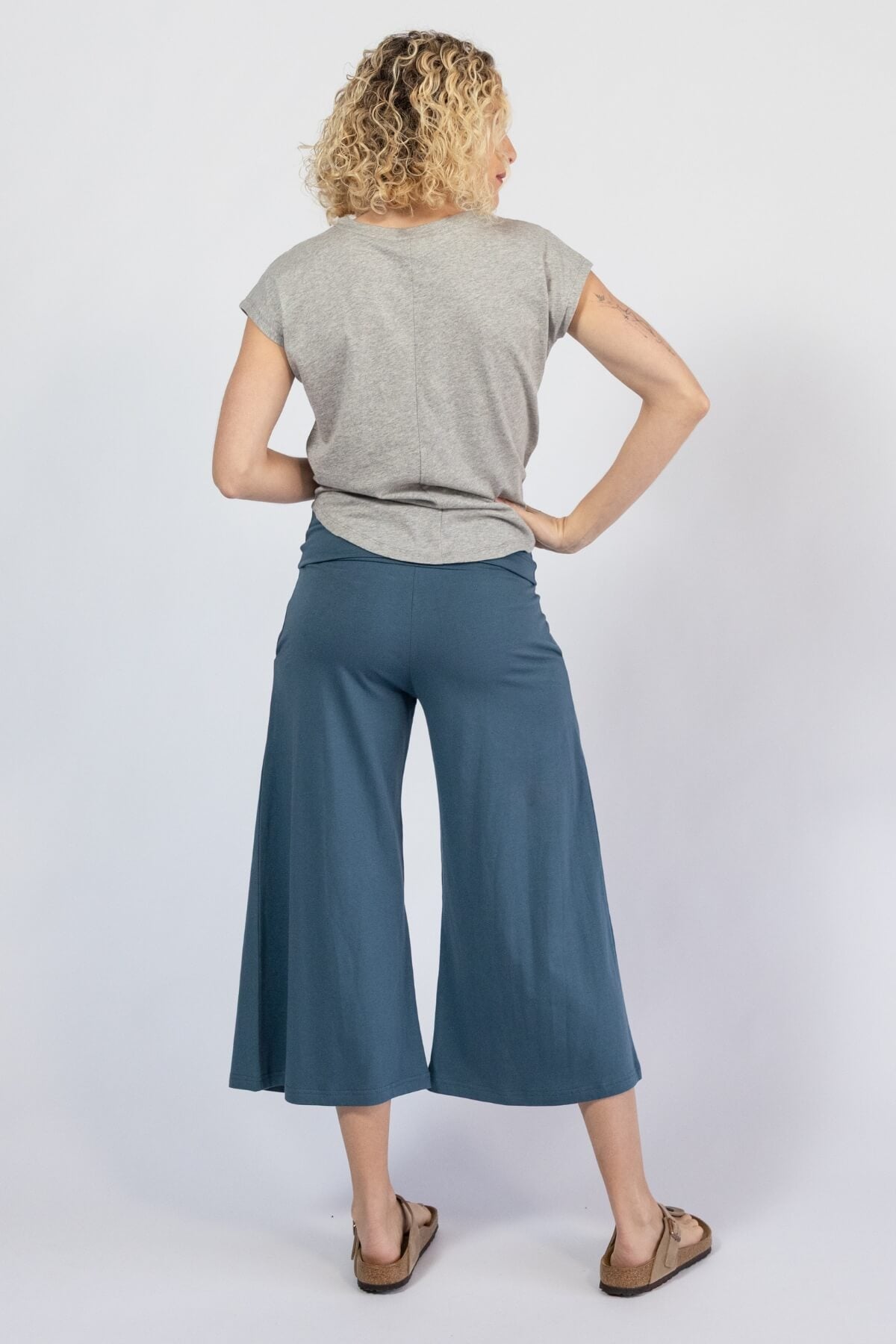
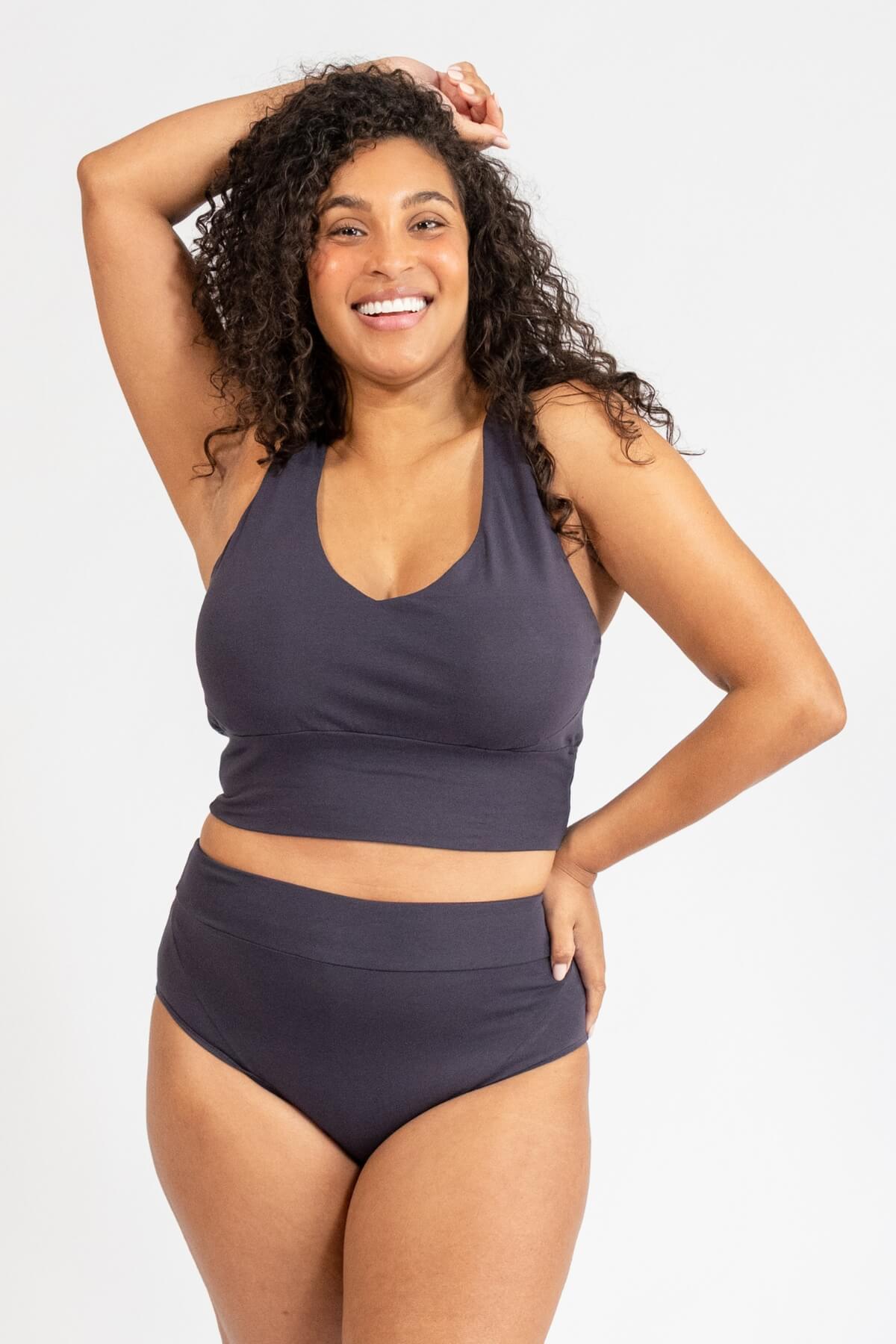
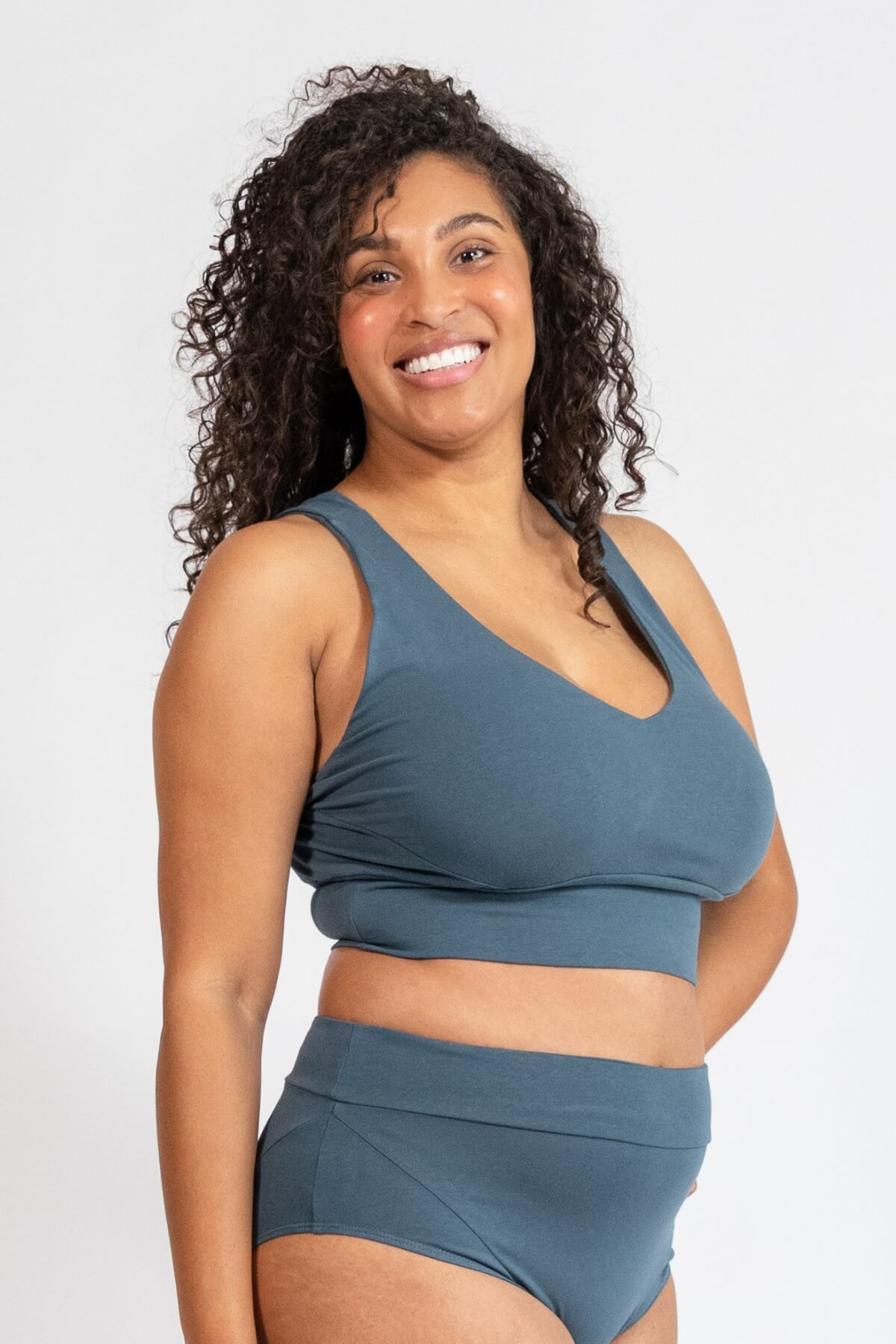
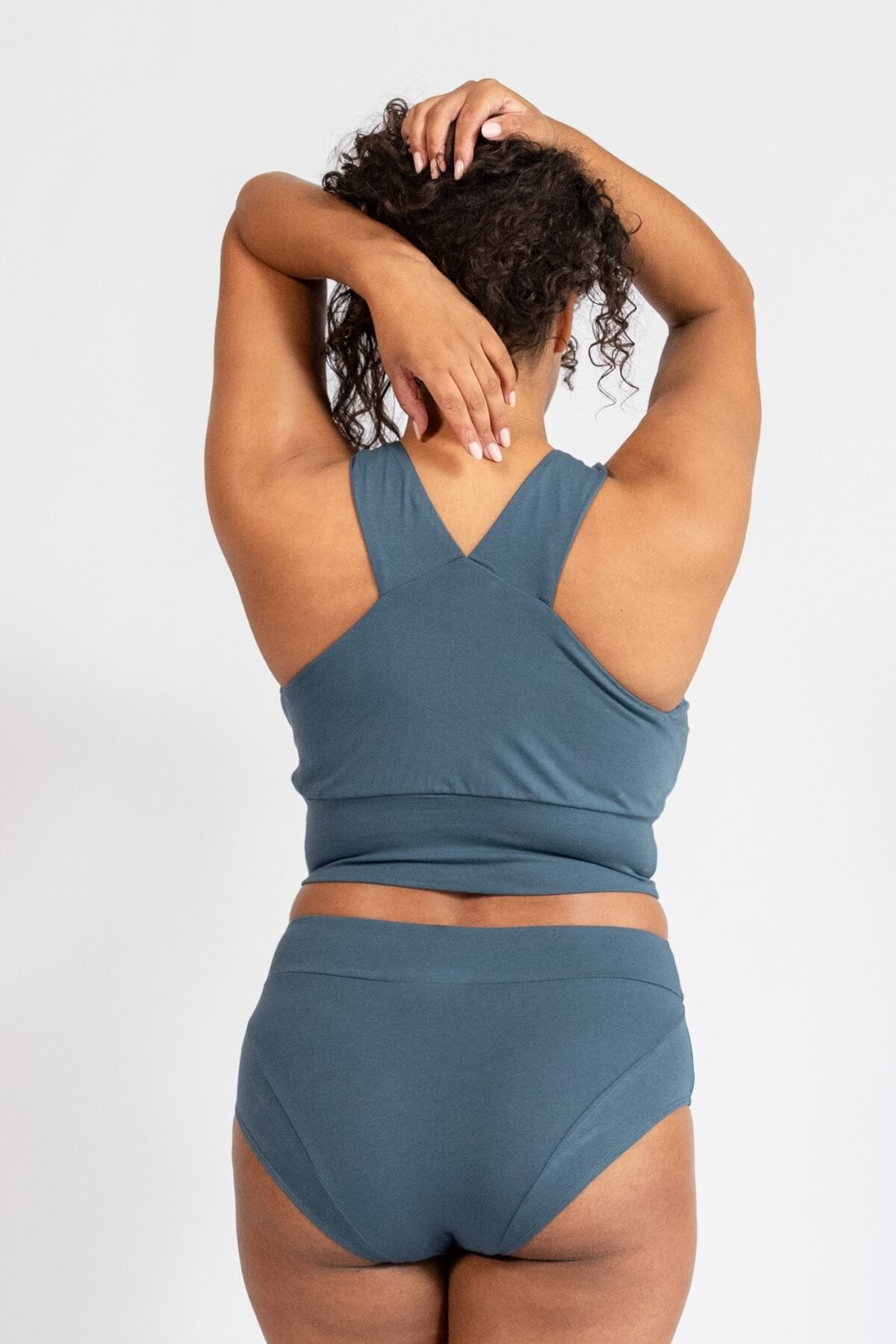
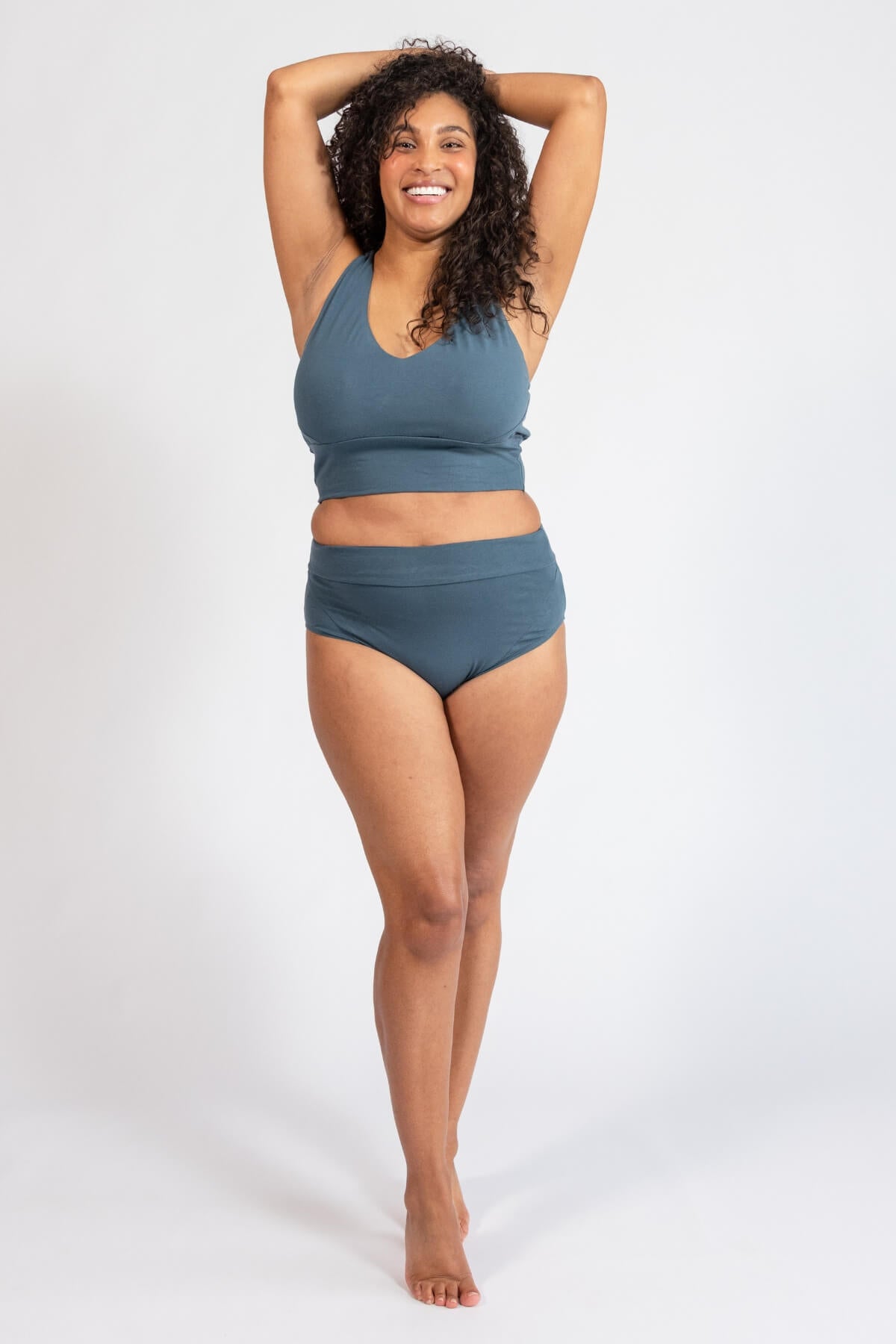
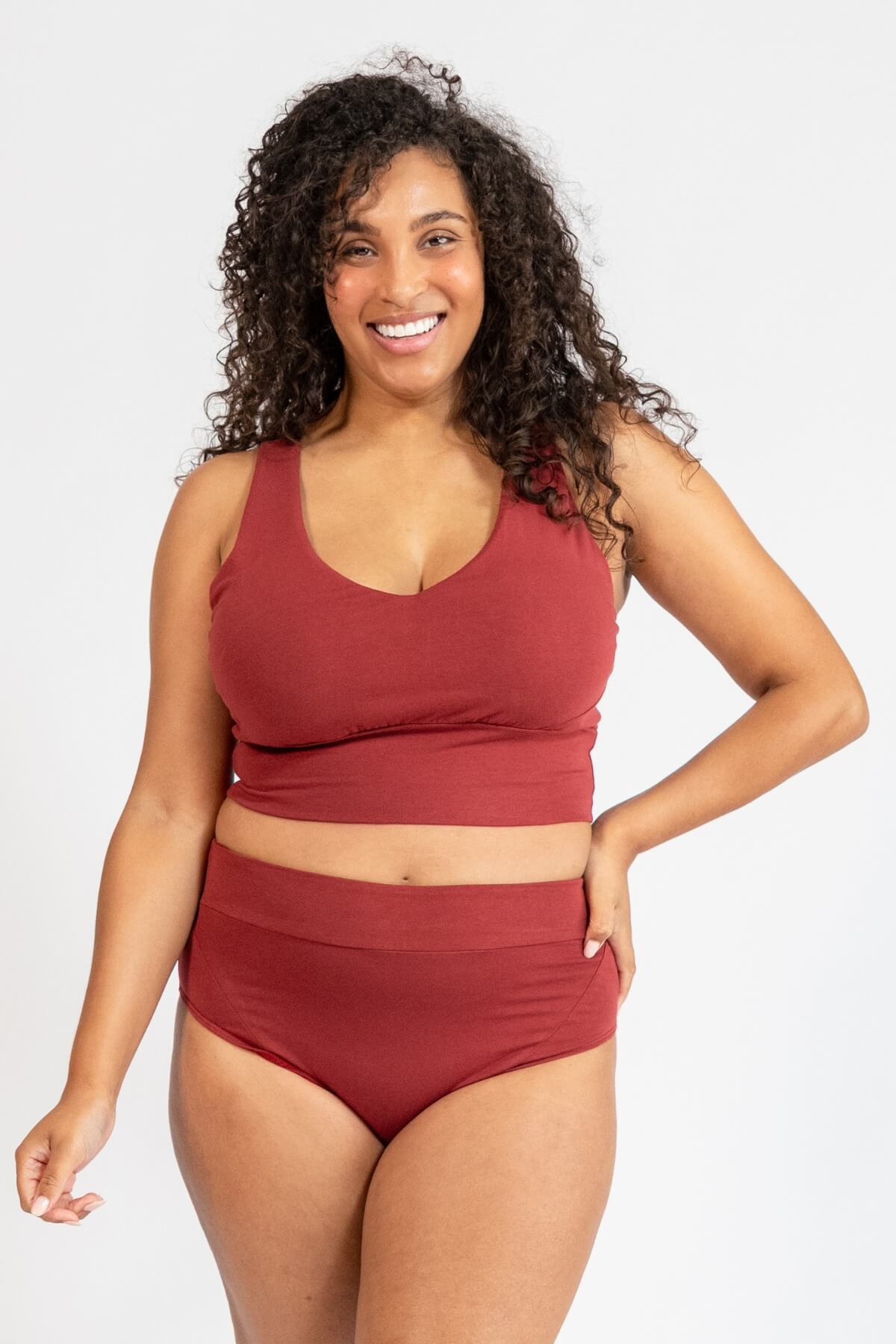
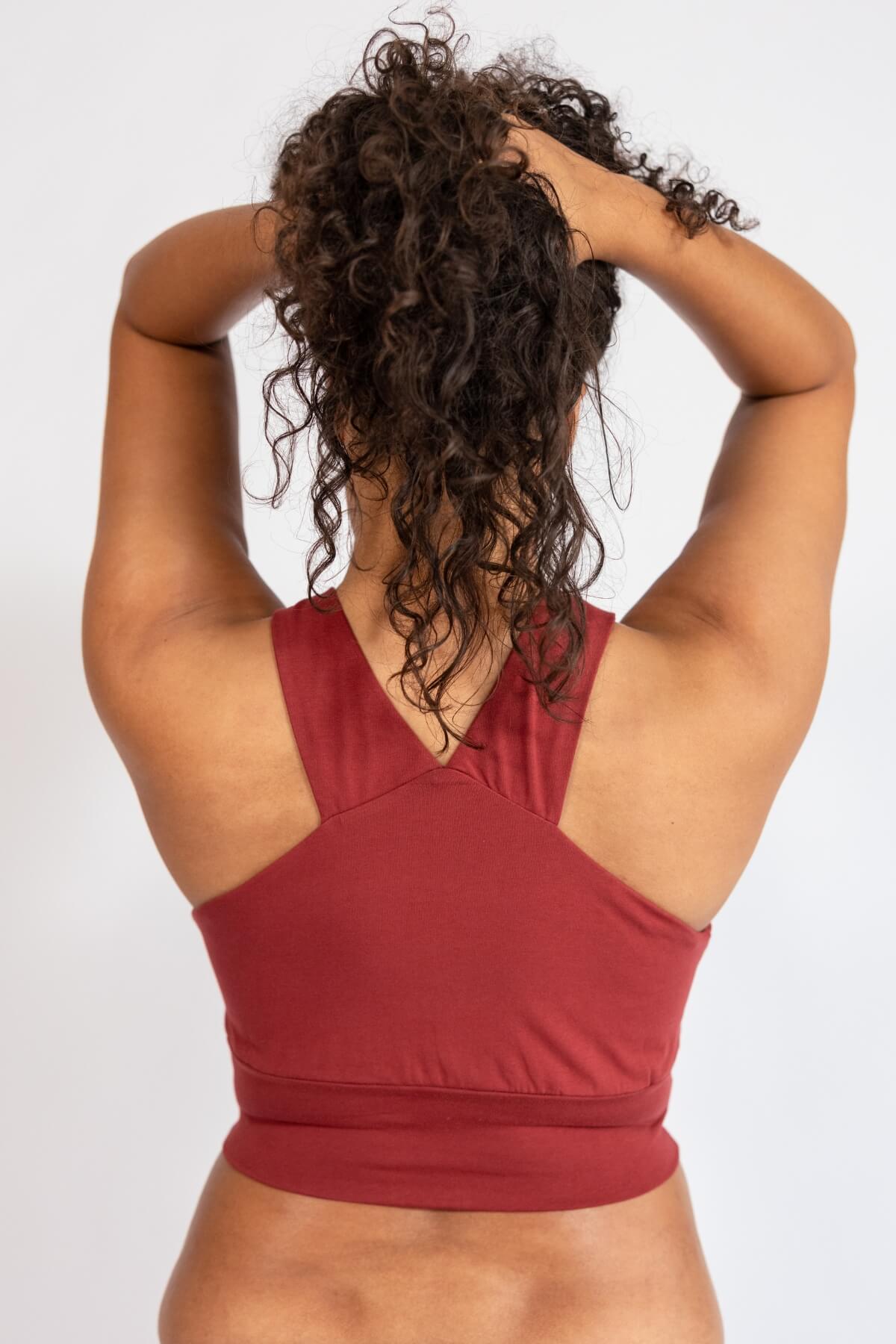
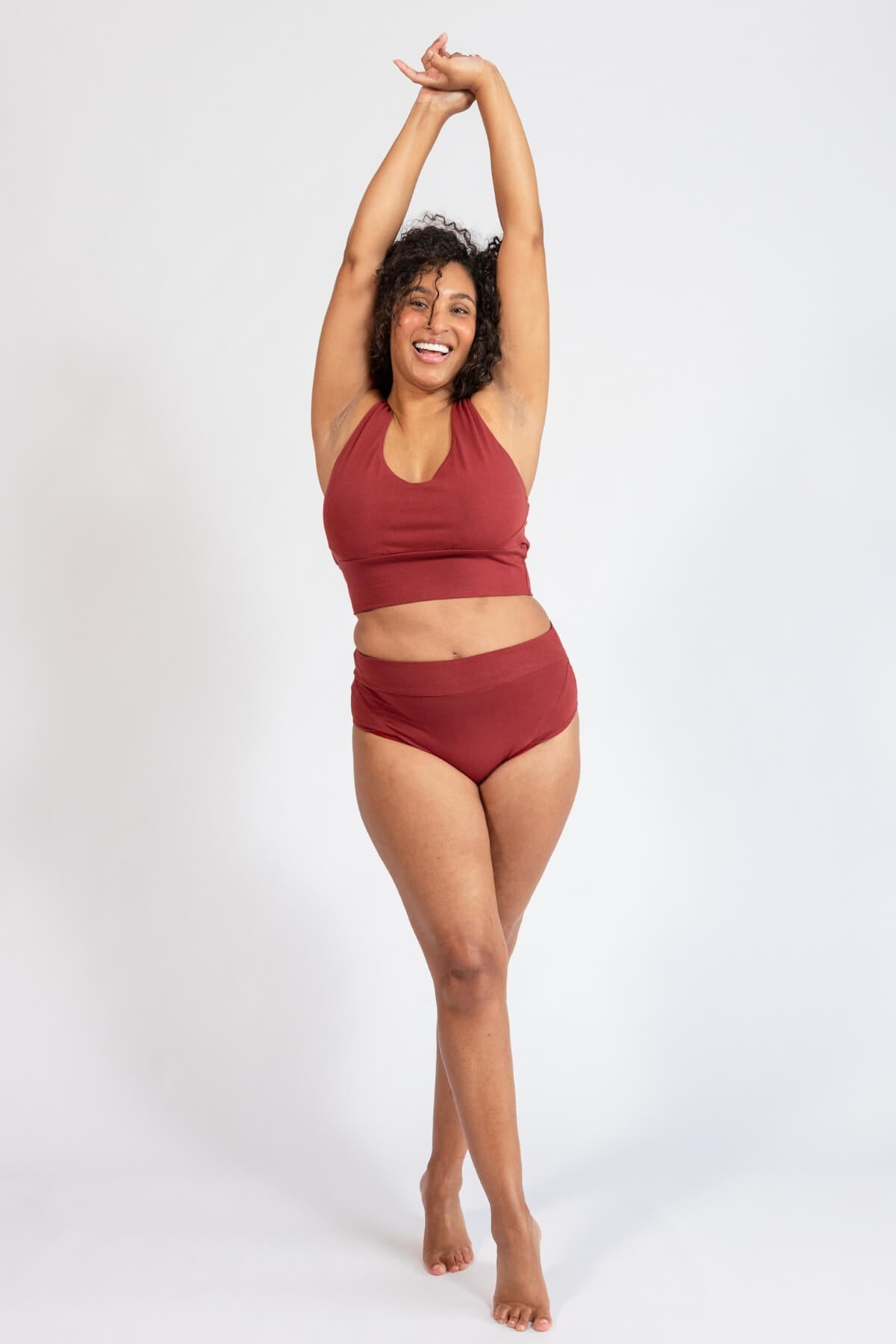
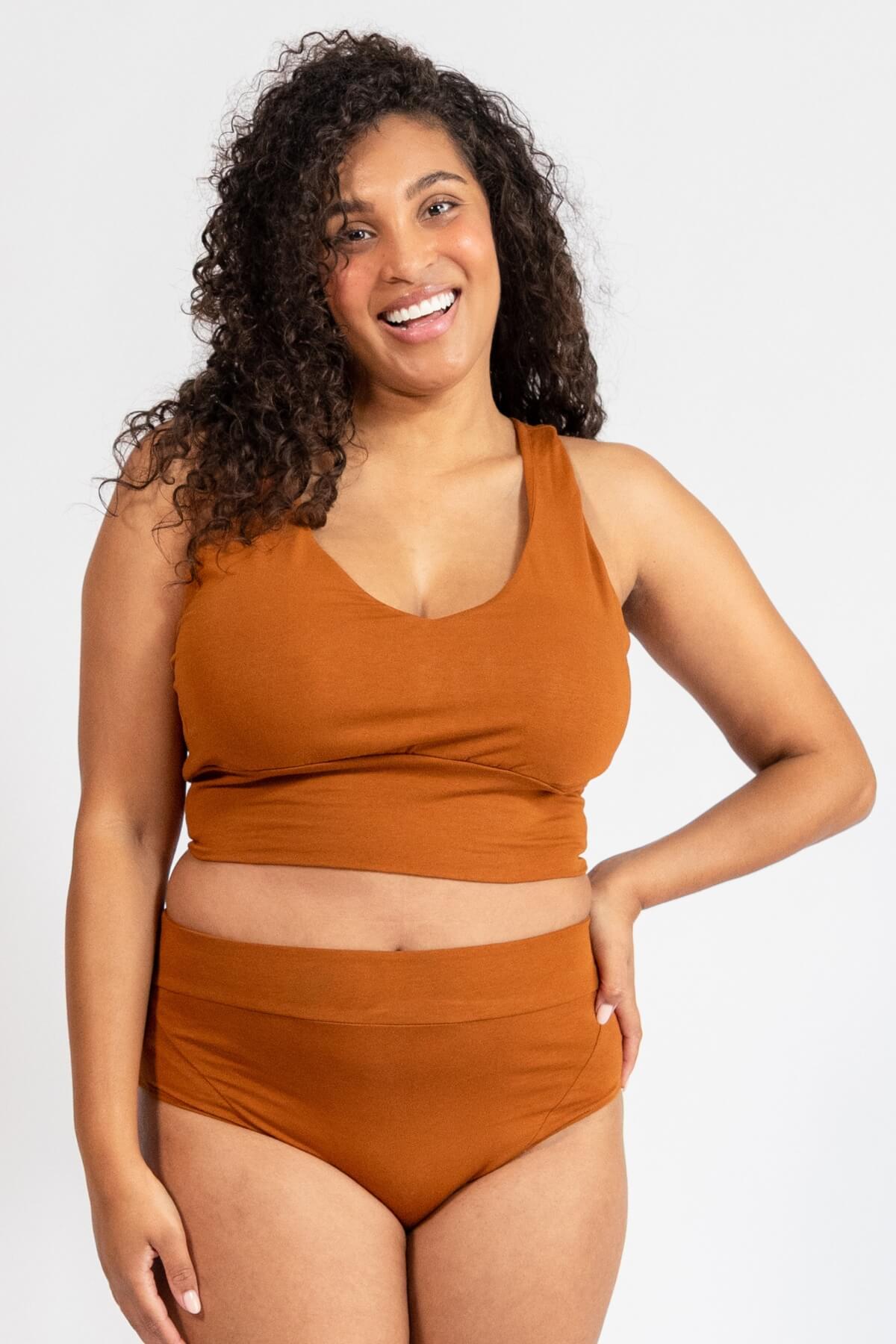
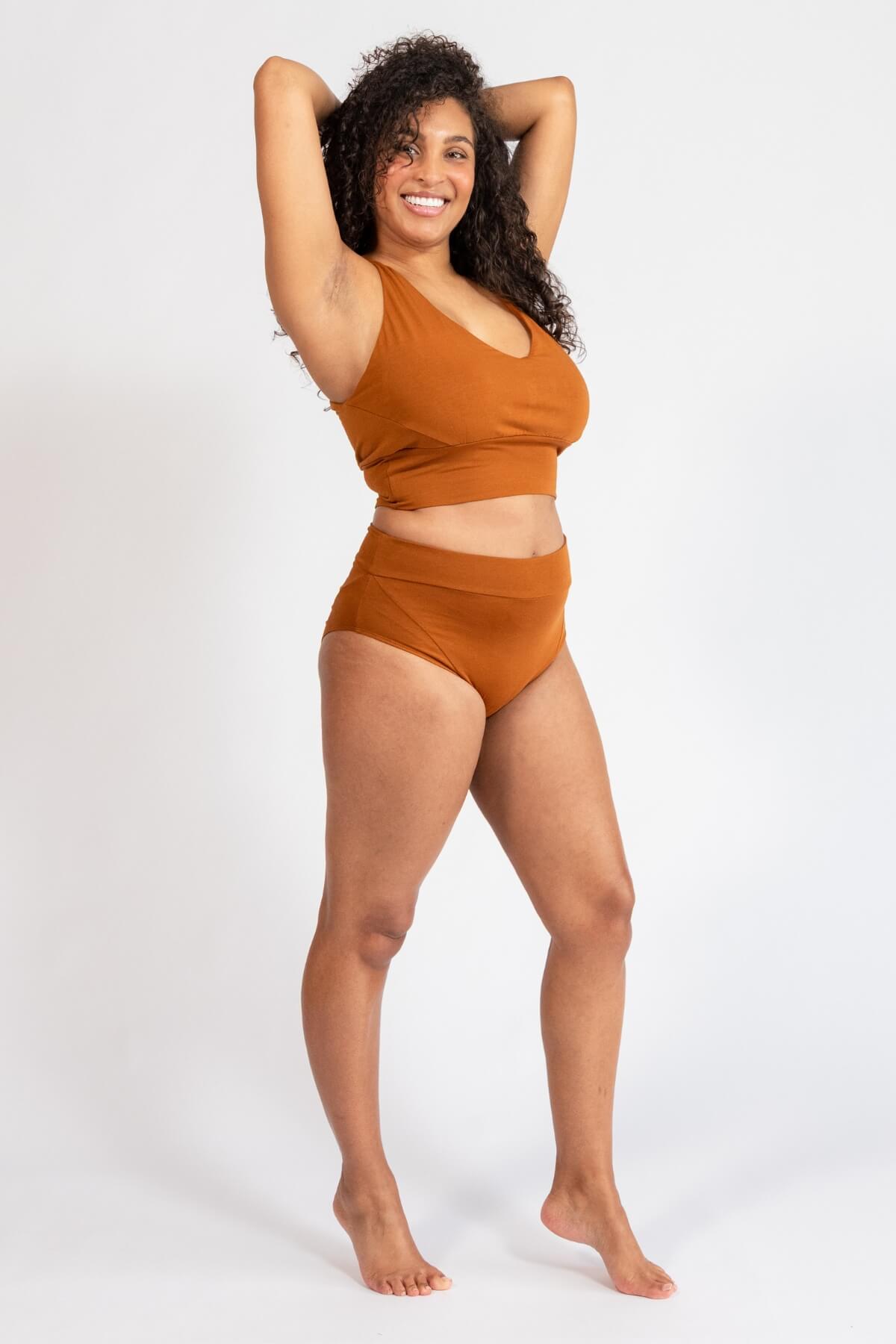
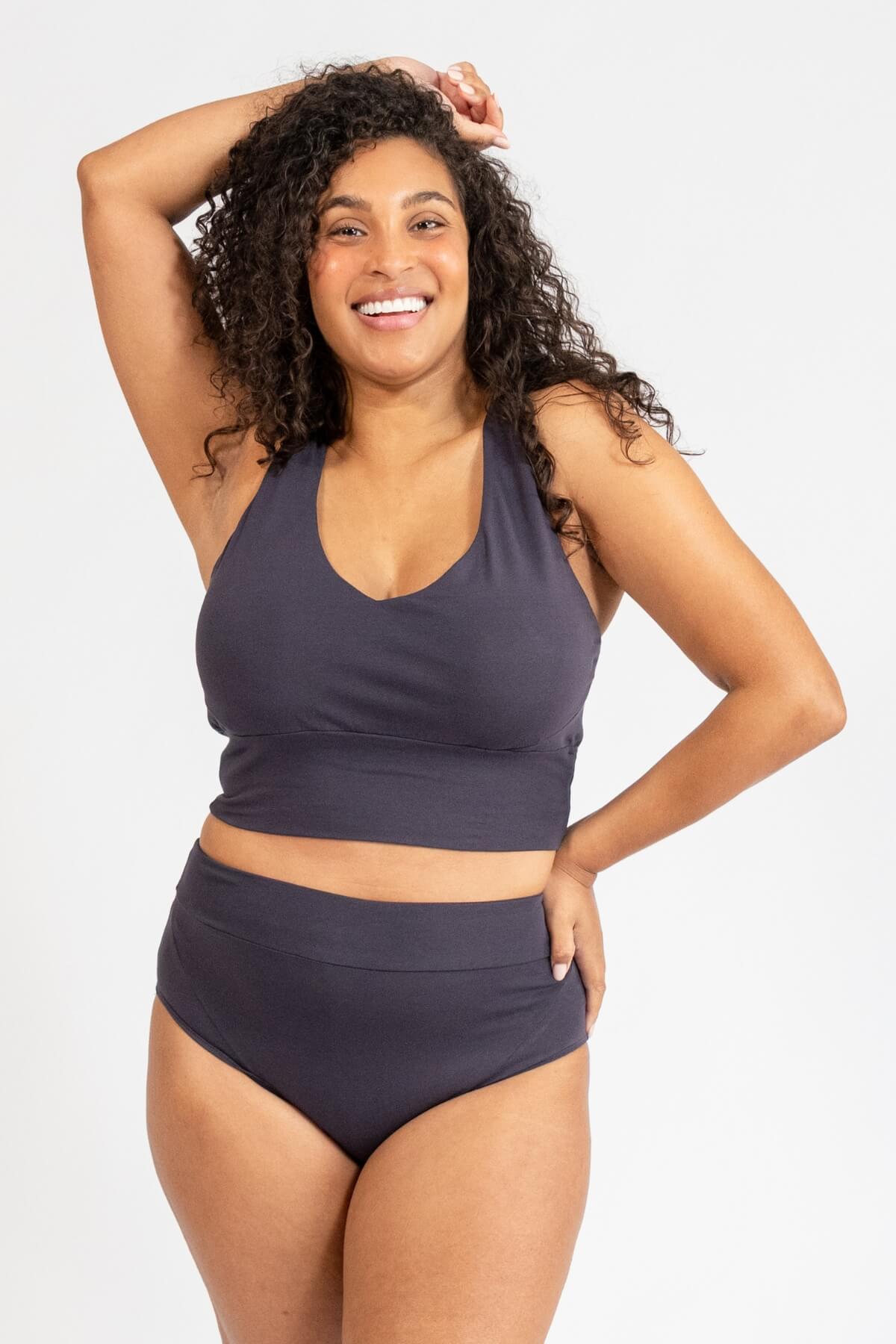
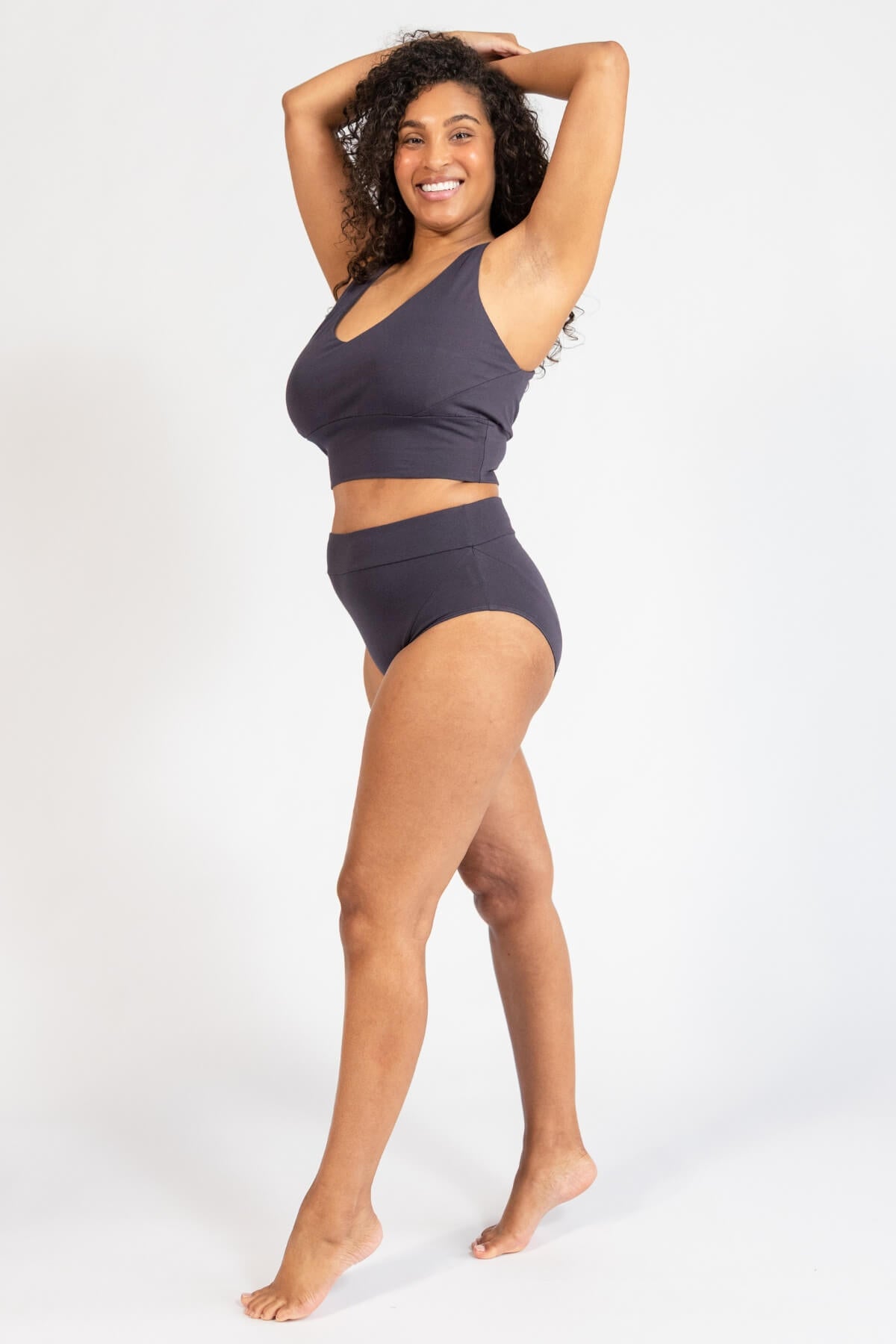
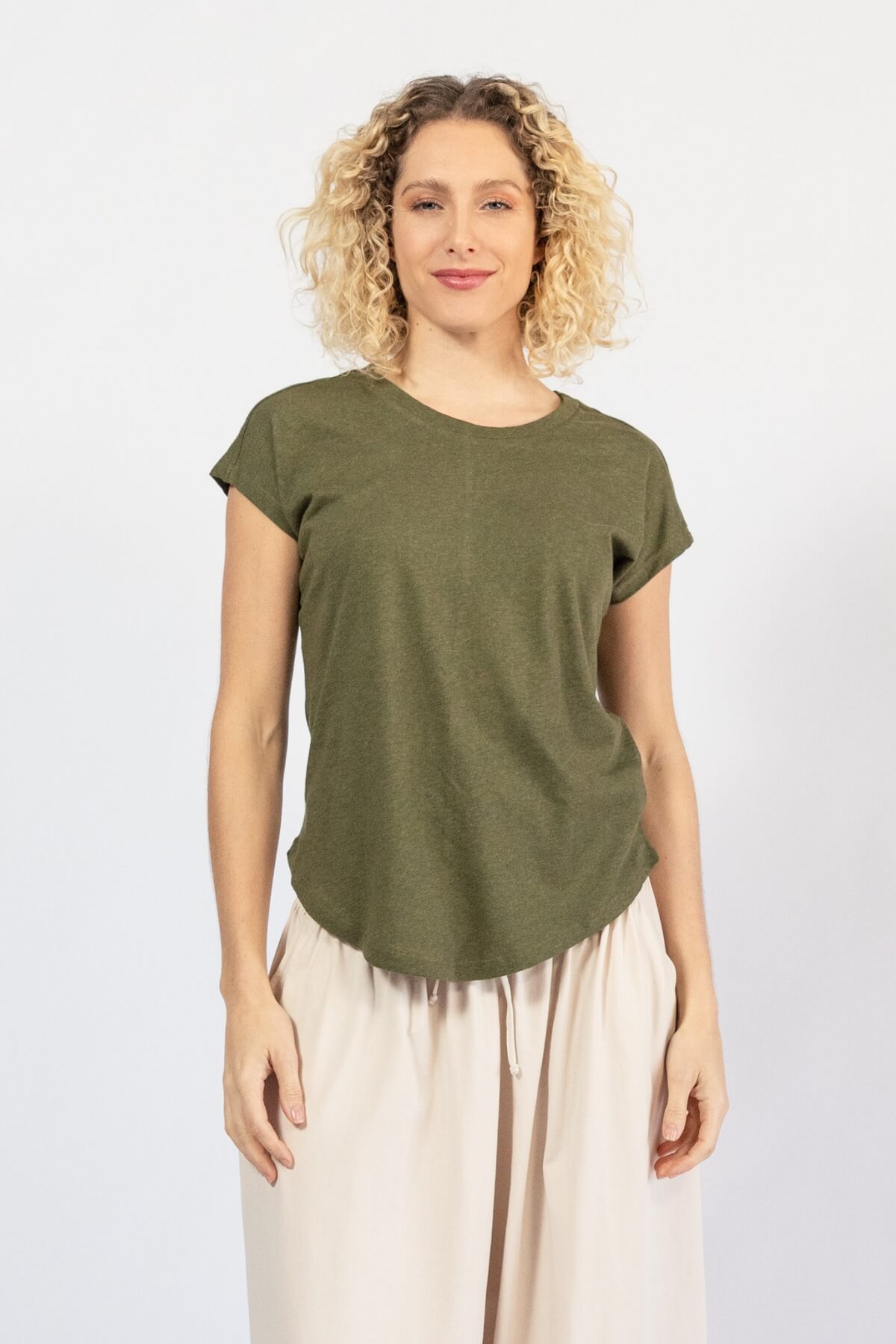
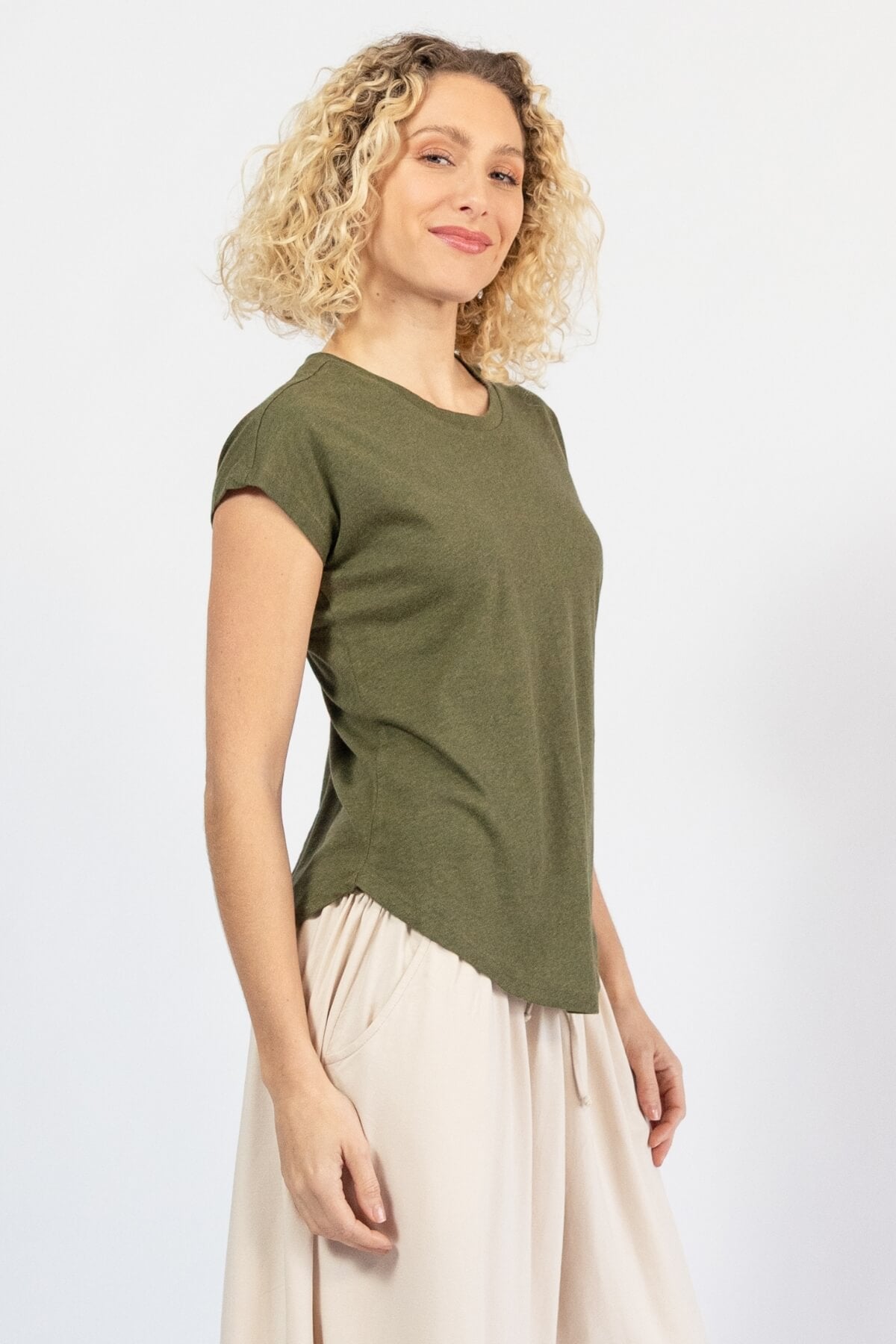
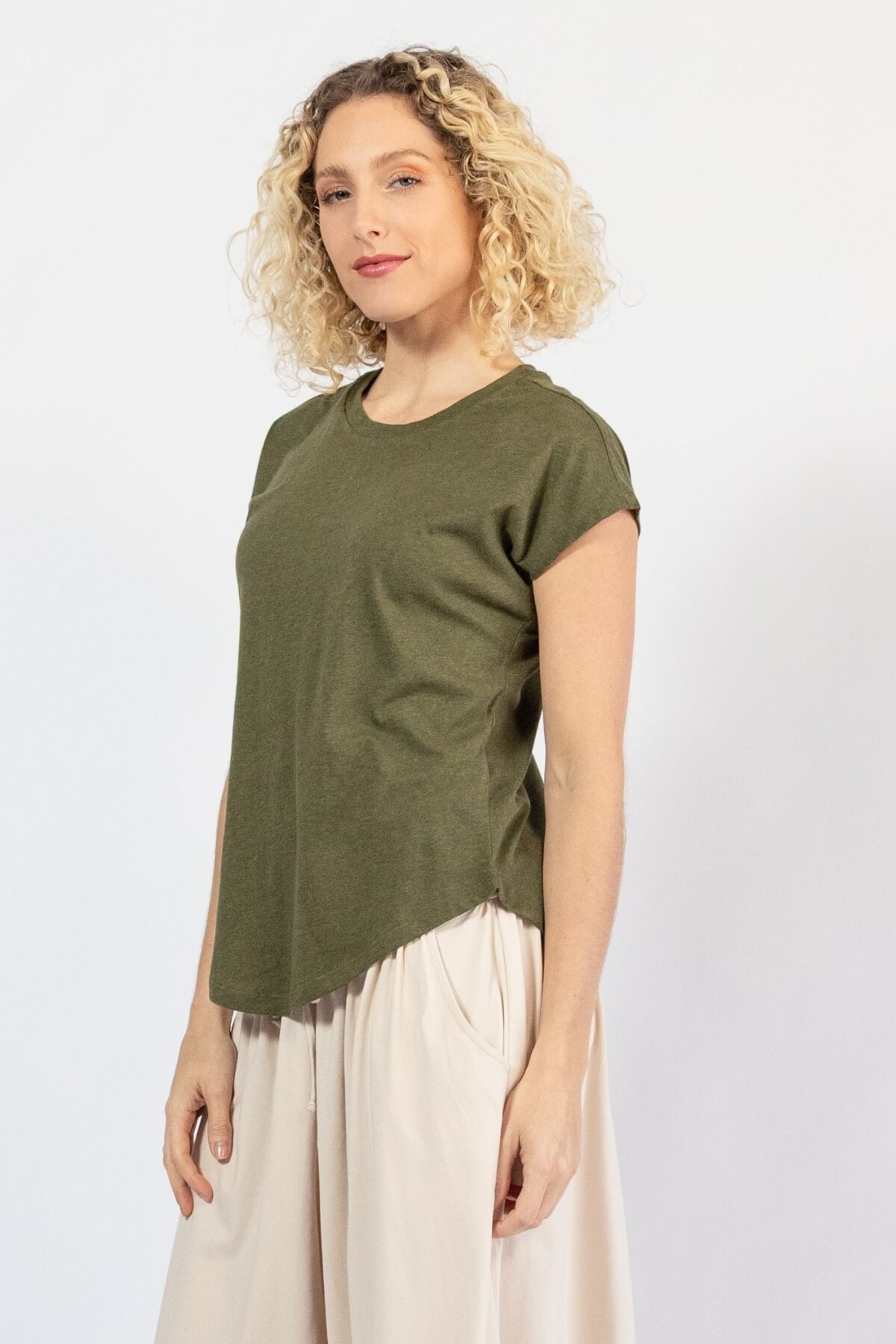
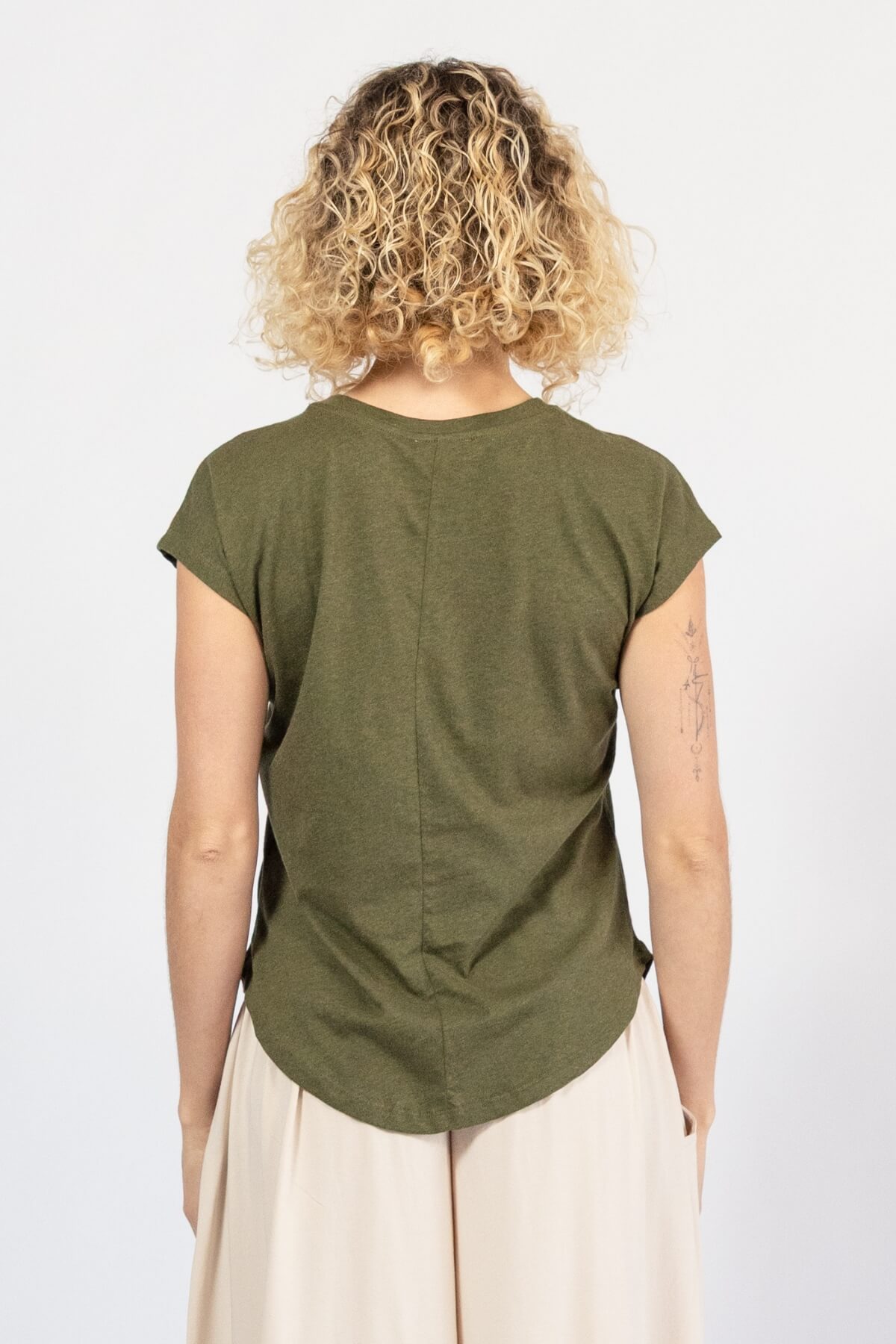
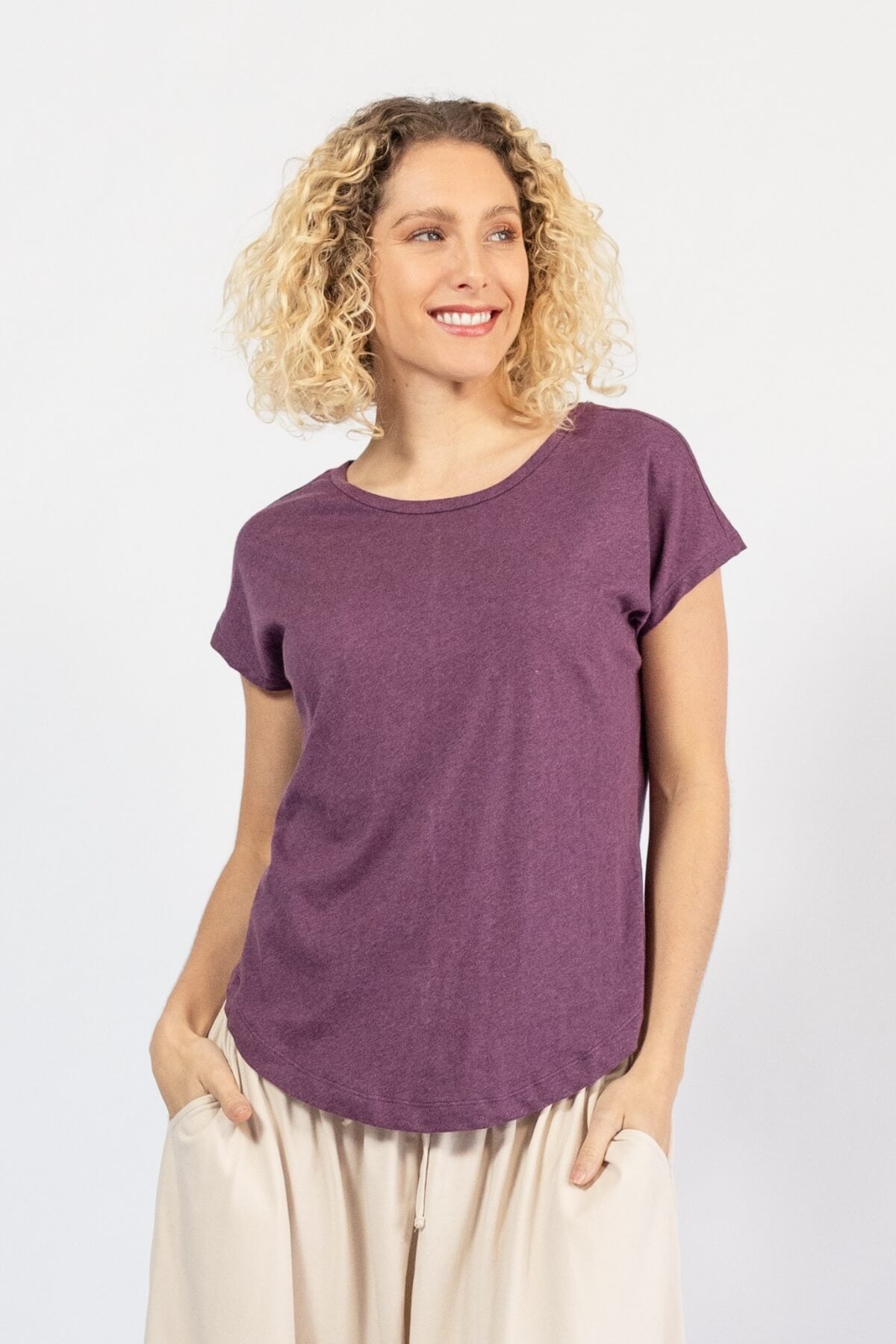
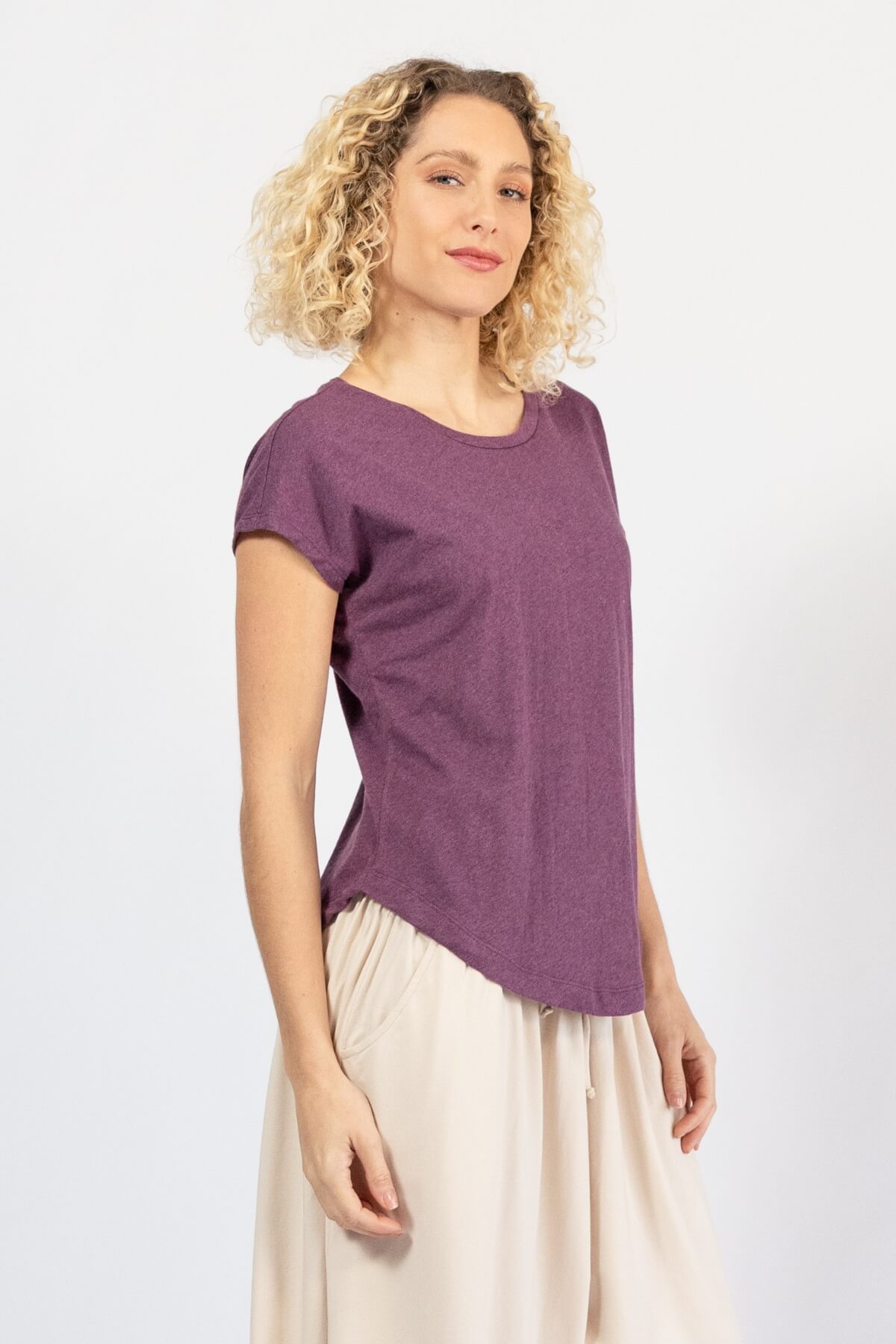
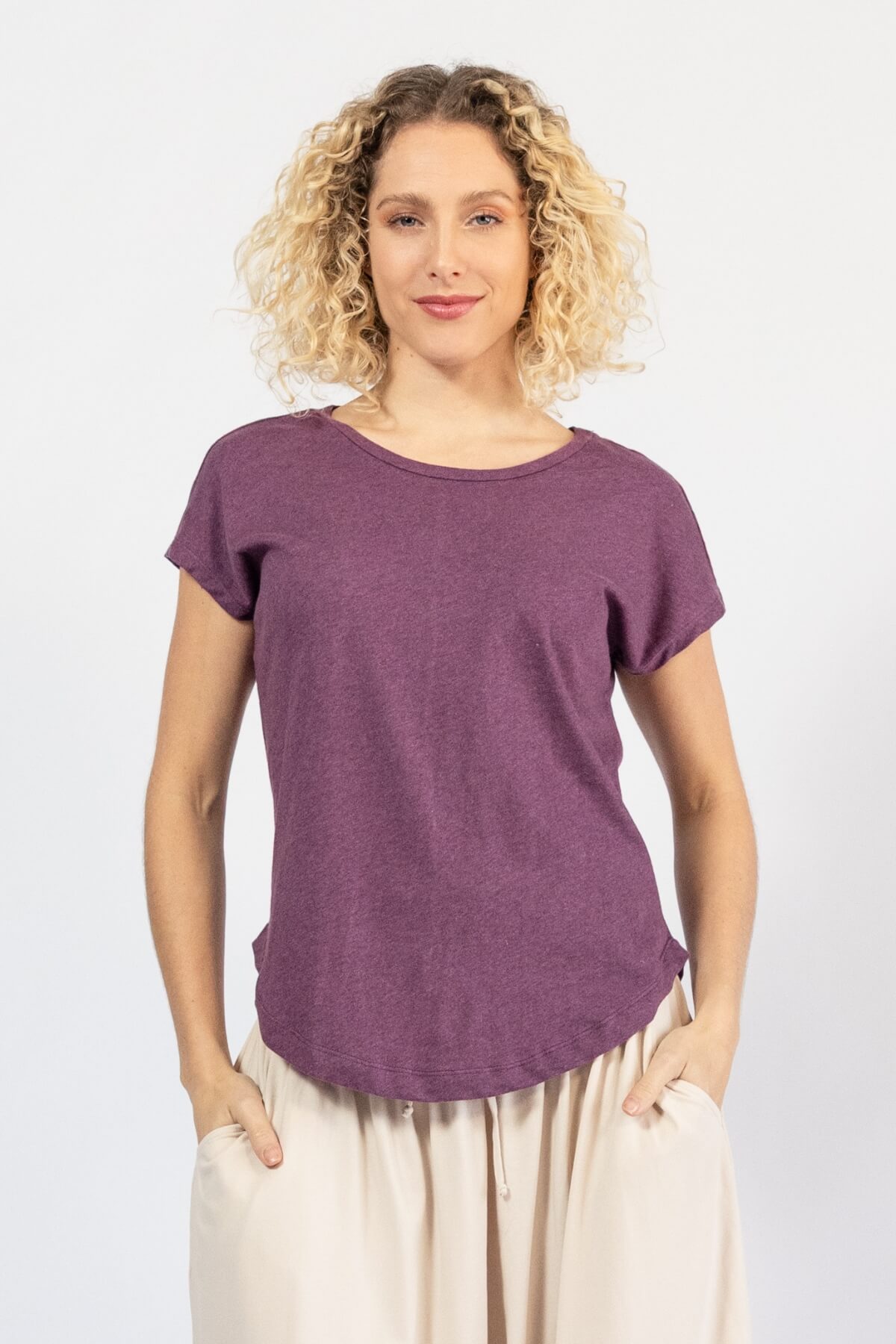
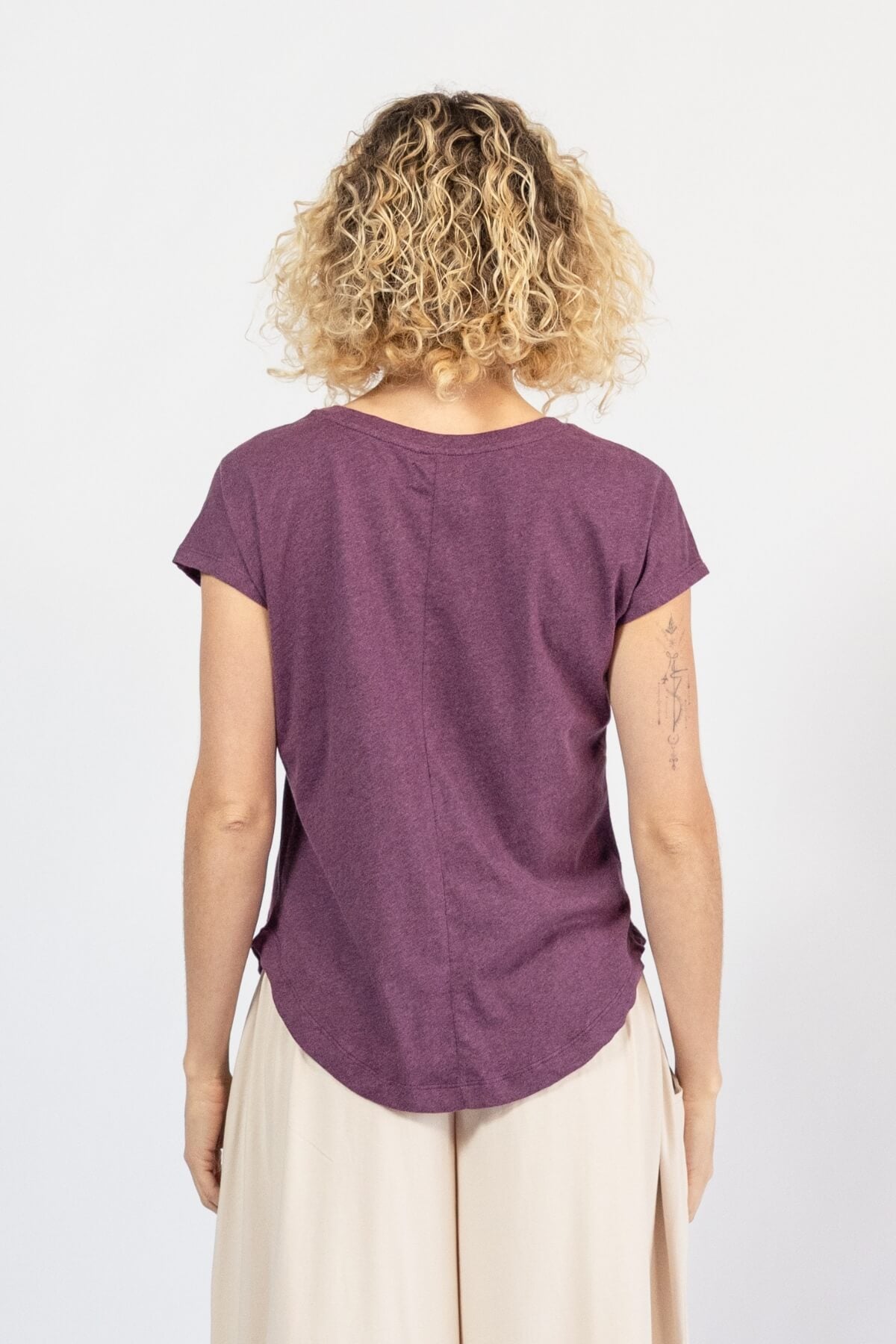
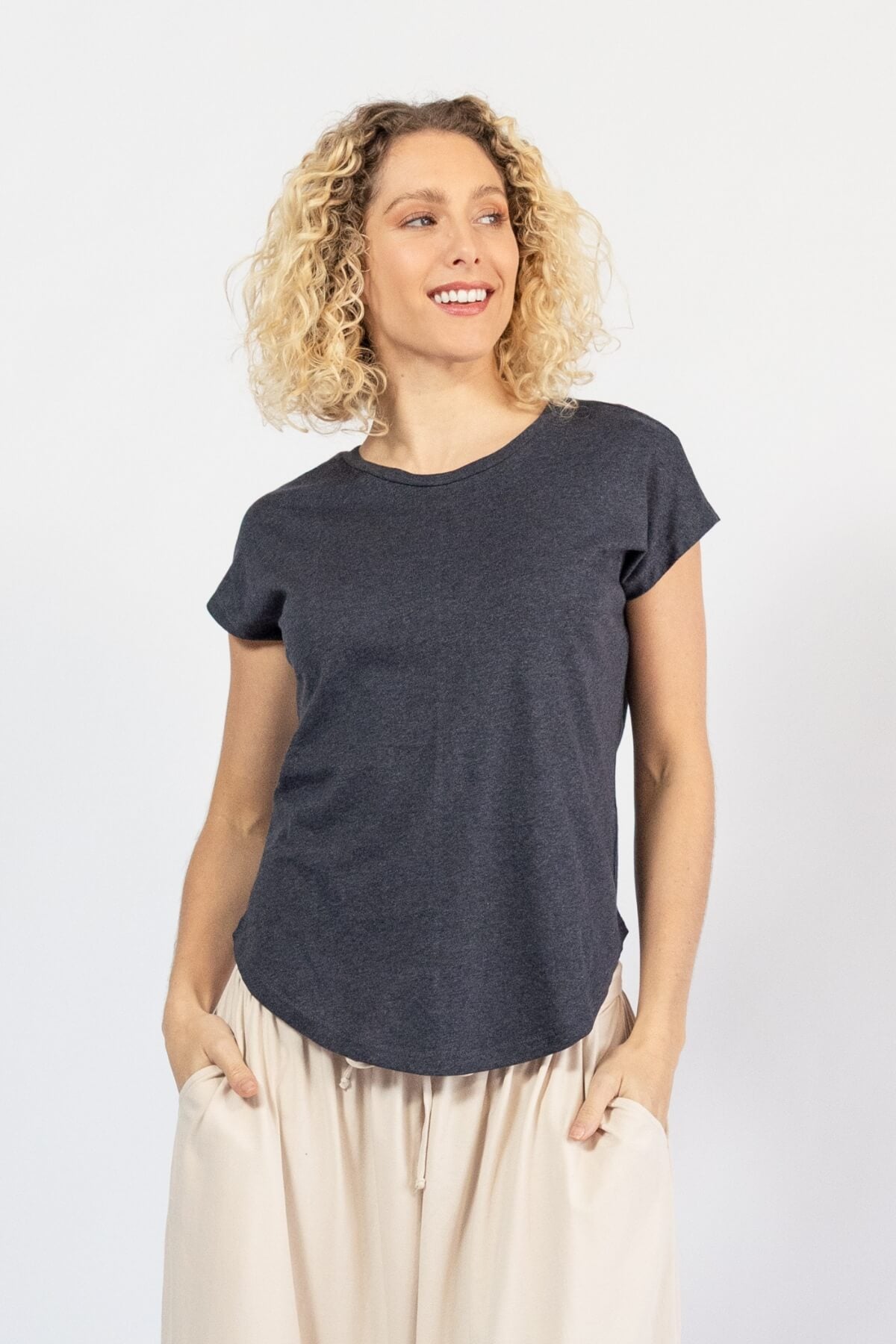
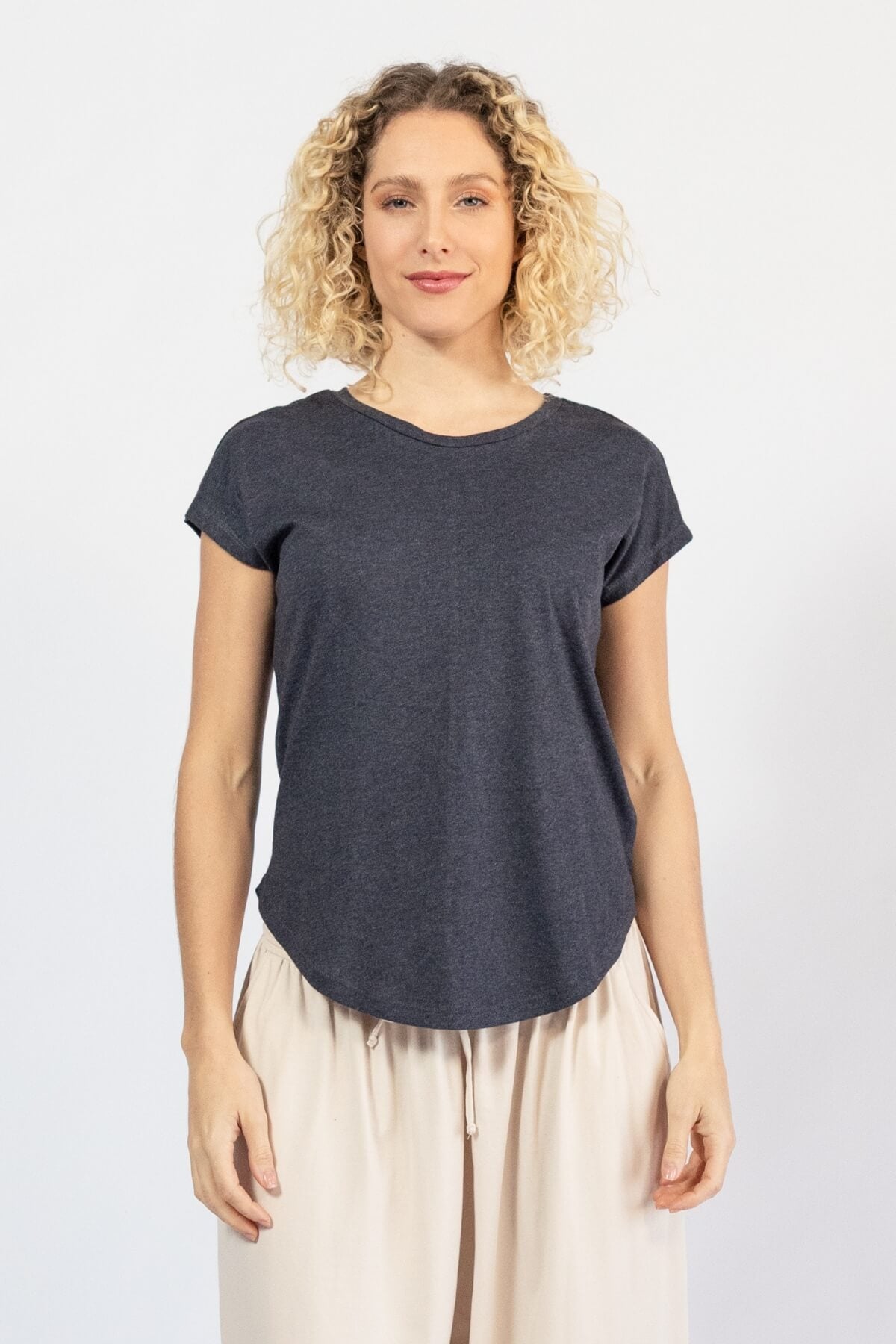
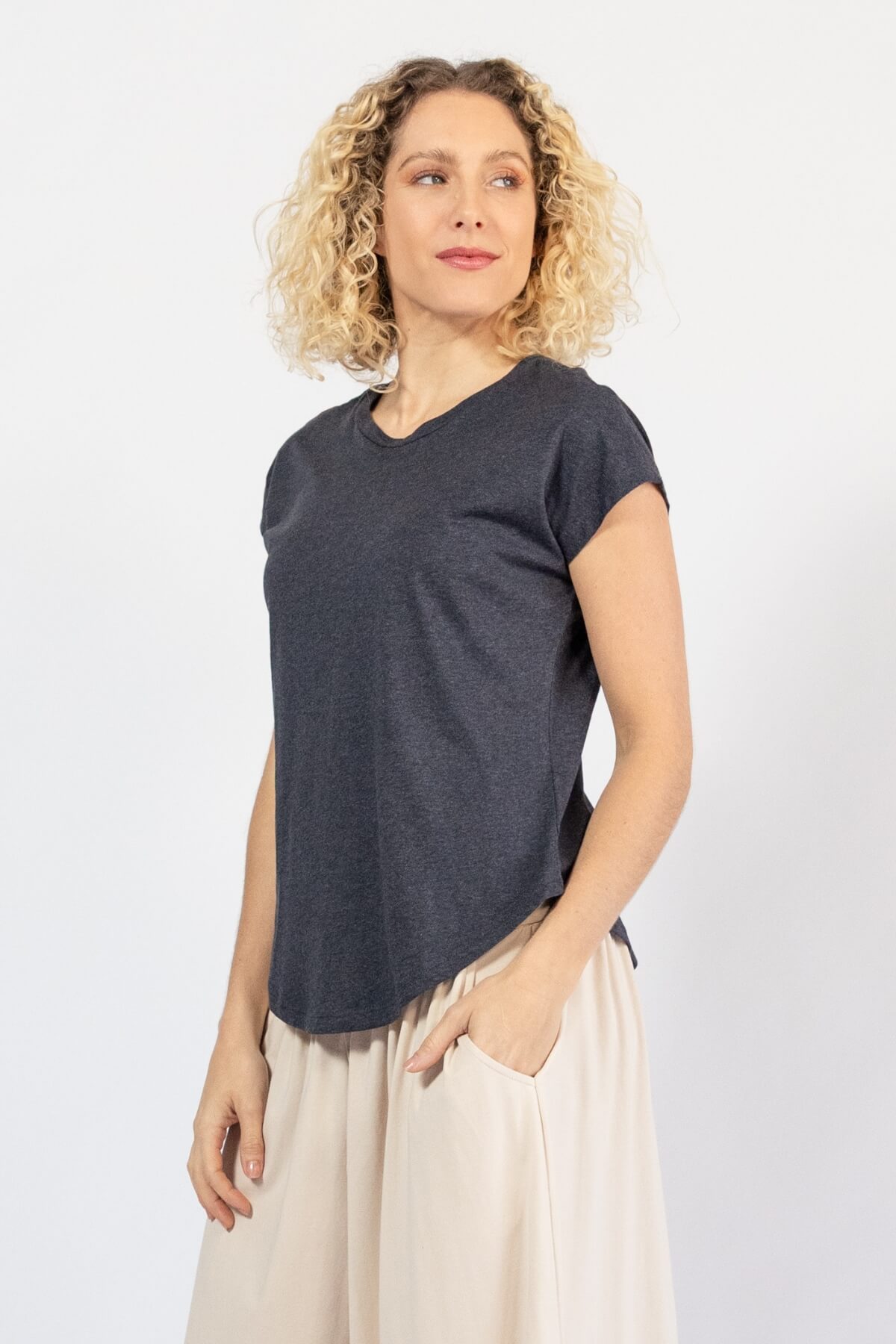
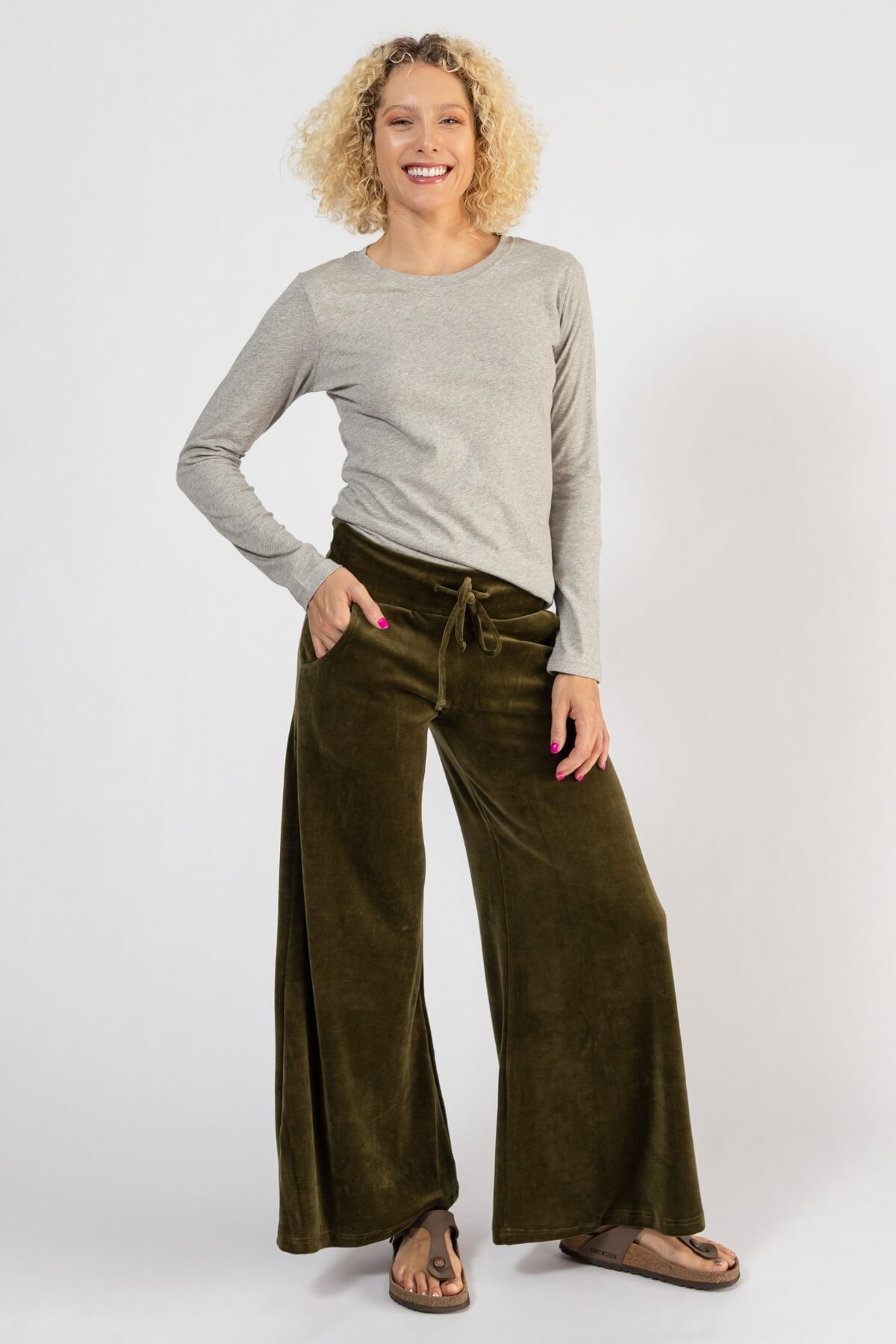
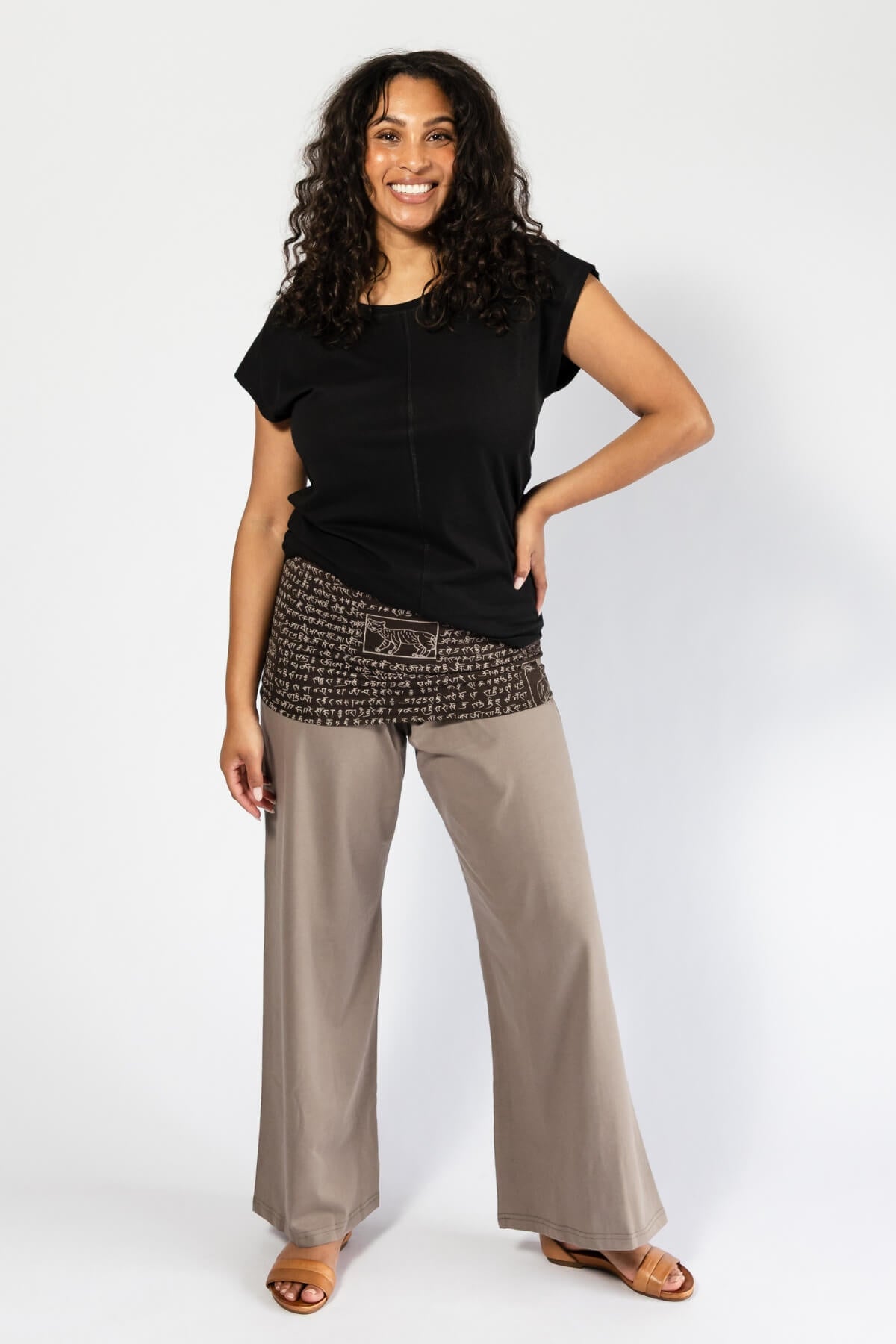
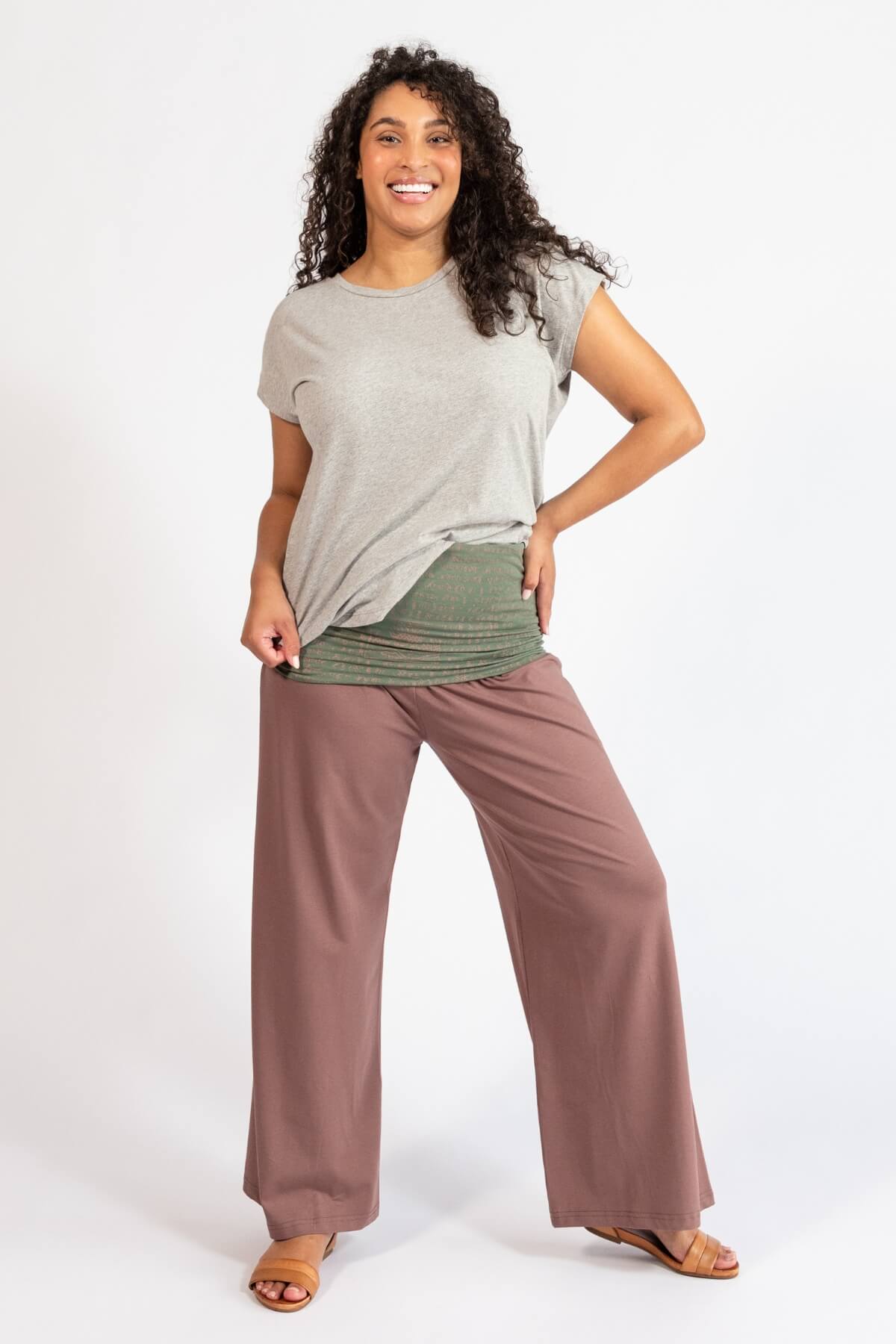
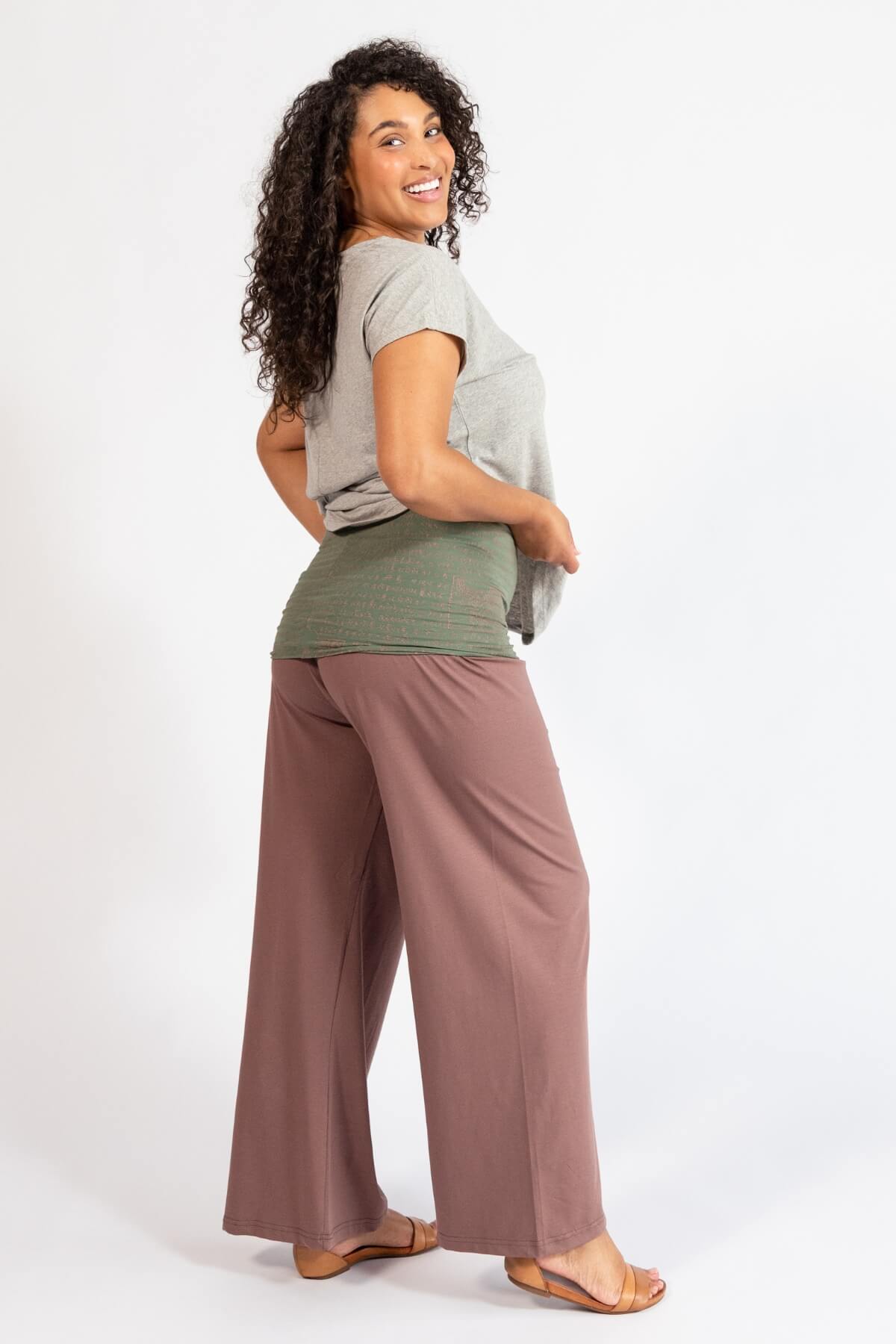
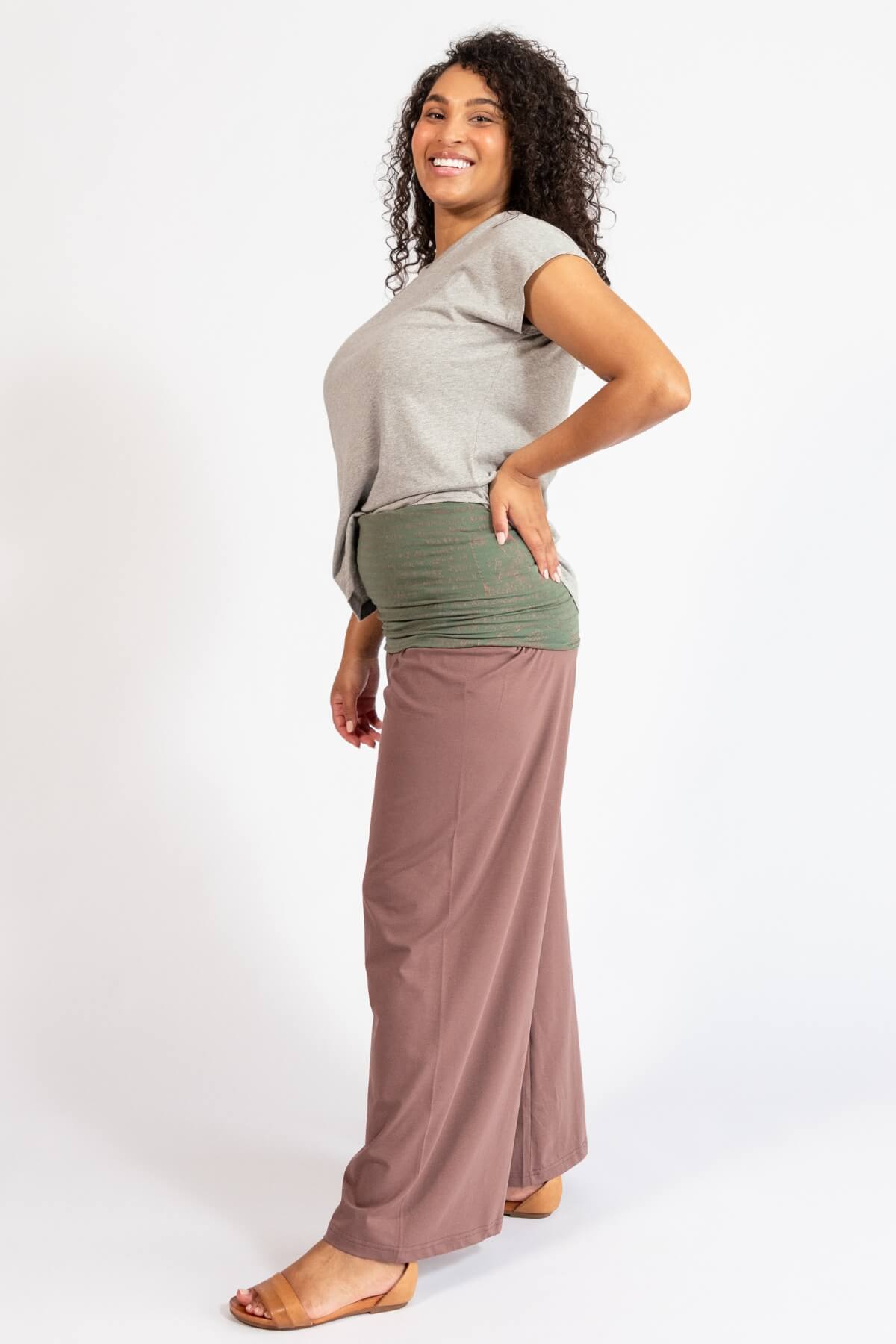
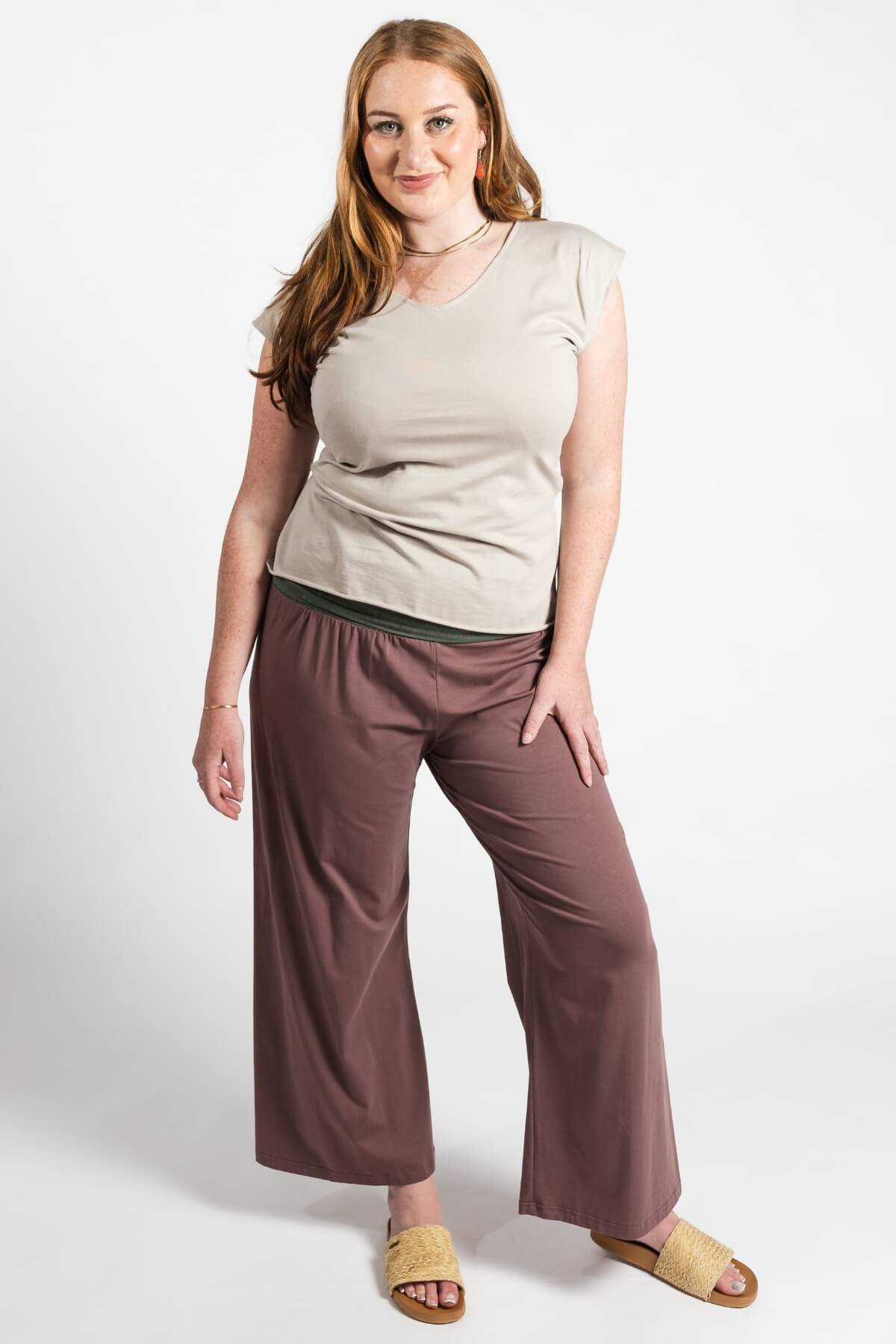
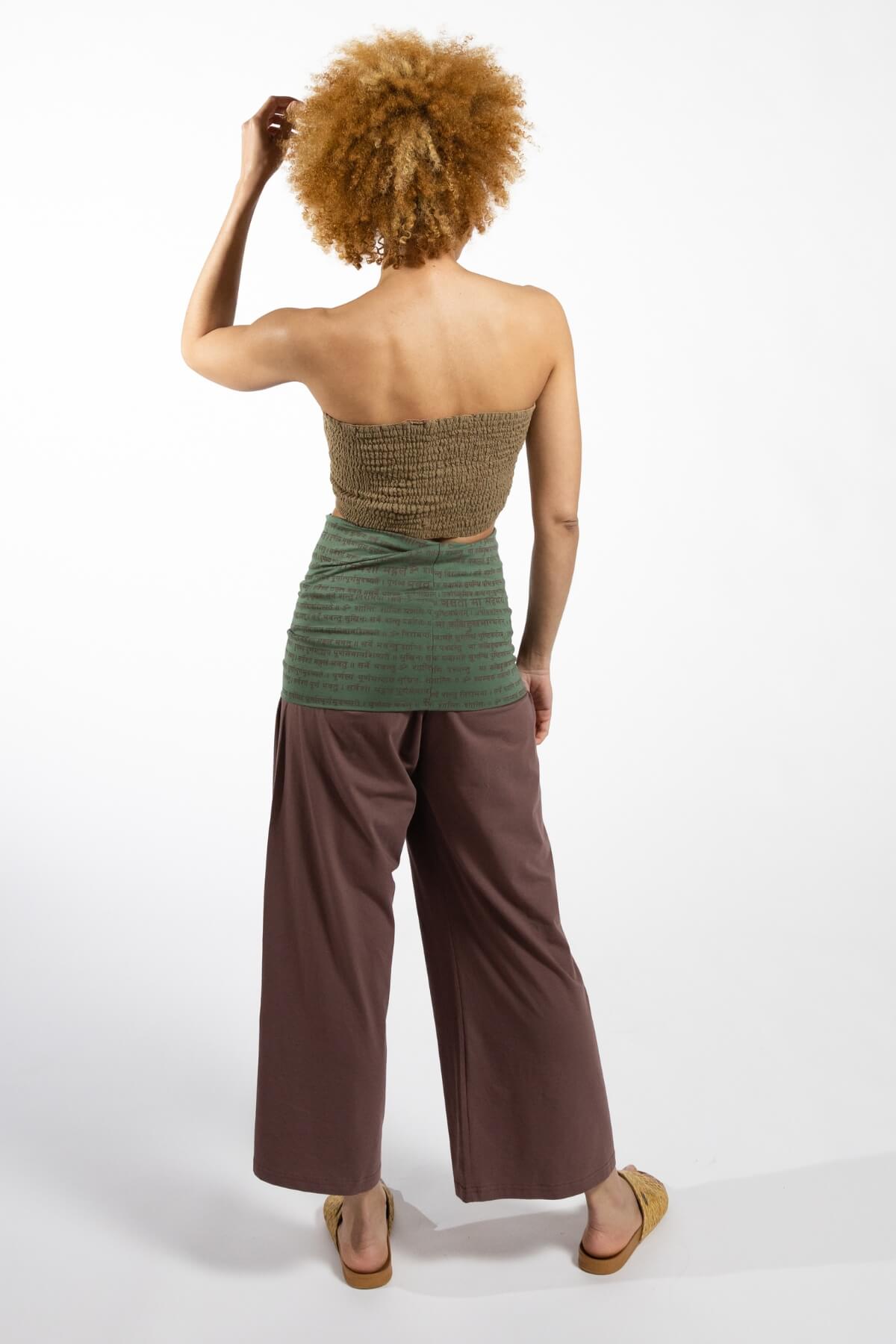
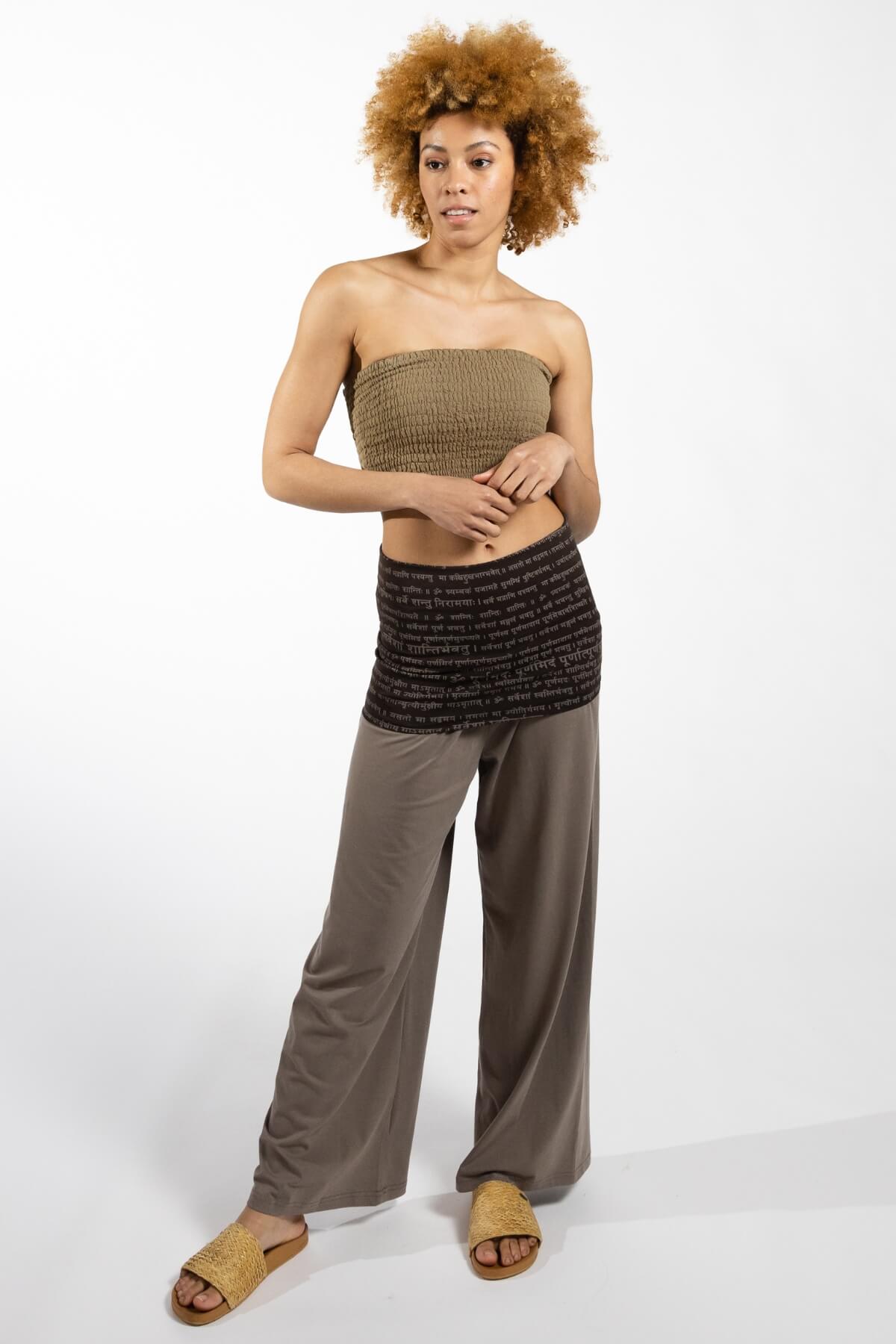
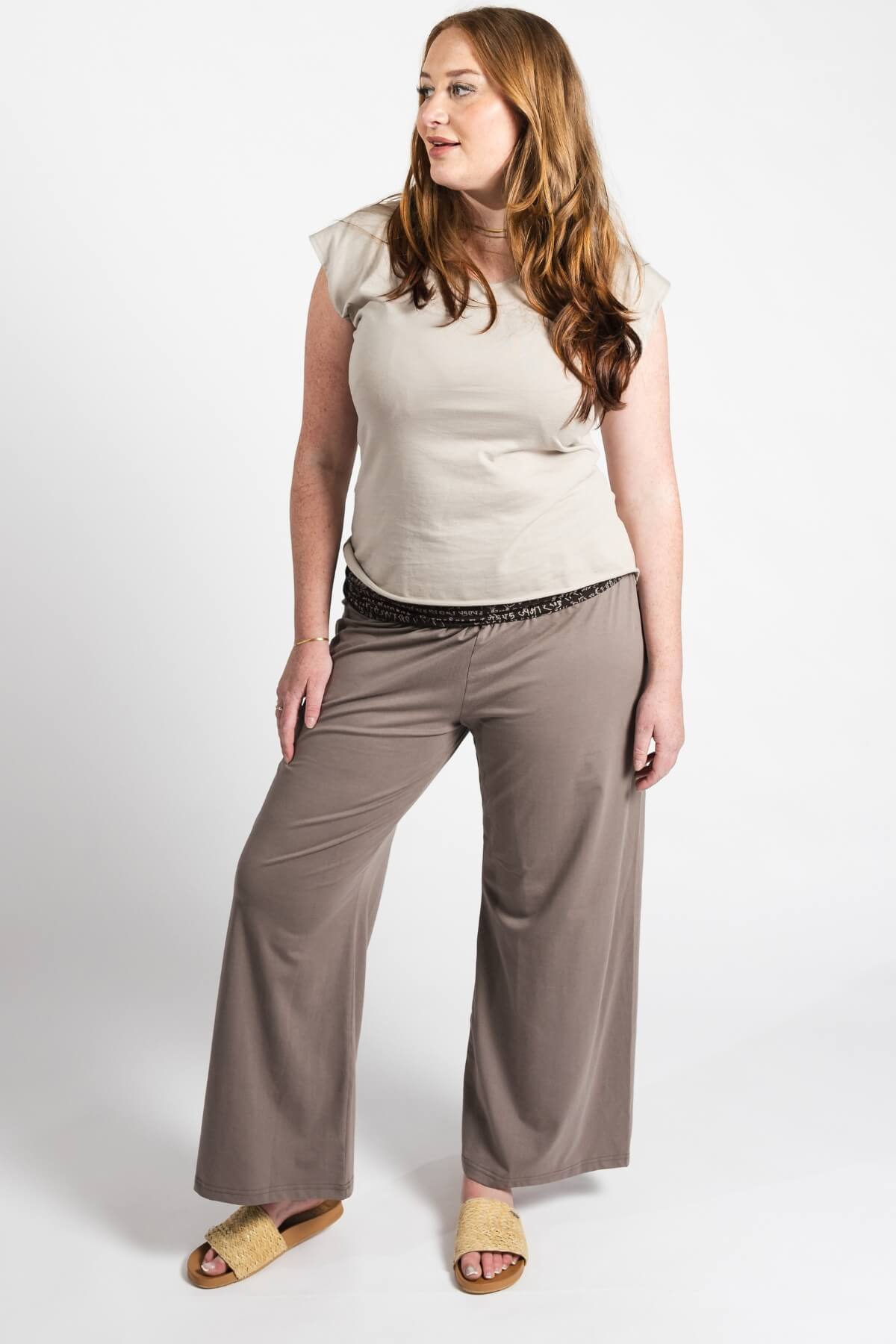
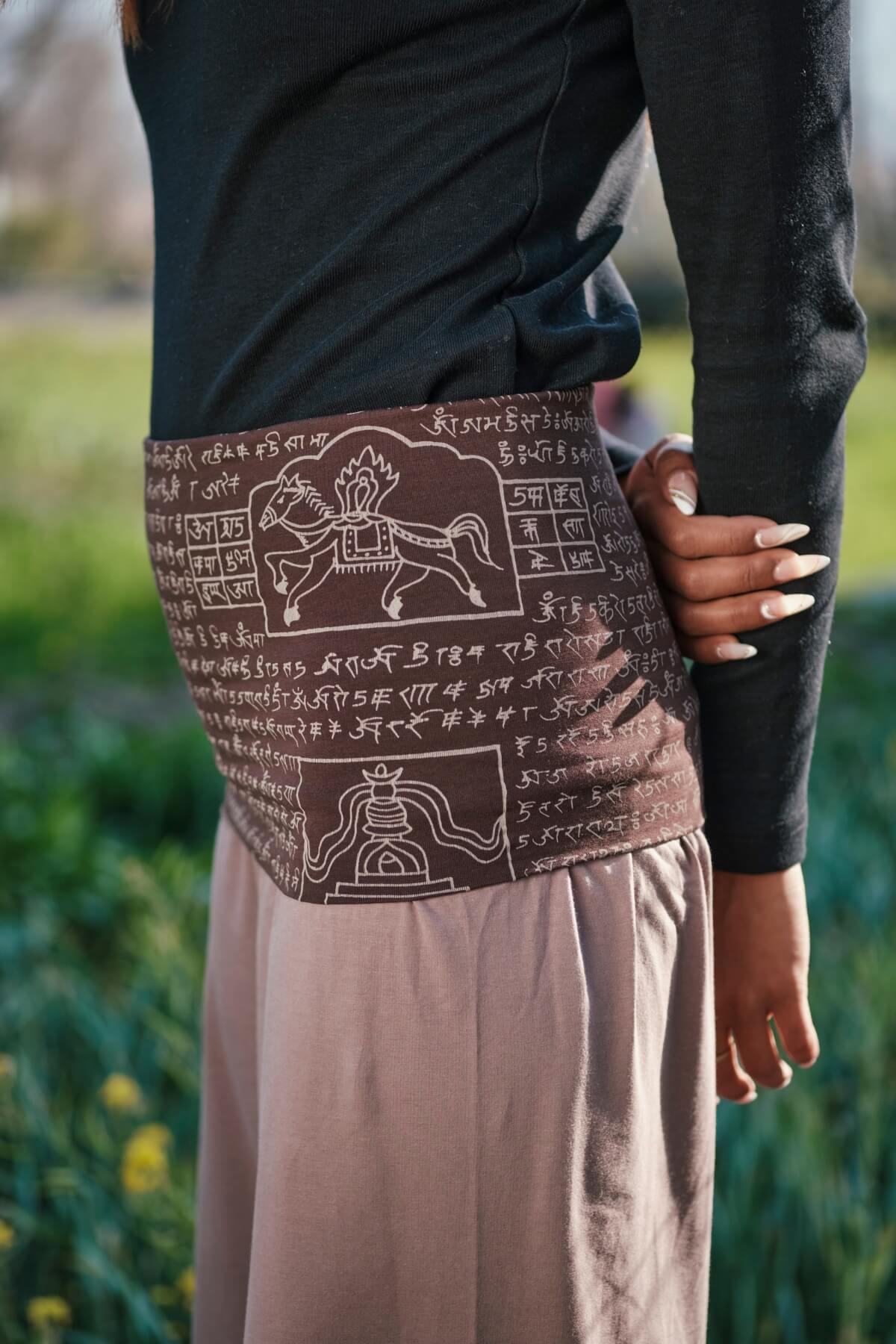
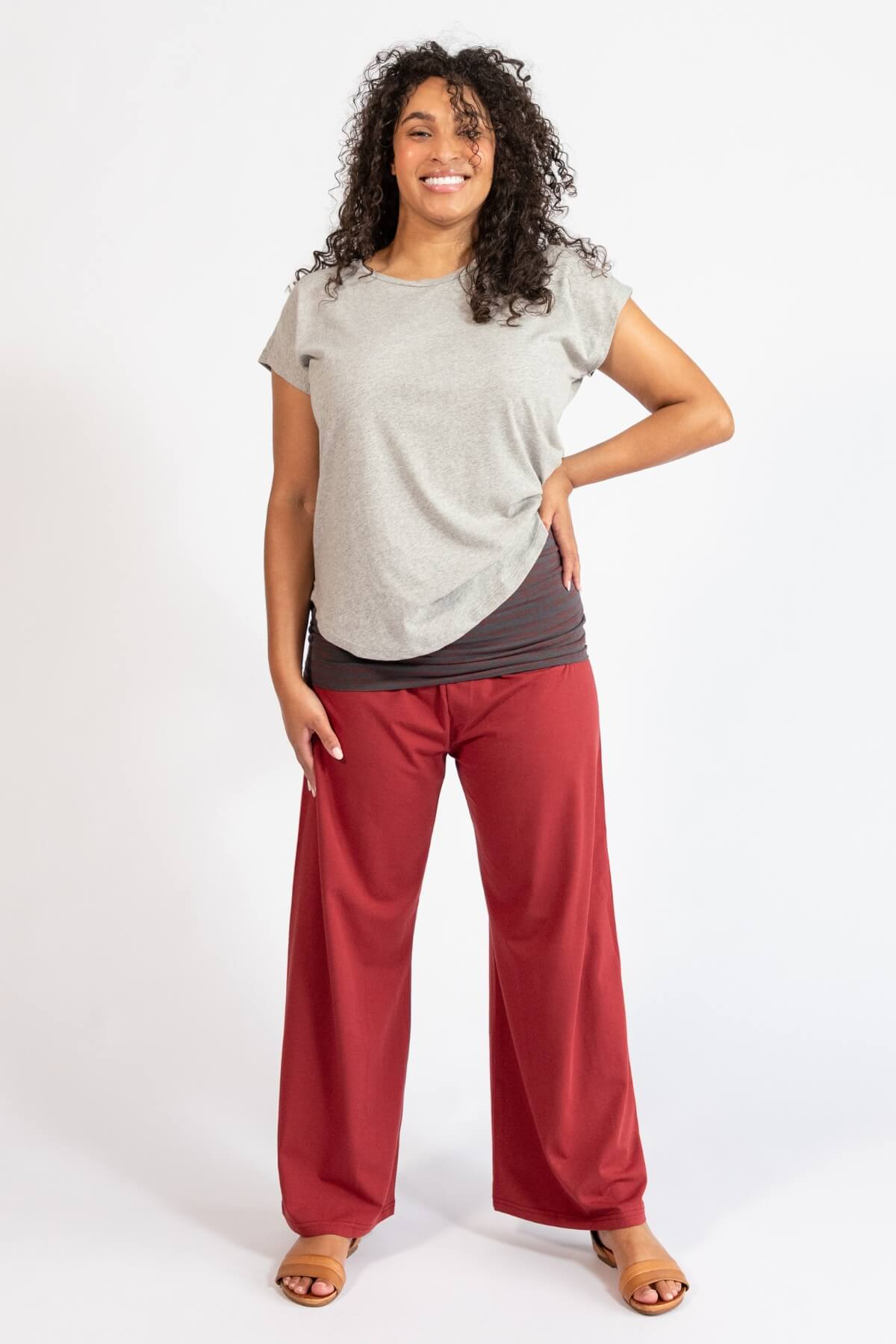
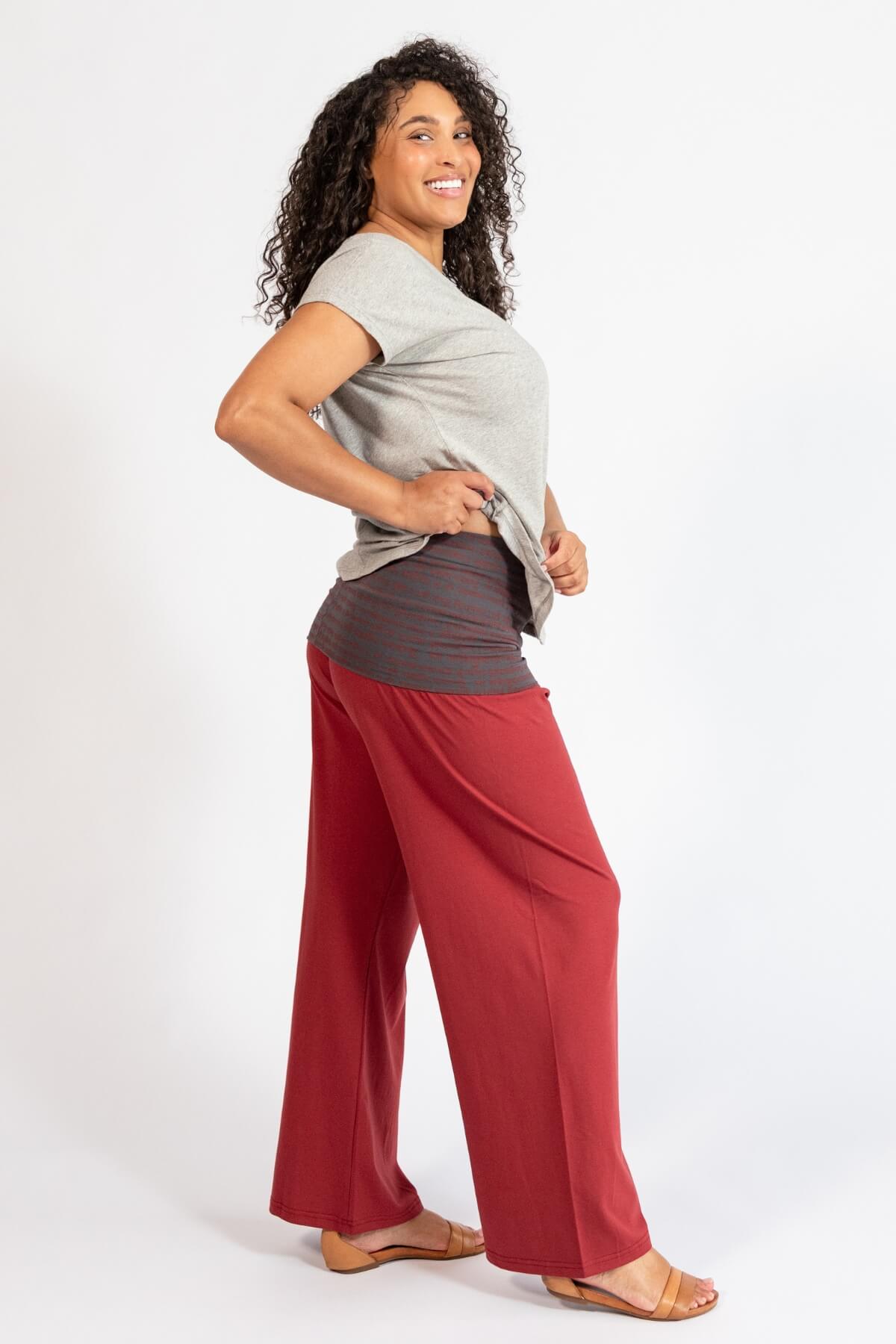
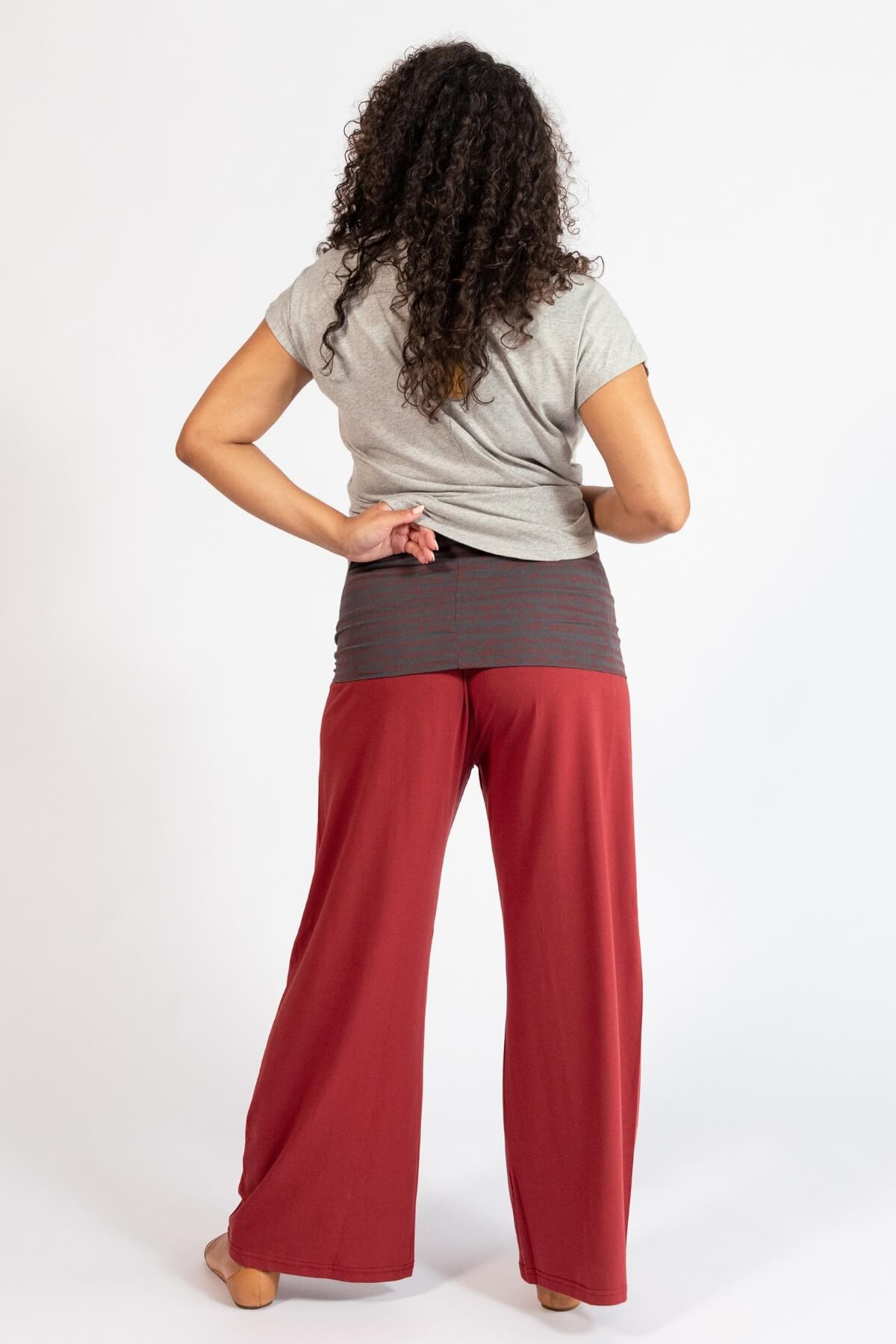
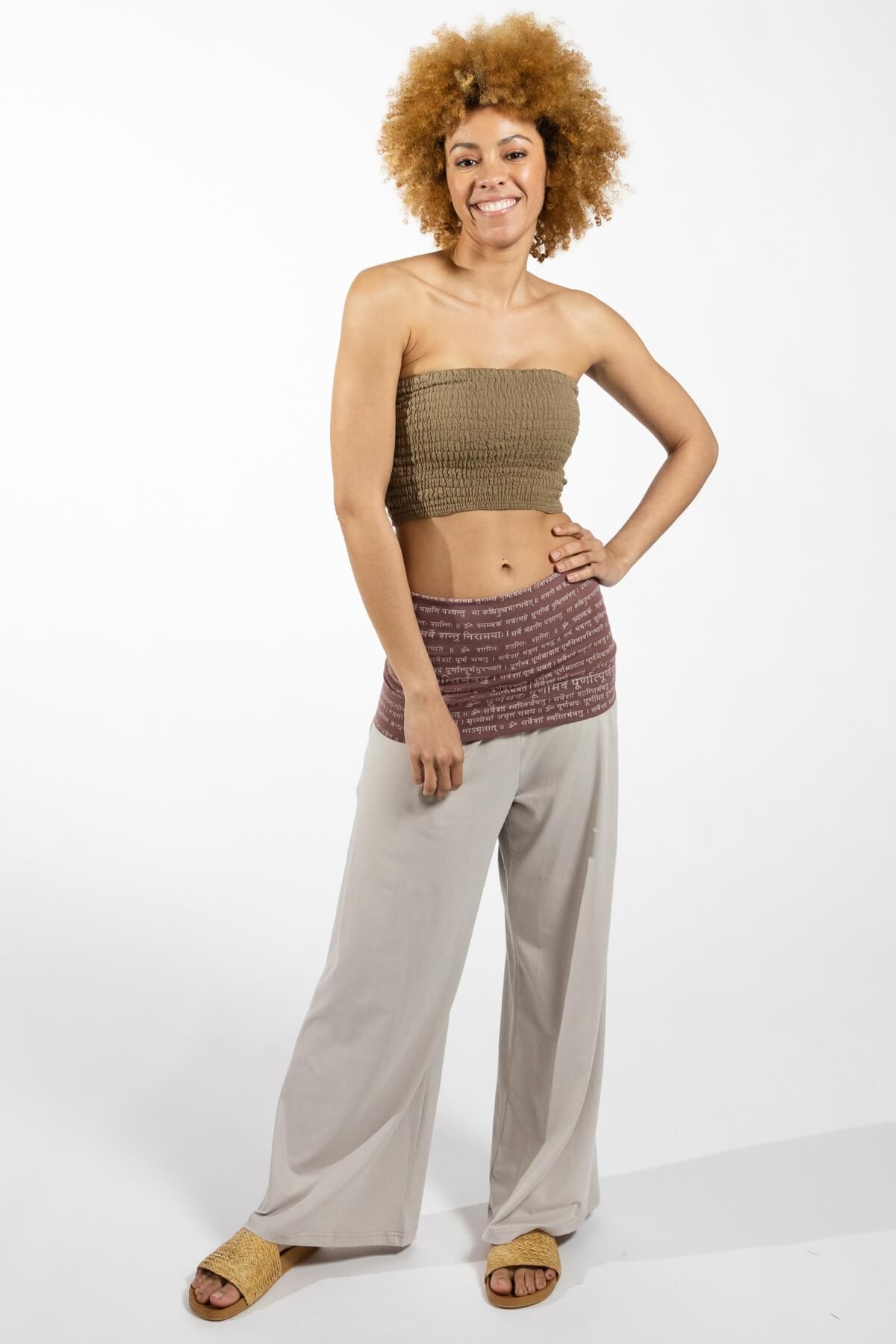
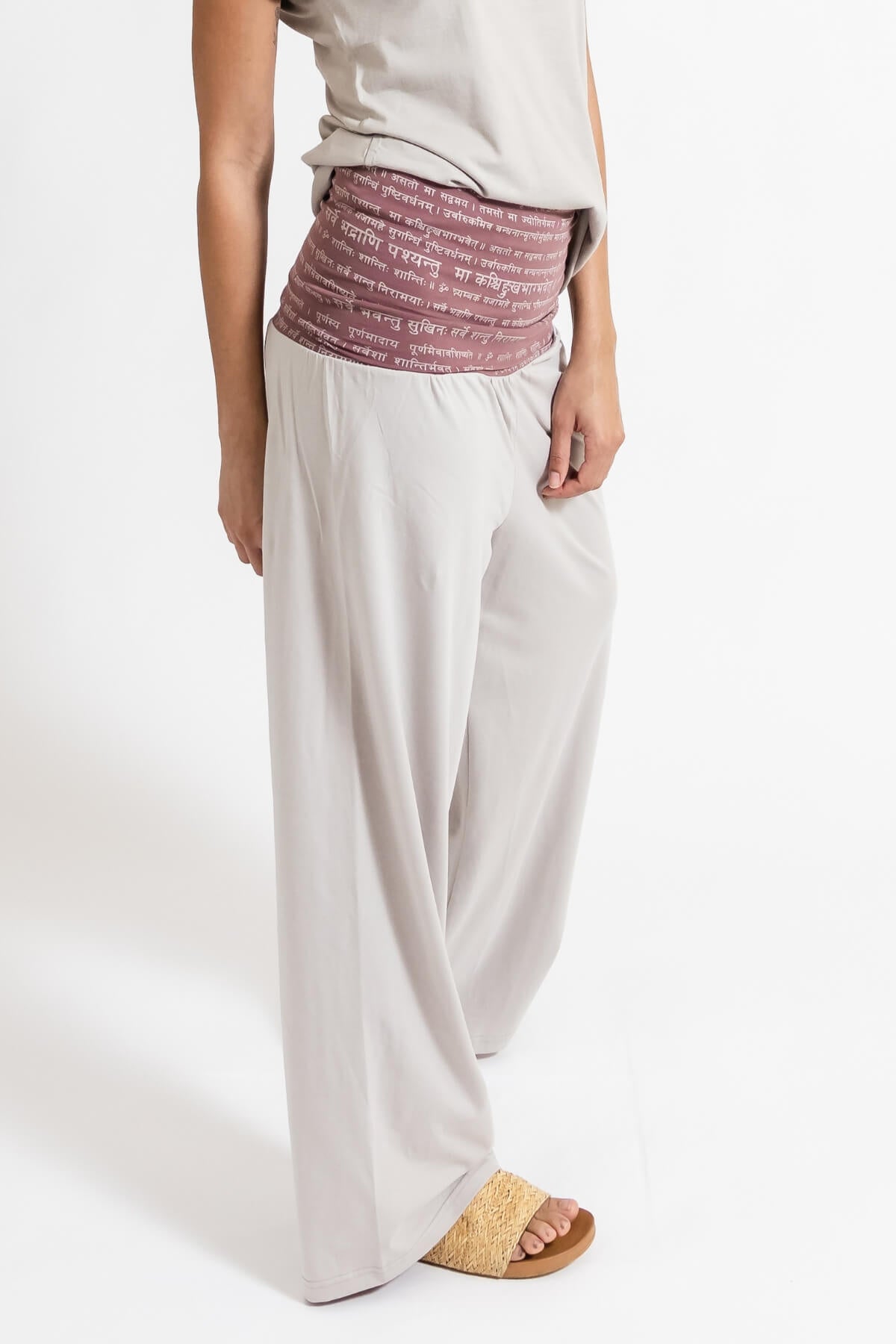
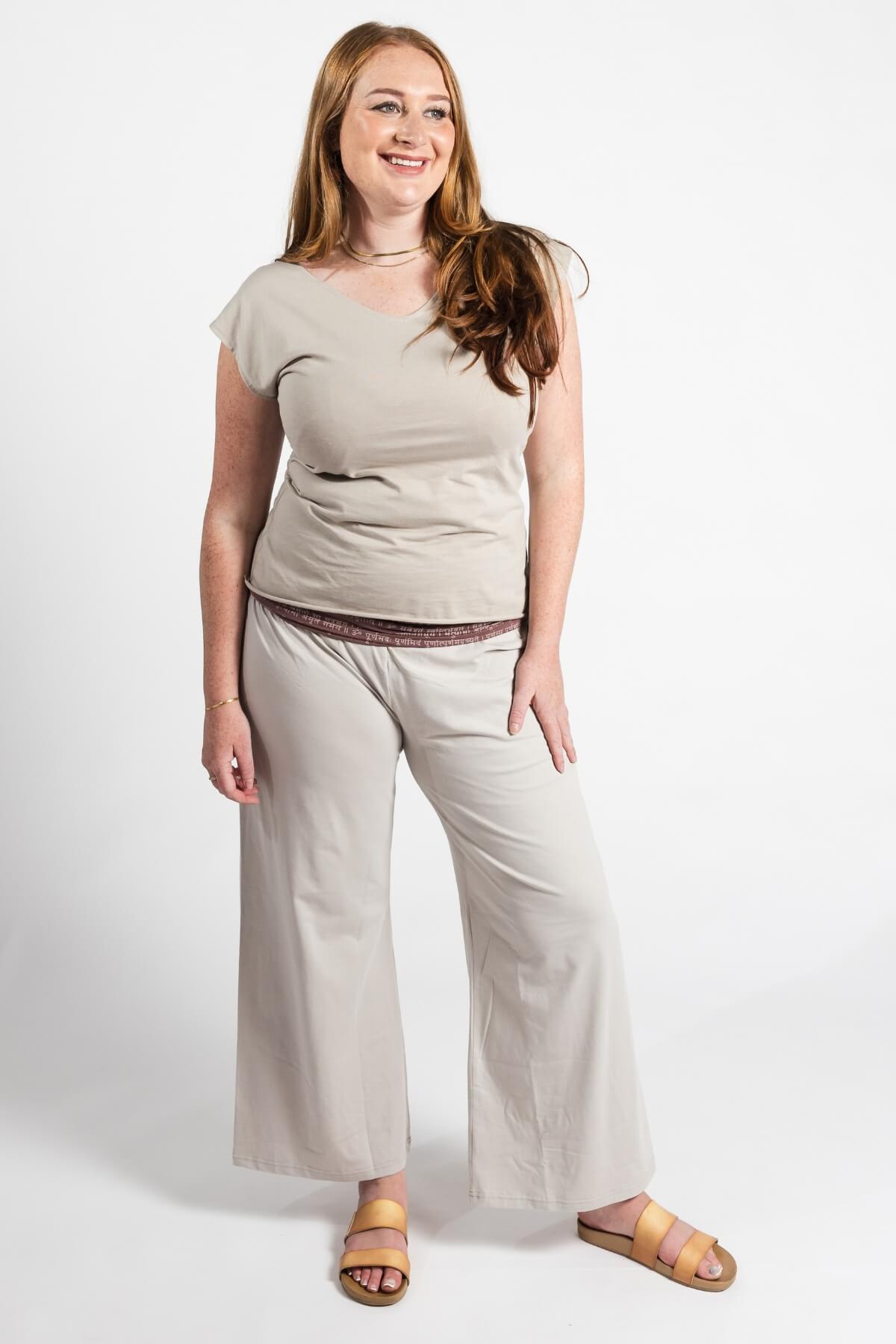
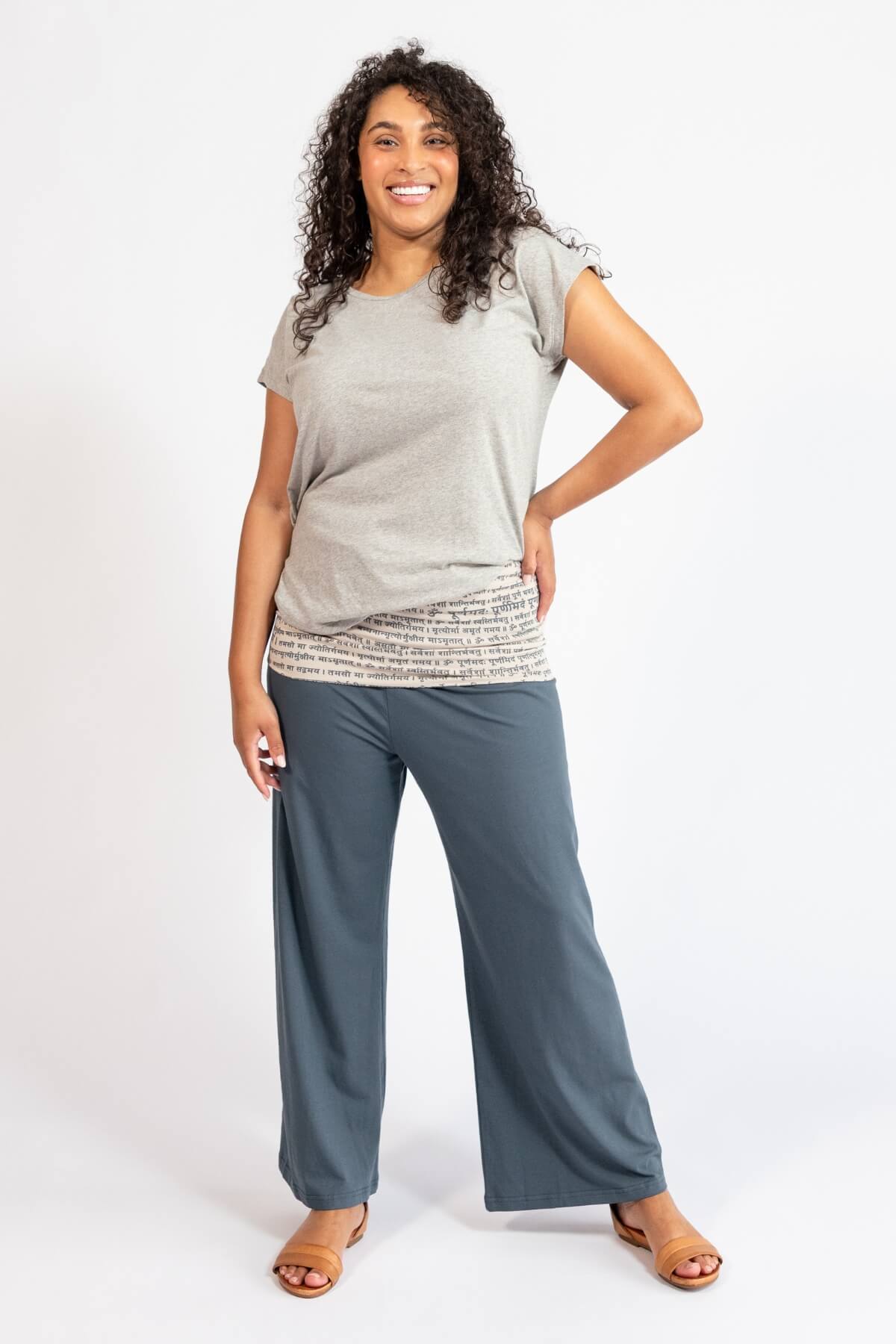
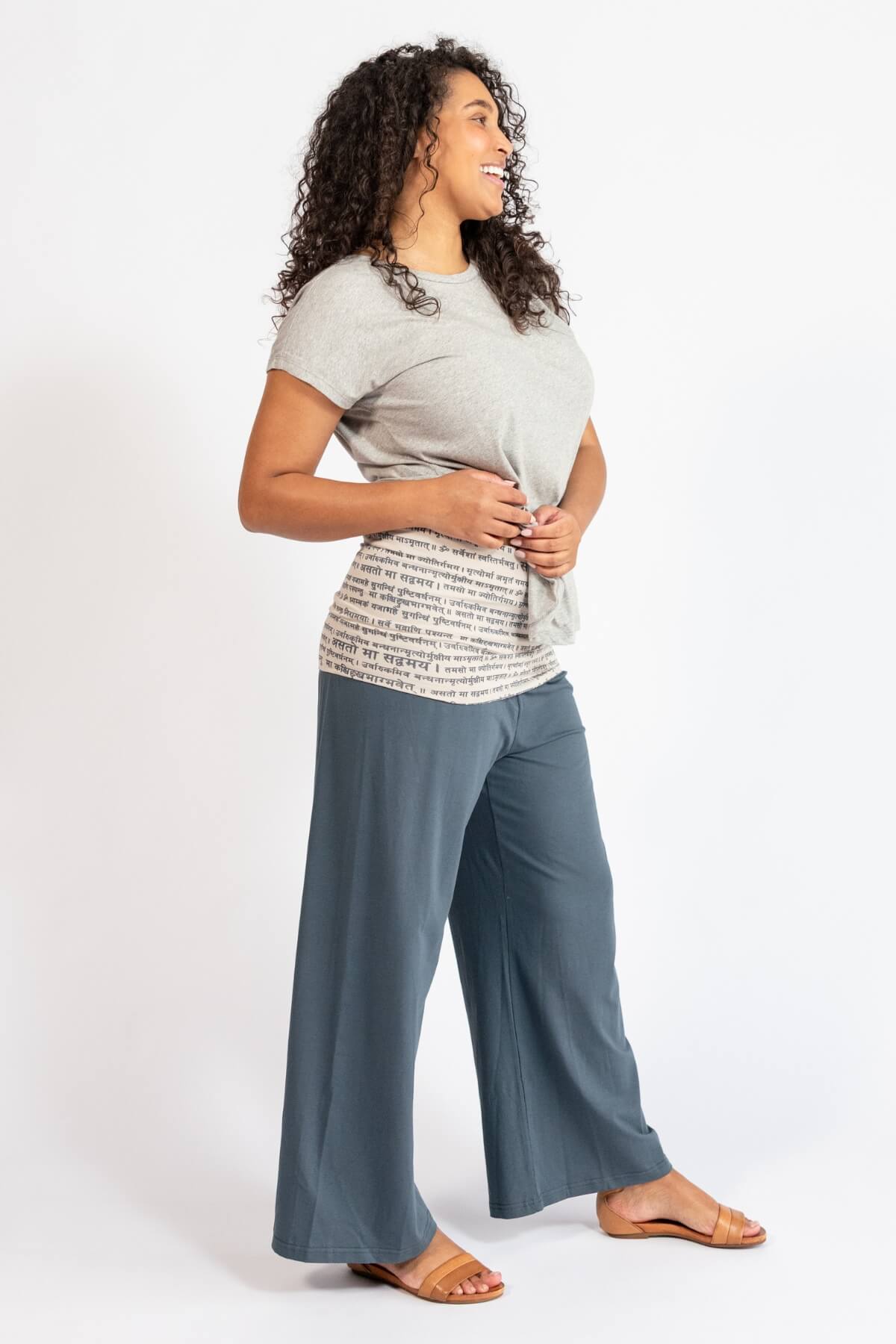
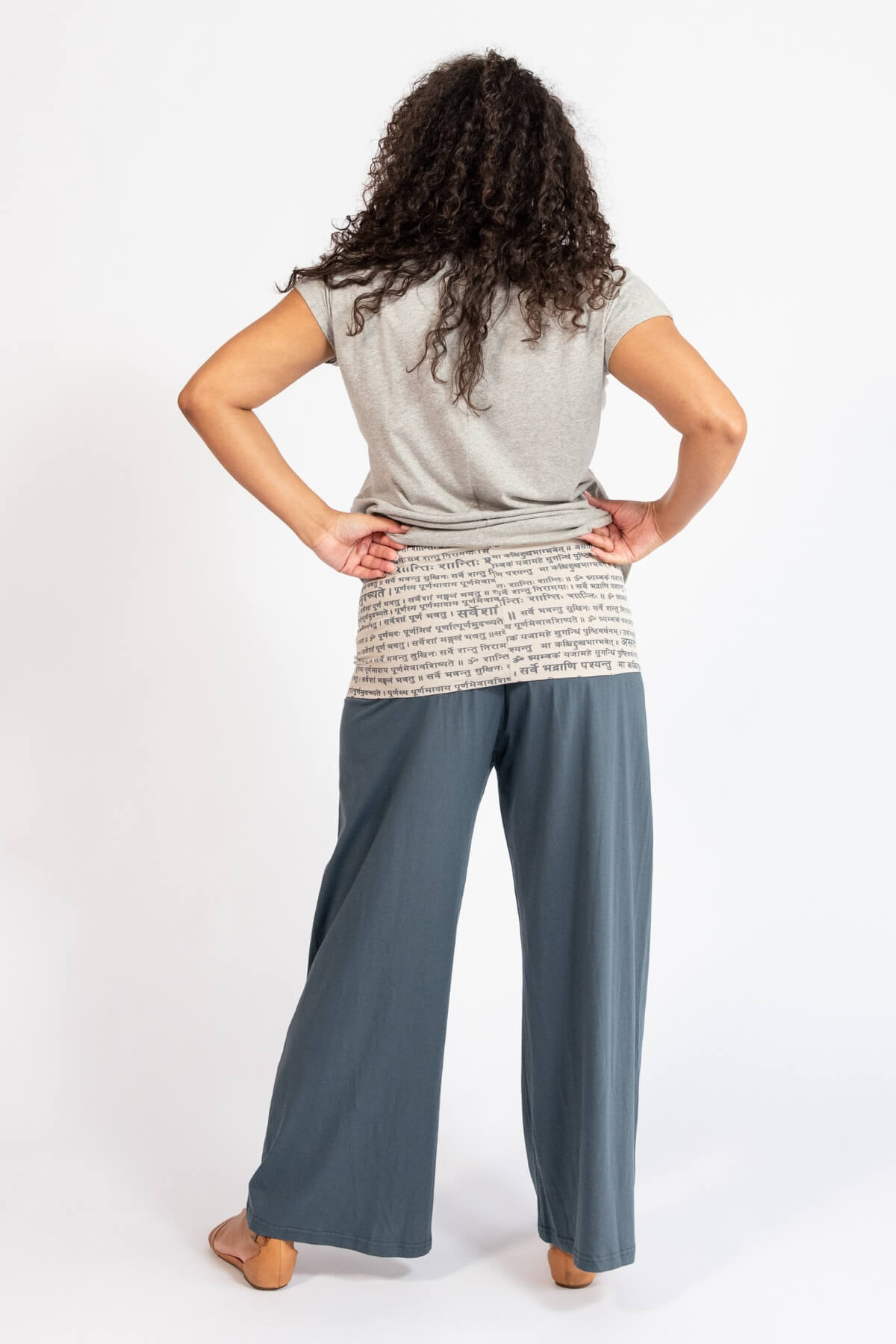
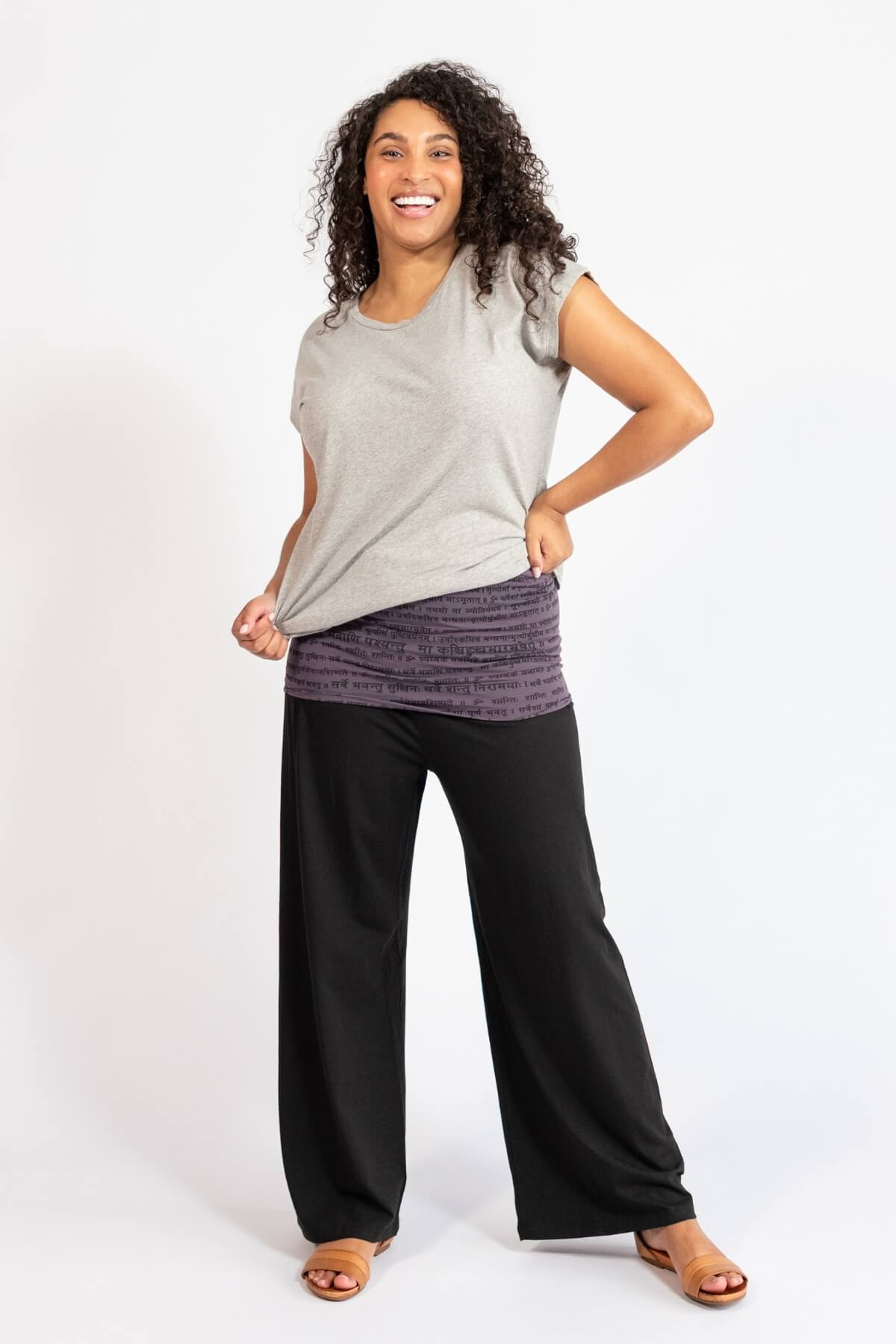
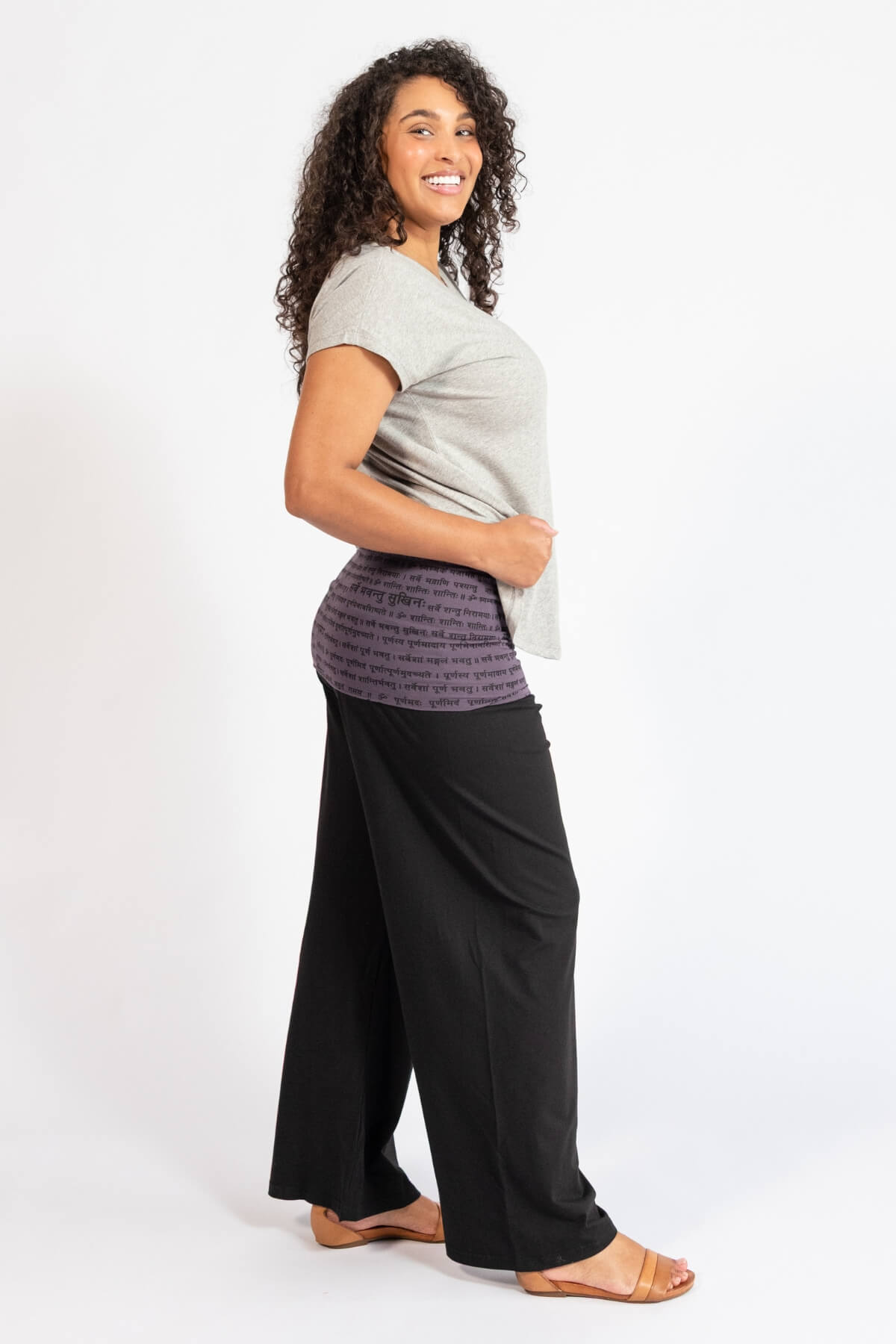
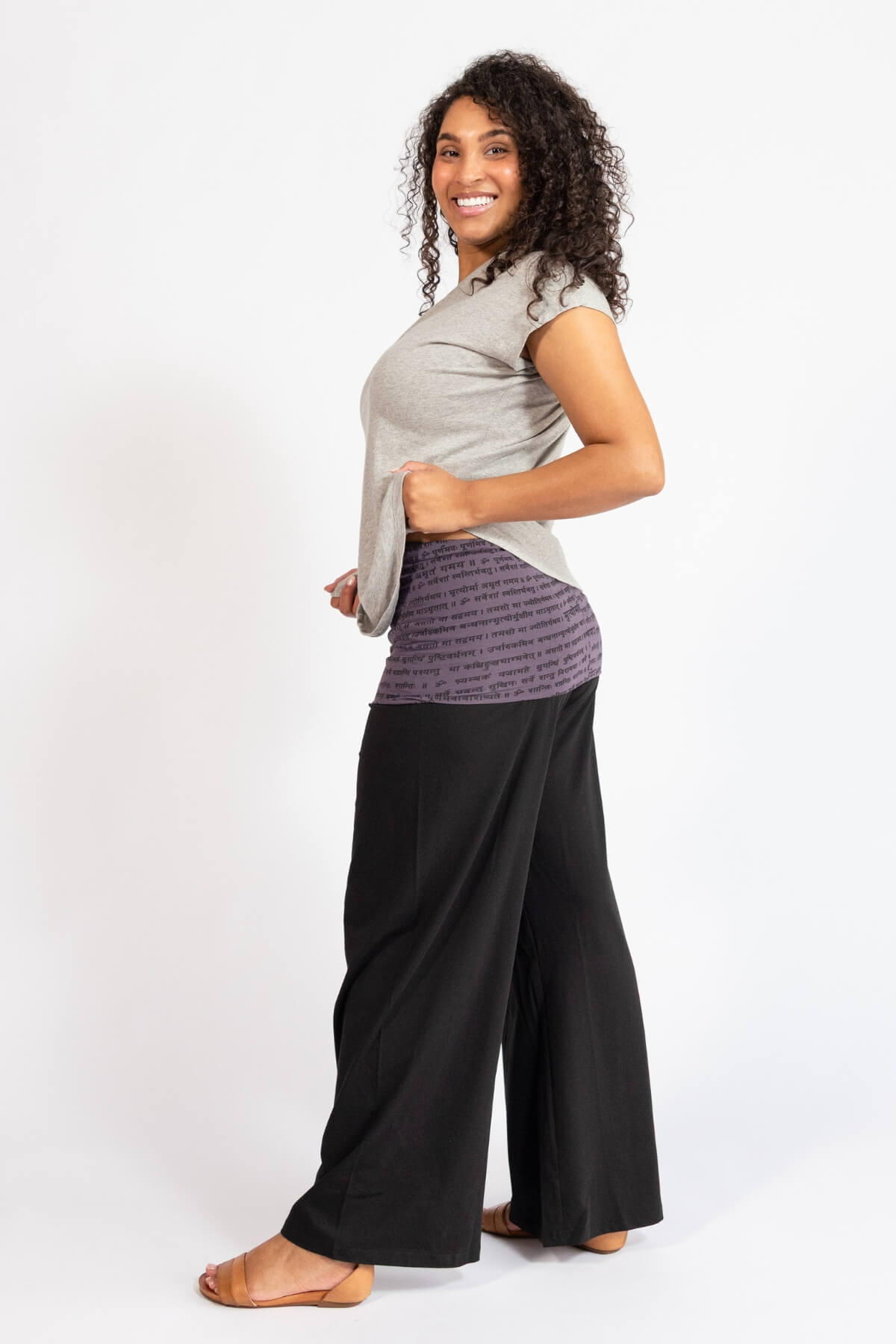
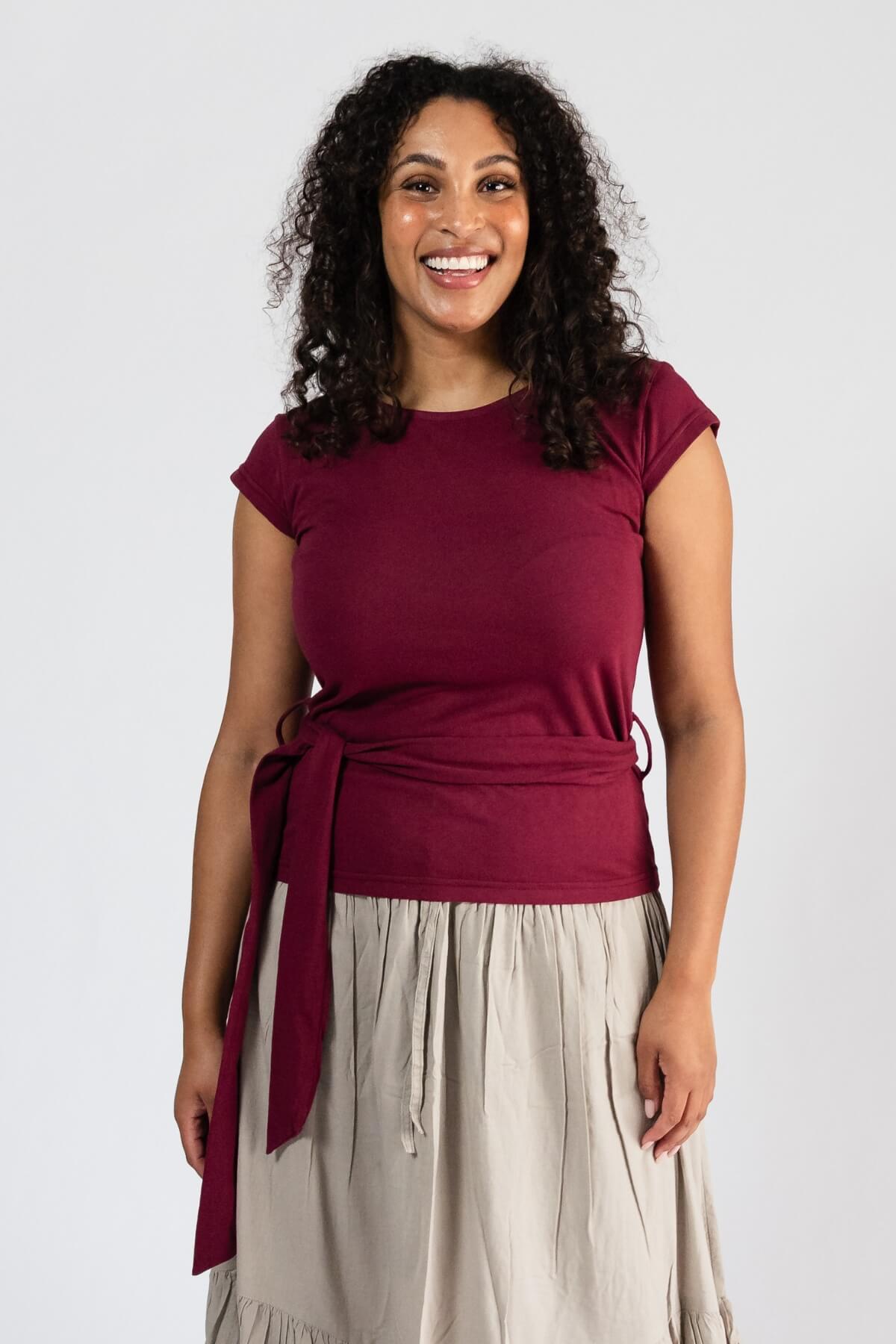
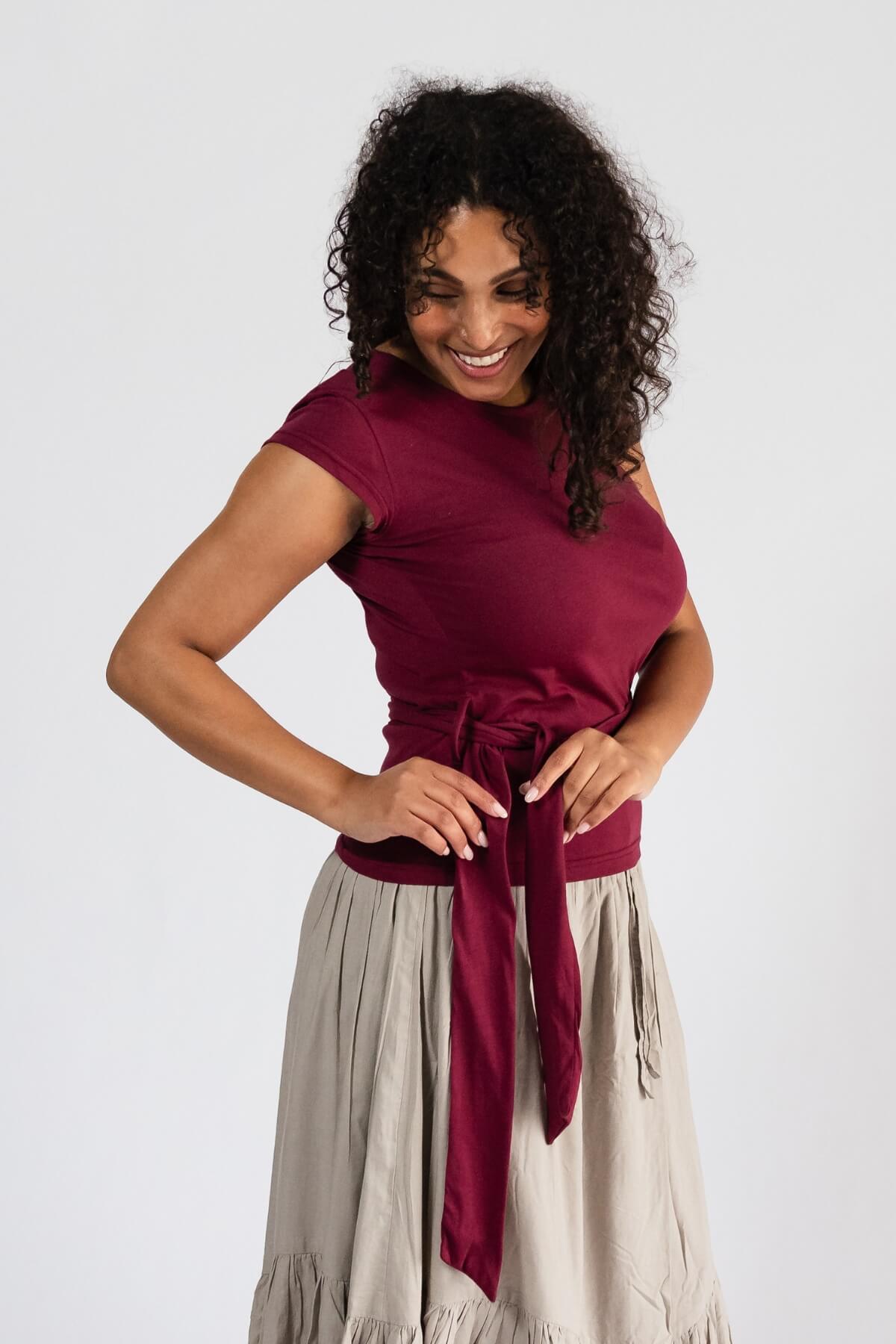
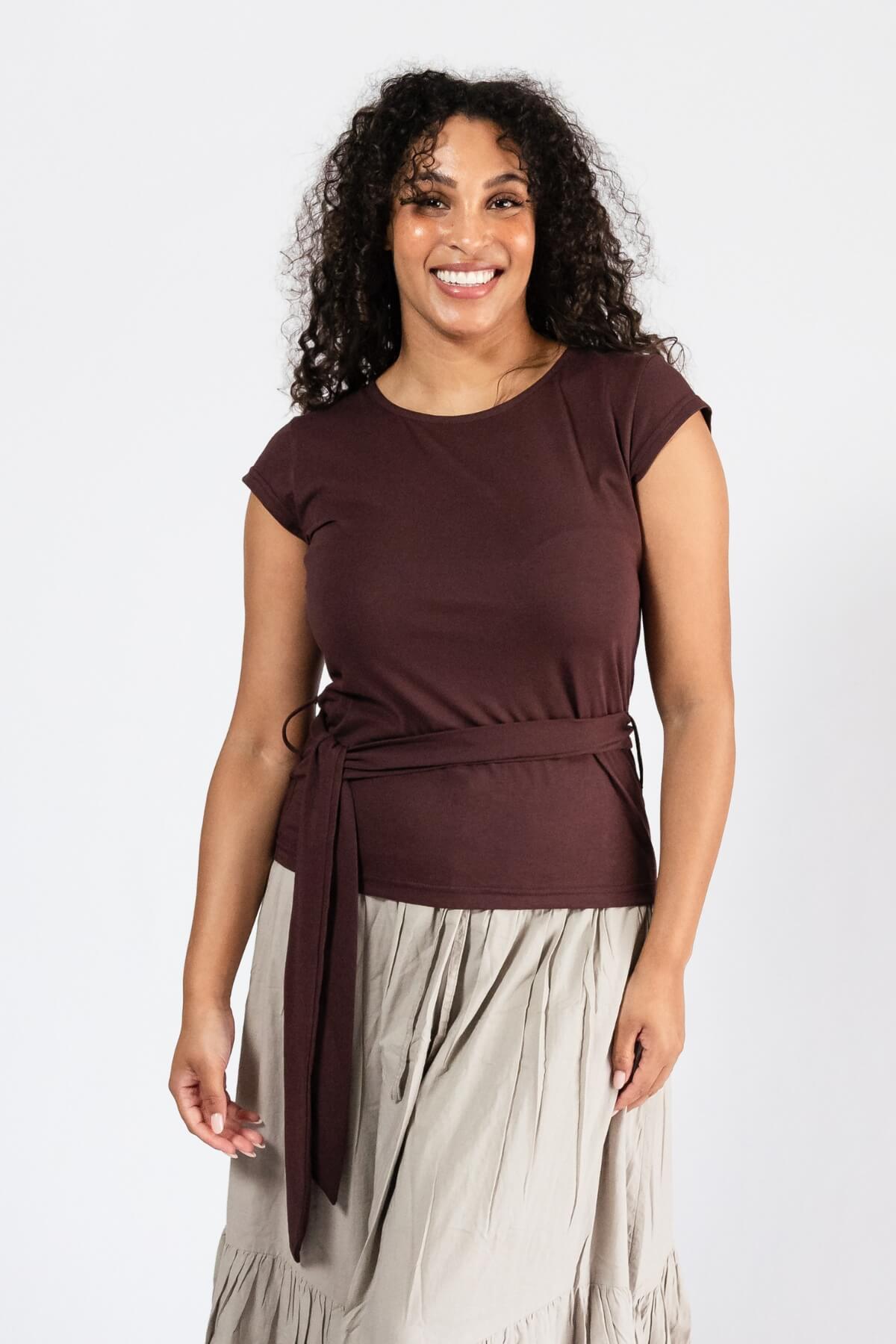
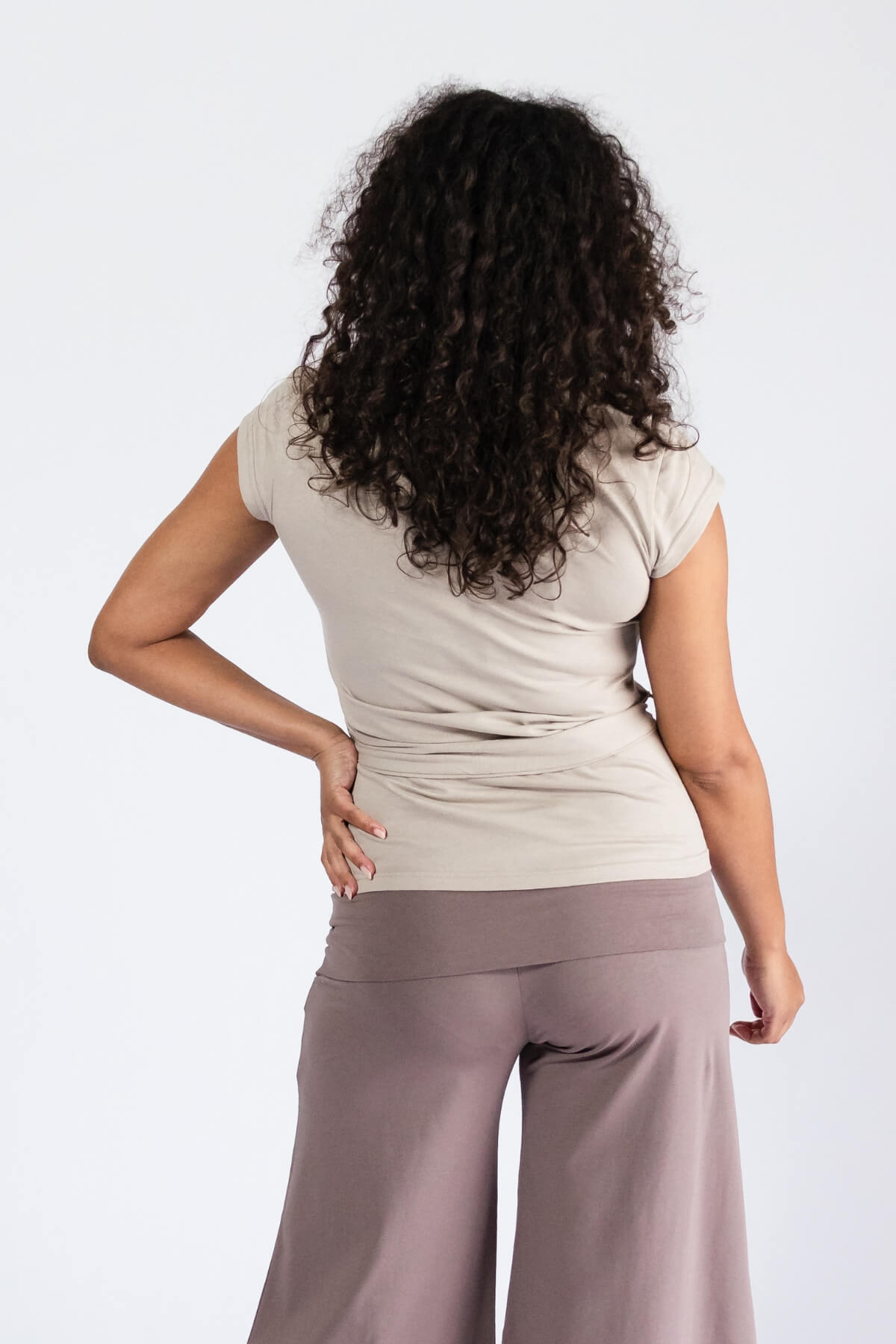
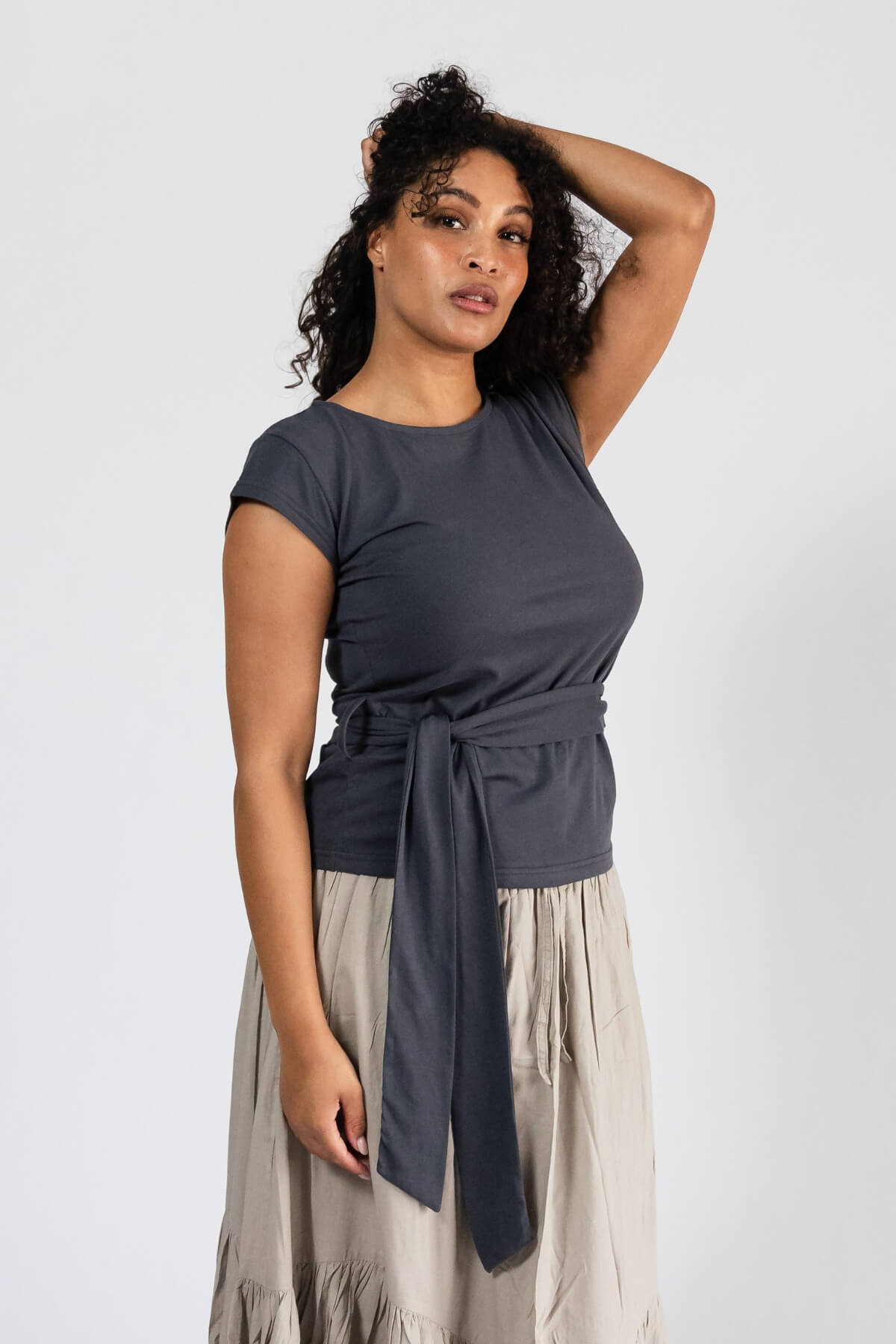
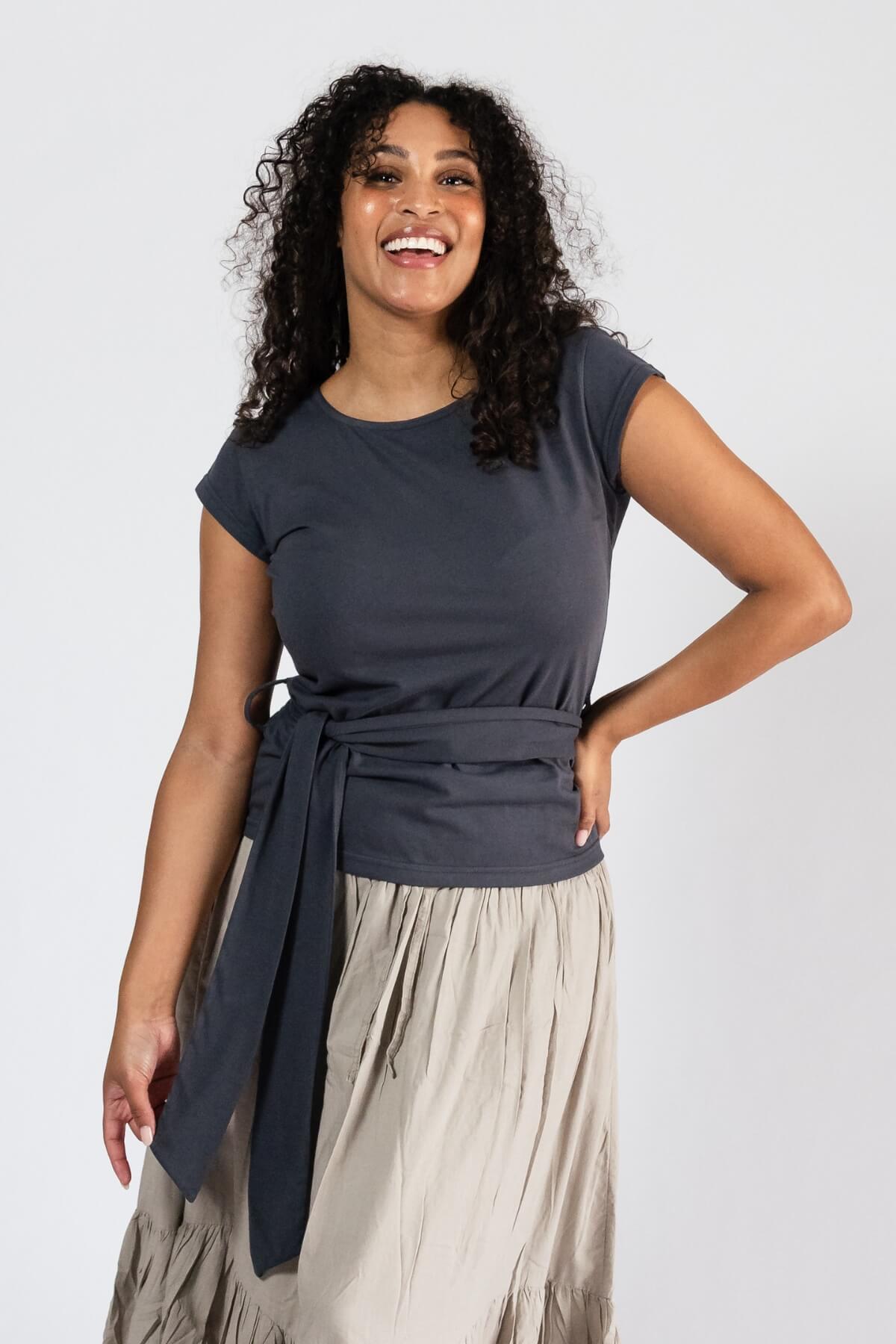
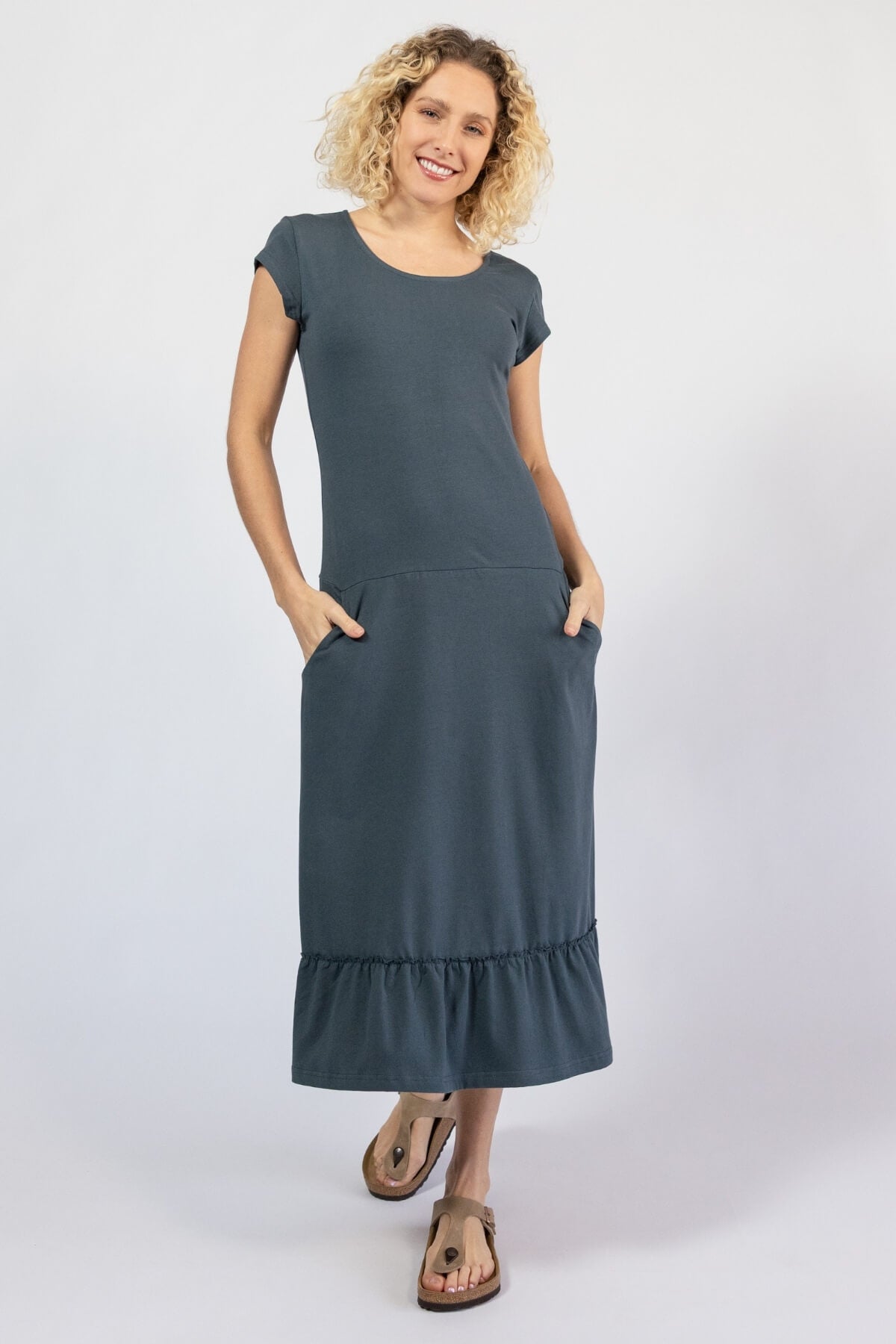
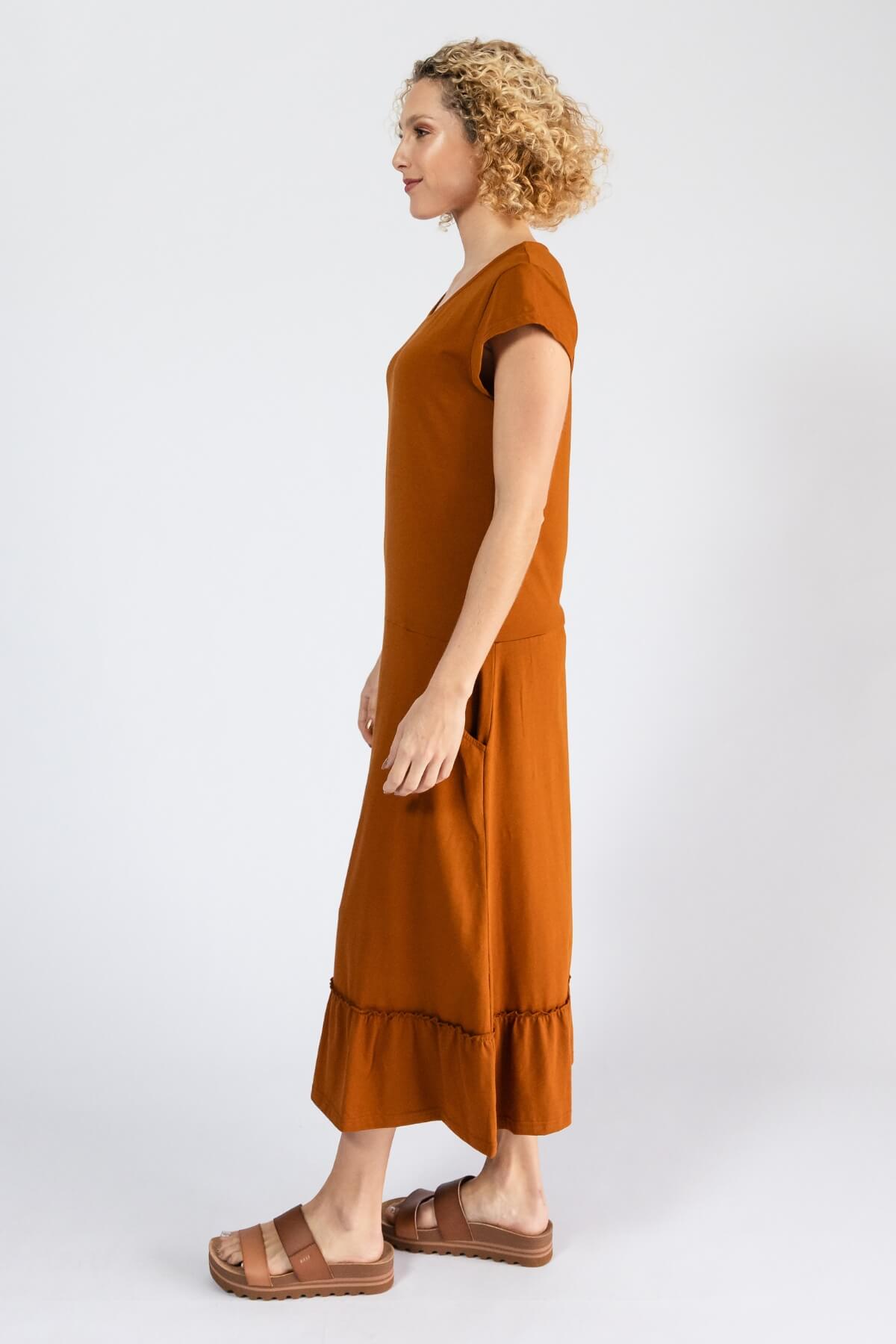
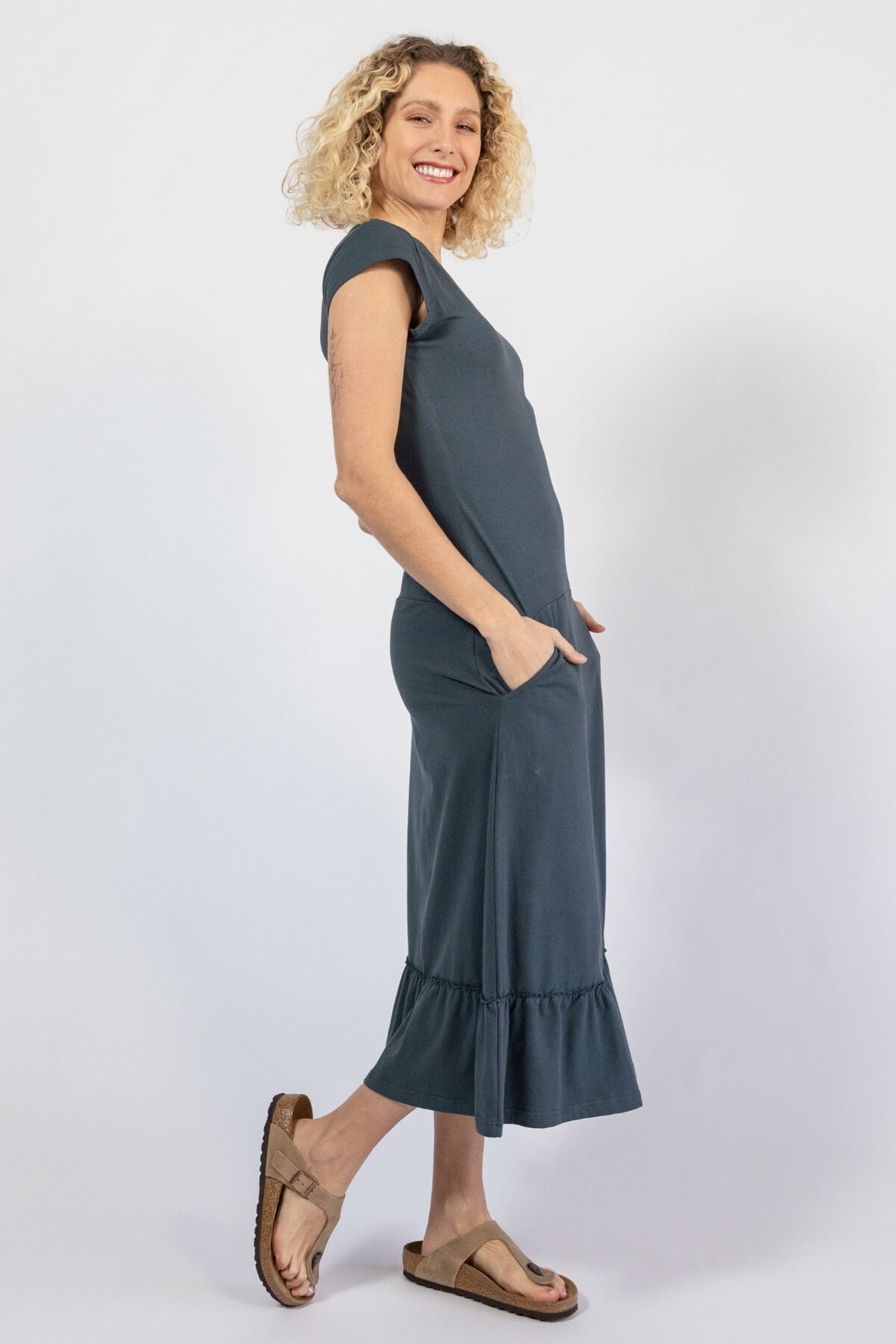
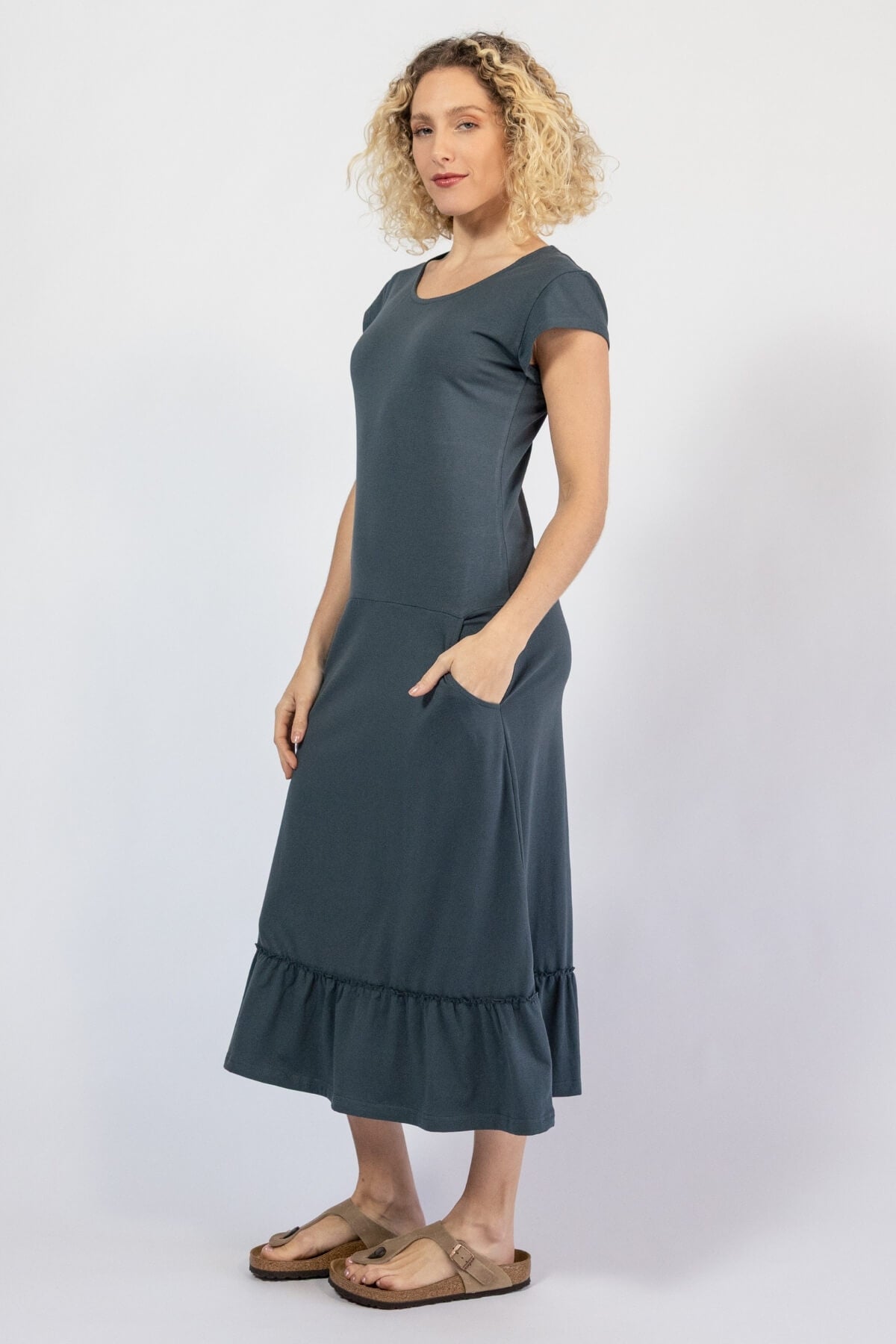
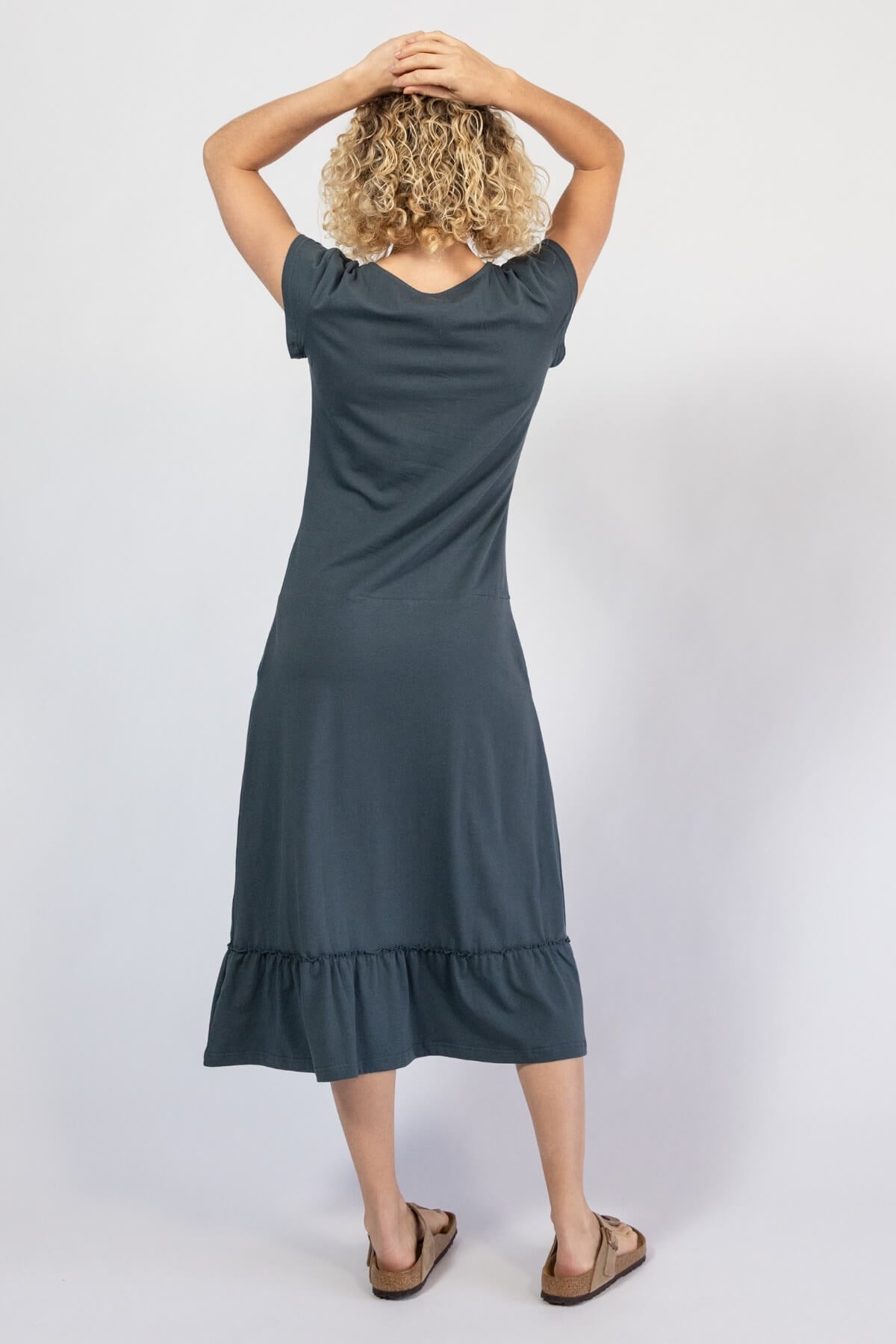
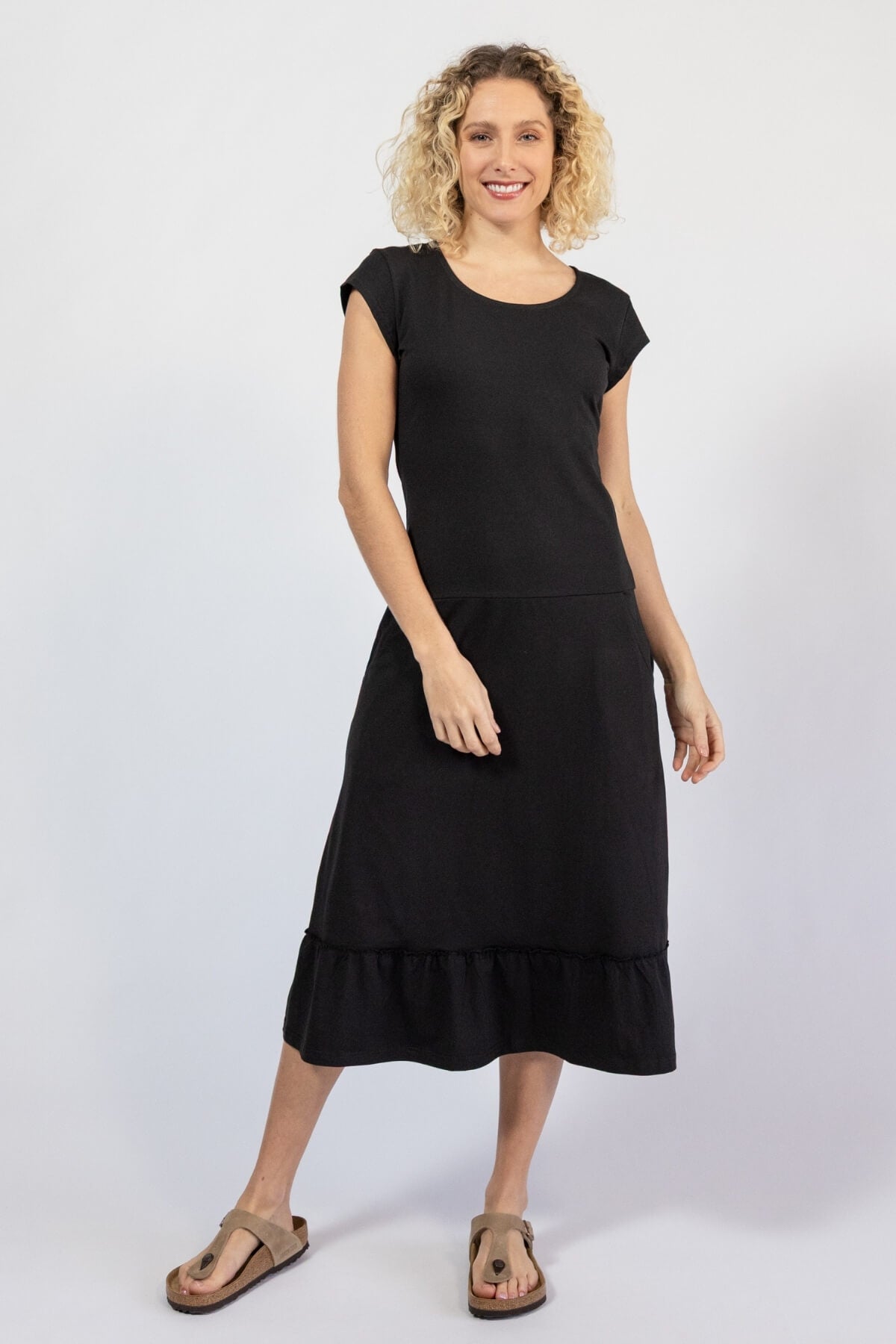
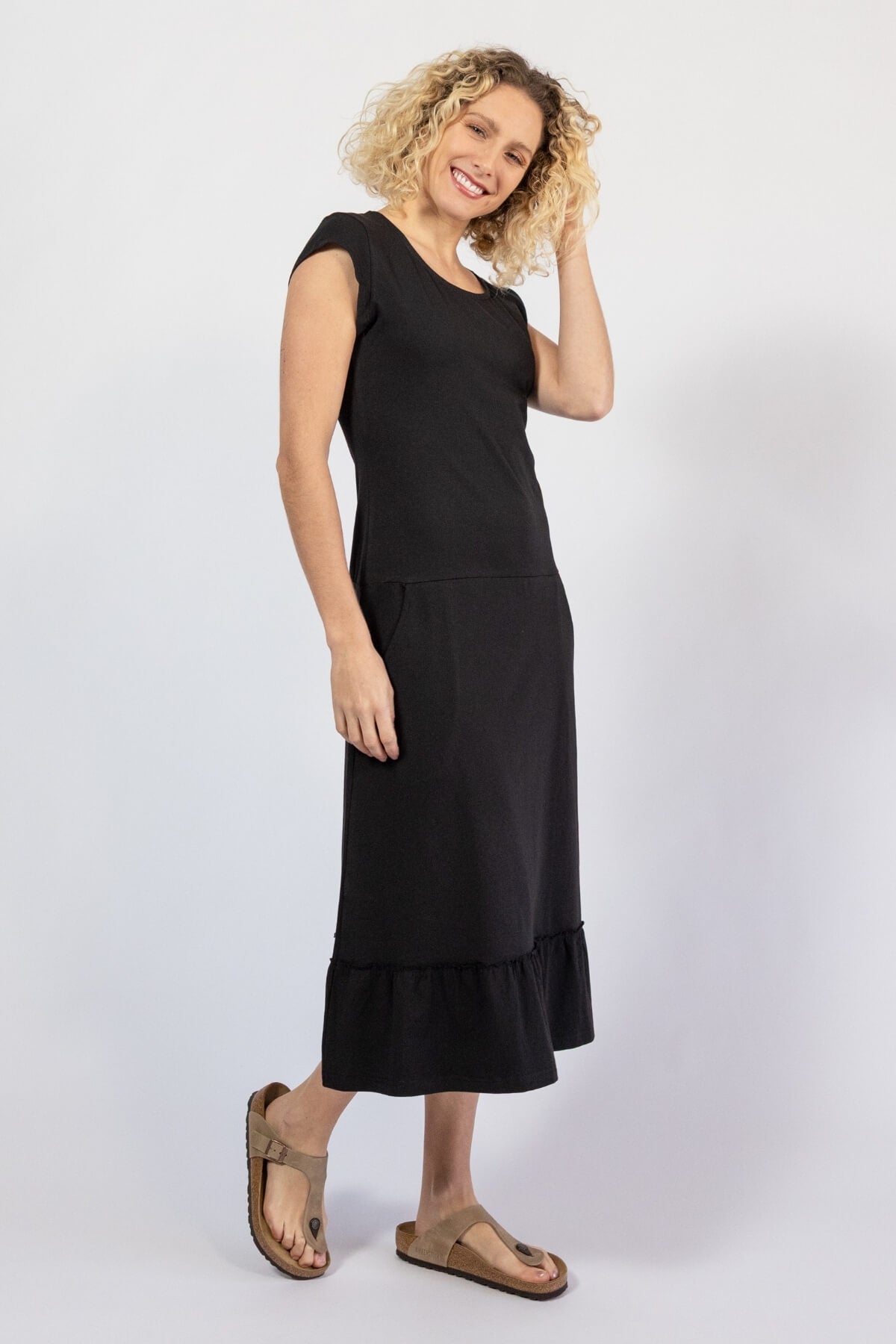
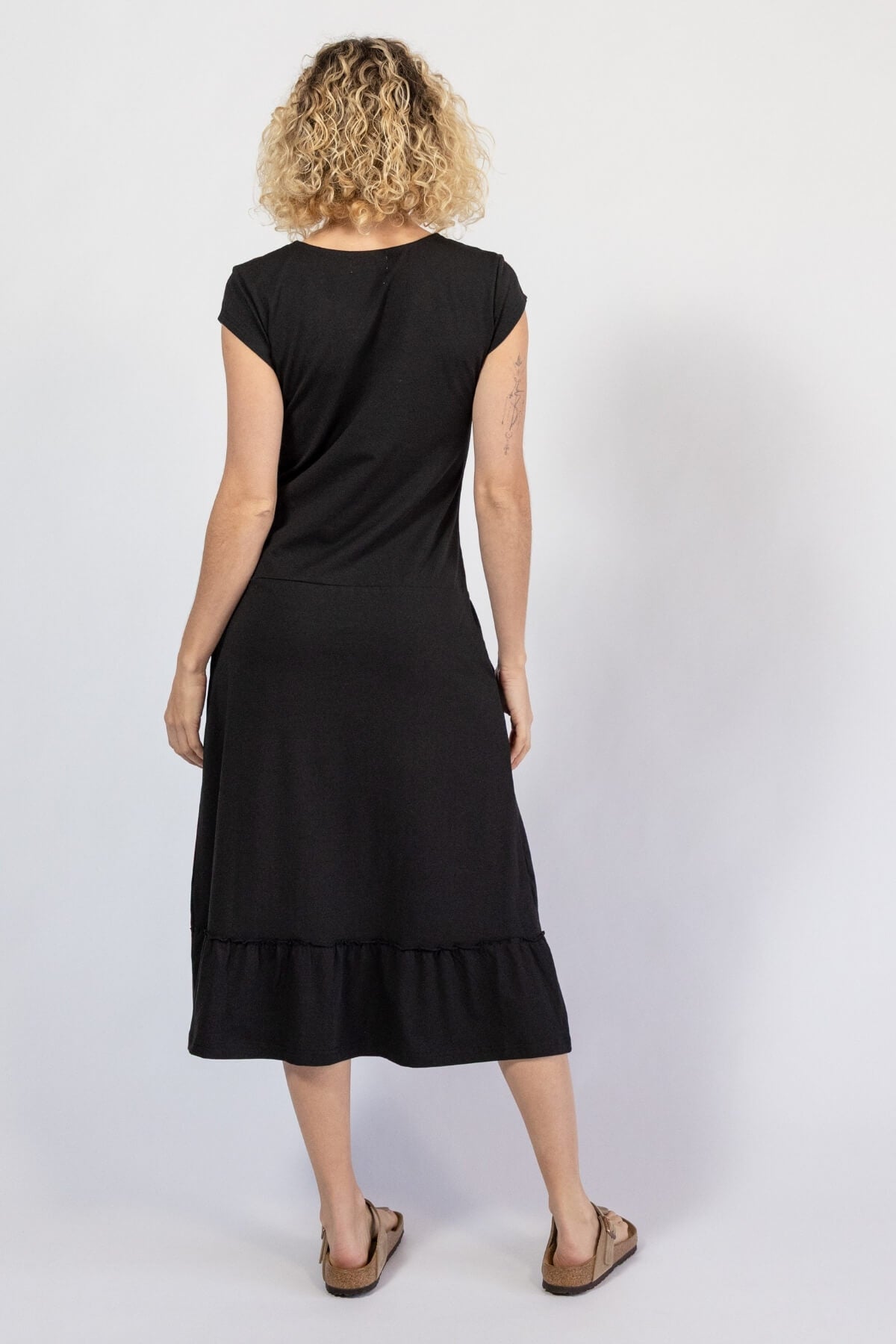
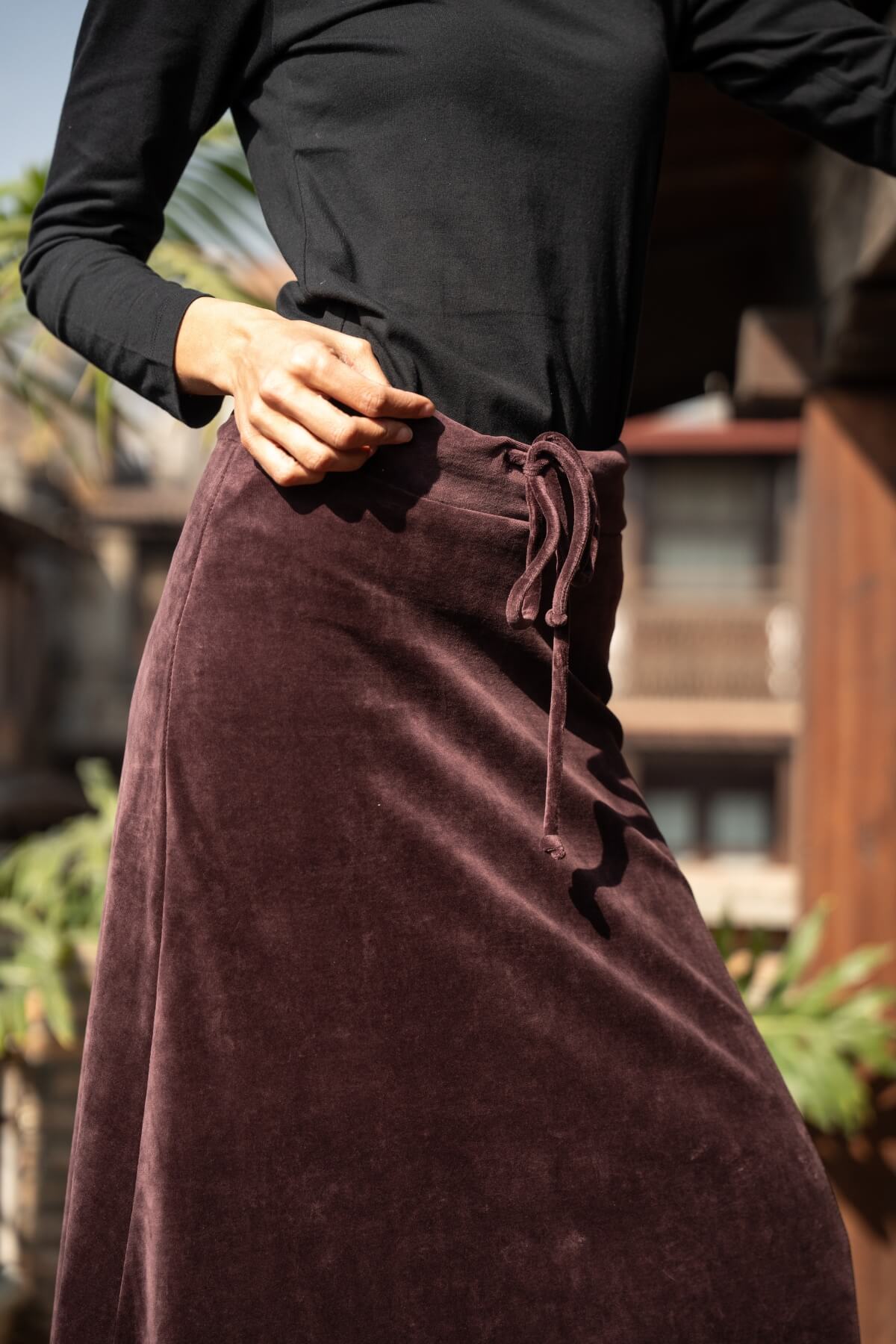
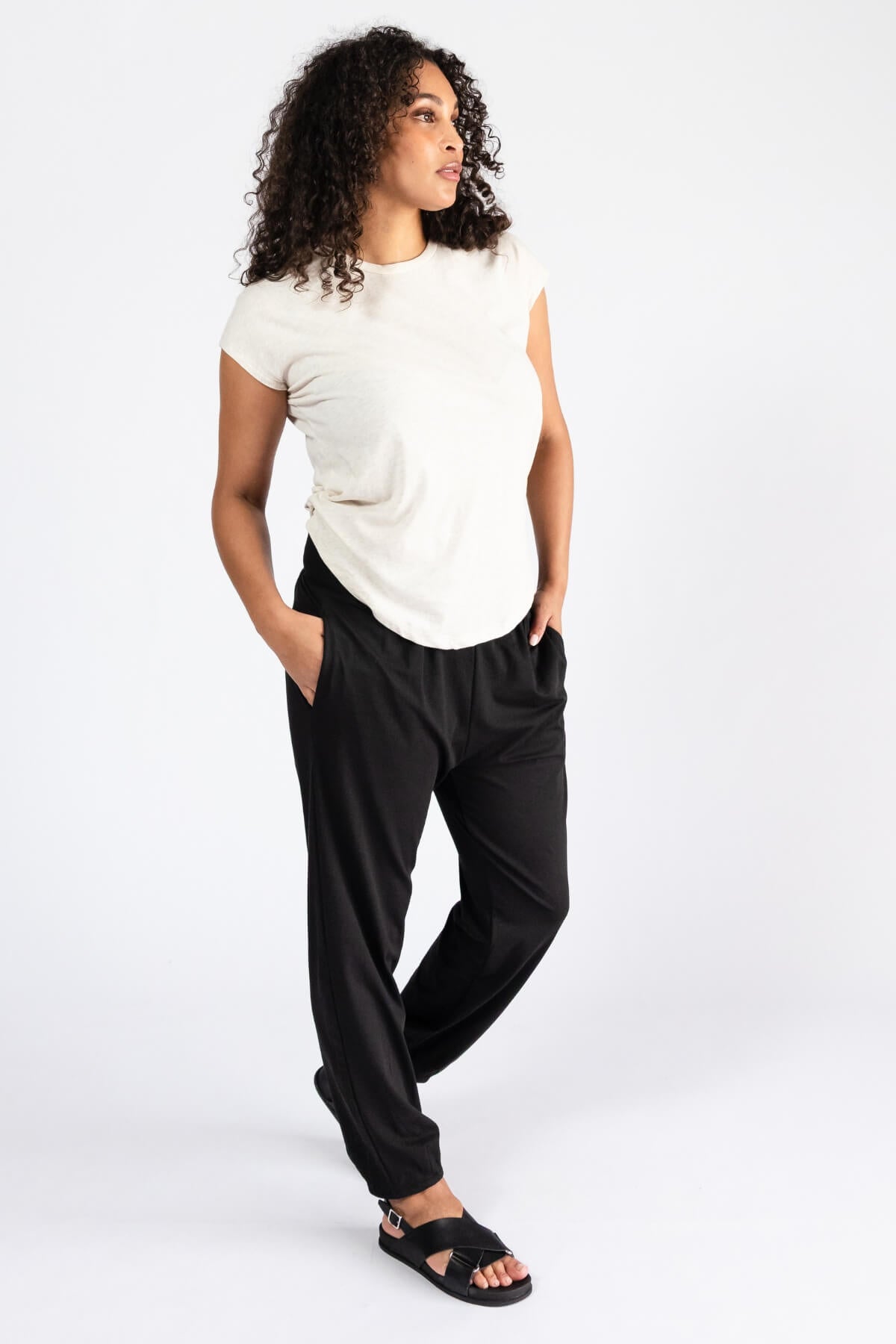
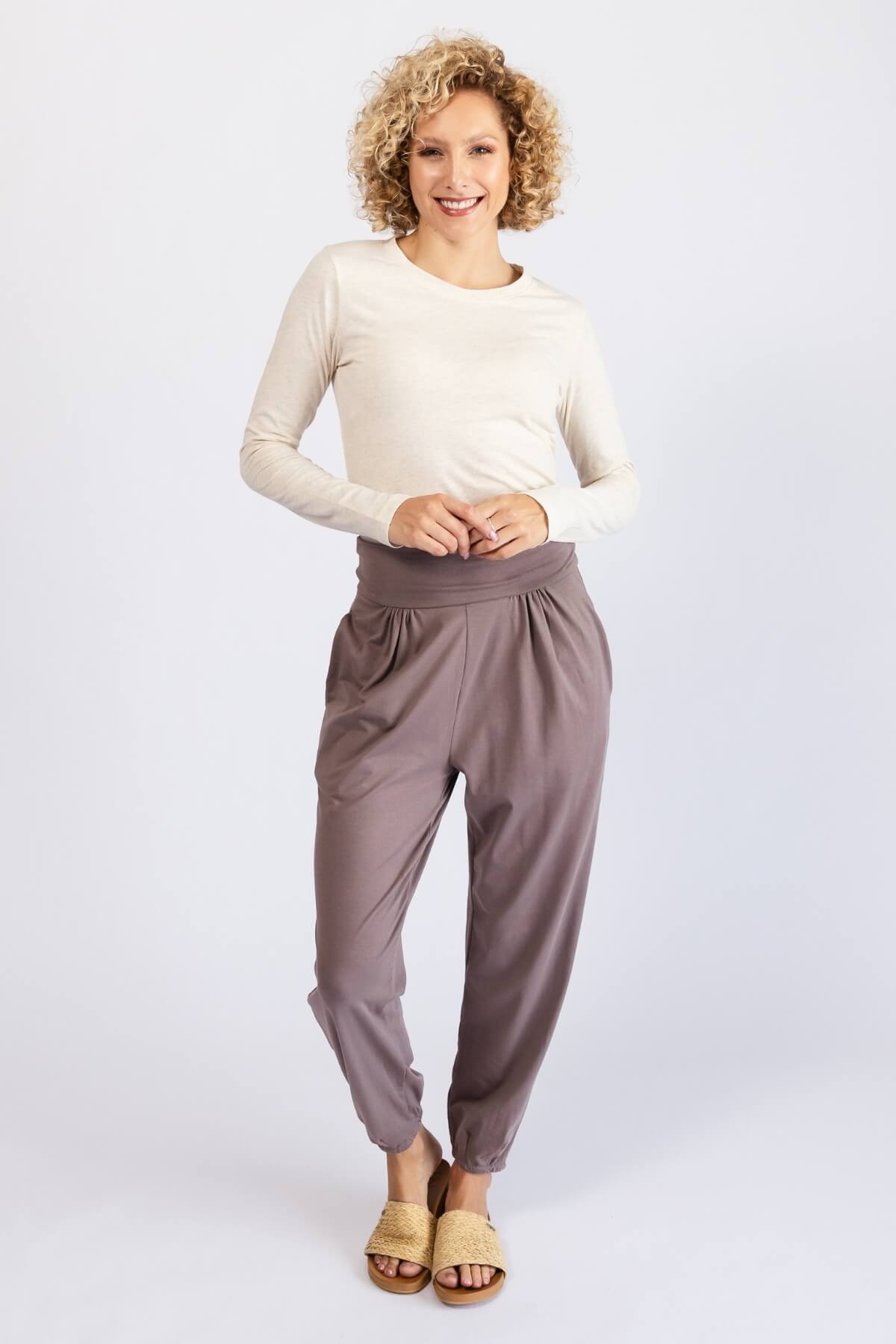
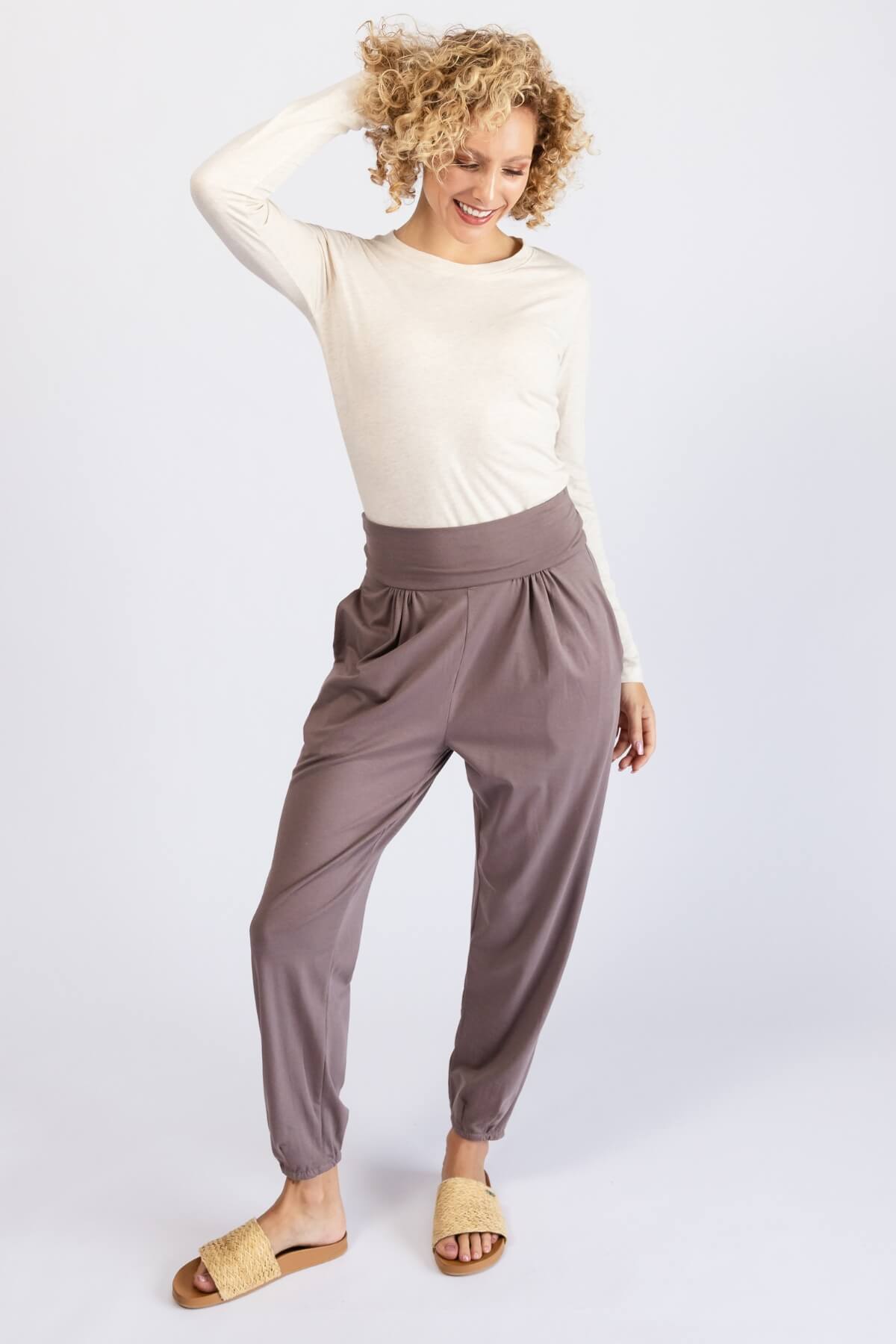
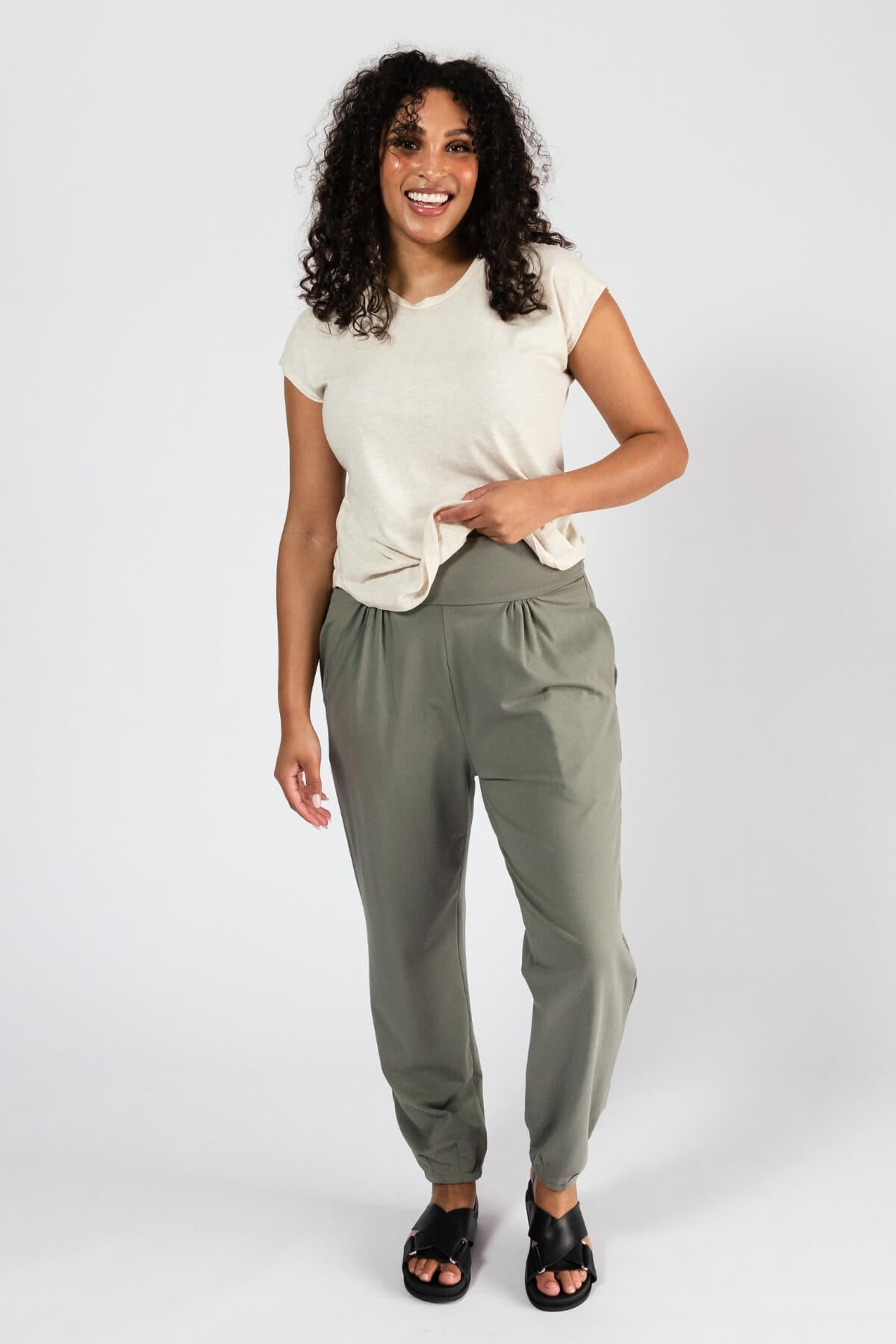
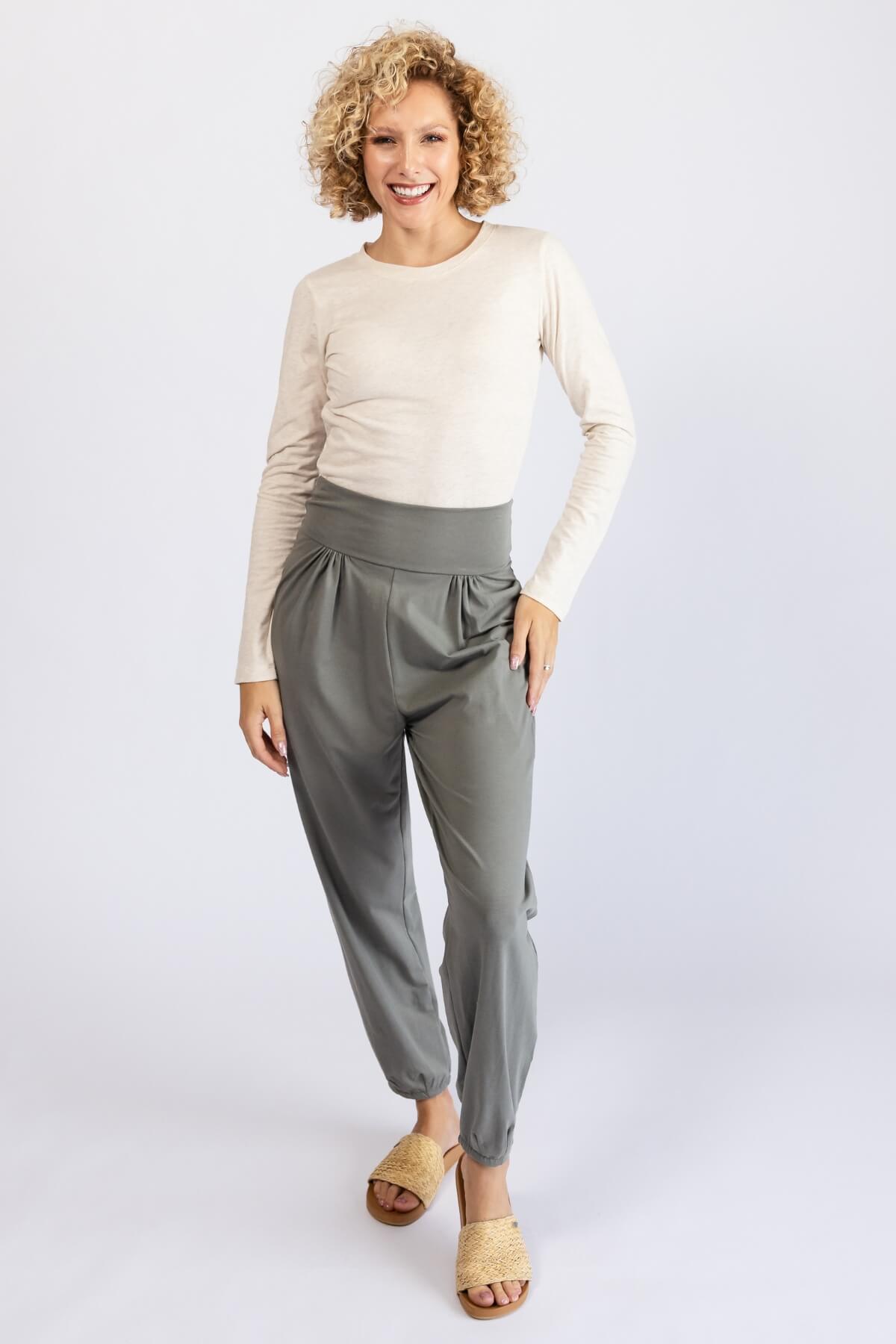
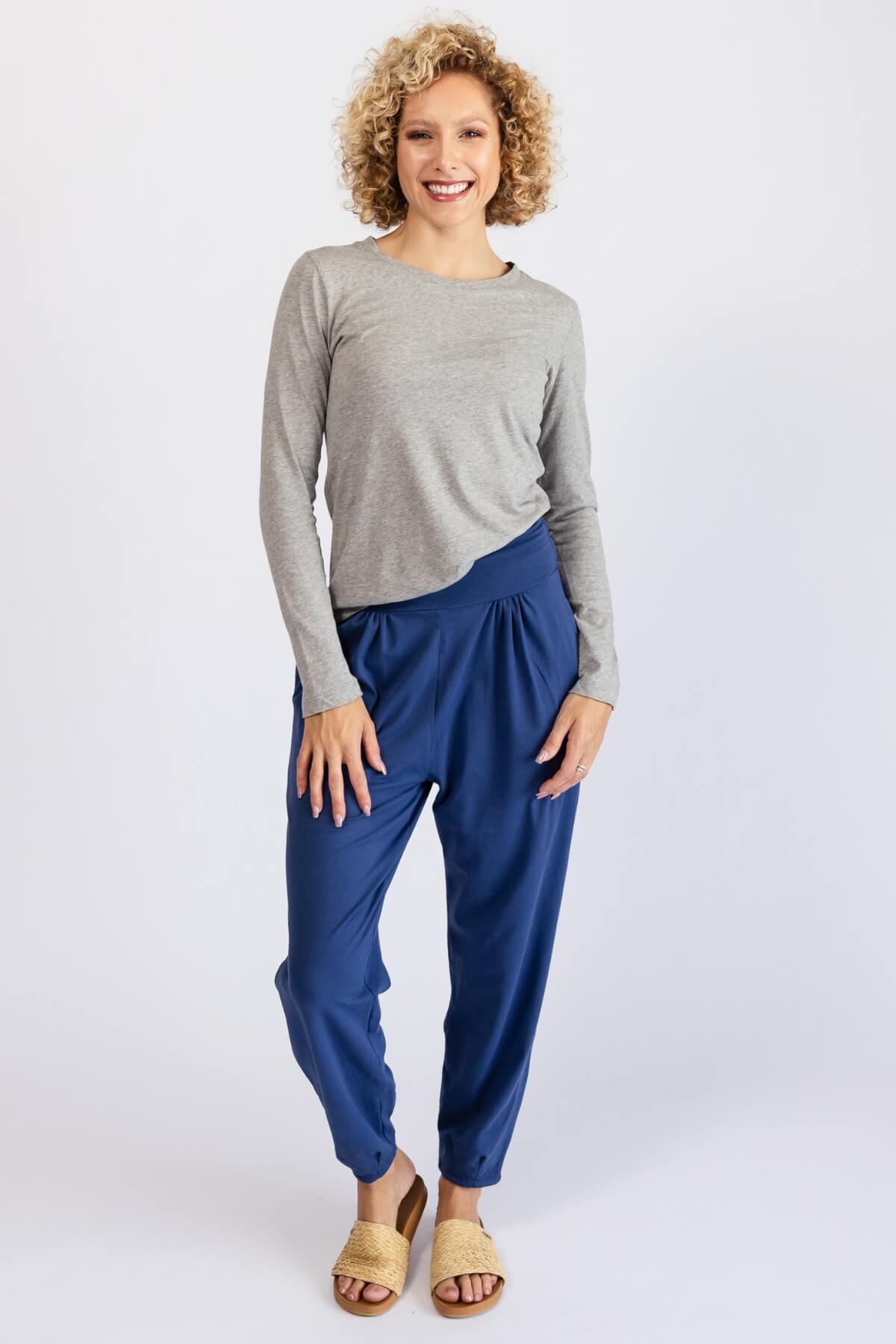
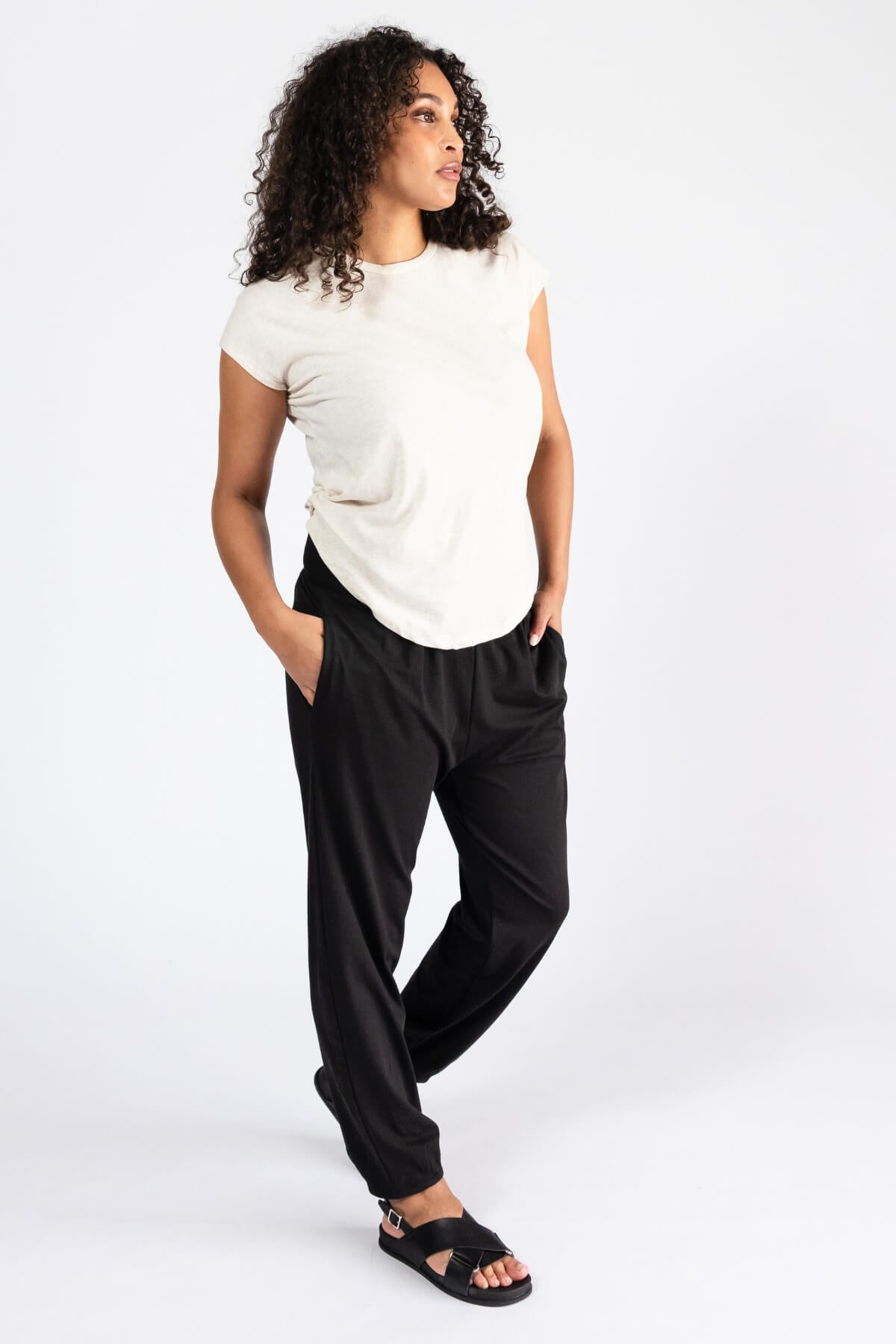
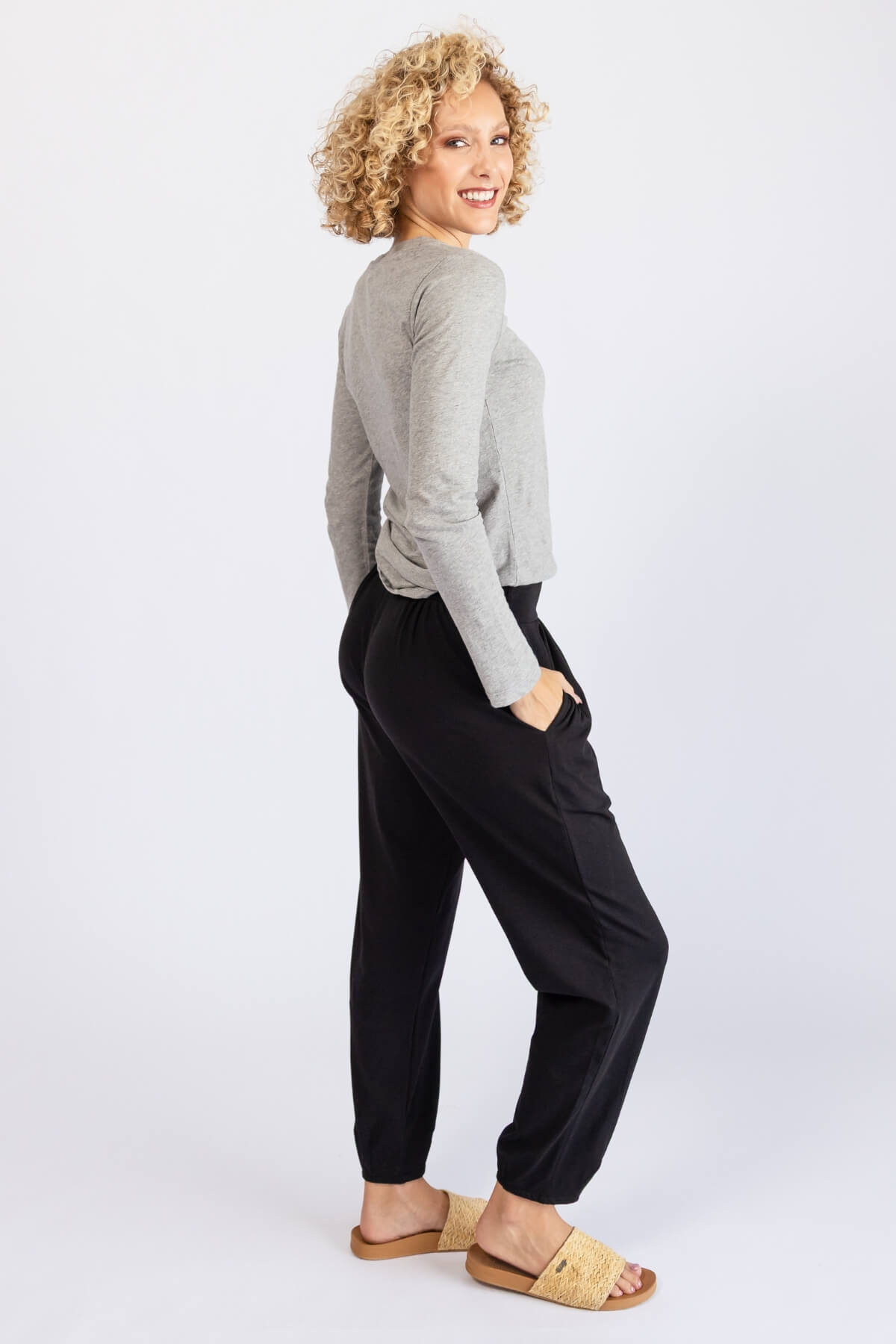
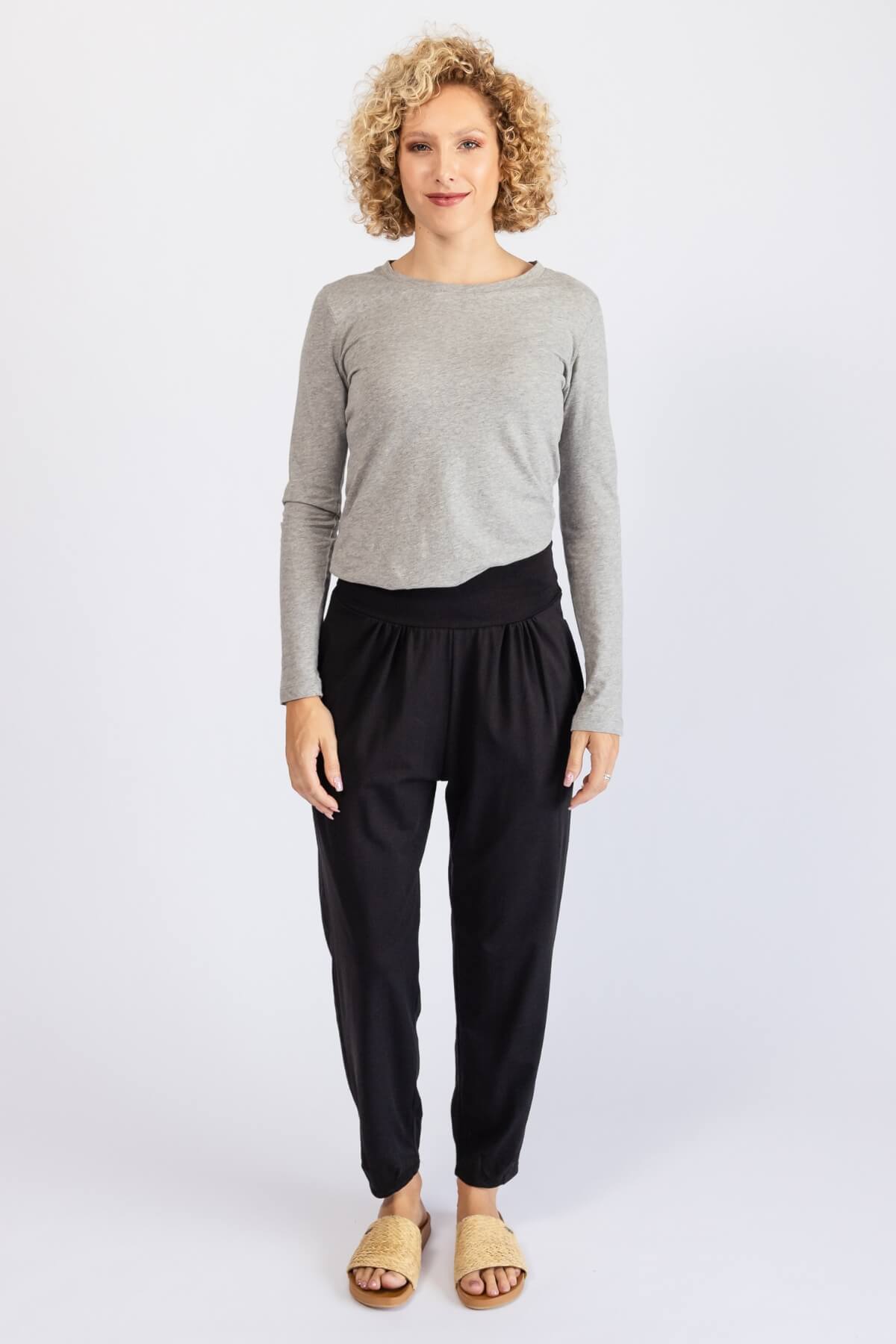
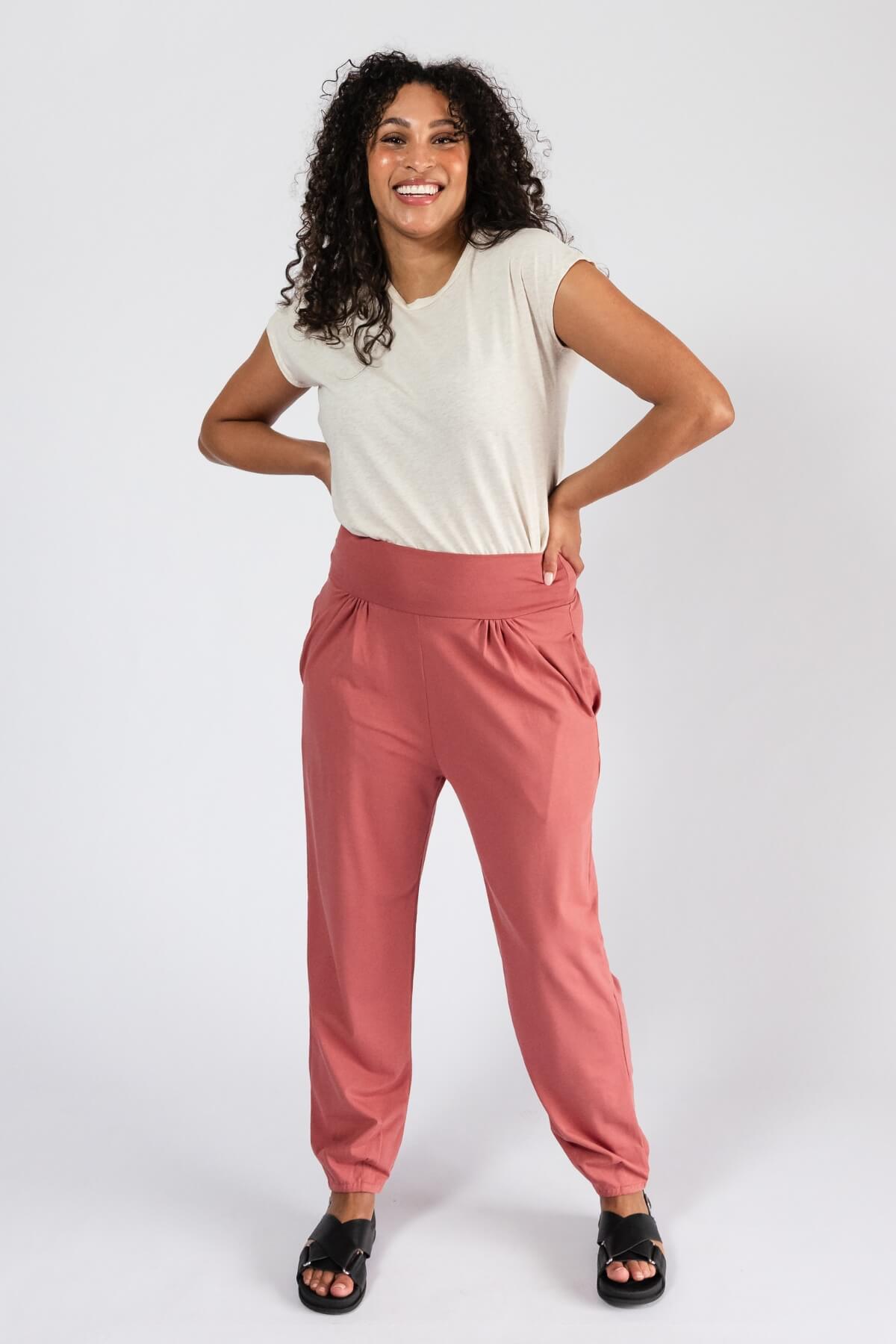
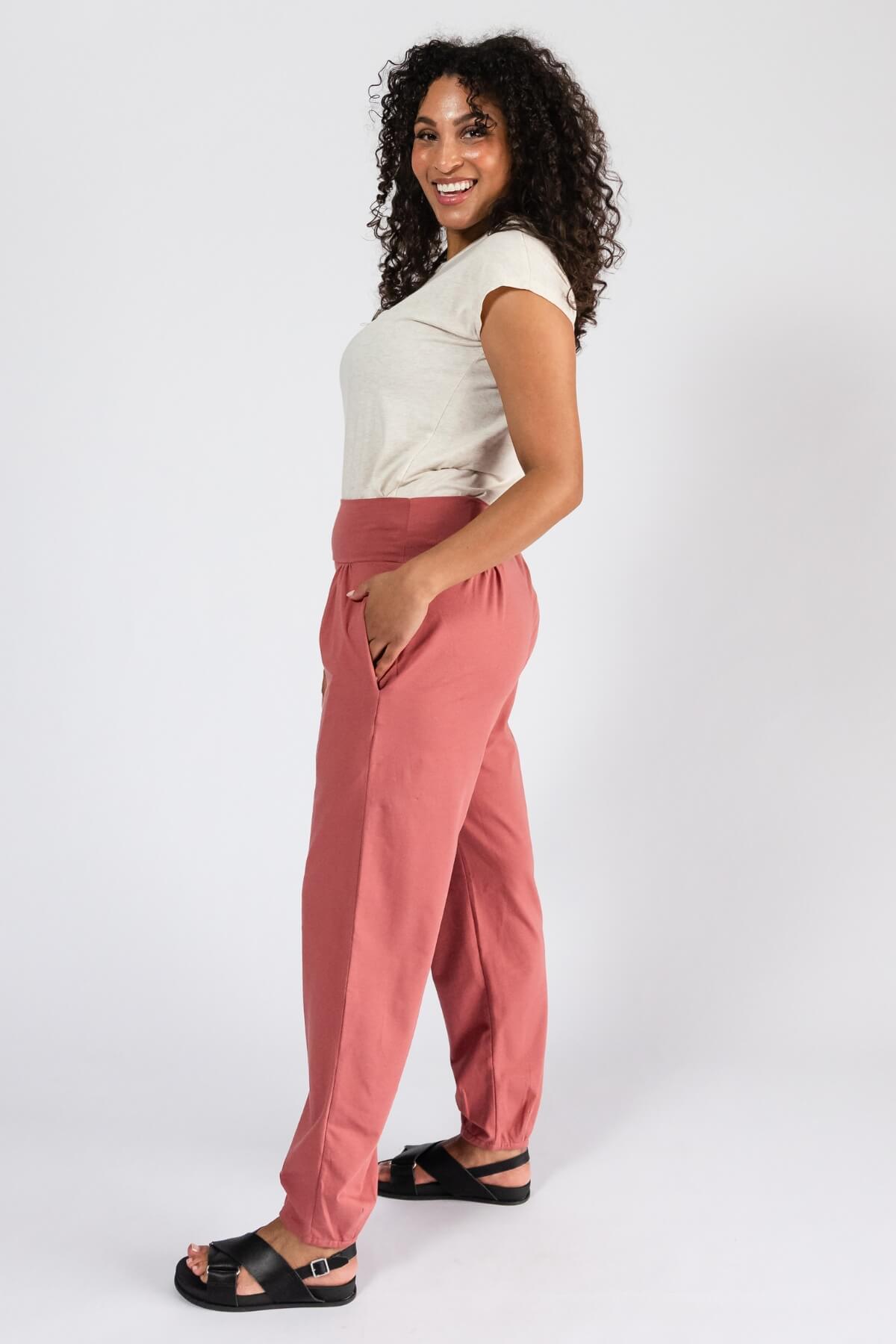
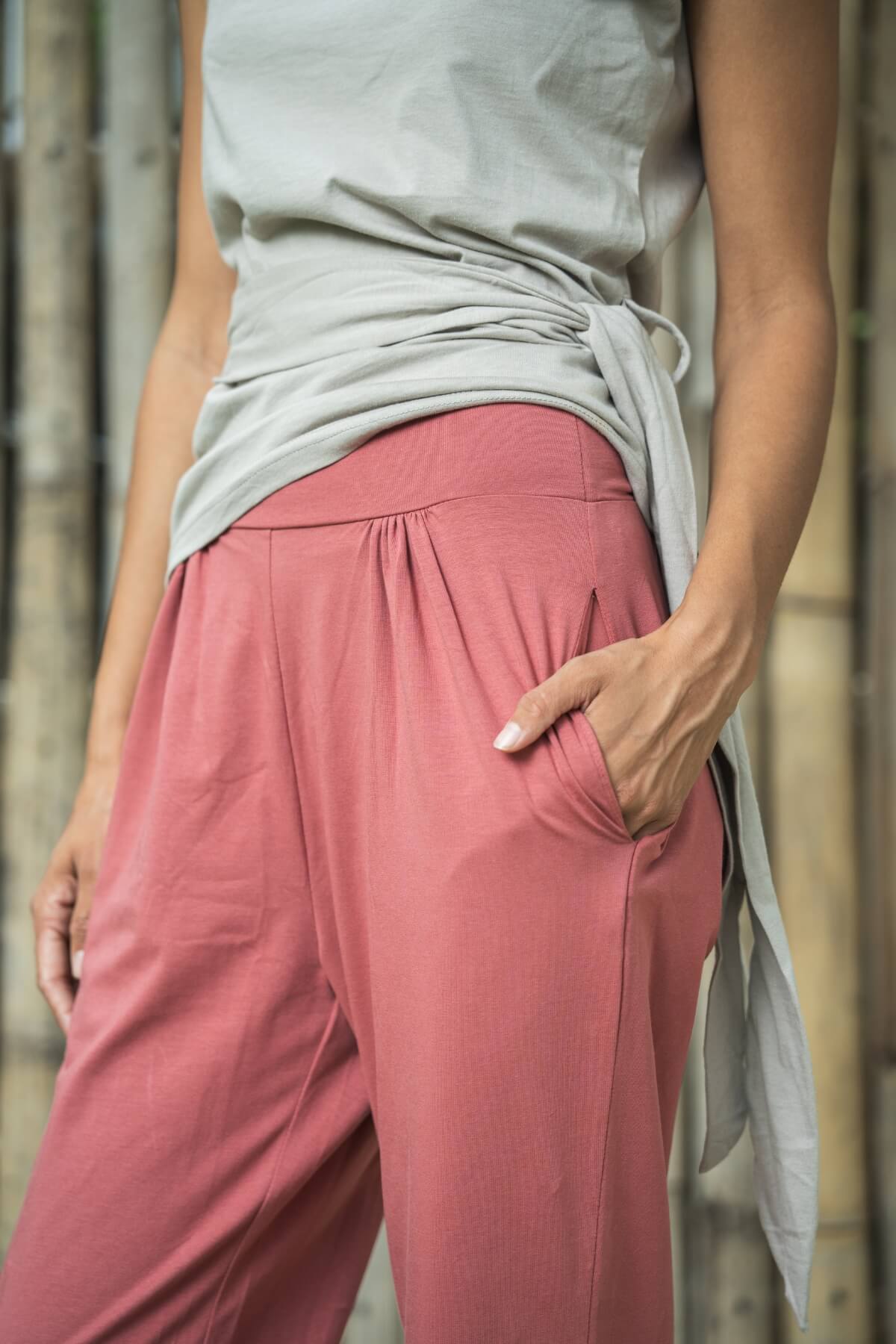
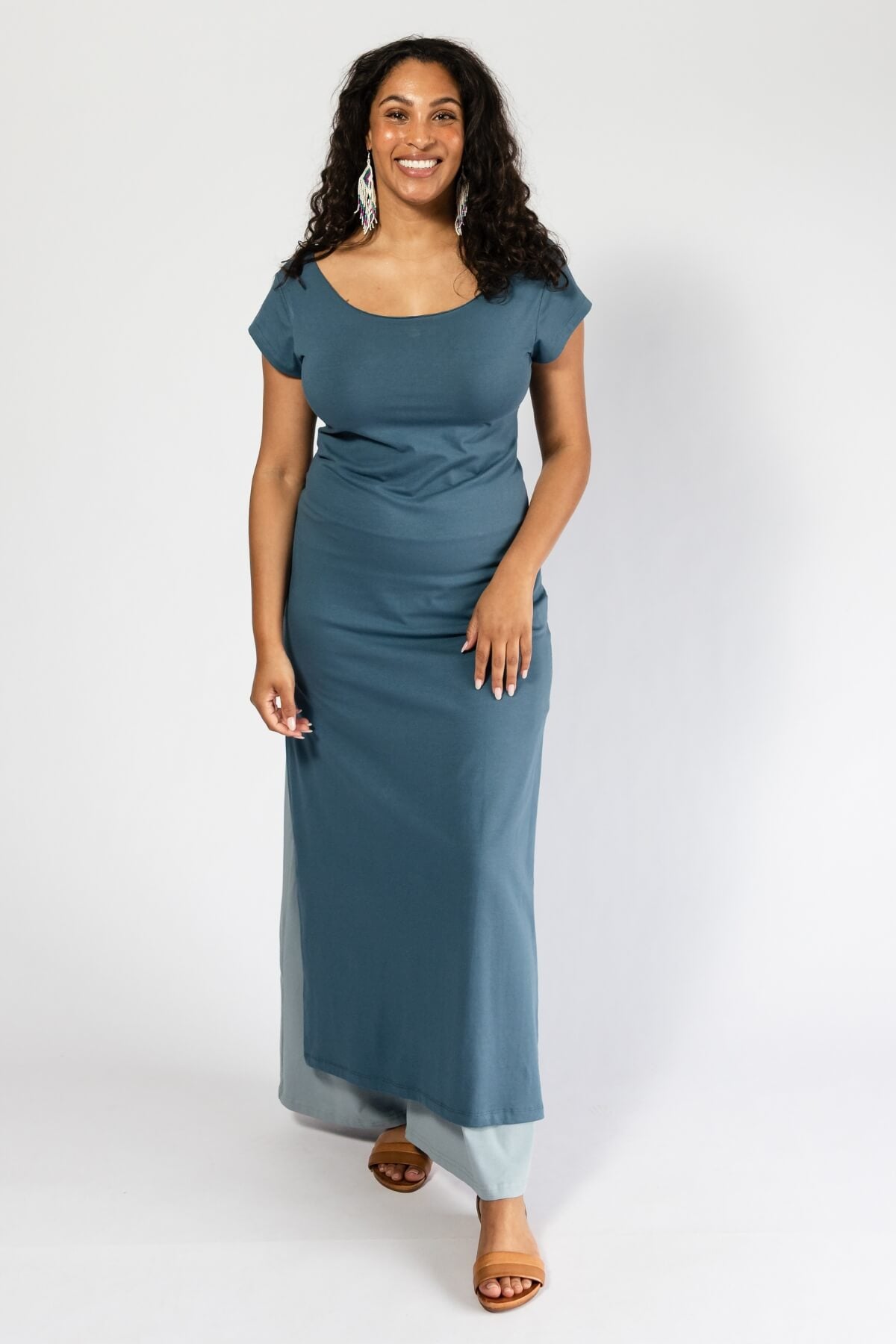
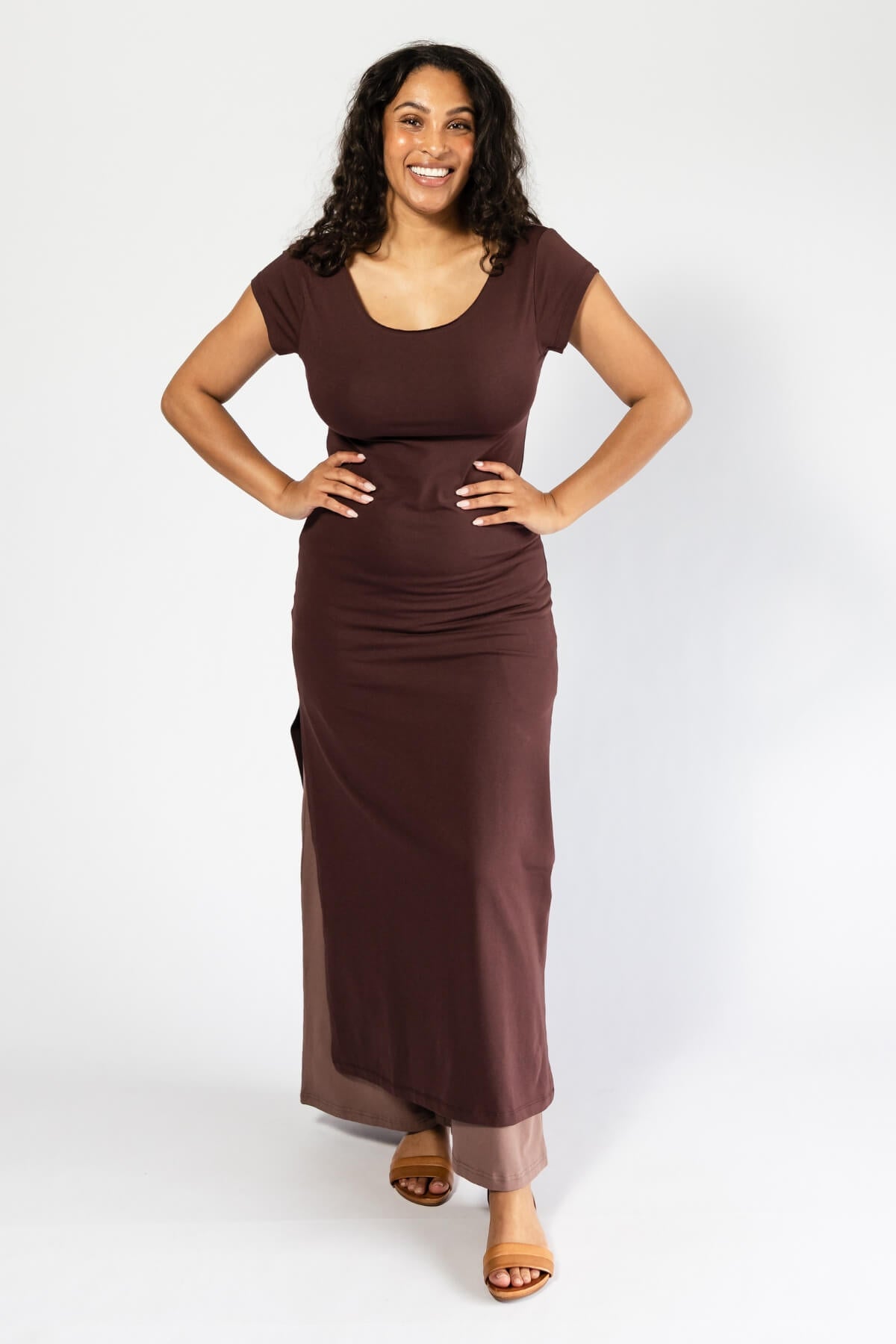
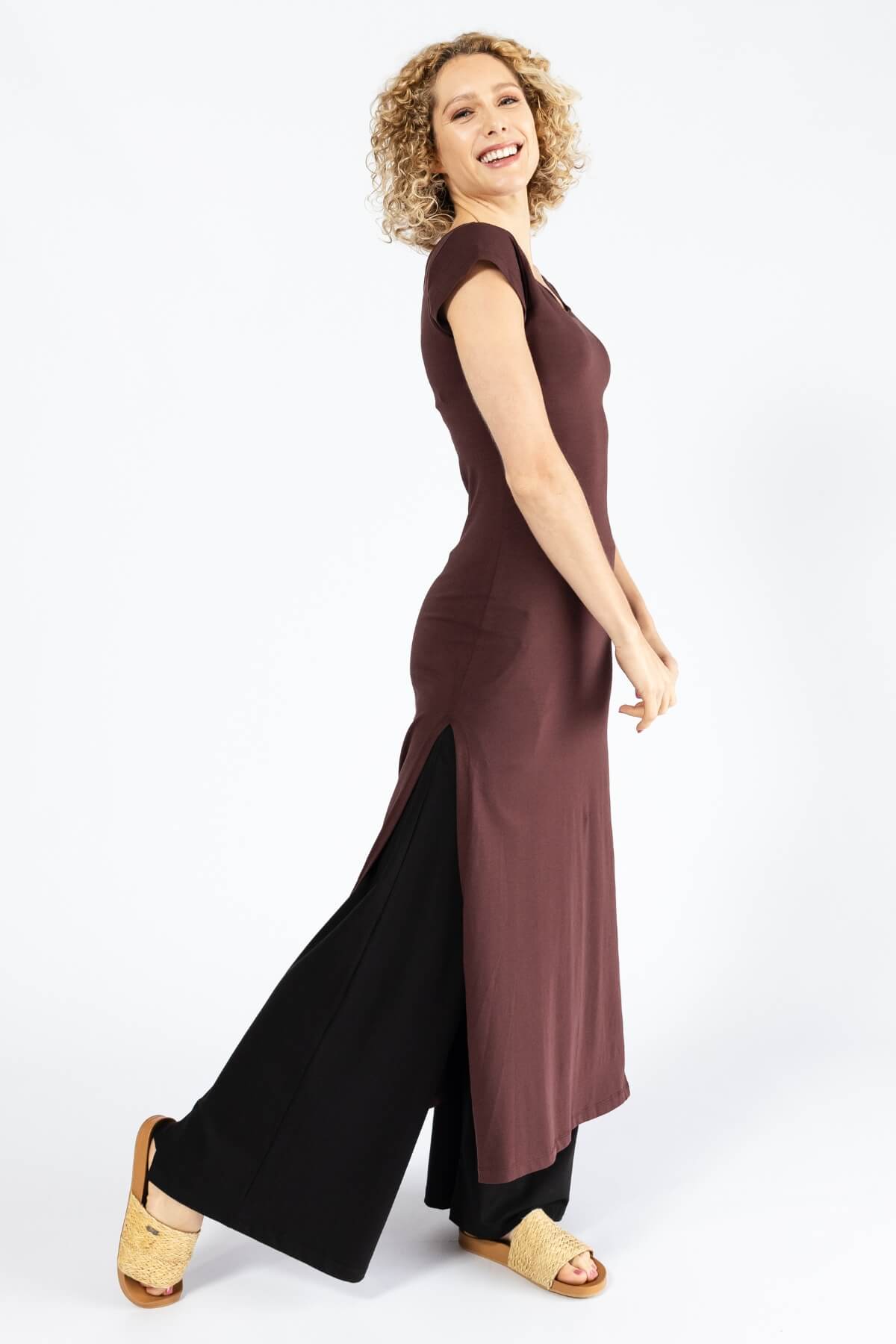
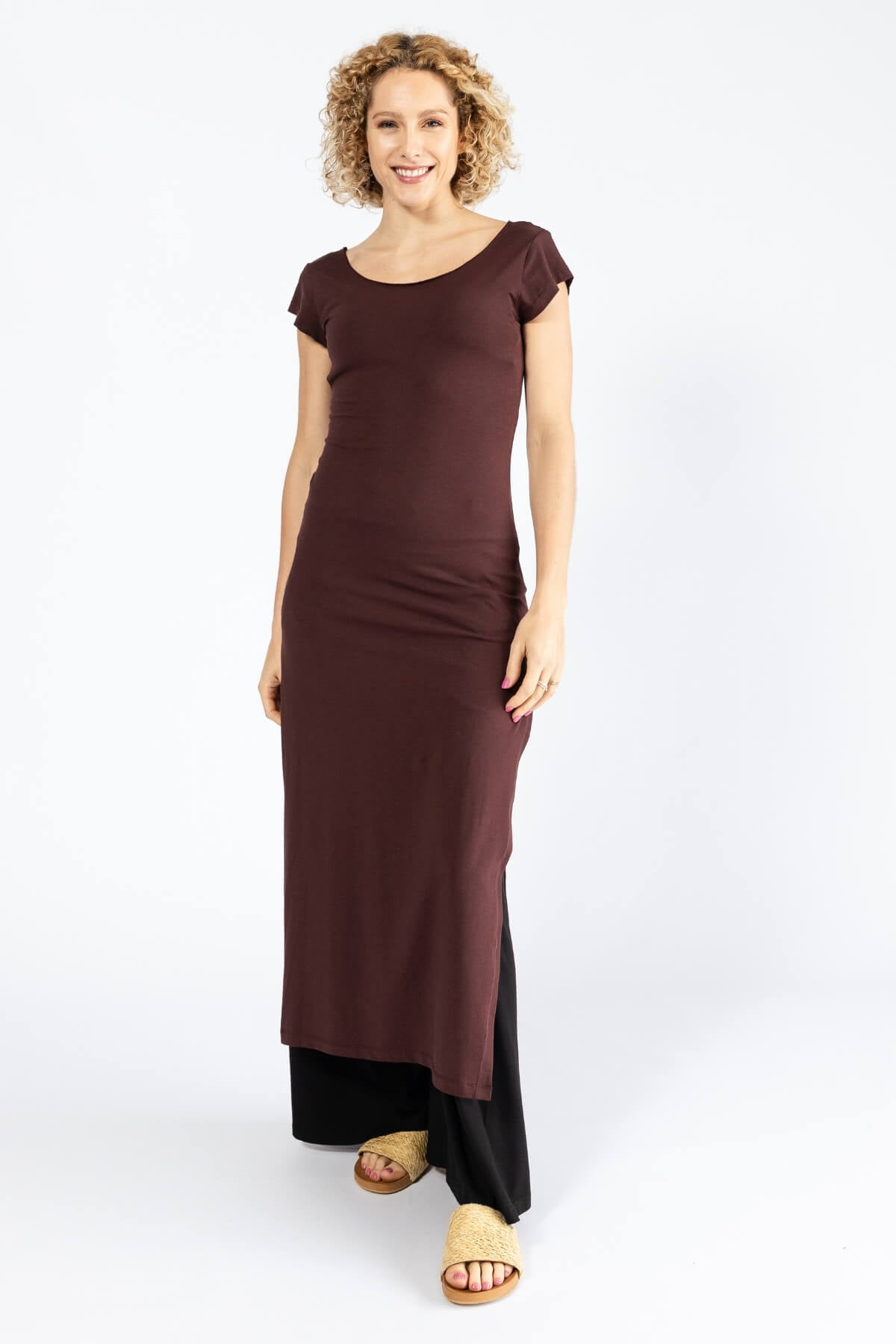
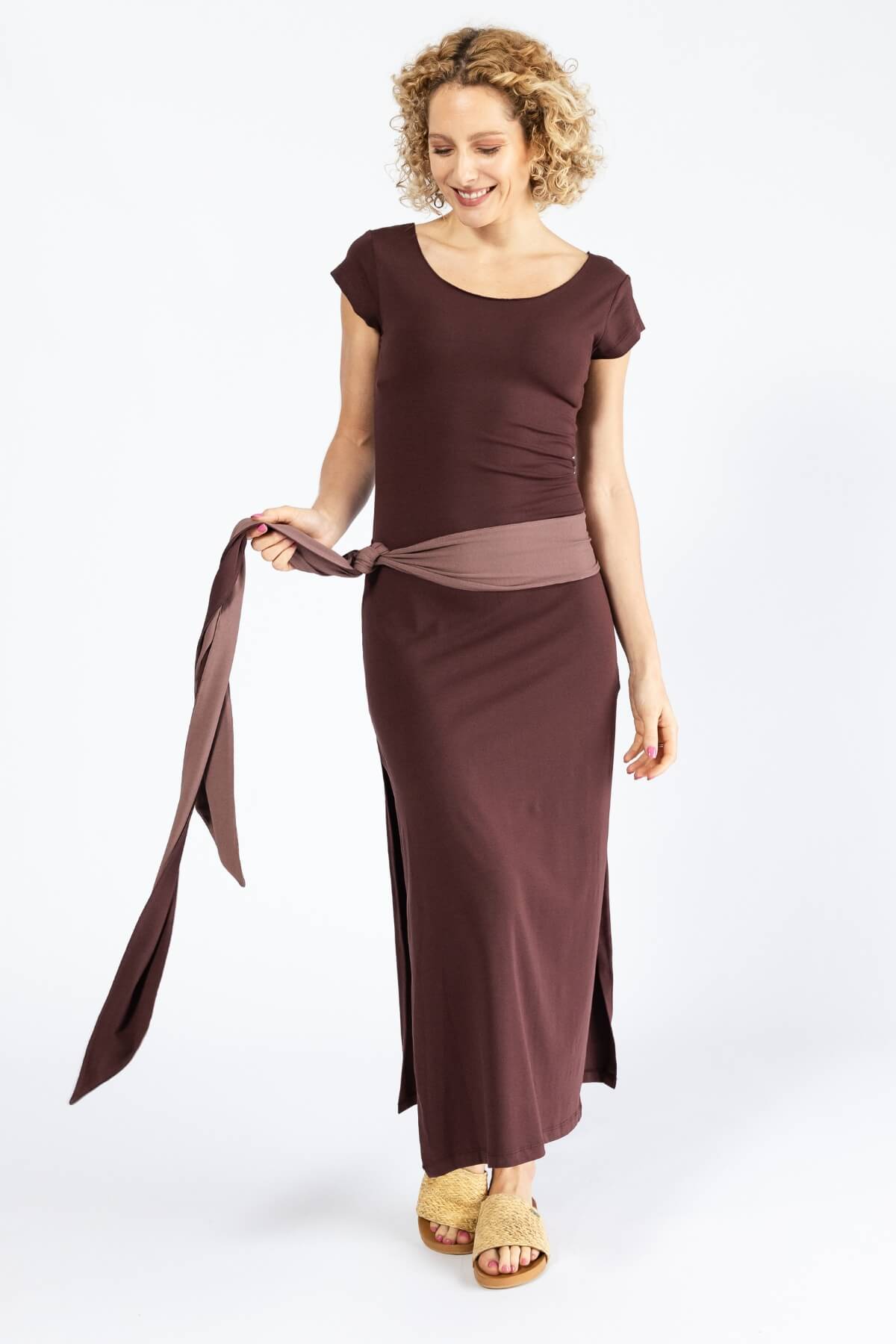
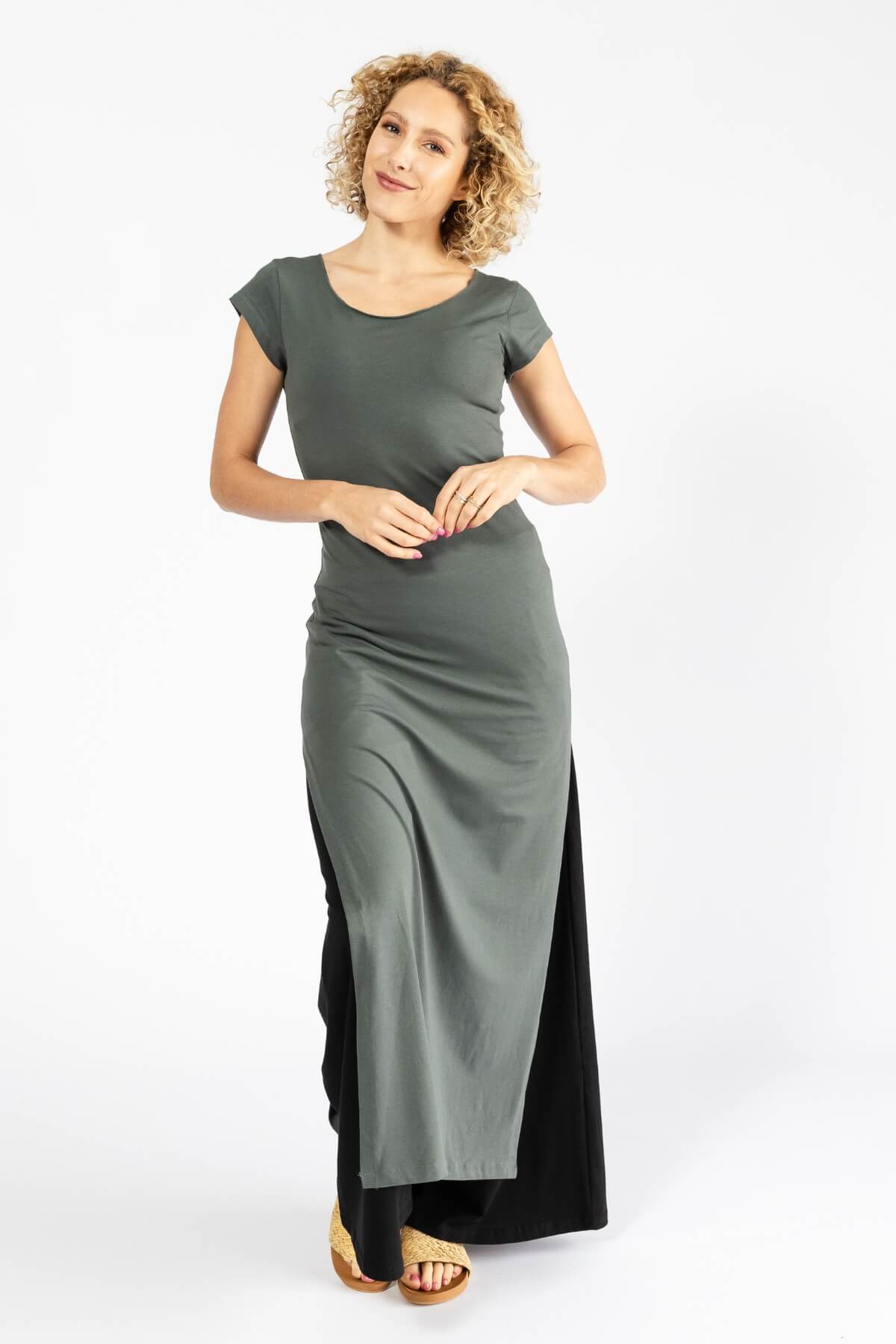
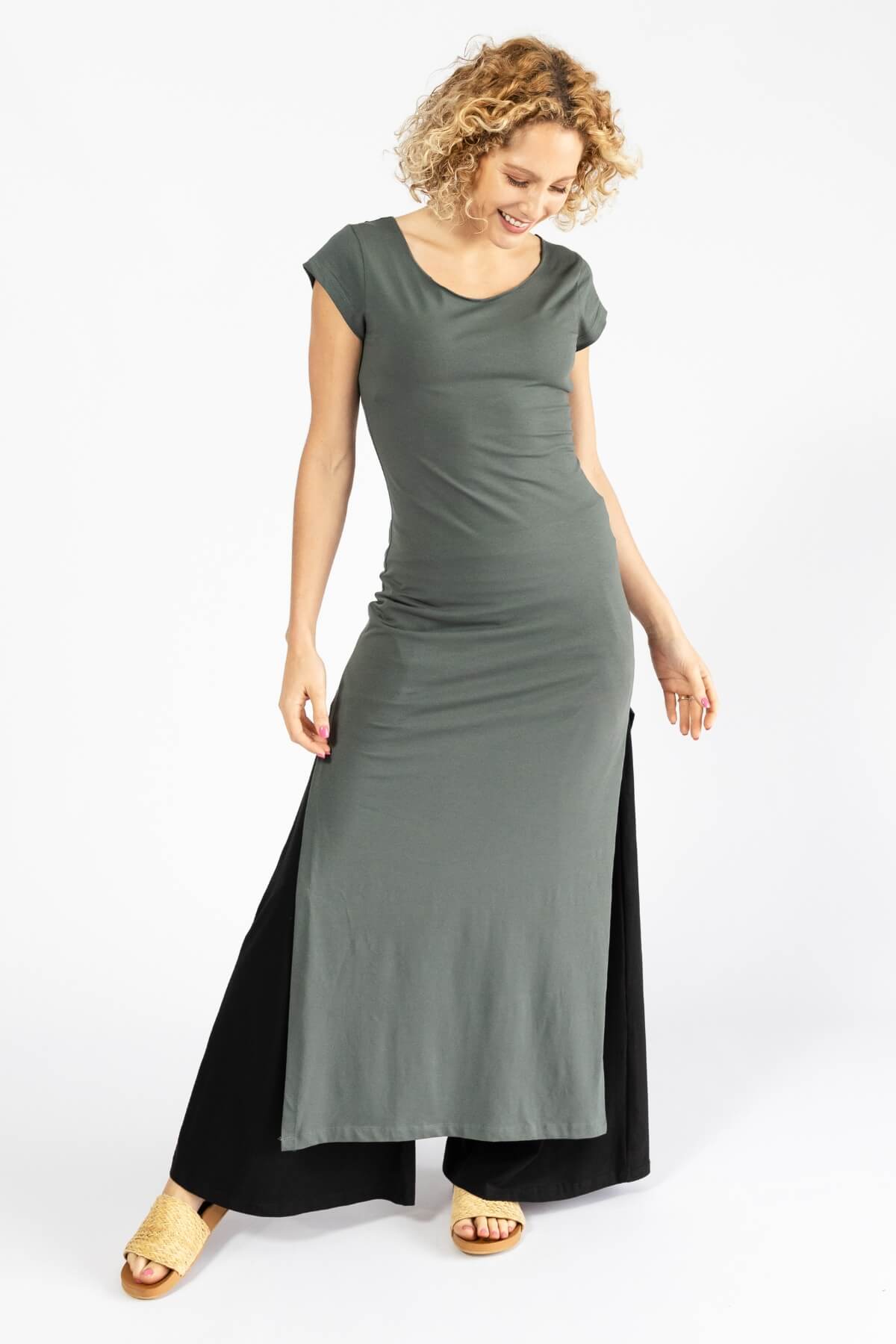
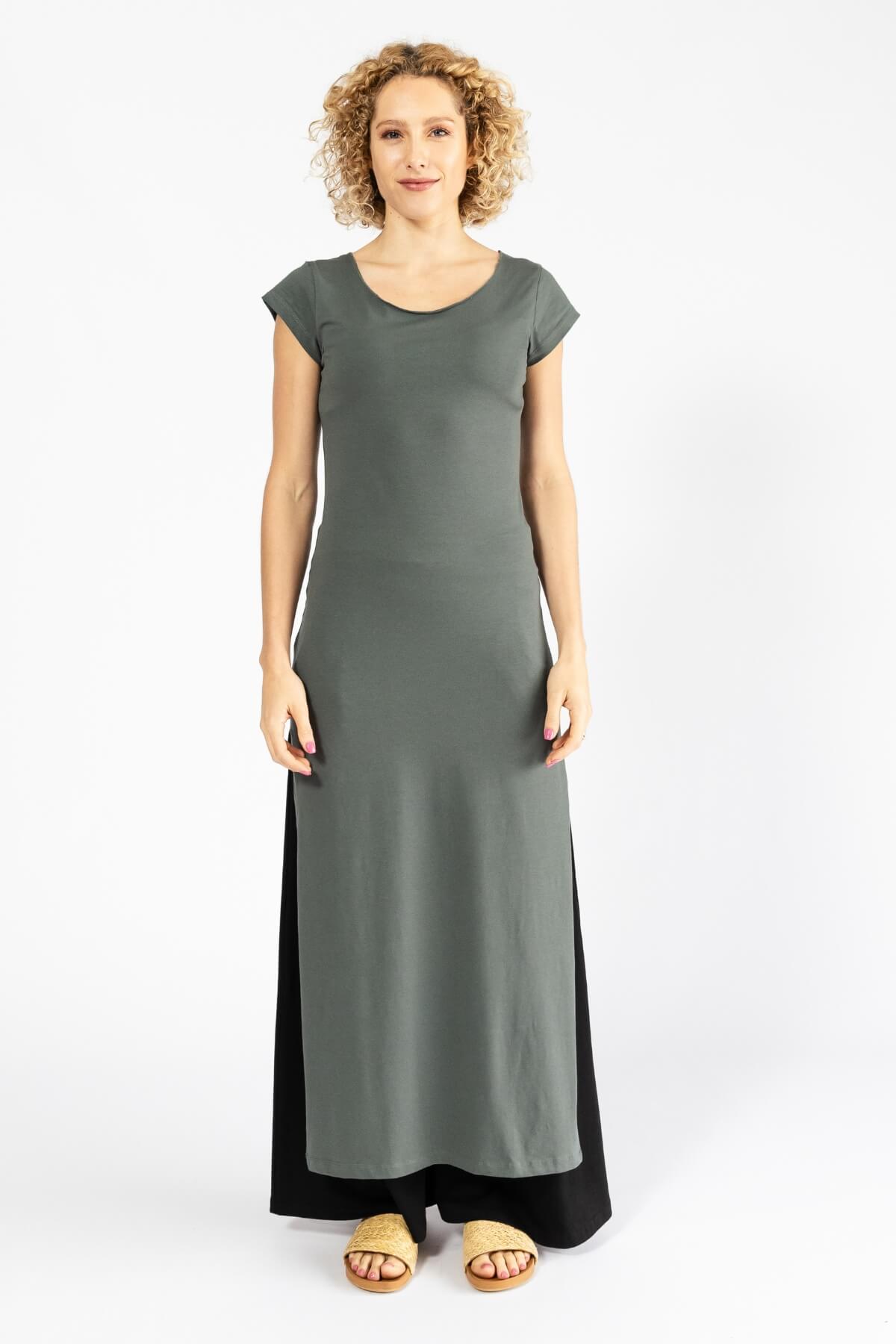
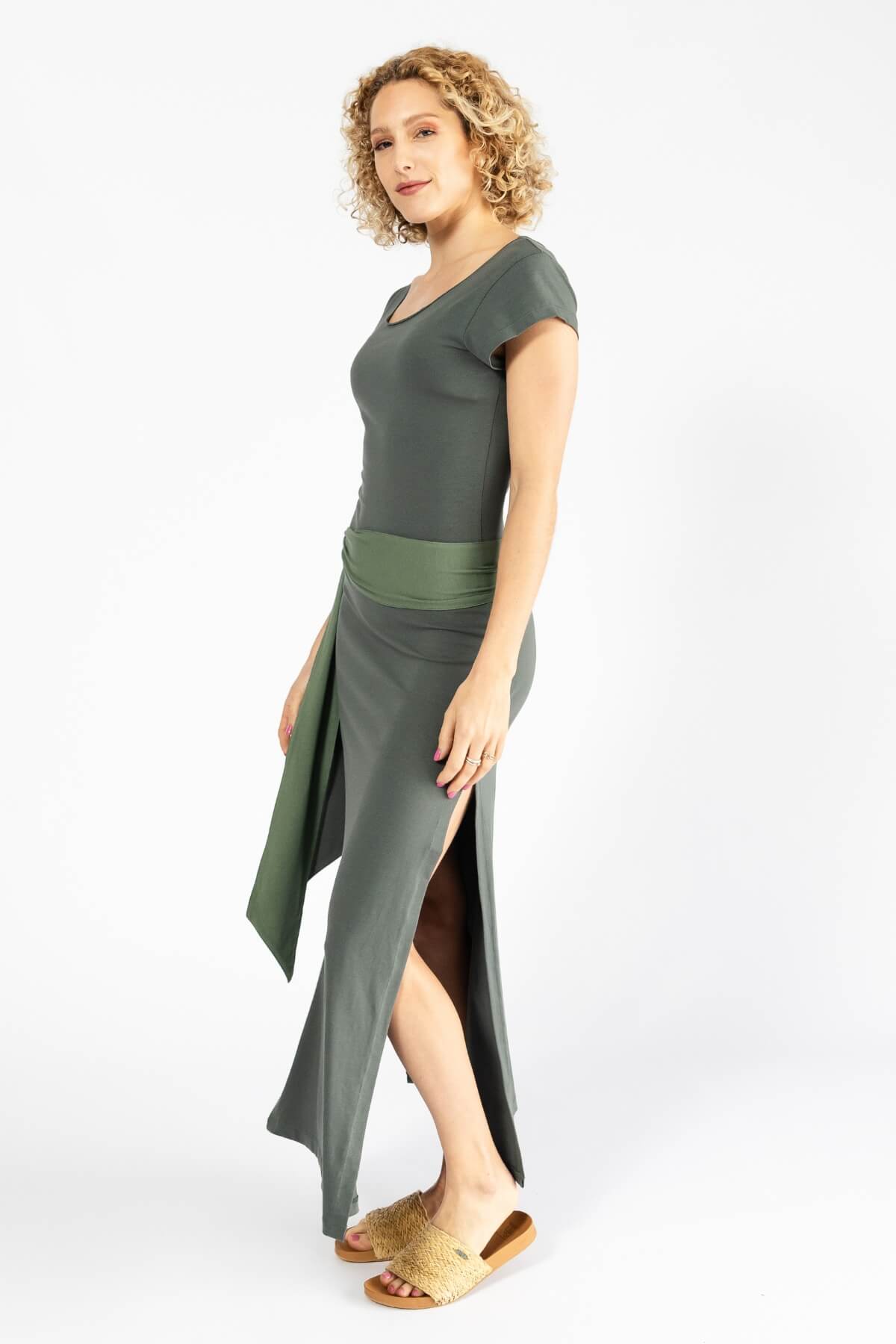
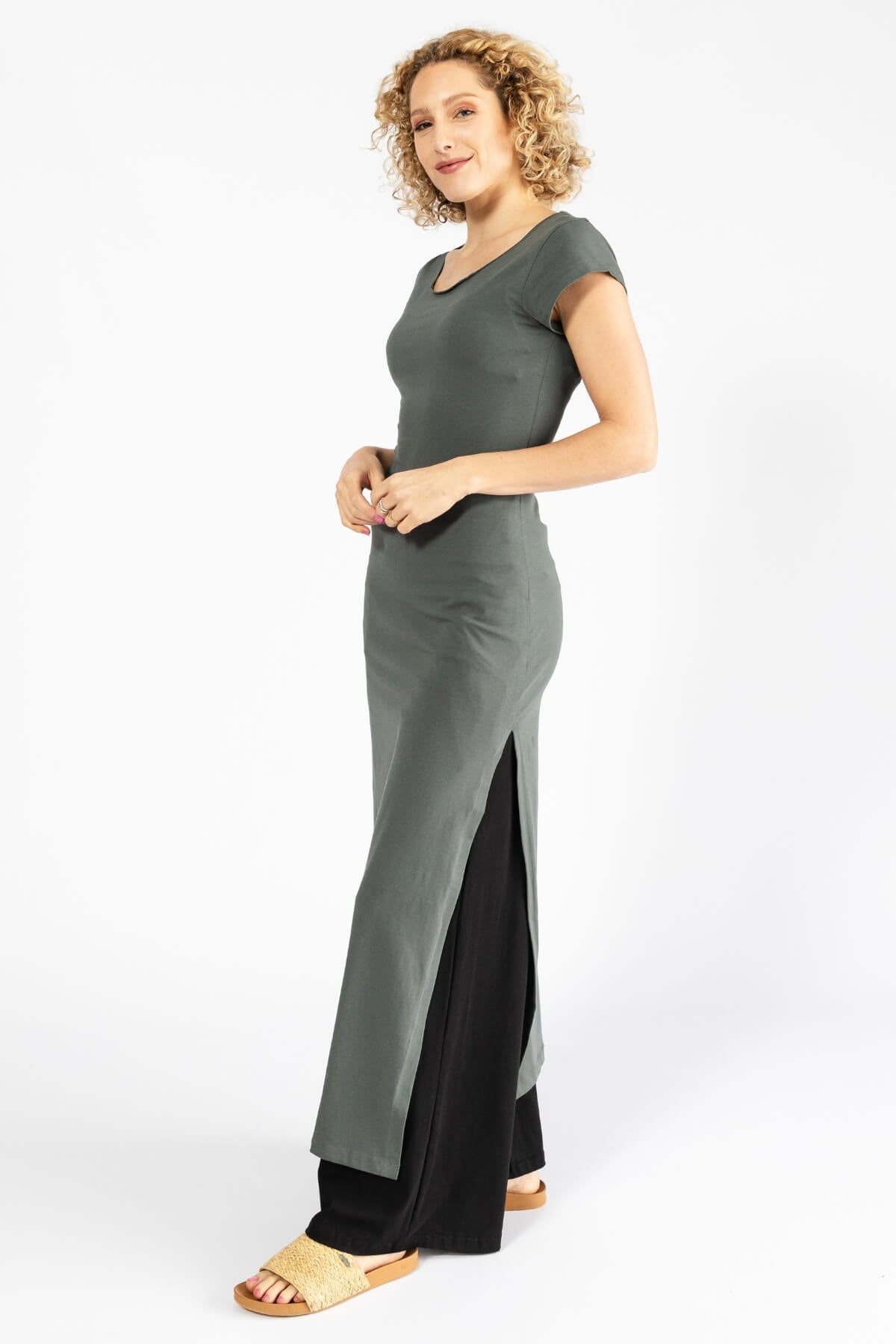
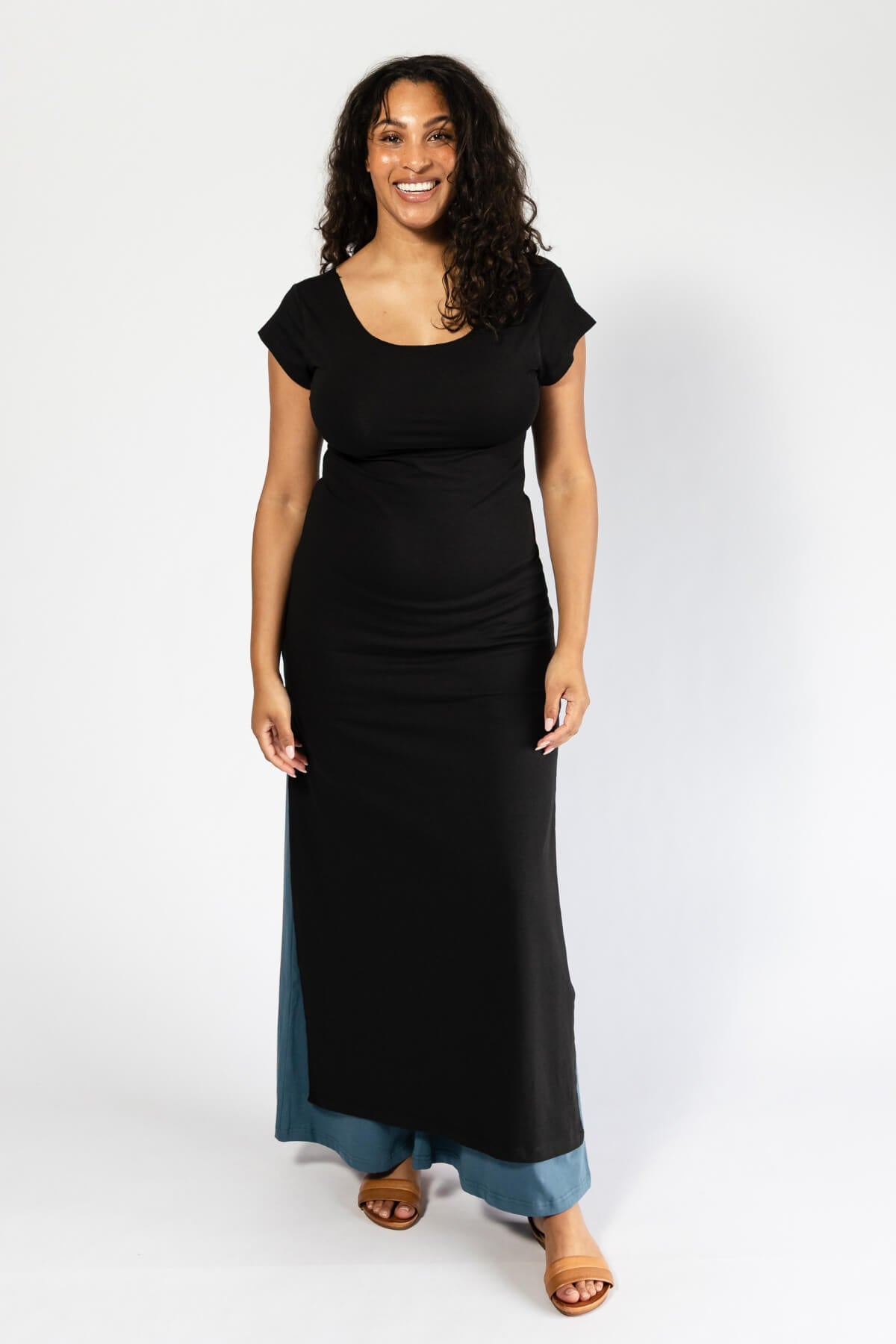
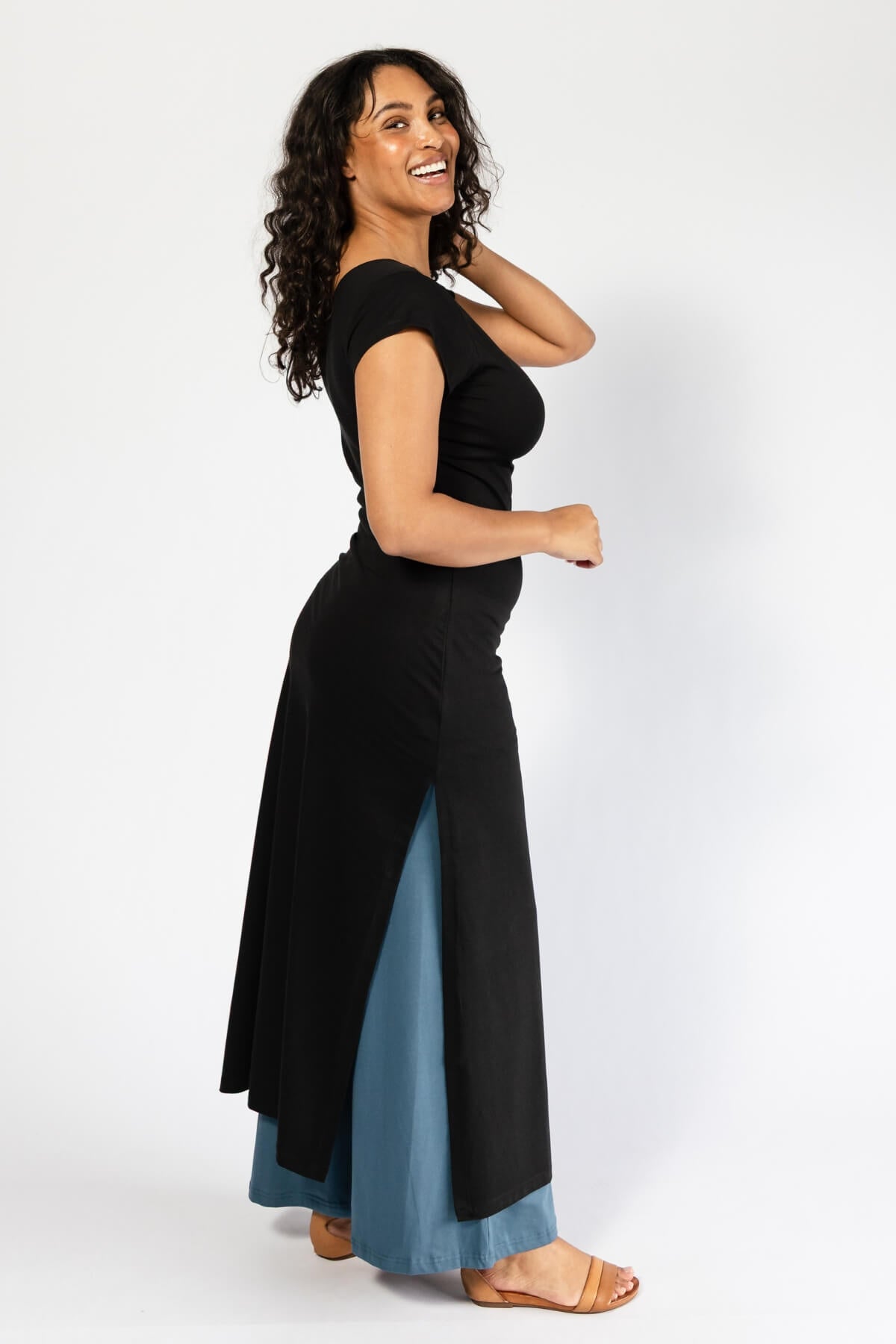
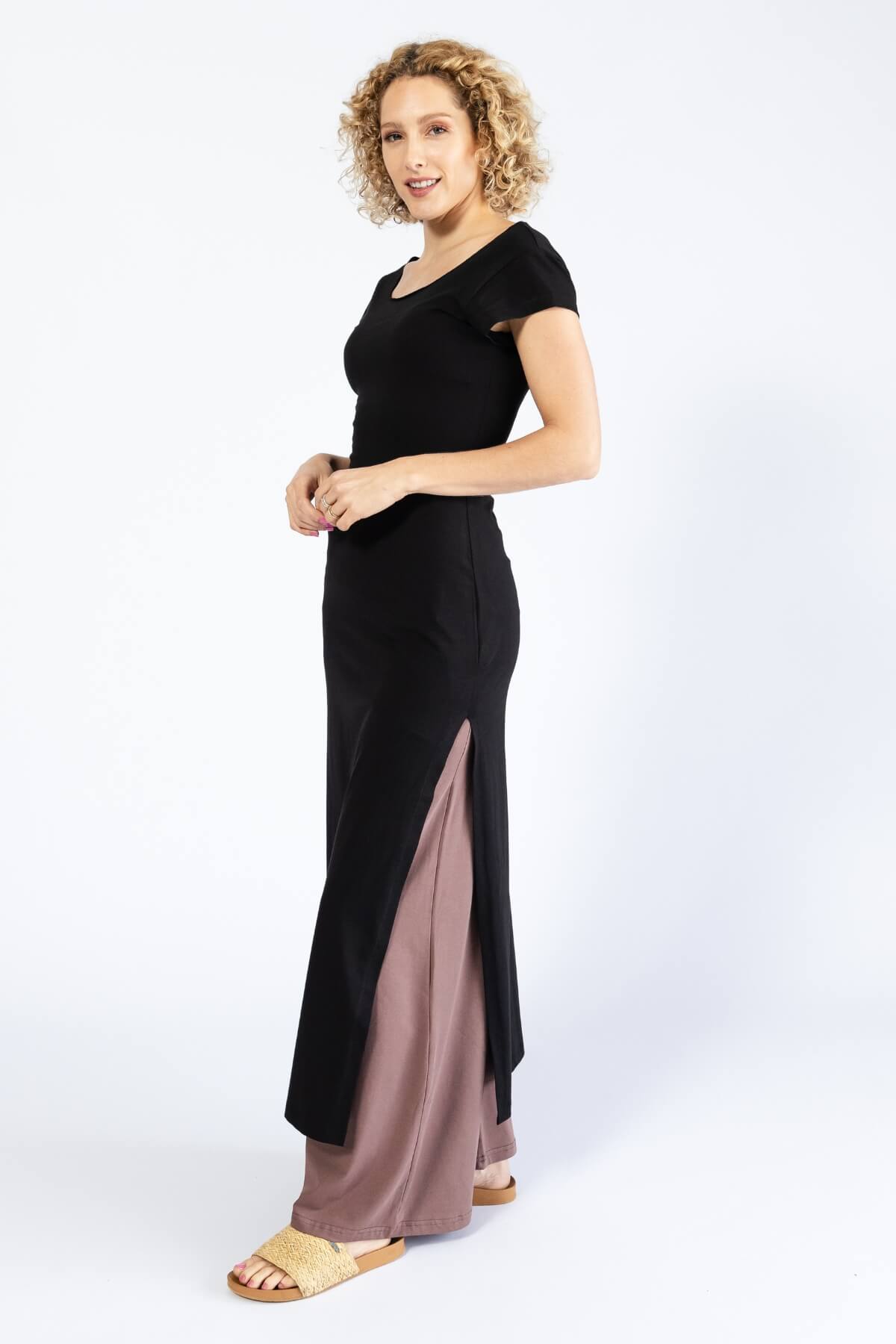
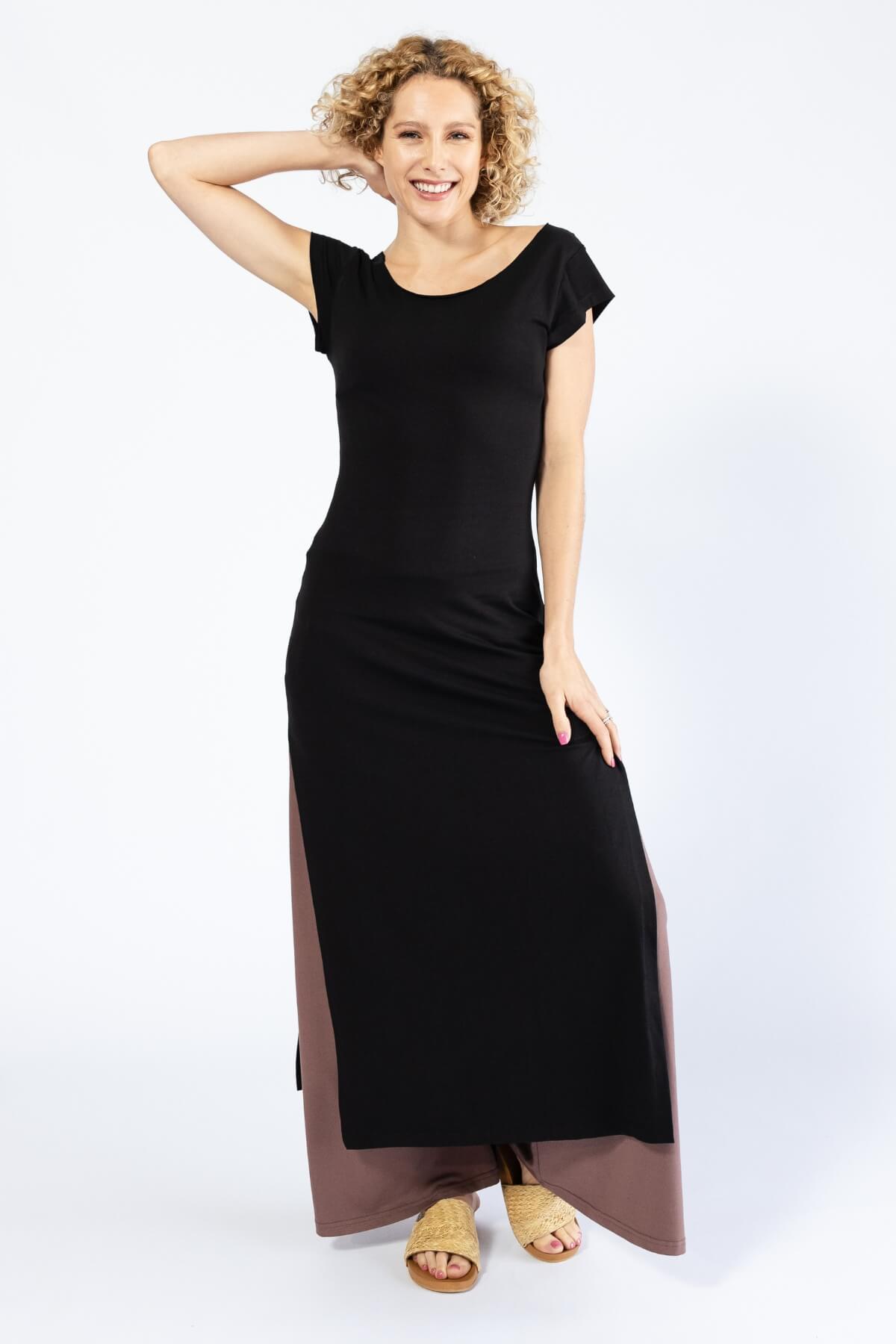
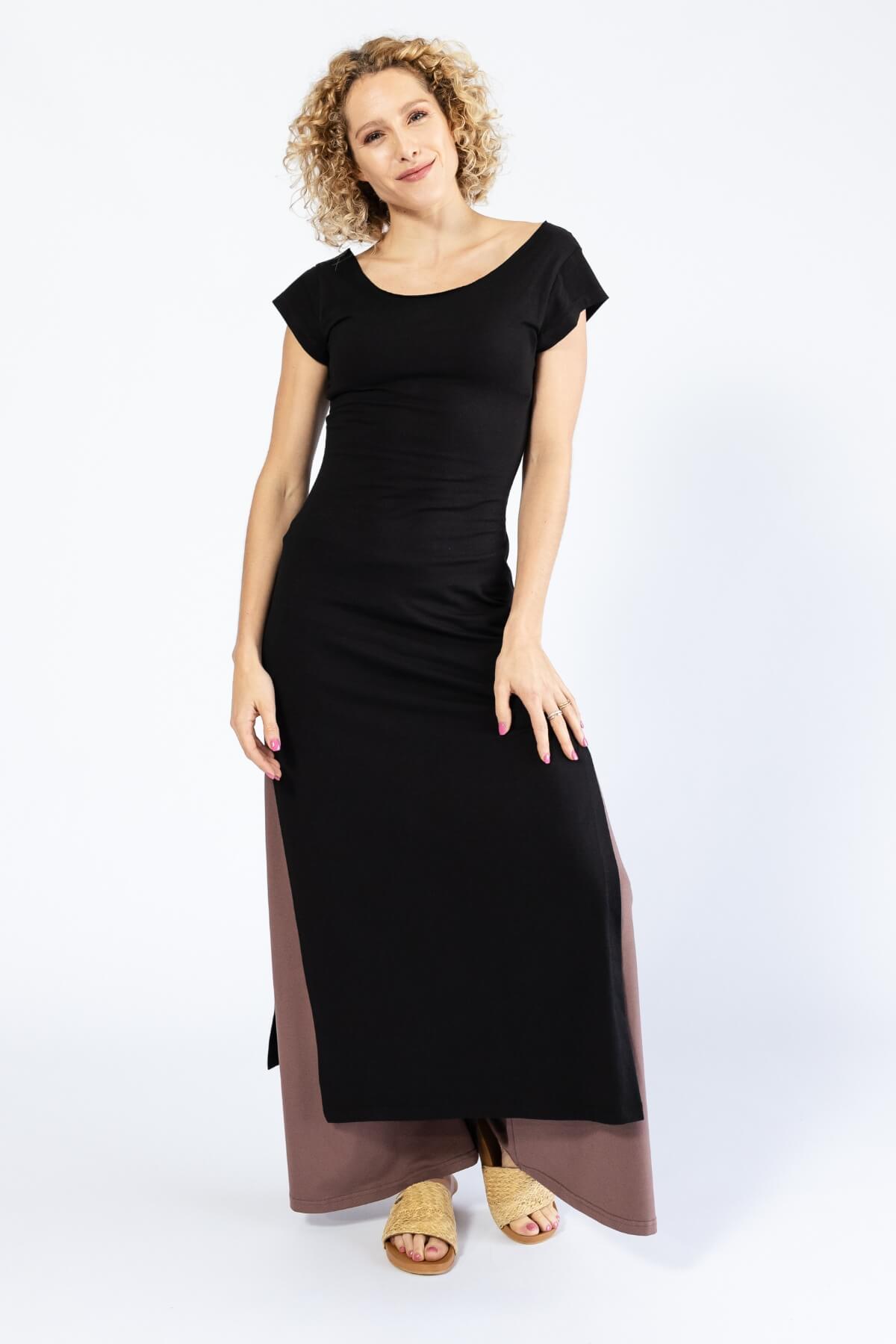
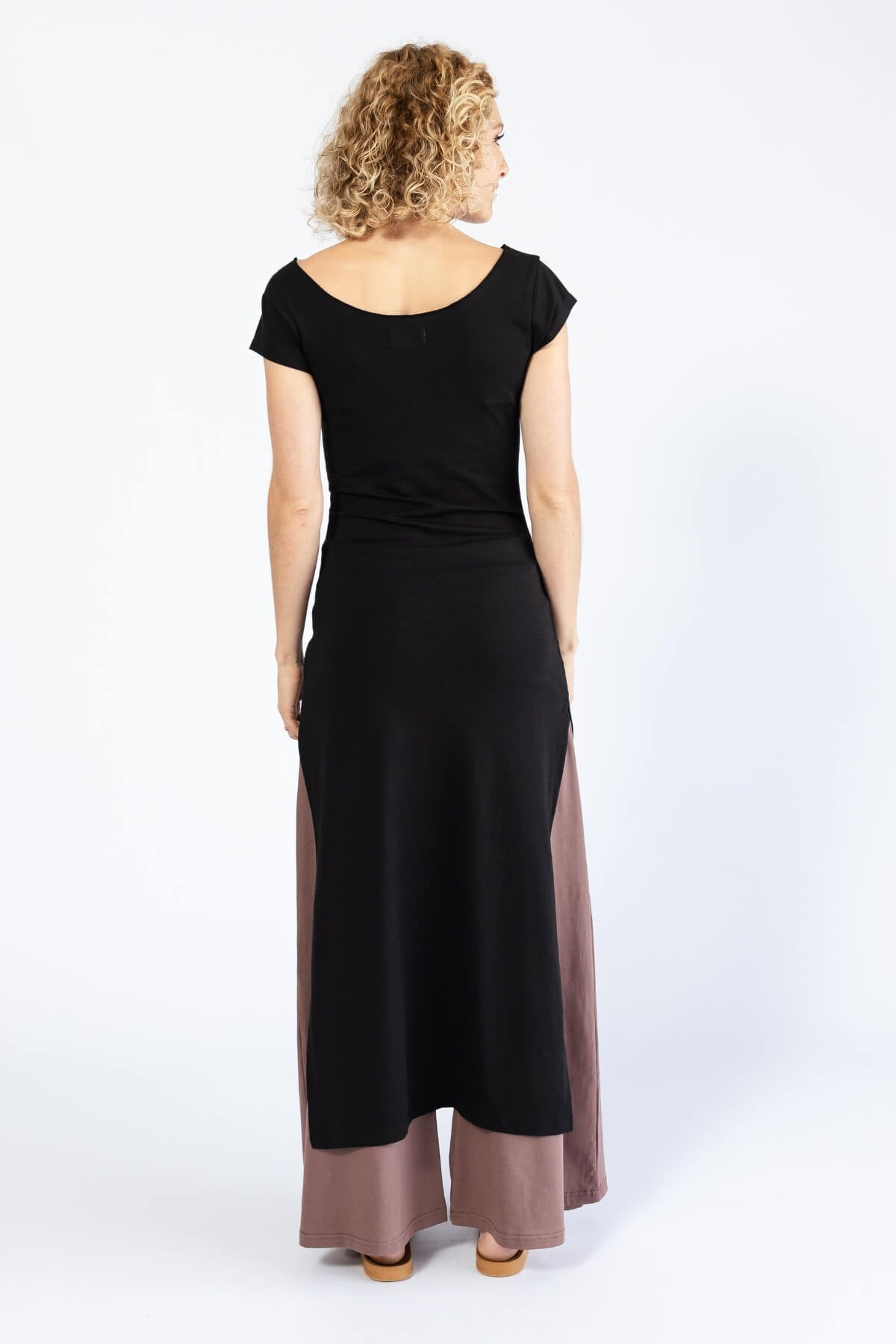
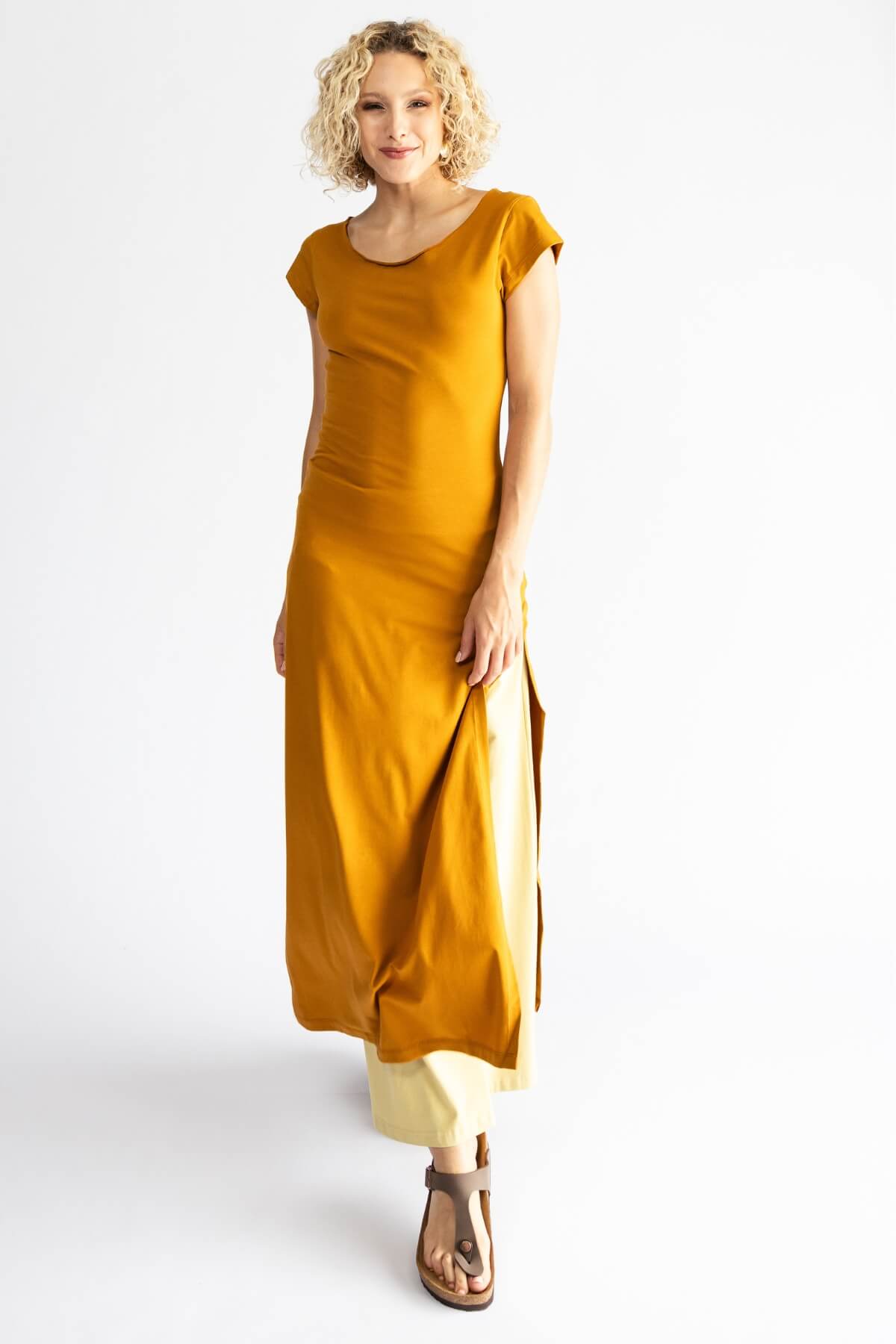
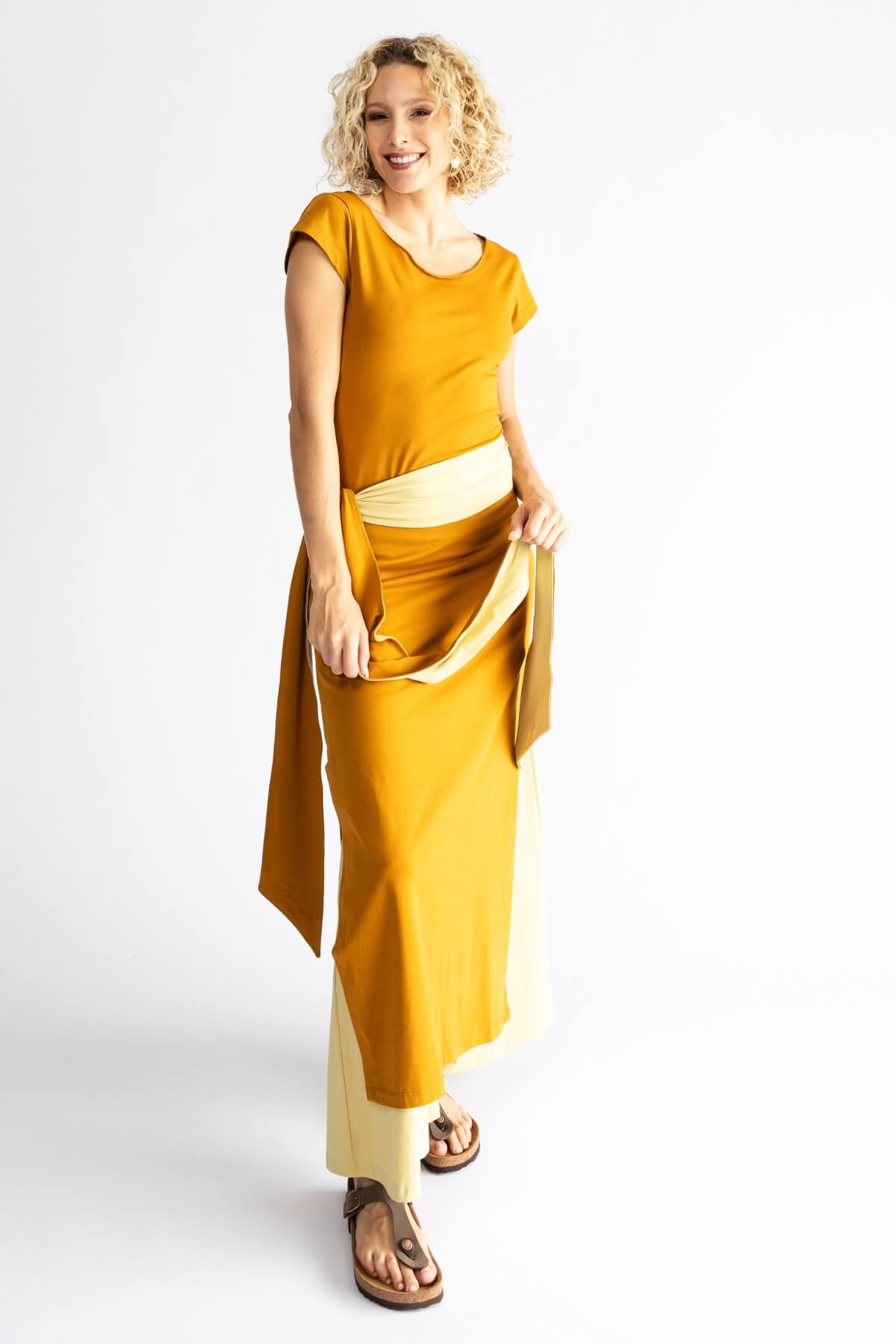
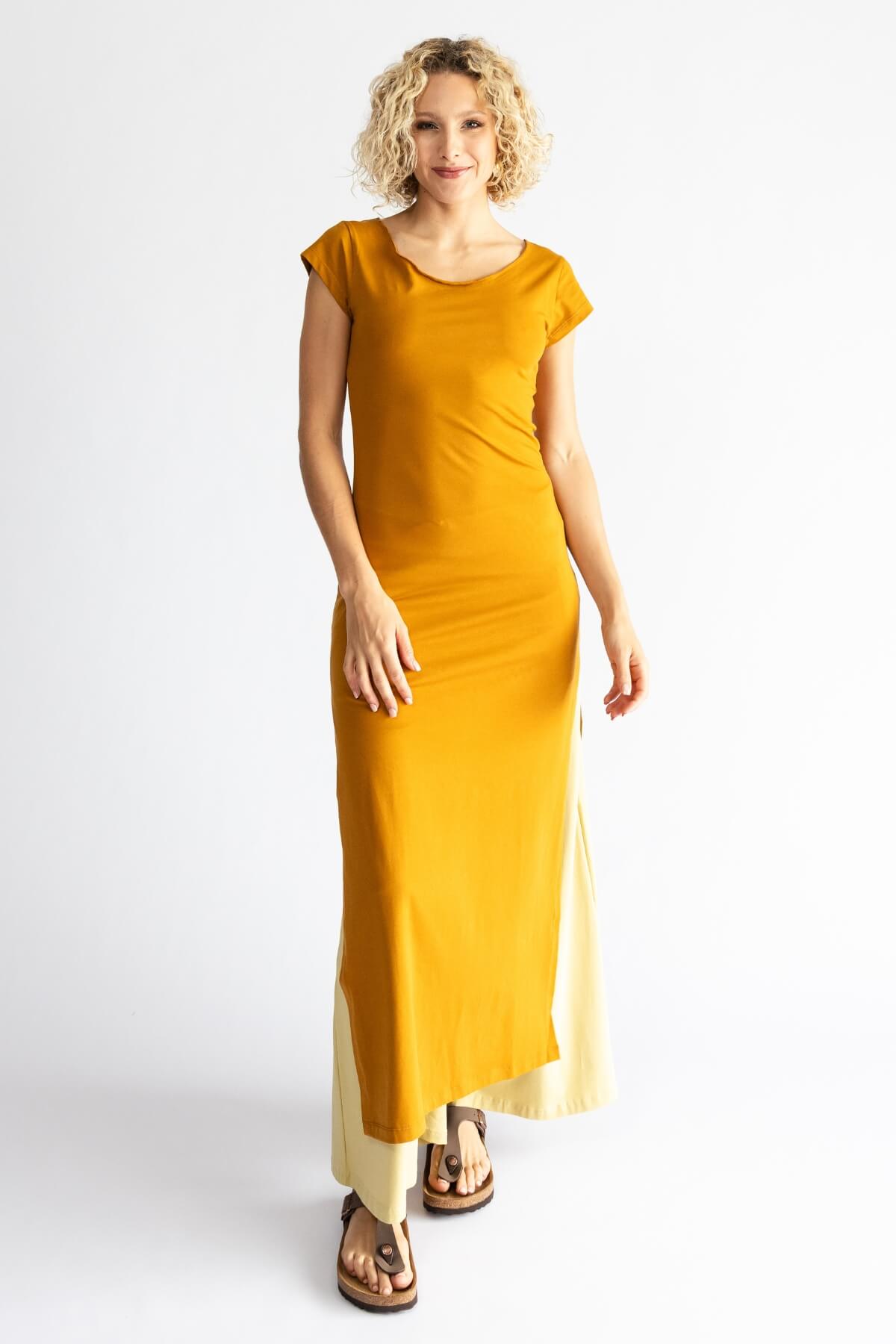
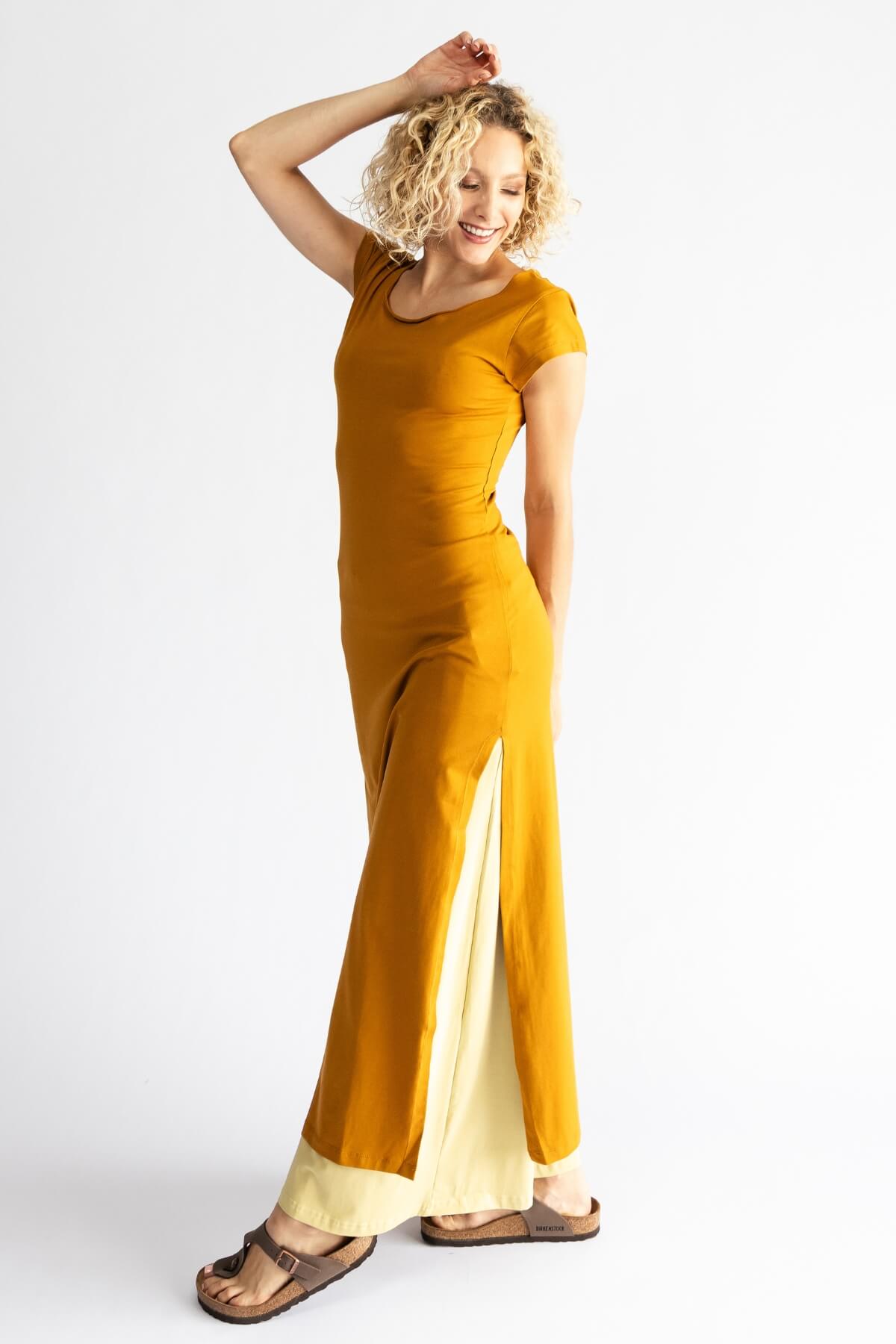
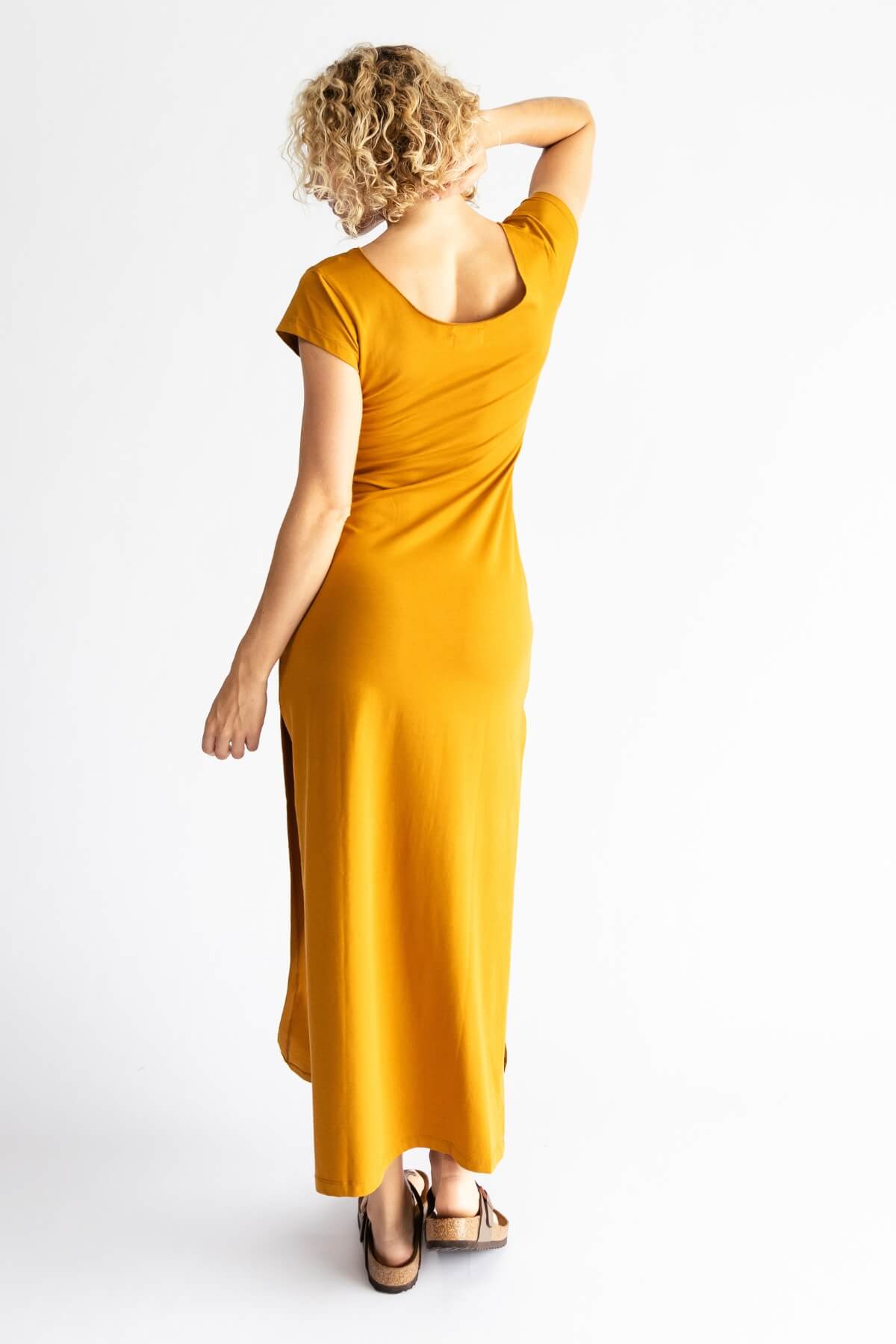
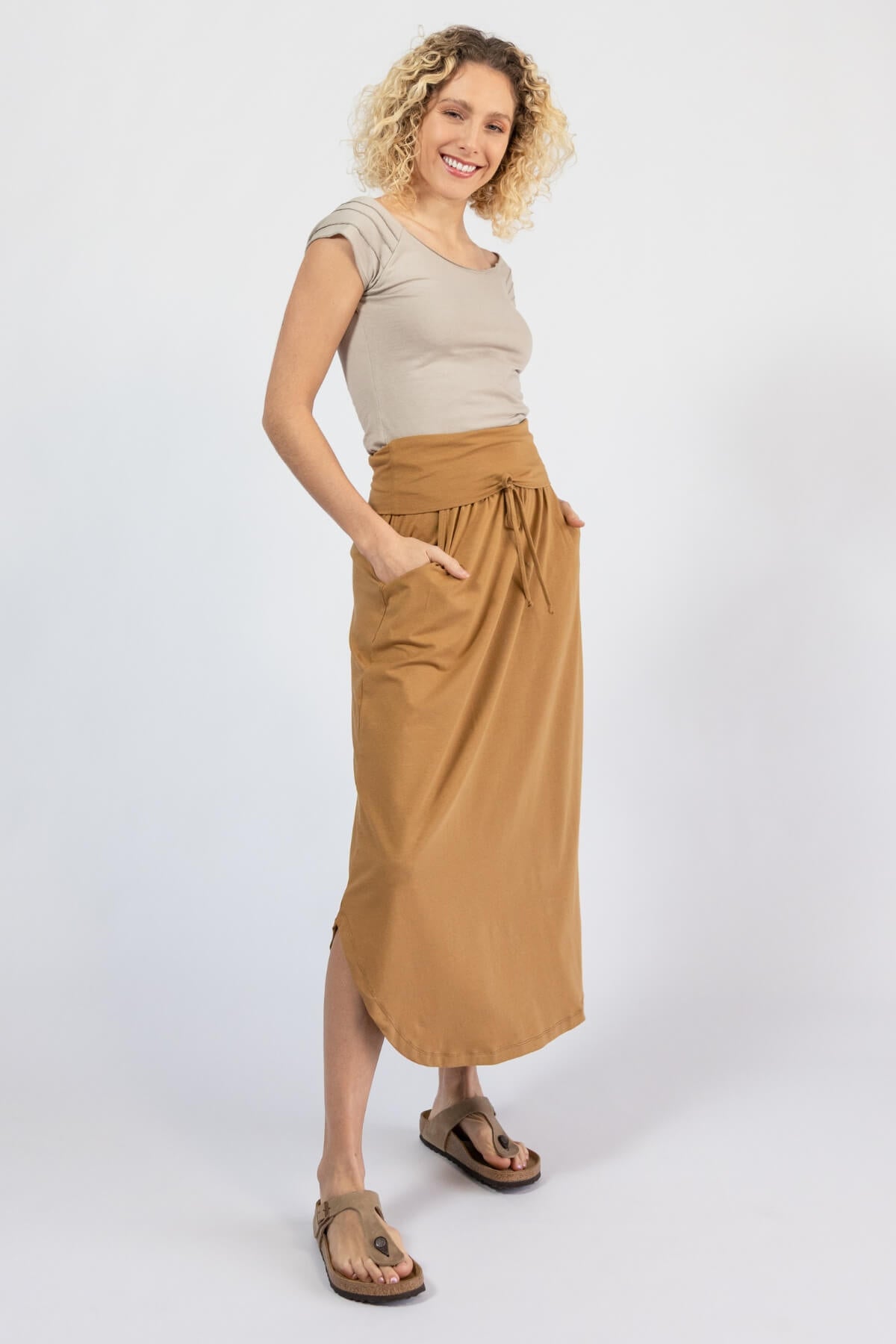
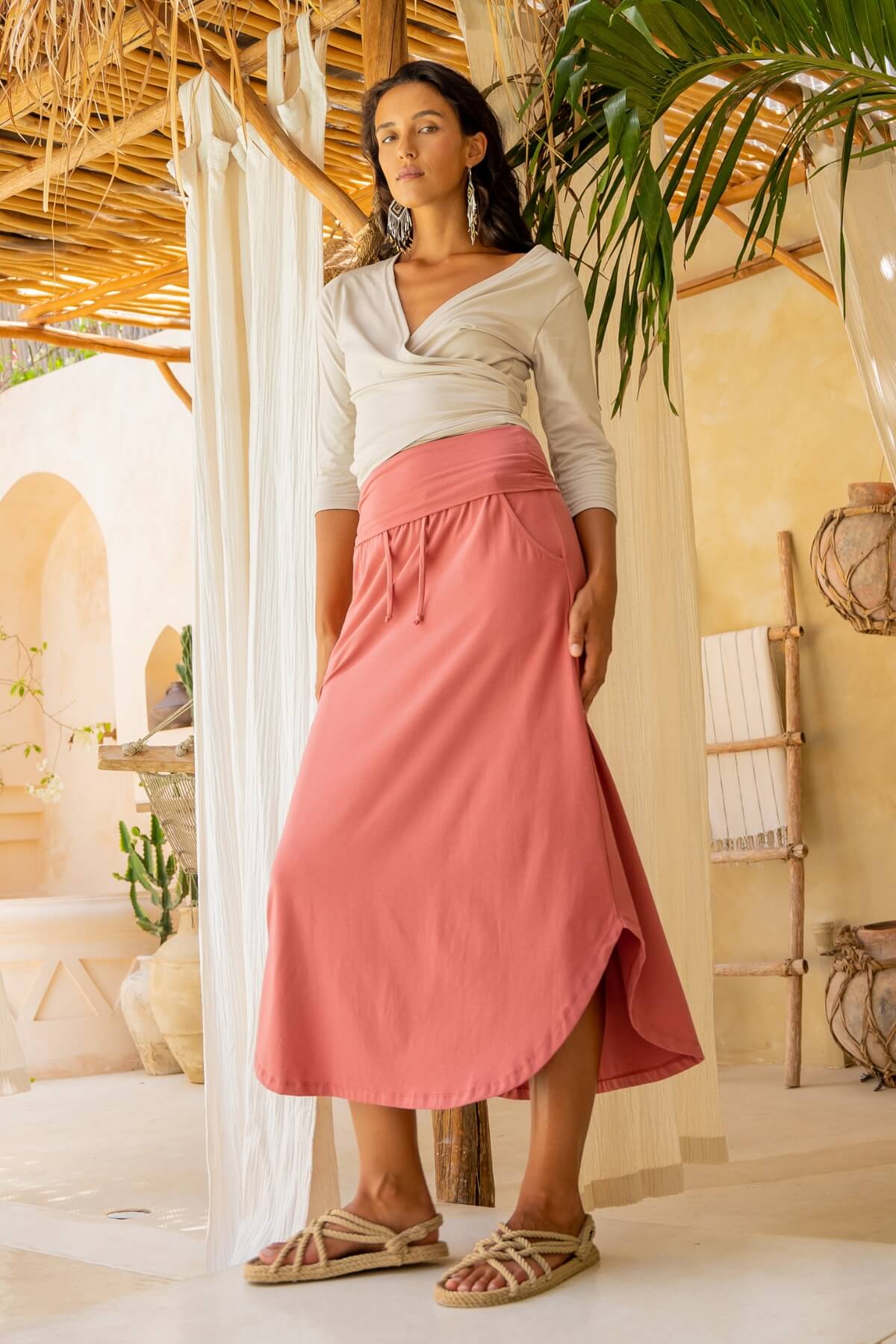
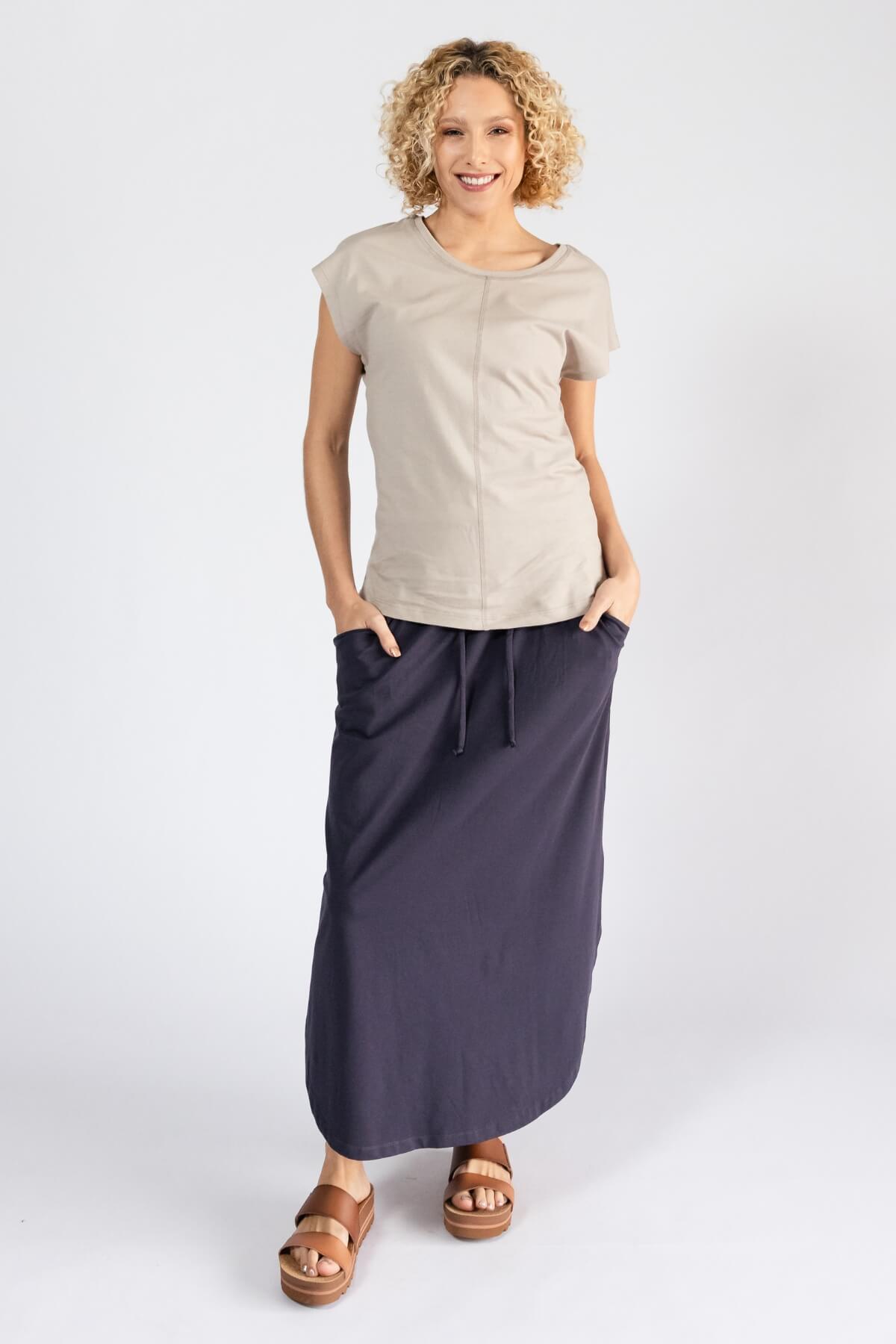
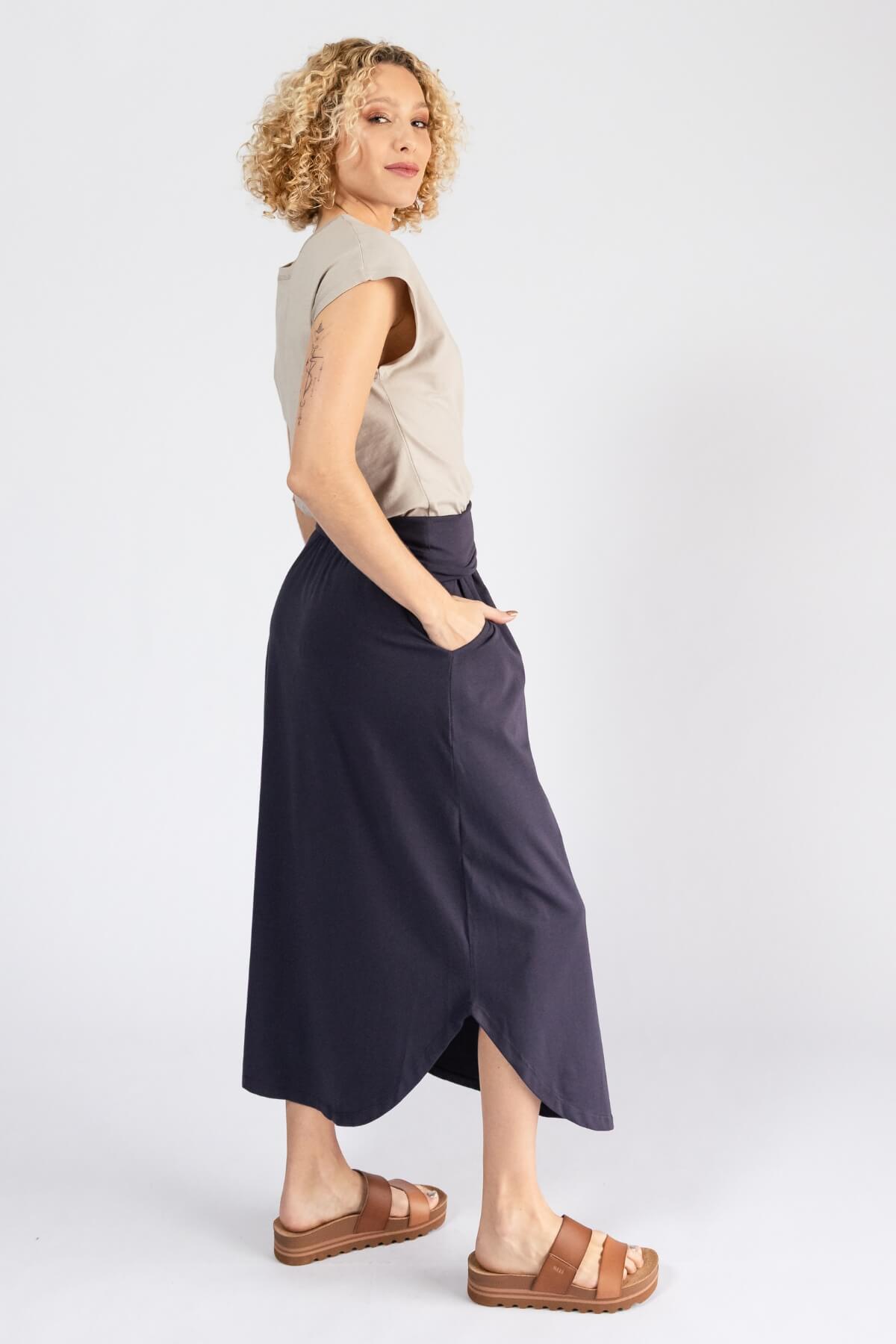
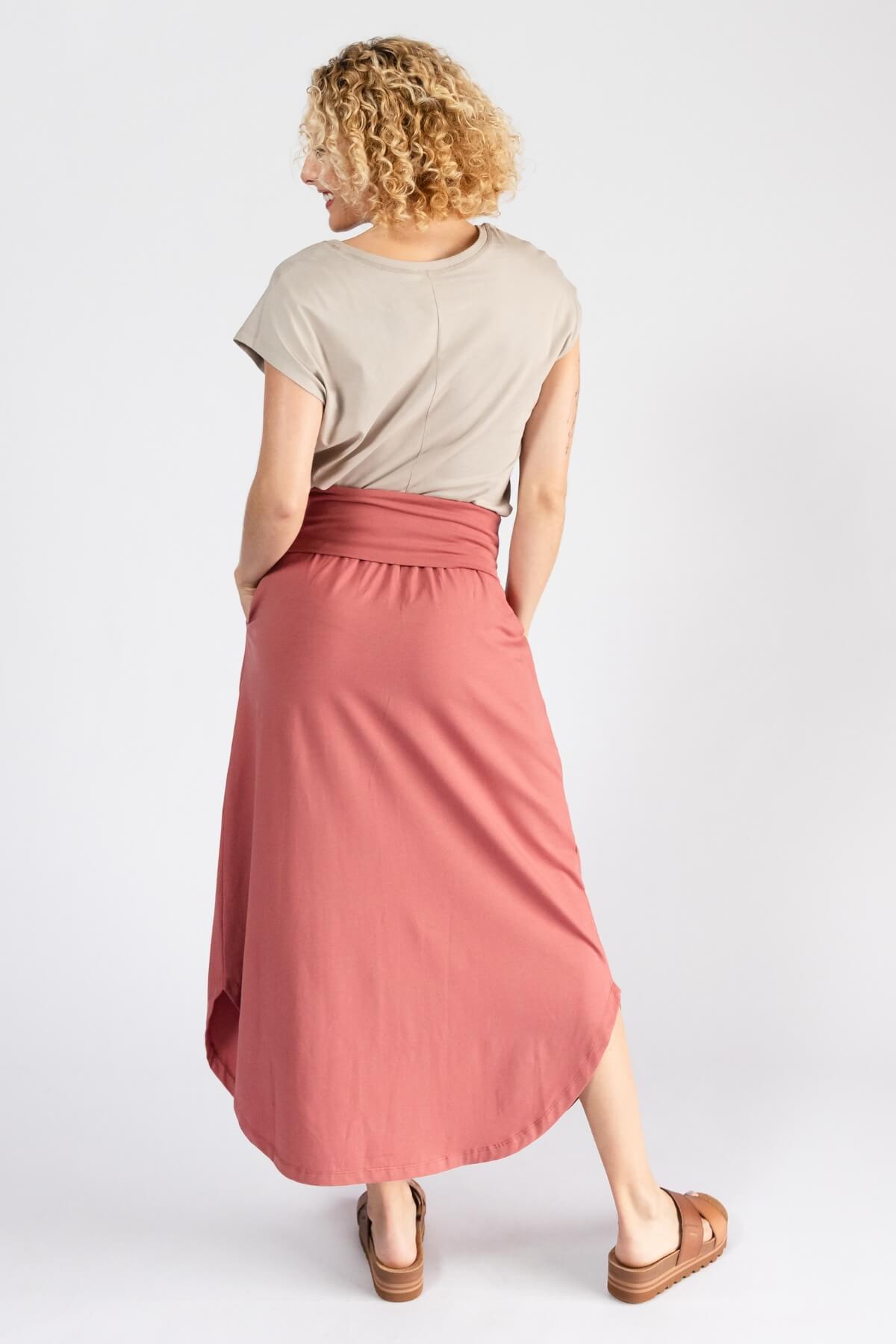
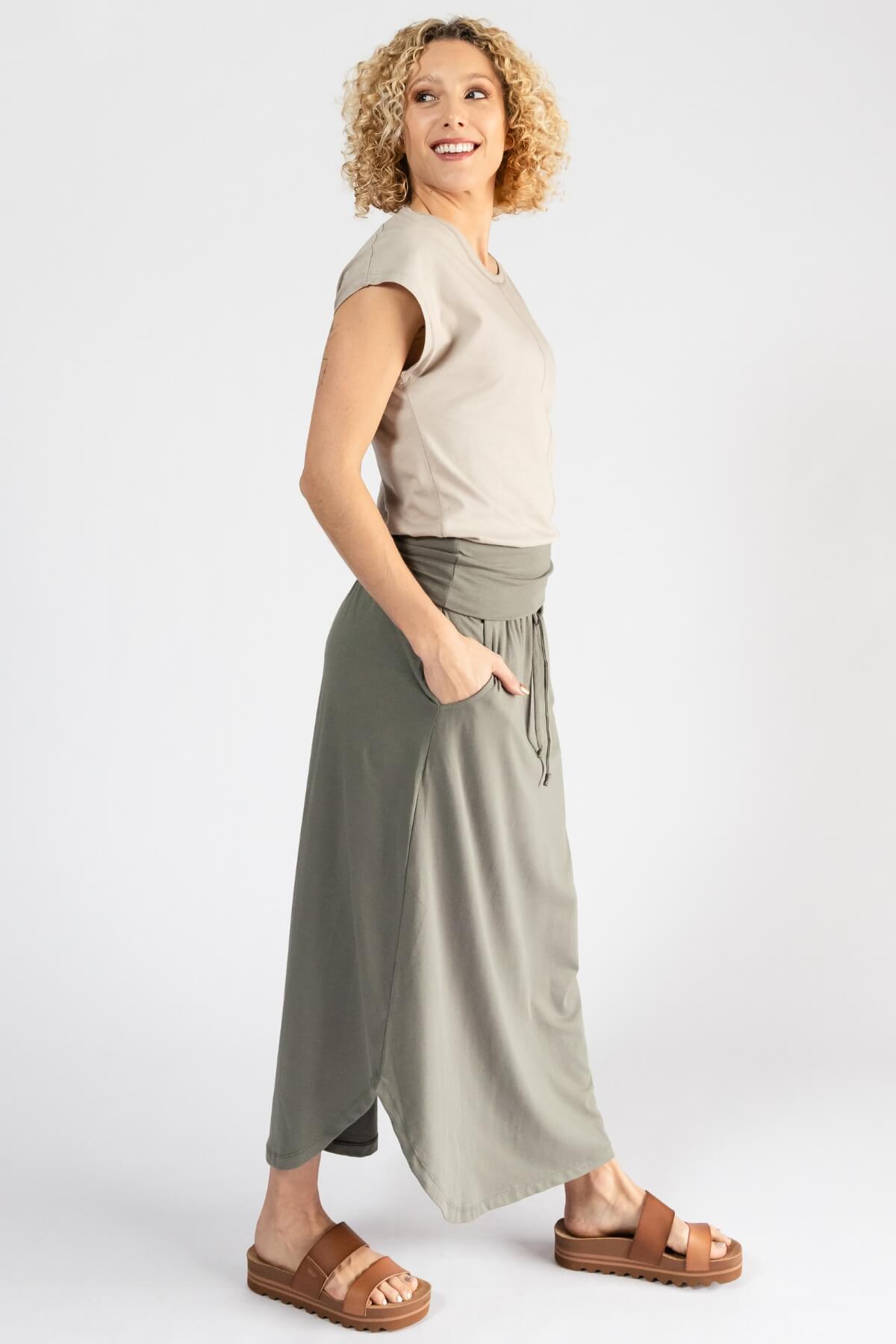
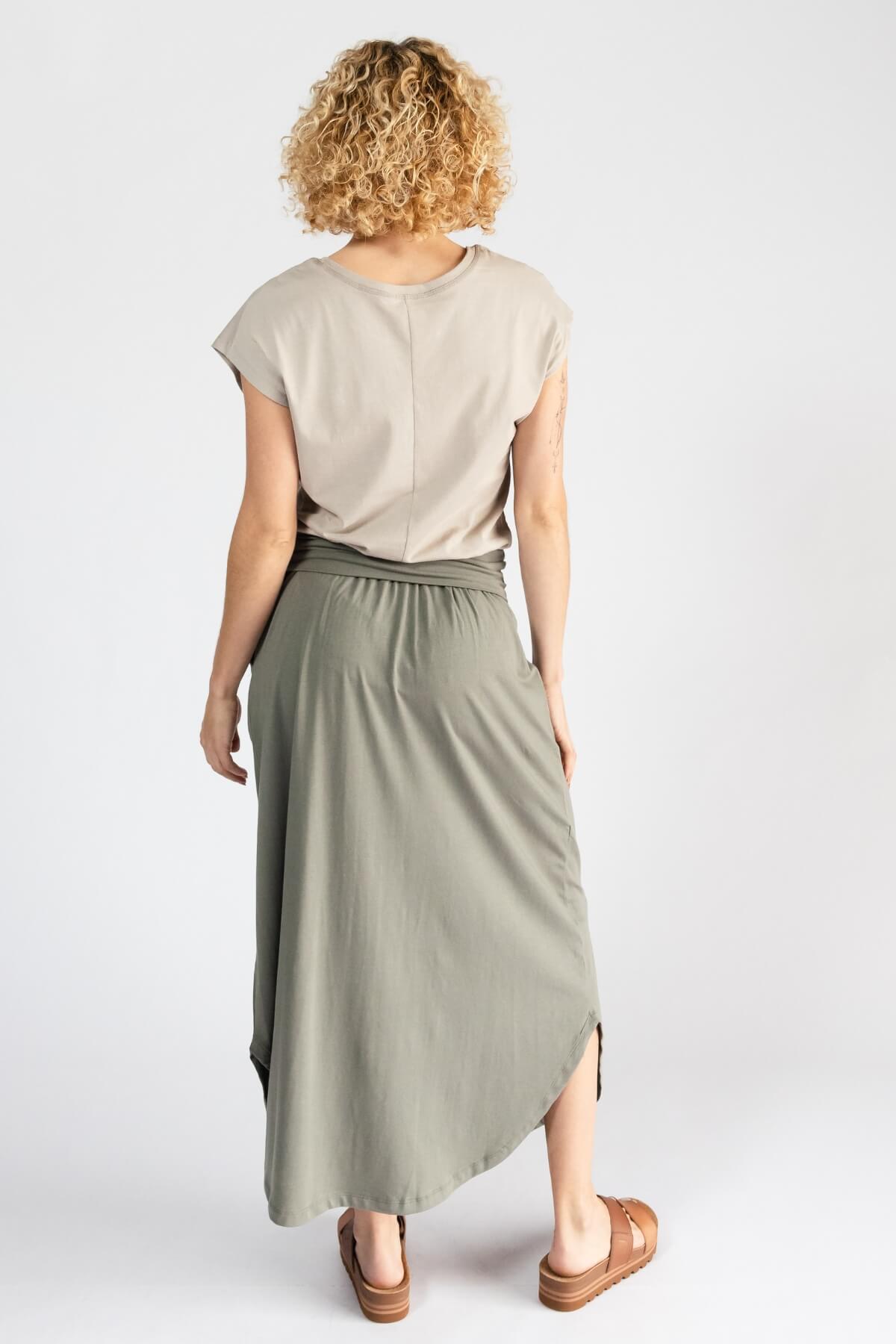
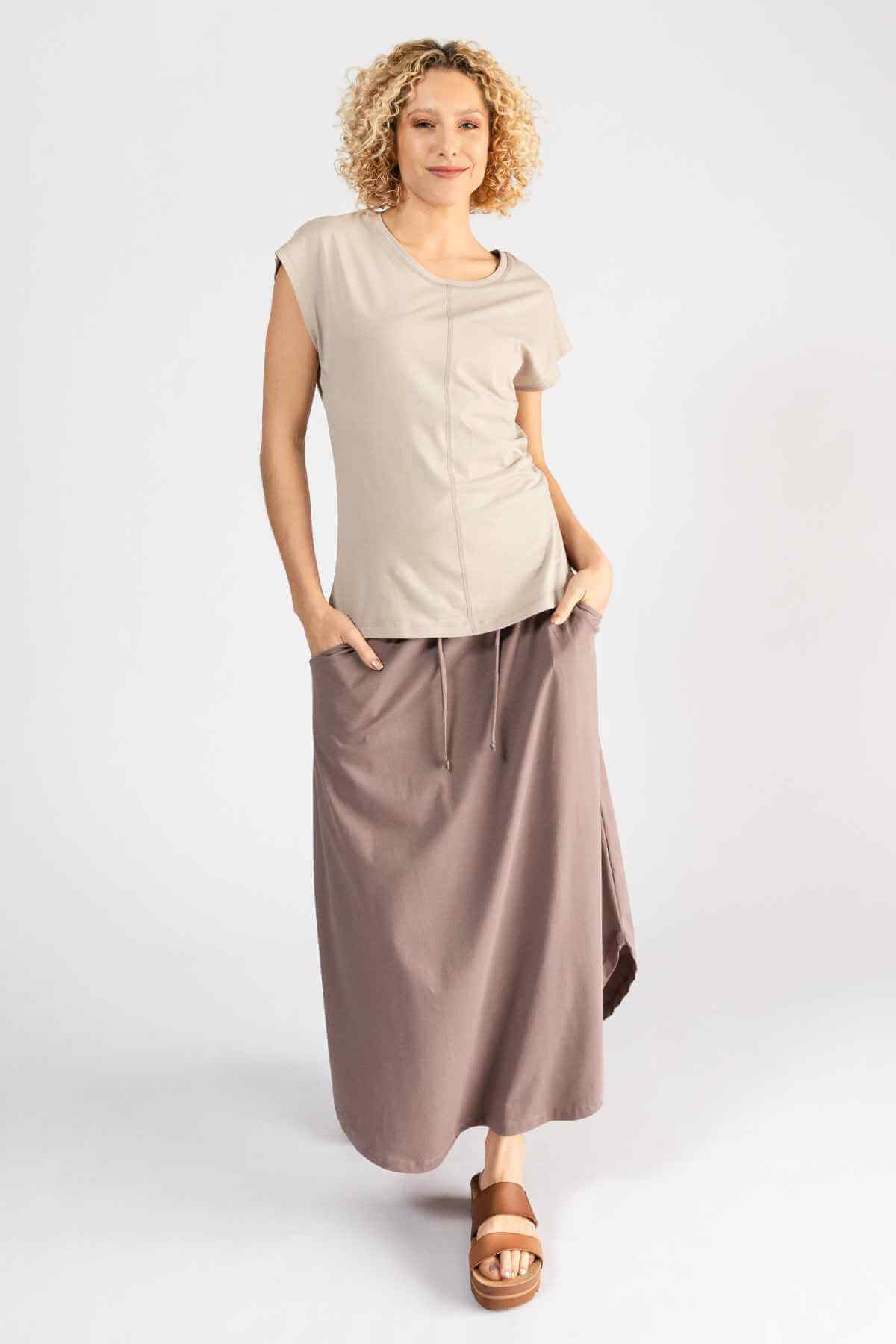
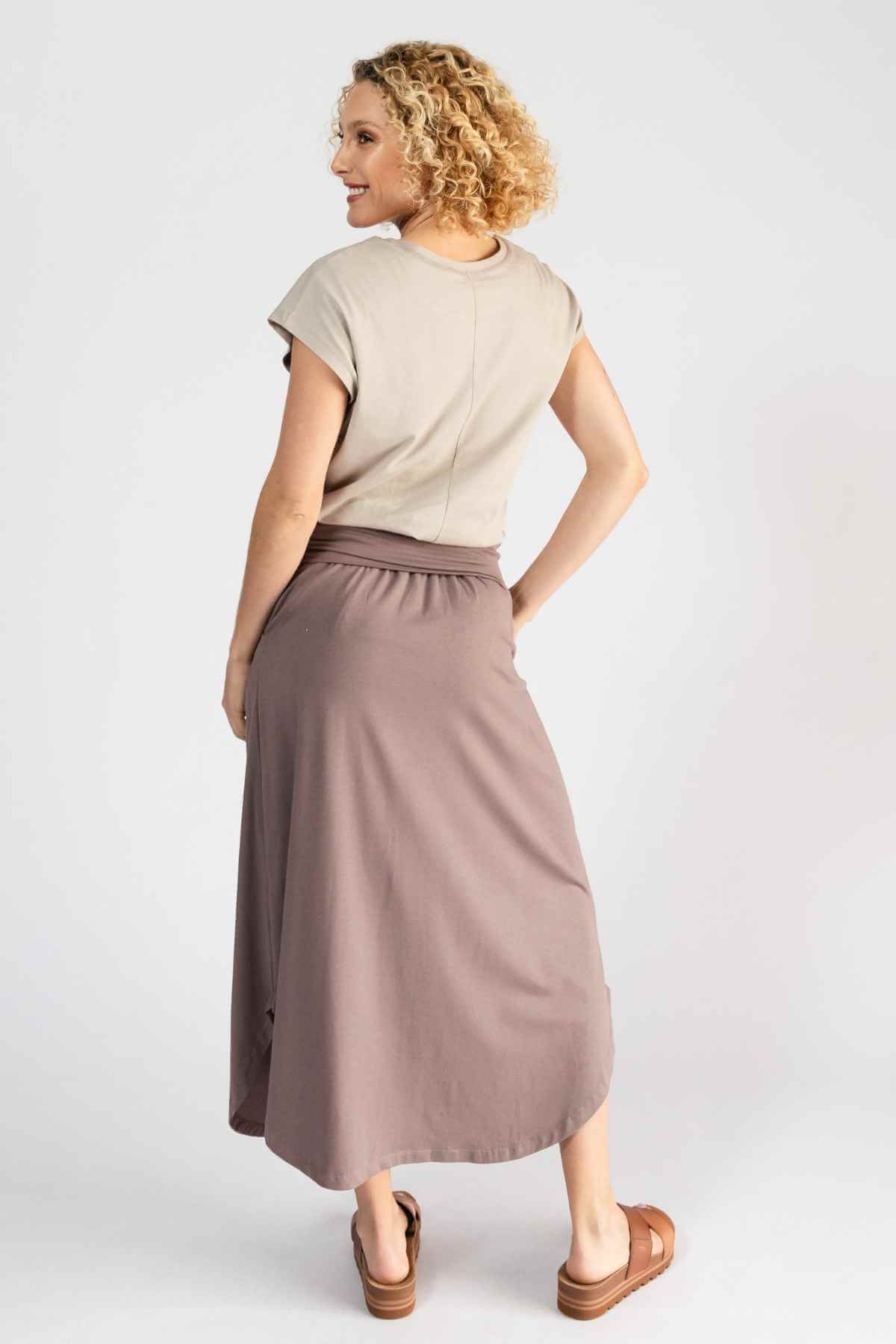
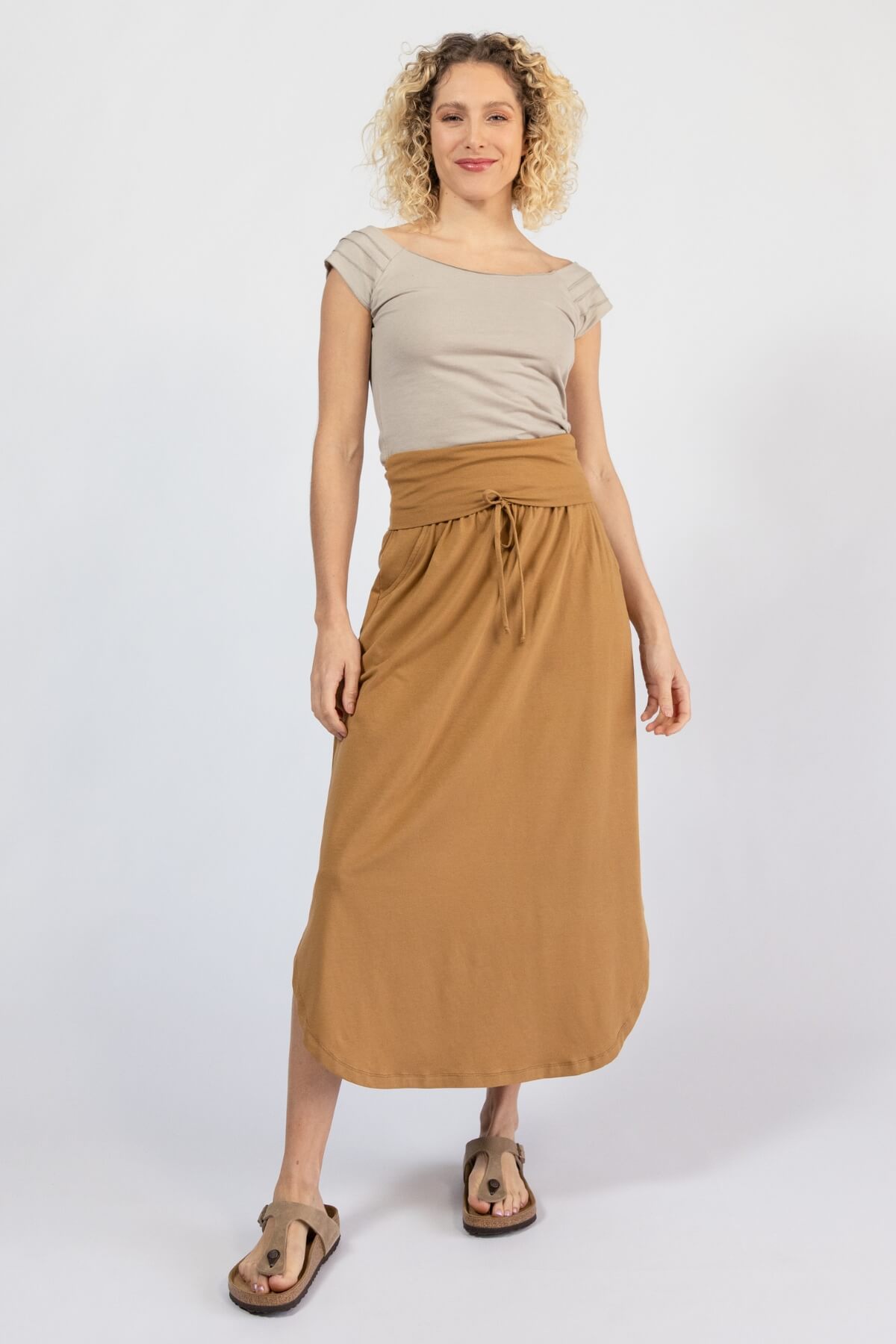
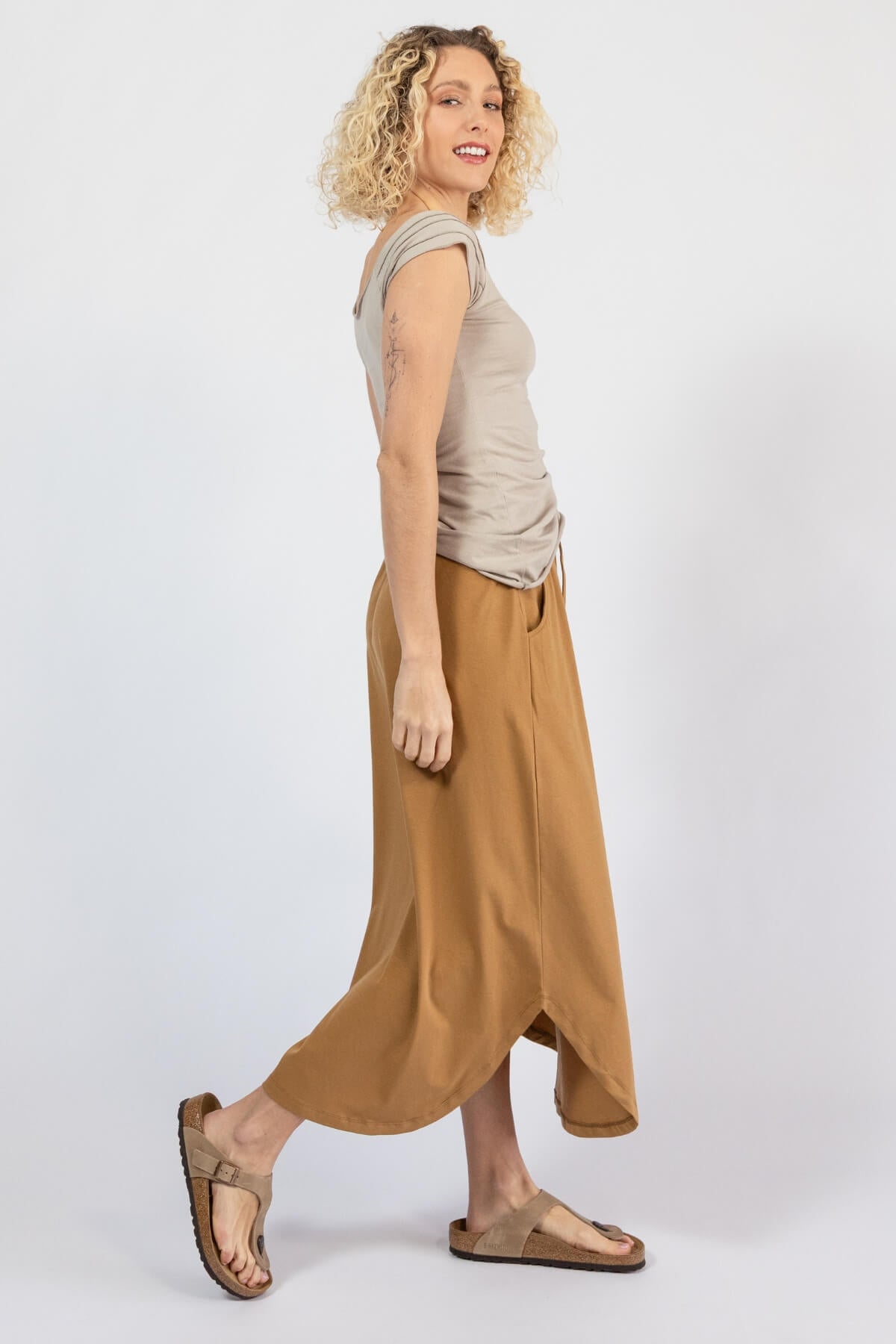
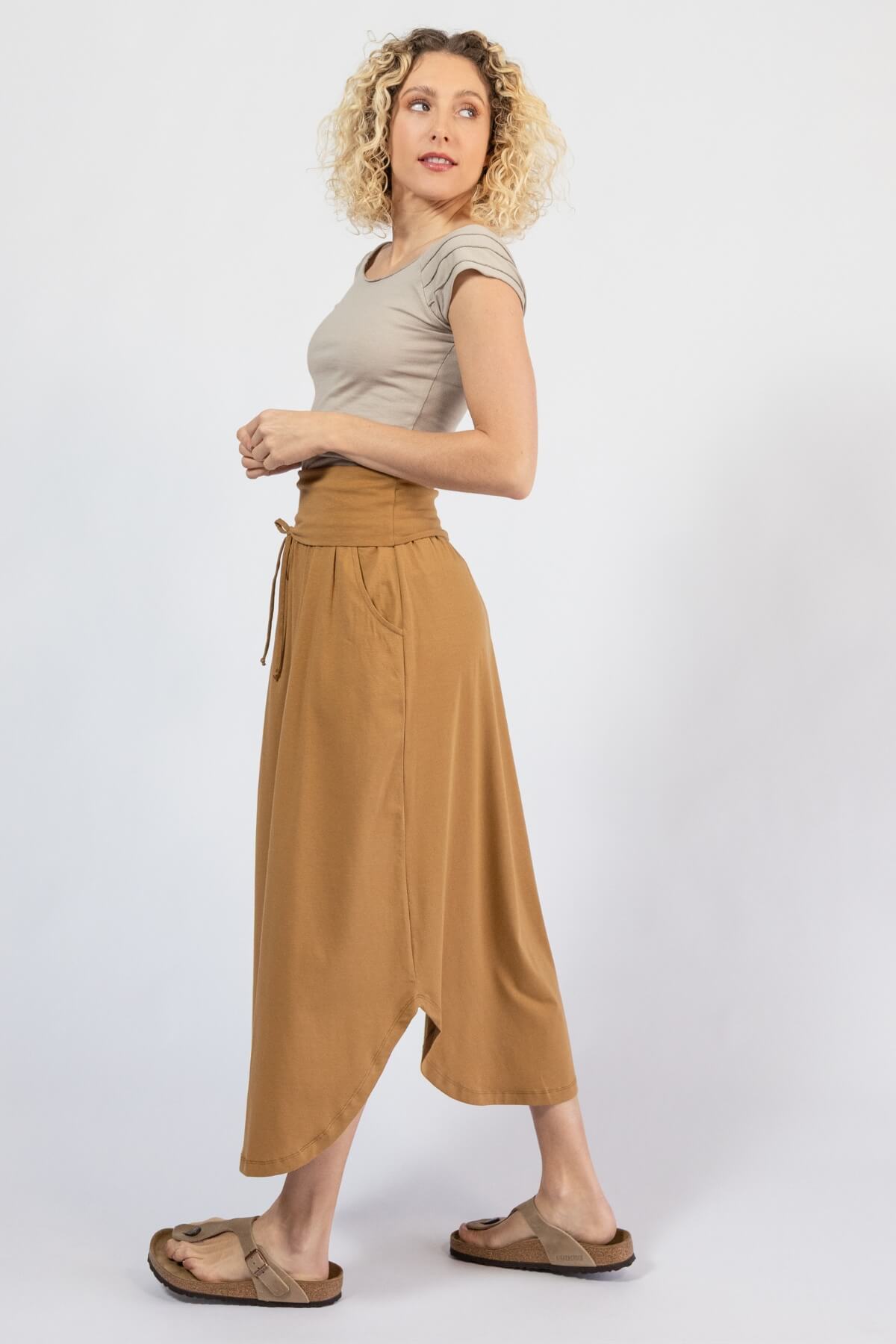
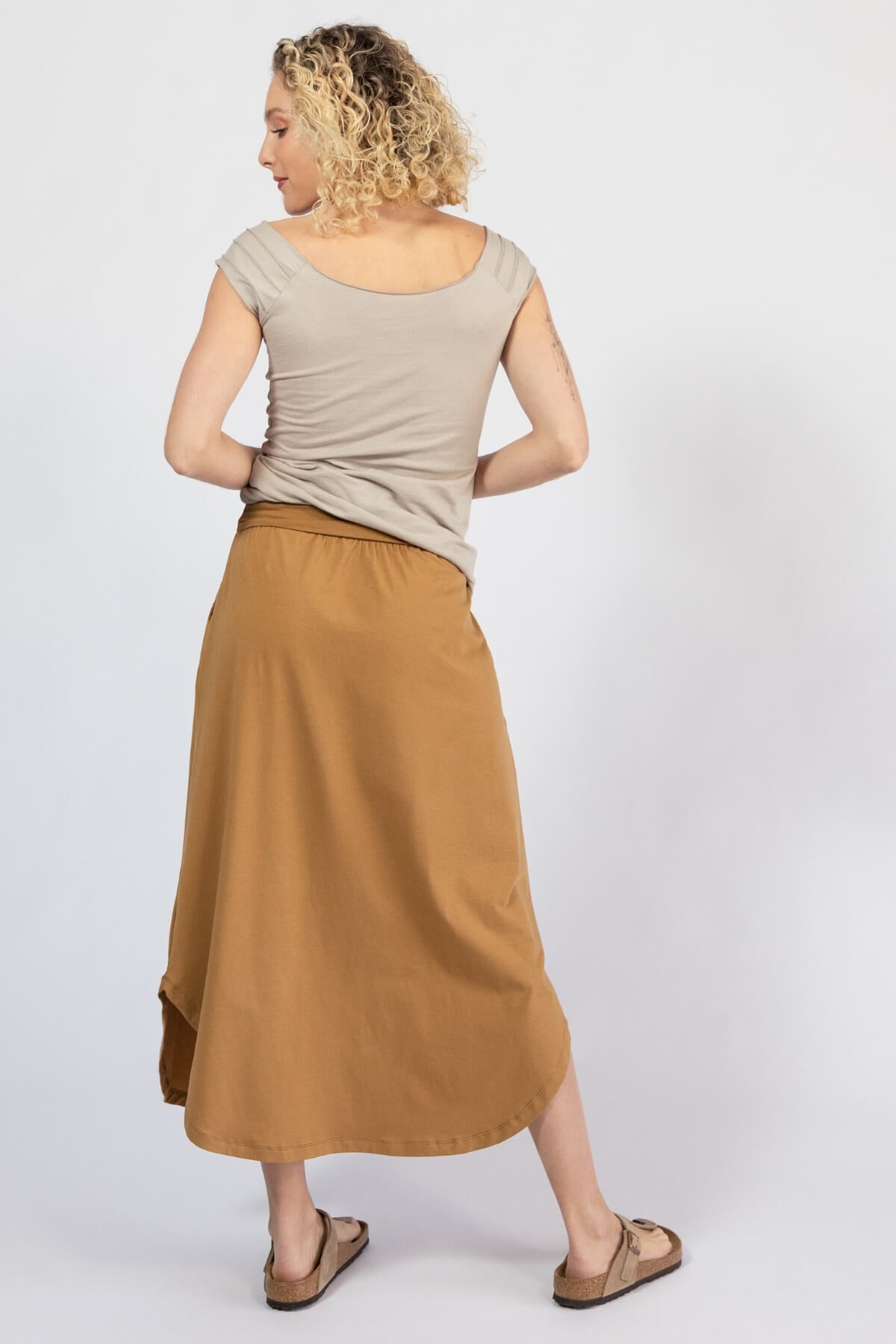
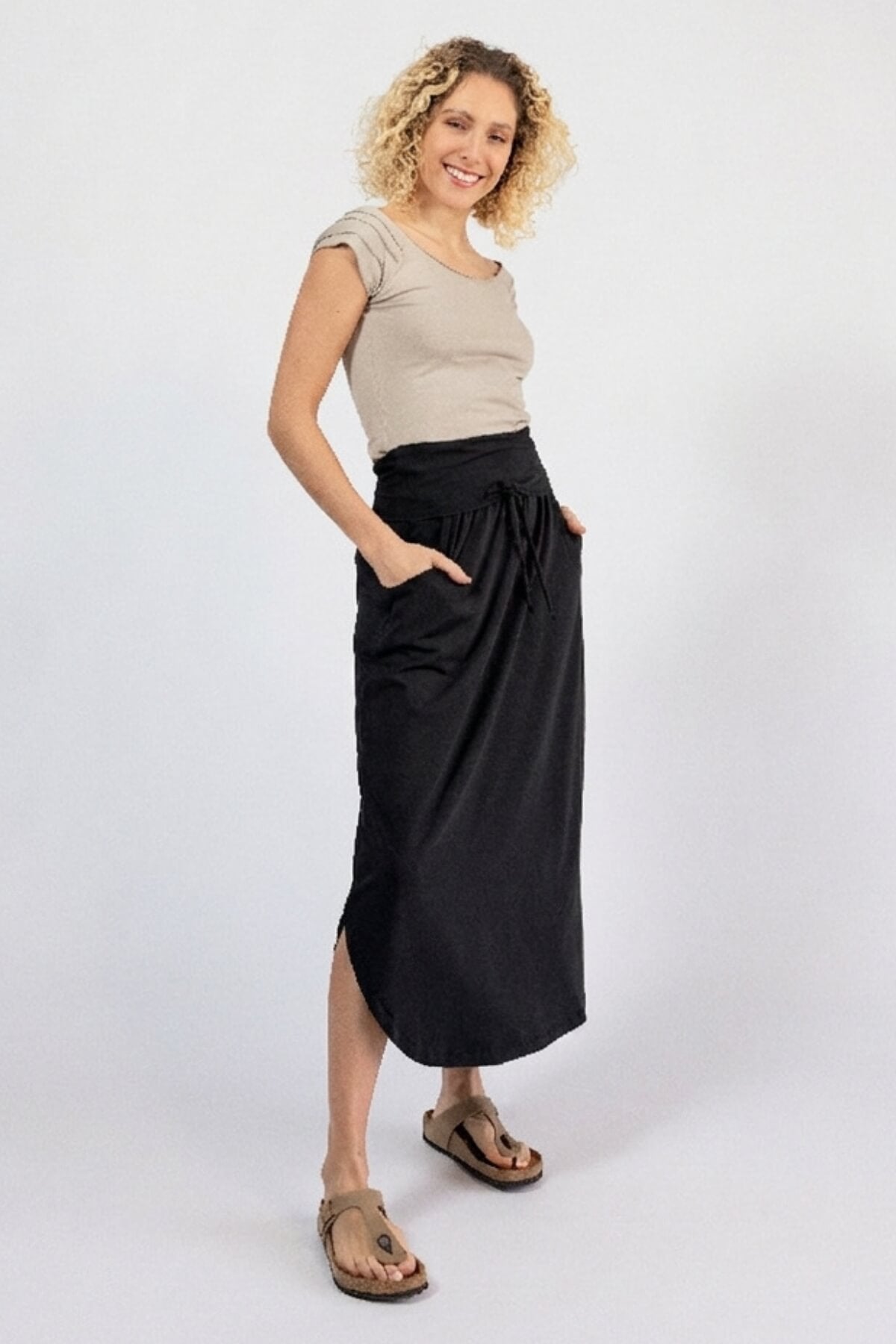
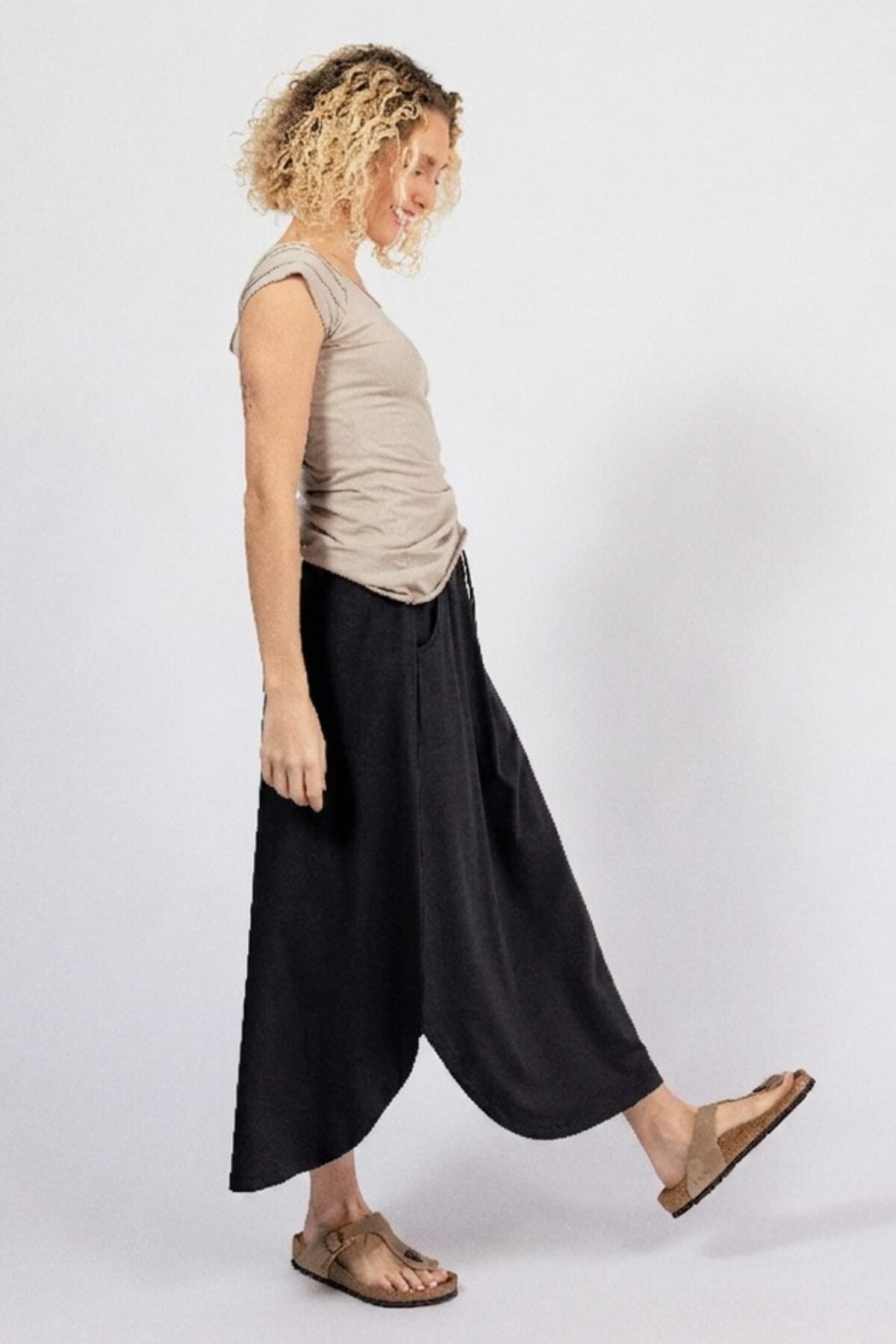
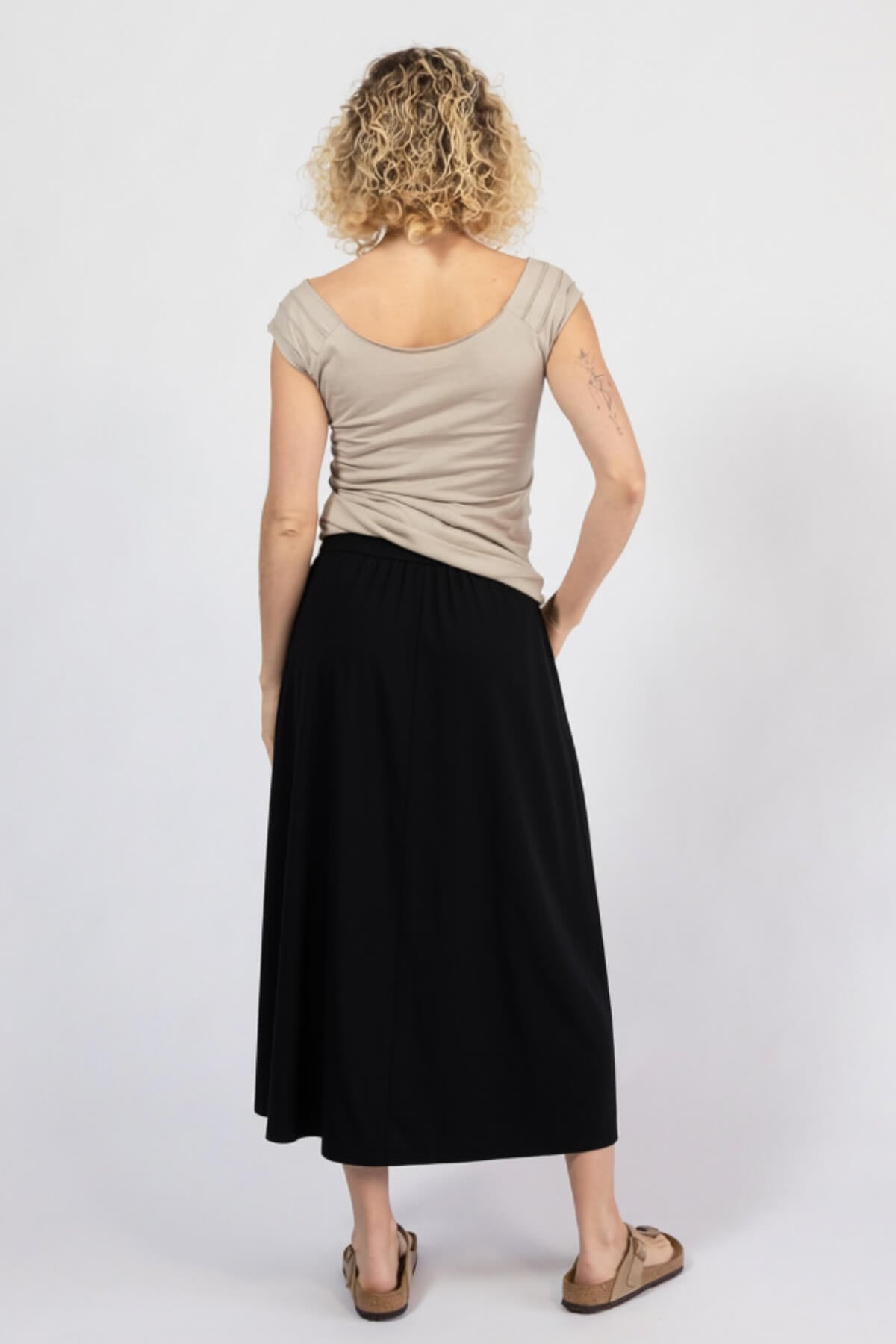
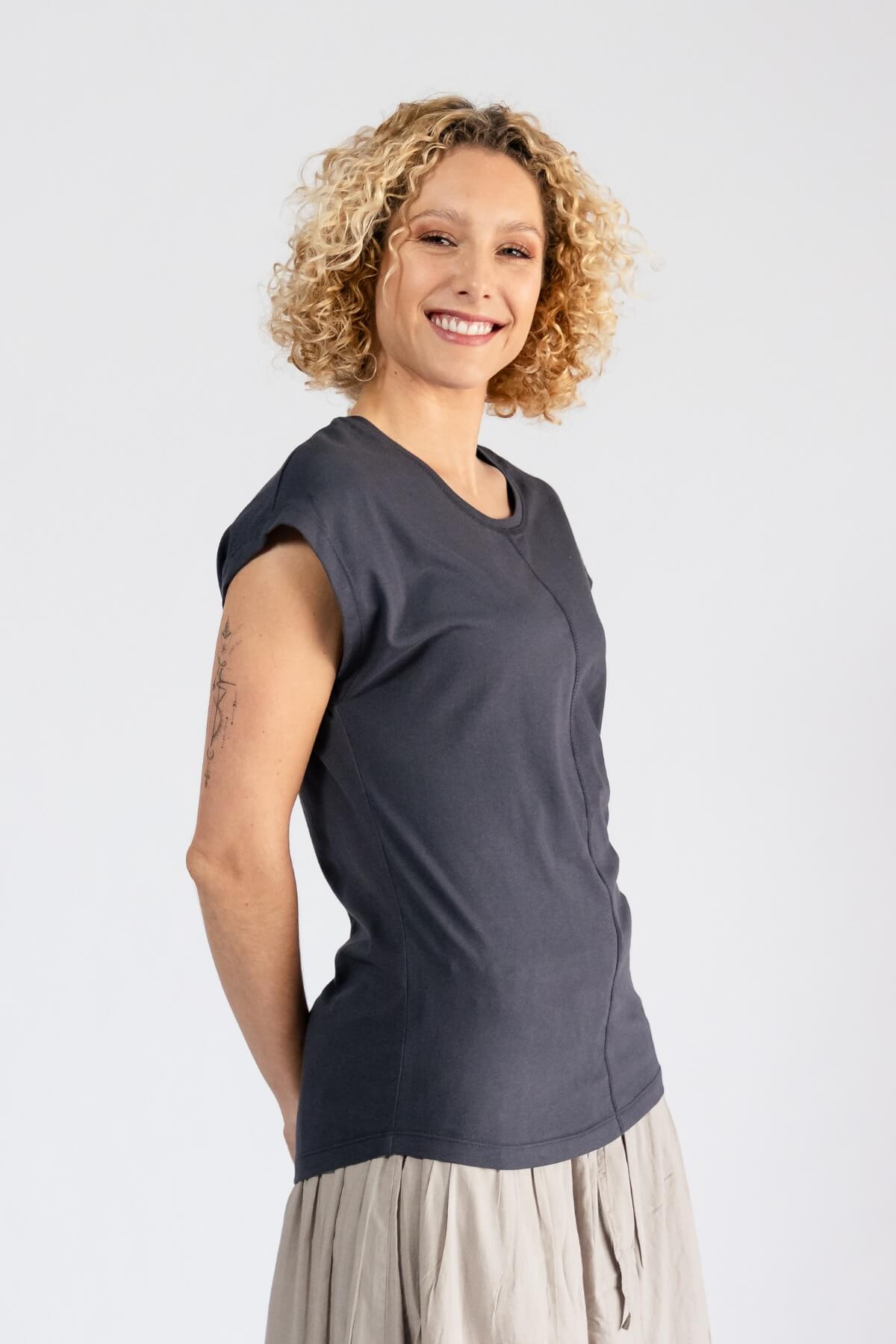
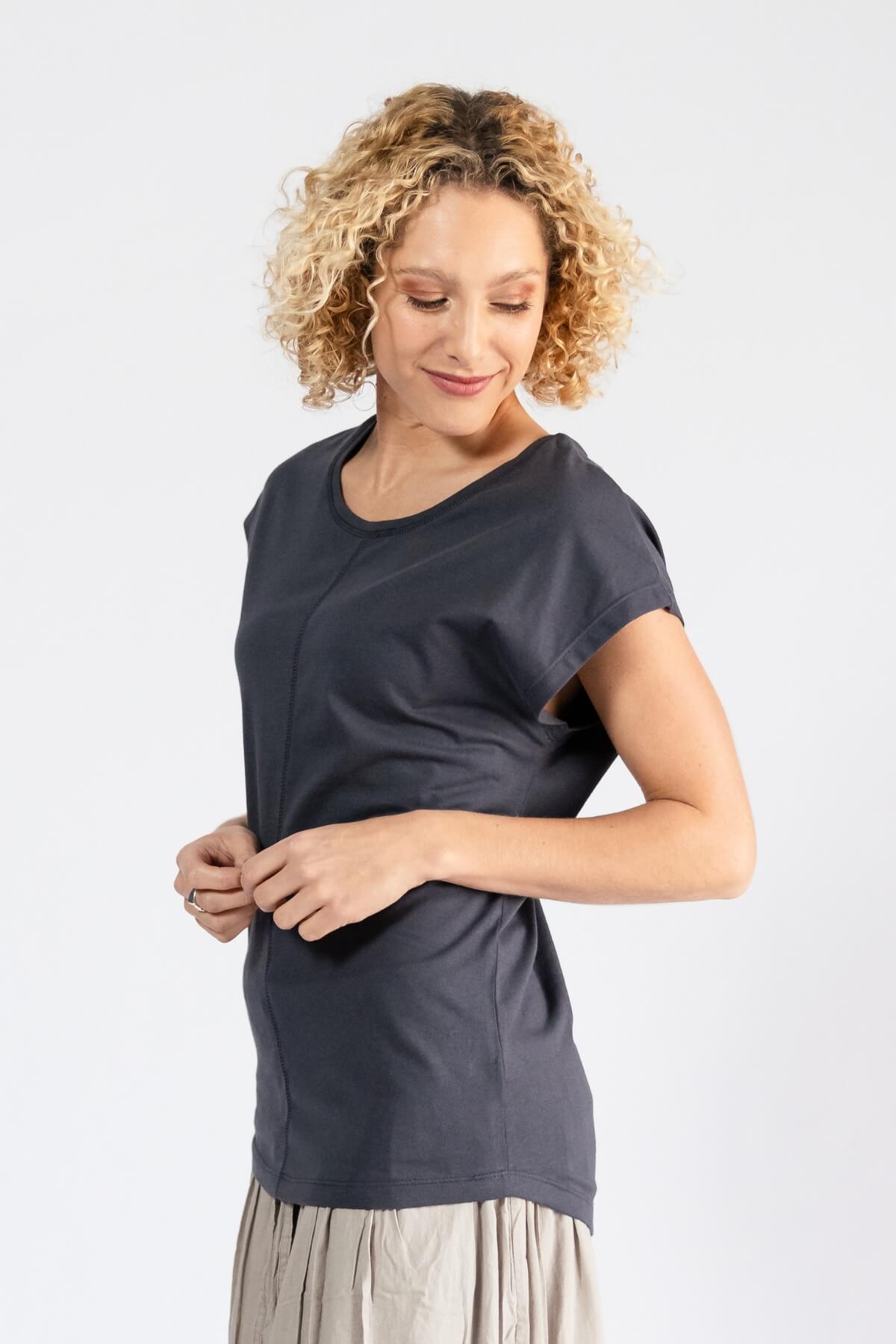
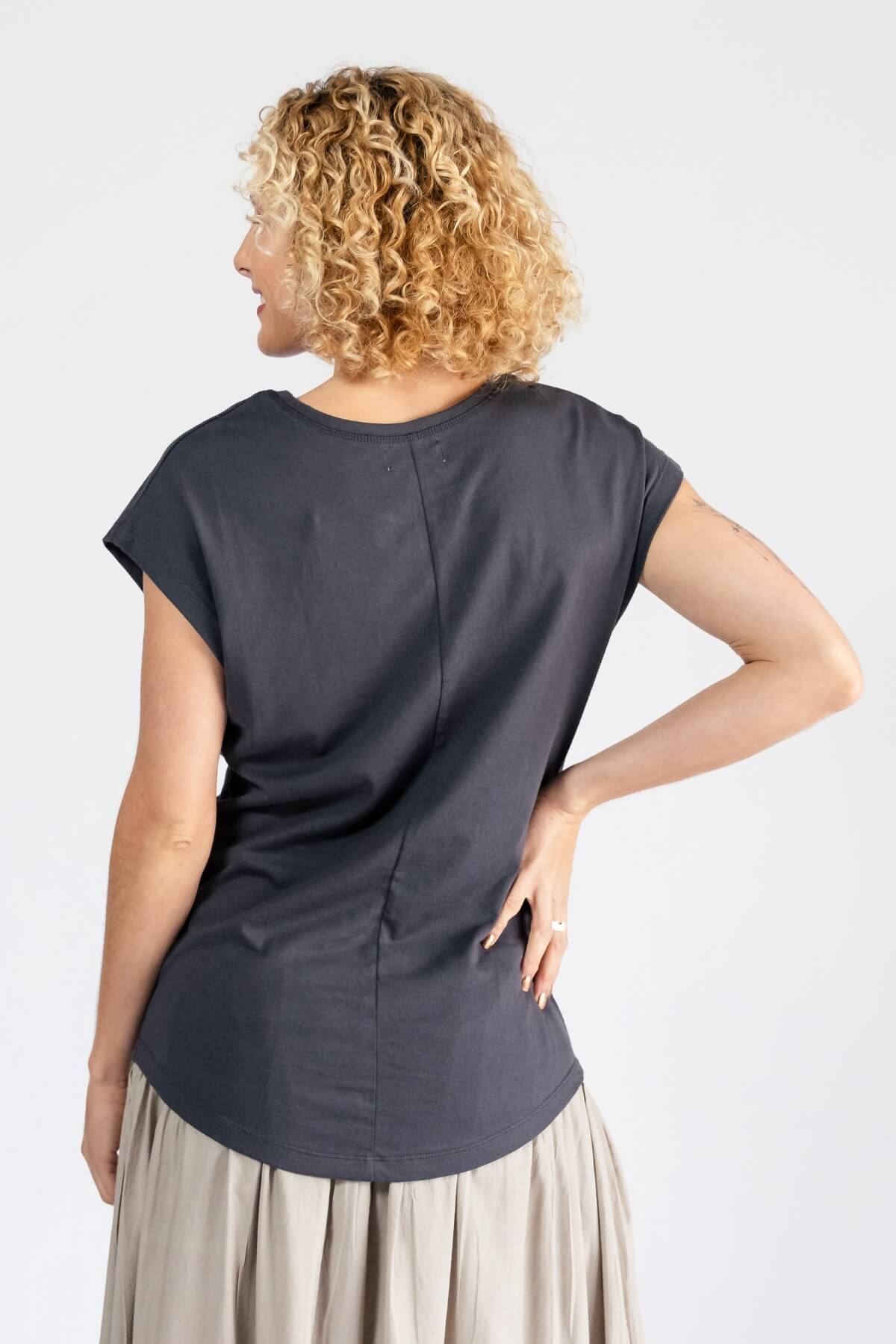
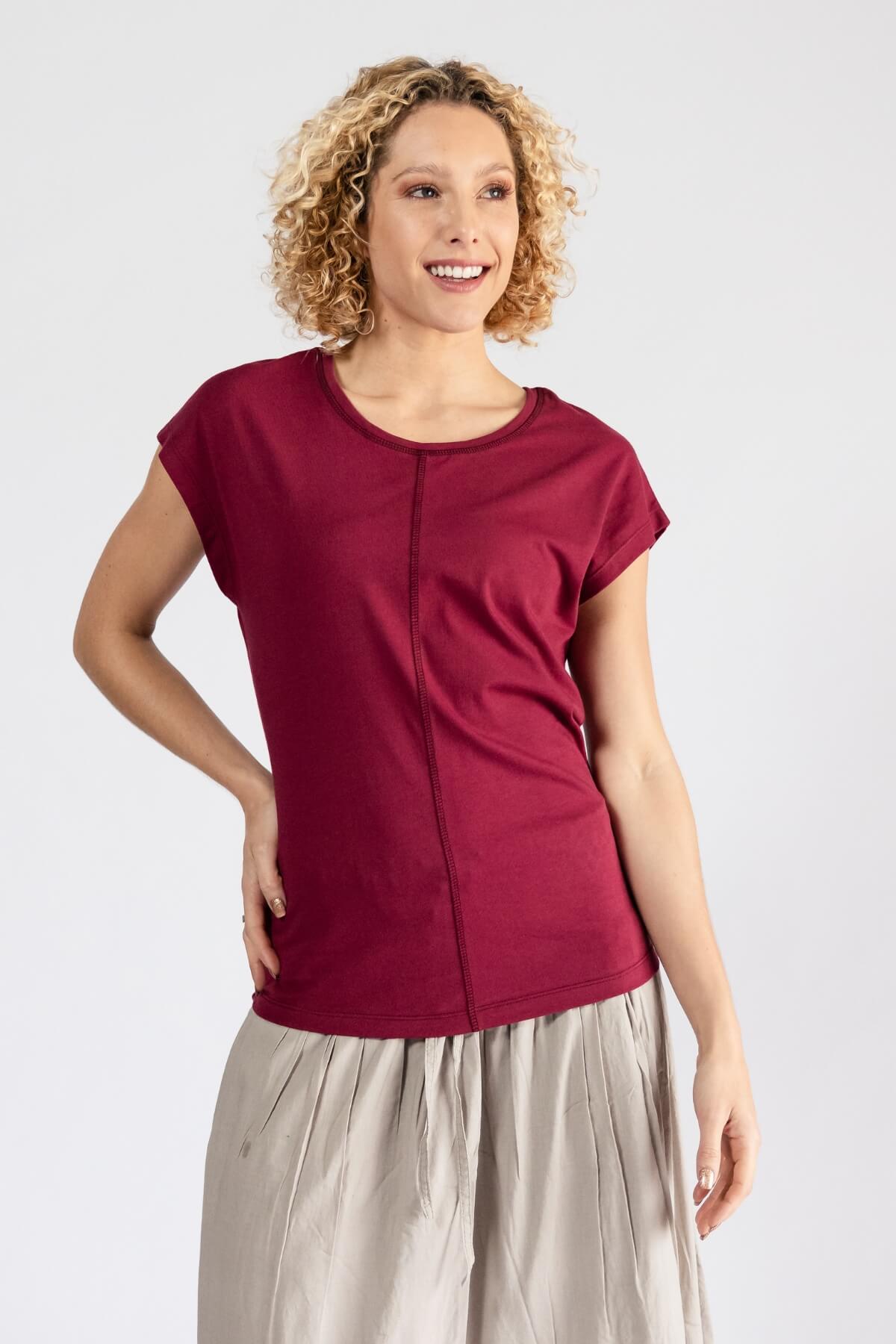
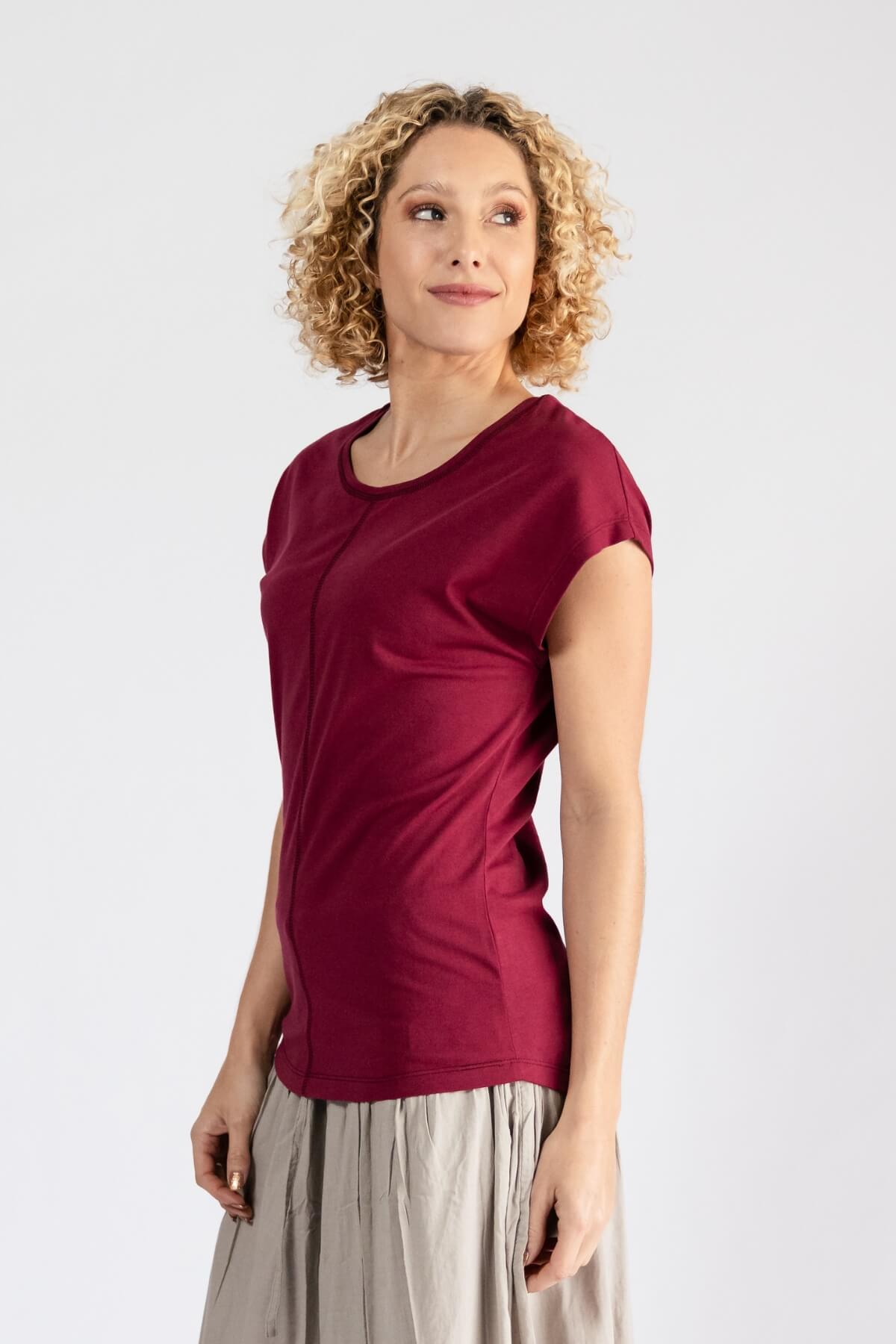
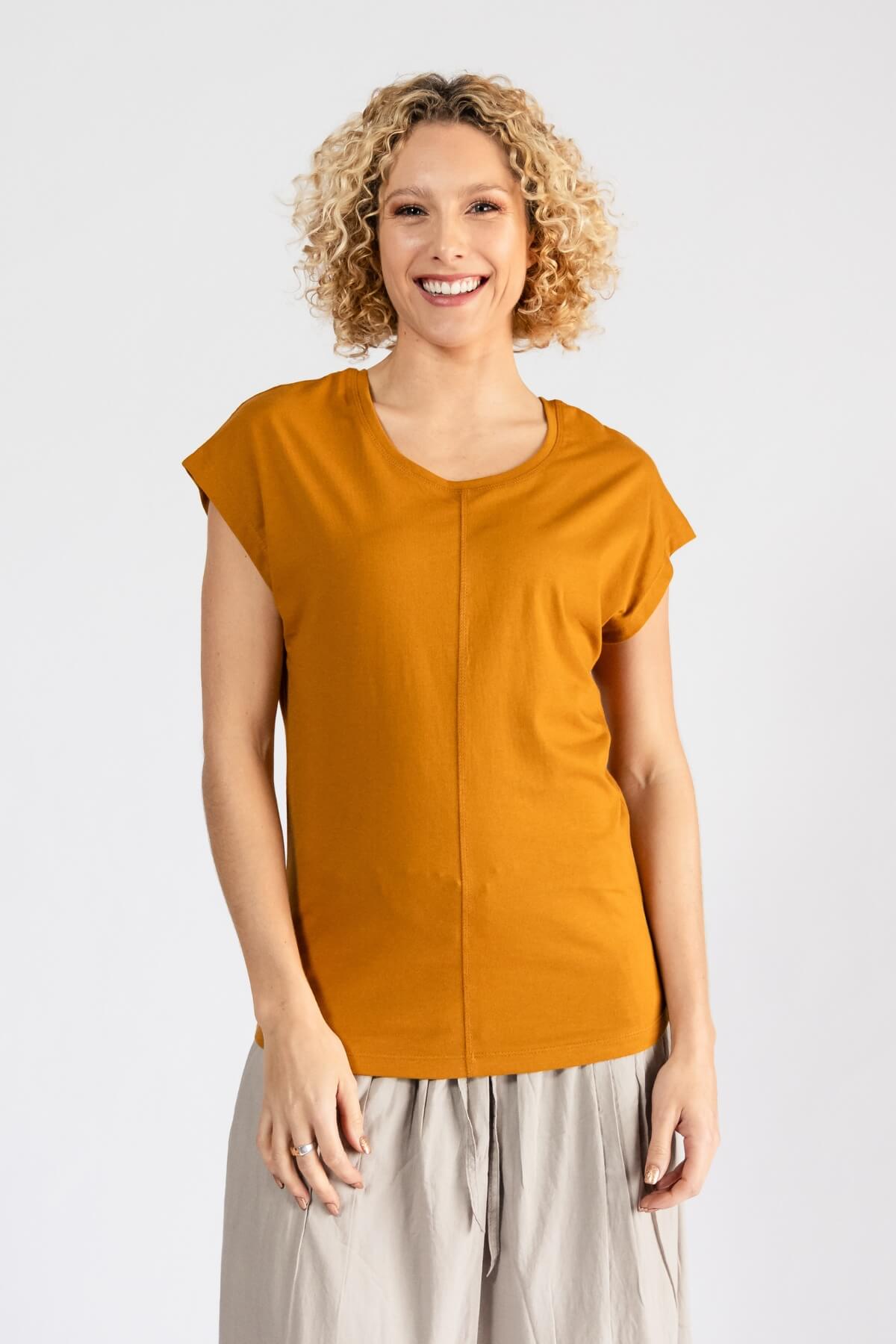
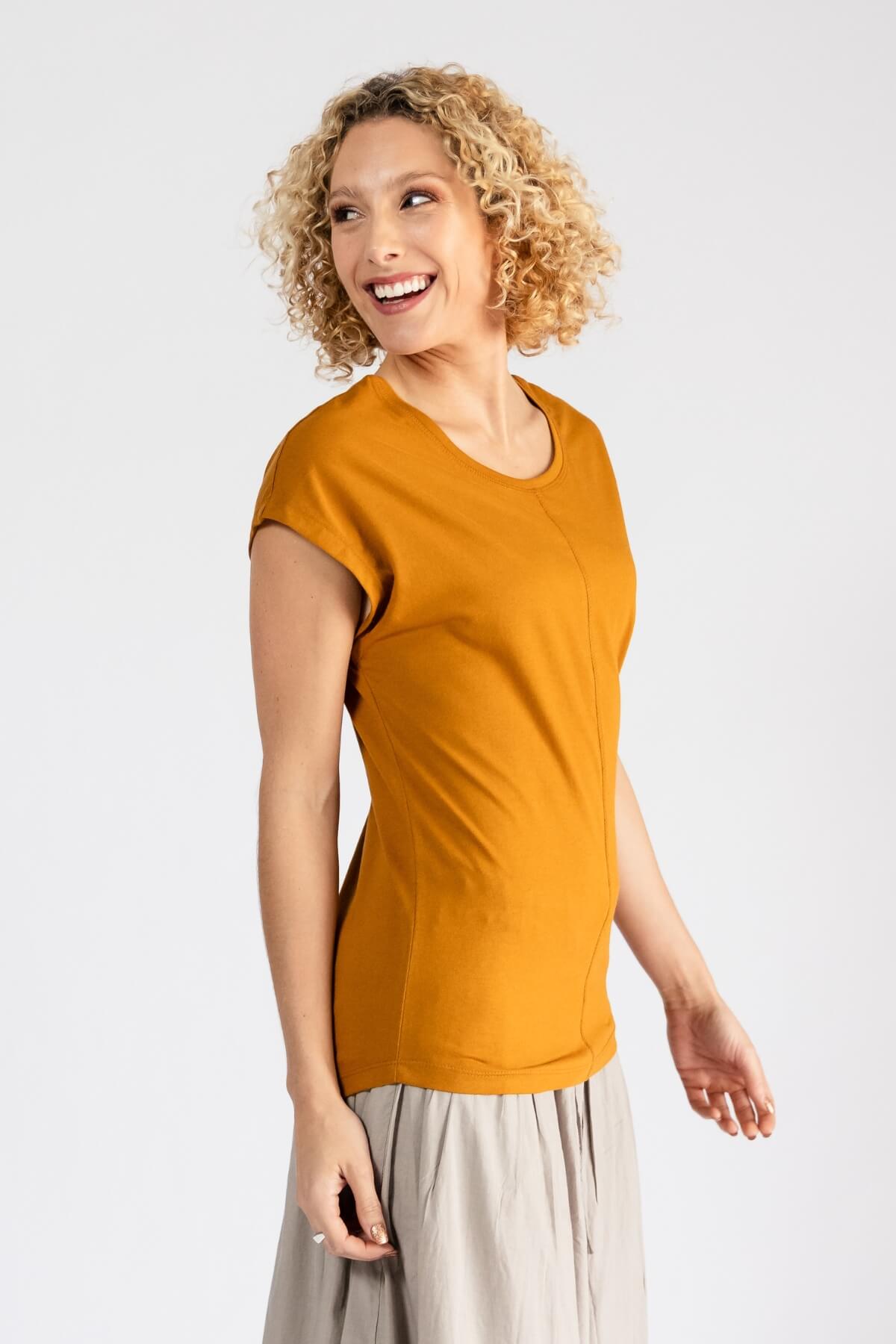
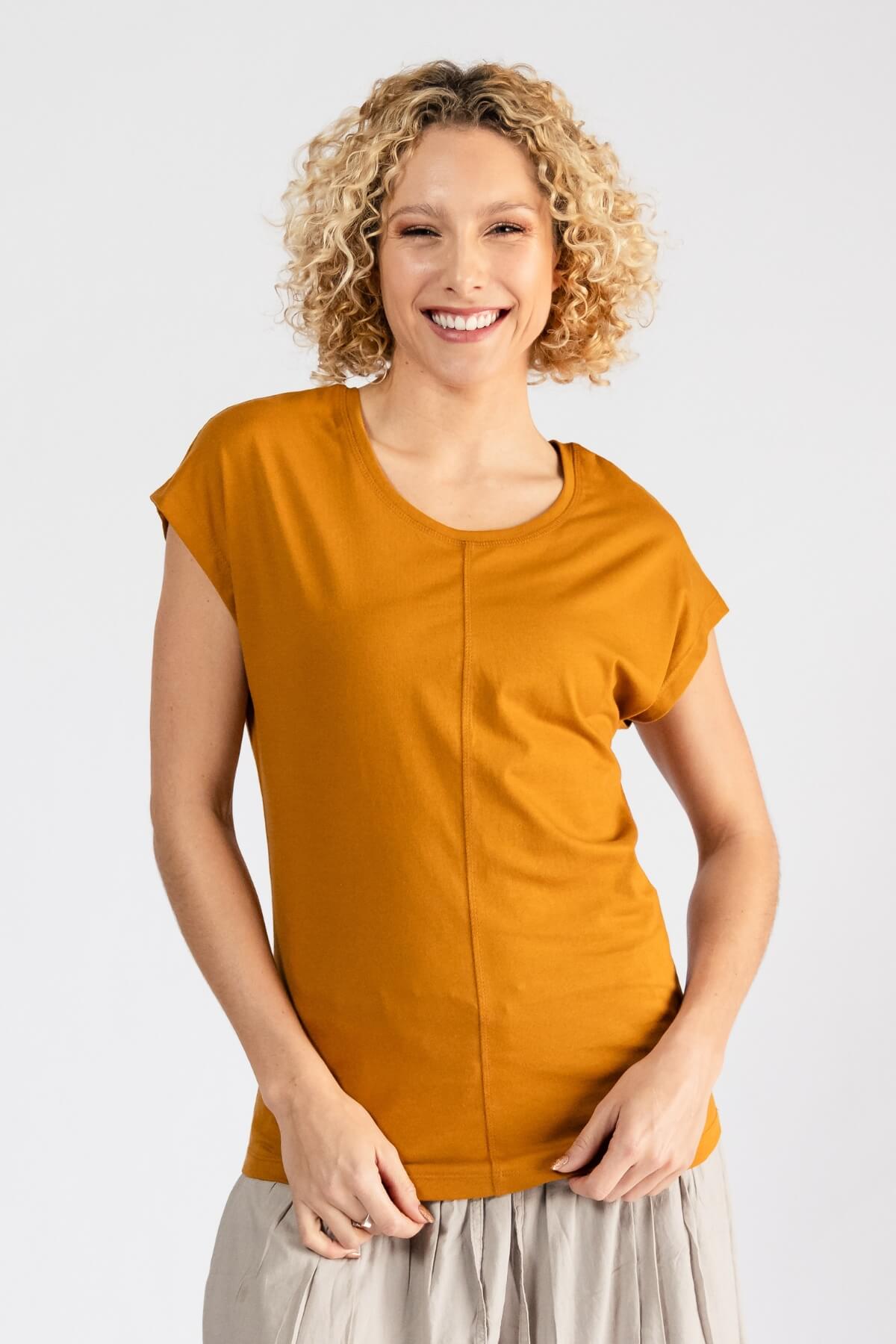
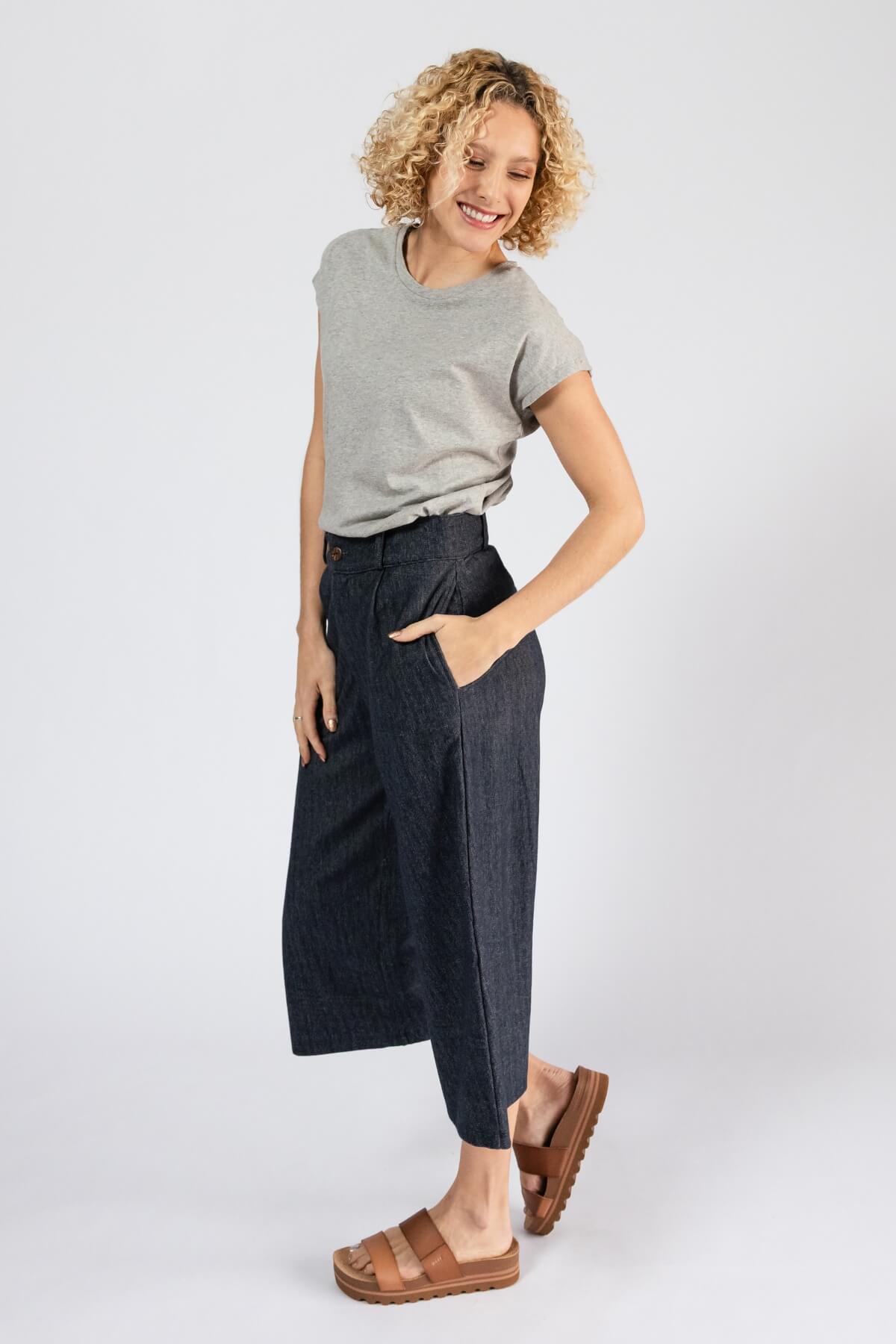
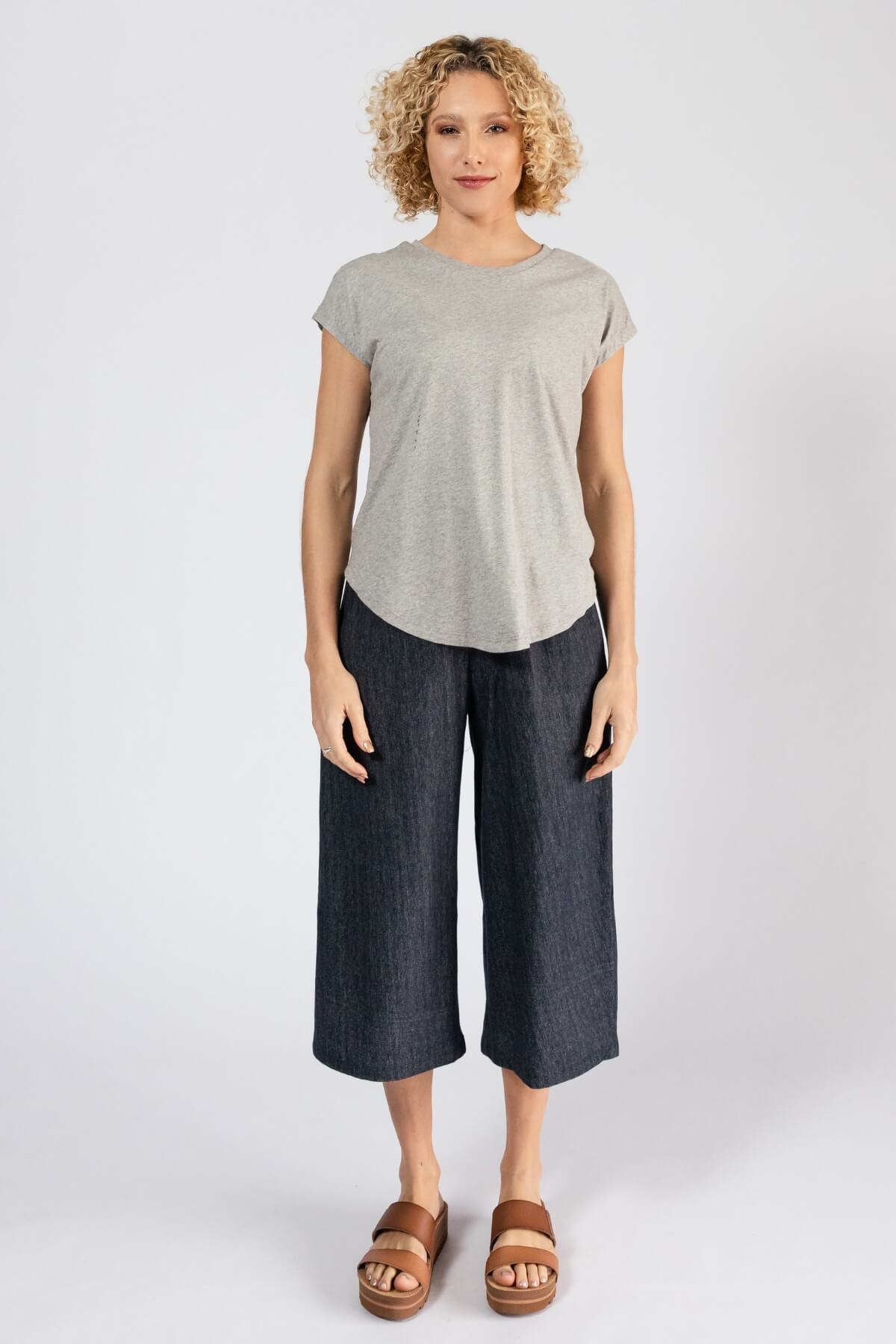
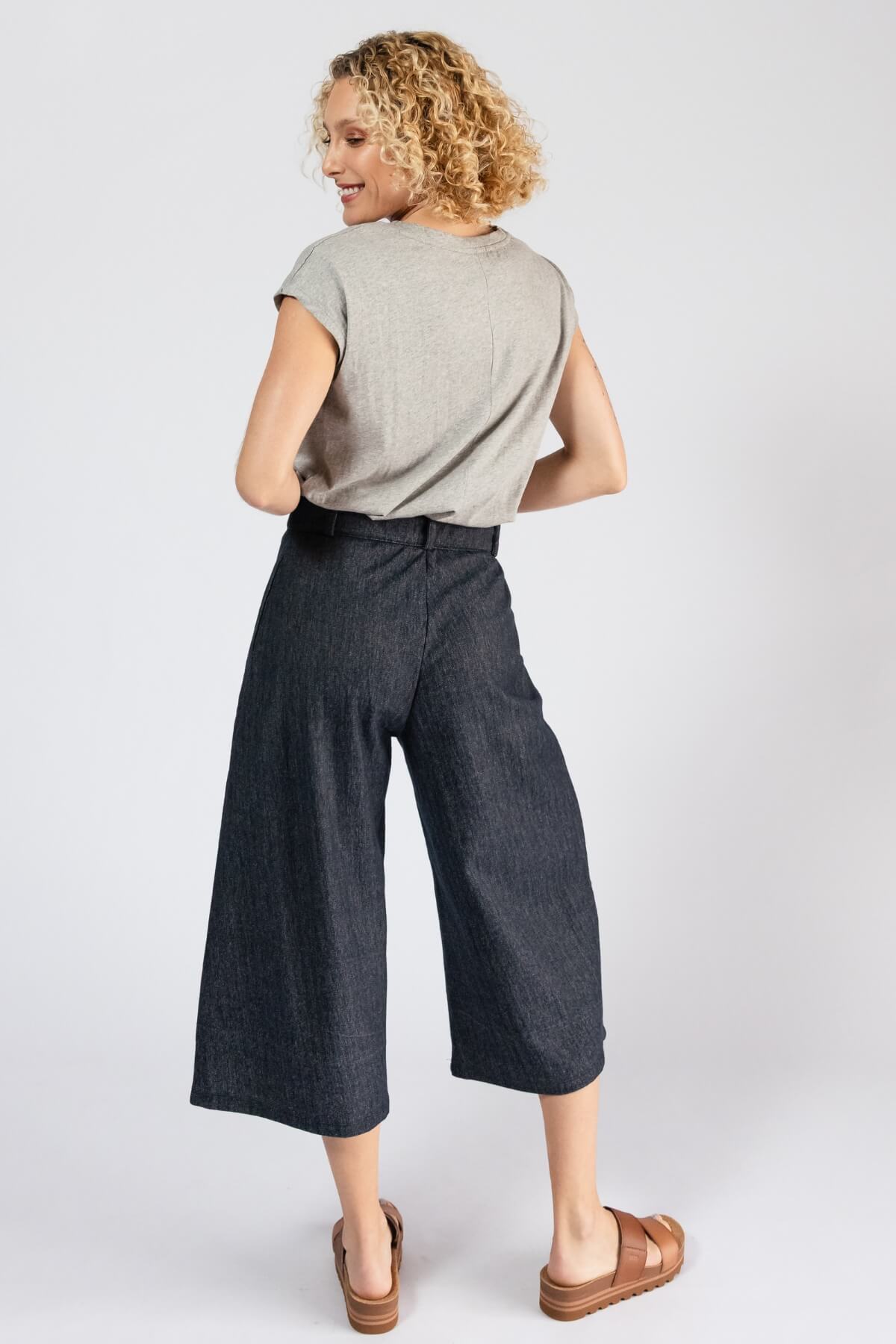
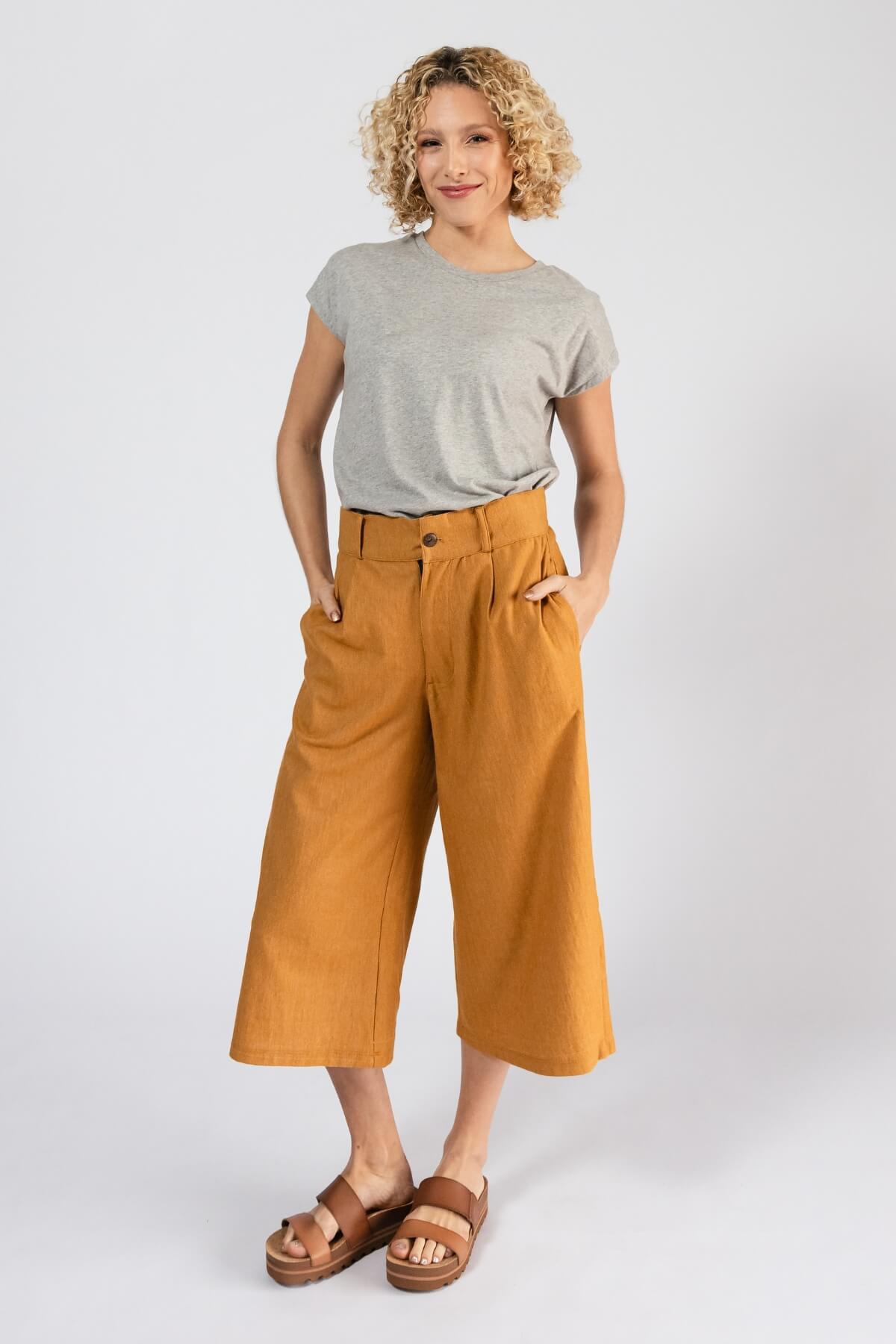
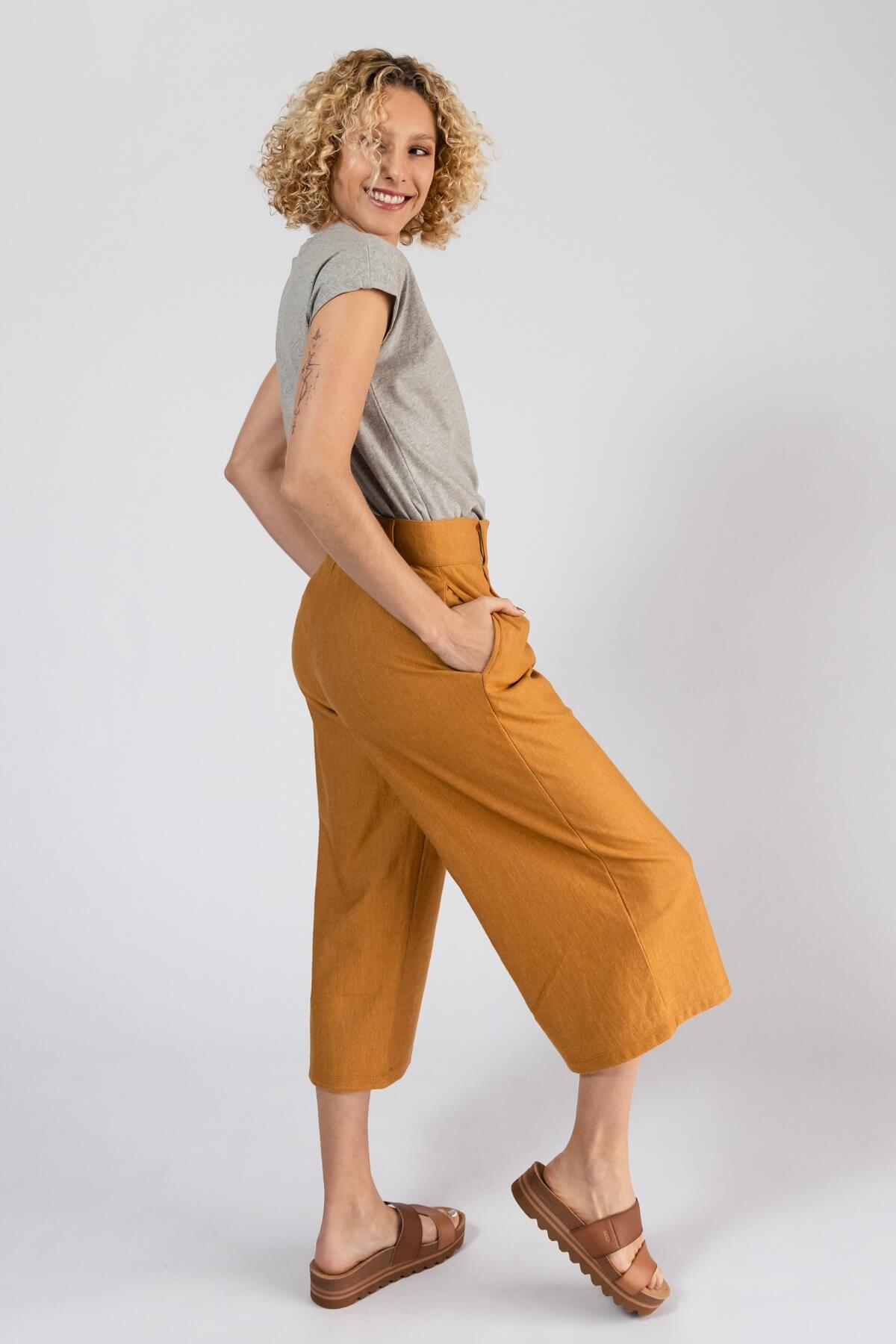
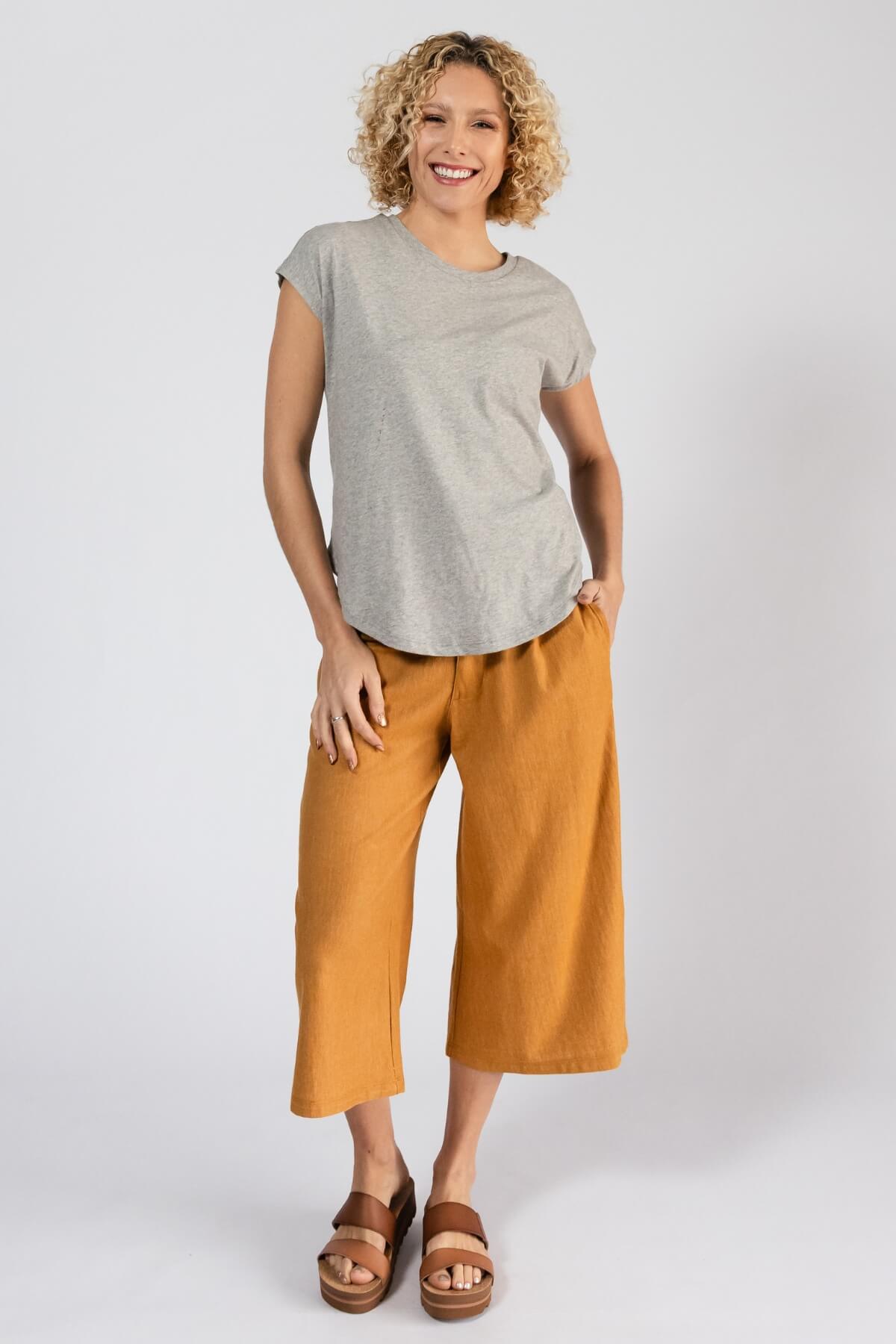
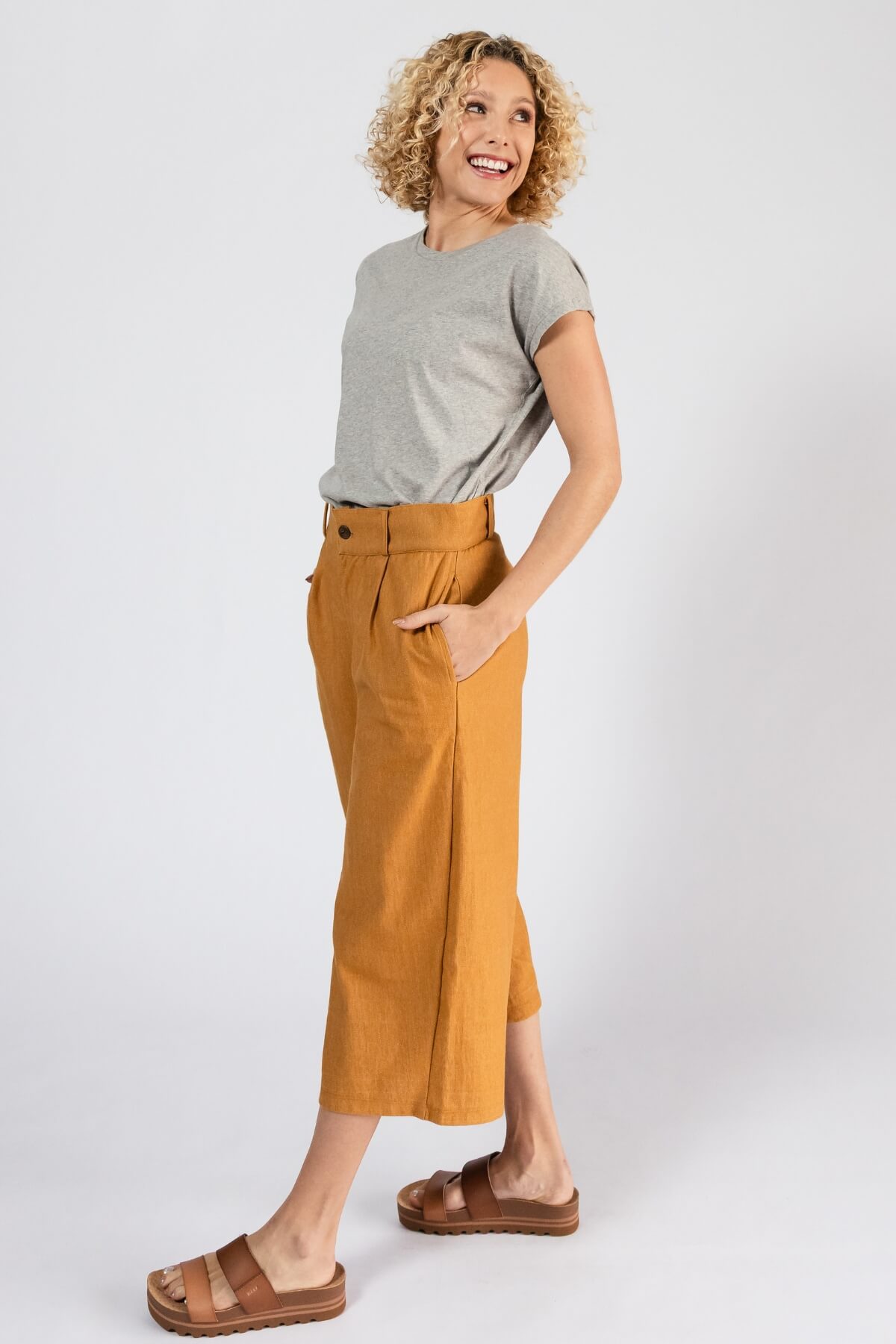
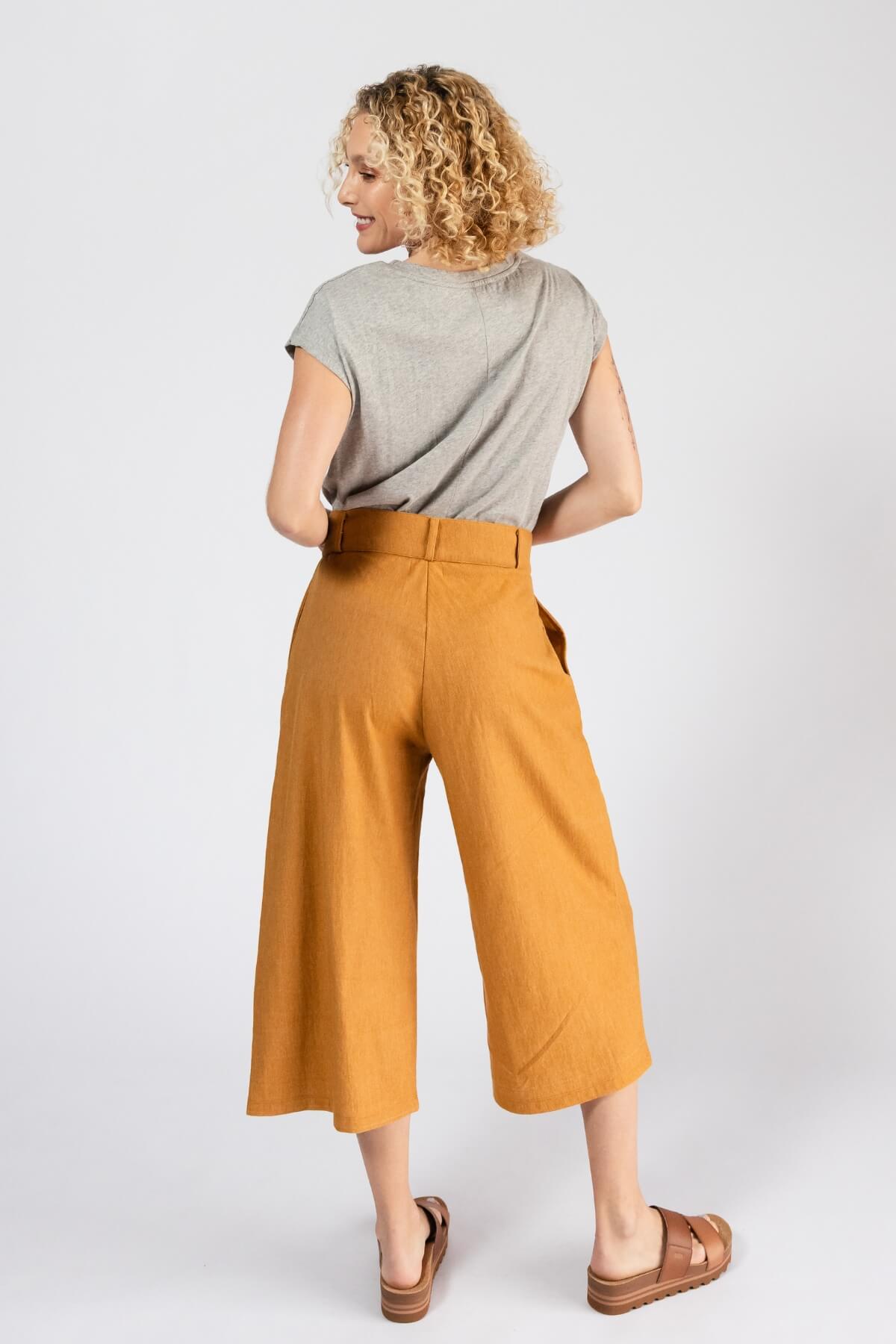
Since our very beginnings in 2009 we’ve chosen to work with low impact dyes, and all-natural dyes in our clothing range.
The type of low impact dyes we use are called azo free dyes.

Azo is a toxic chemical compound that is used in conventional clothing dyes. It is still legal in Australia, although it has been long banned in the EU due to its devastating effects on local waterways.
Some clothing manufacturers prefer it because it produces very bright colours, and it is cheap.

The main difference between conventional dyes and low impact dyes are the metals used; conventional dyes contain toxic azo compounds, heavy metals and formaldehyde.
These dyes contaminate local sources of drinking water, and devastate marine life populations when it enters the waterway as runoff.

In comparison, low impact dyes do not contain these toxic compounds, and do not have the same destructive impacts.
They’re not perfect, but they contribute far less toward environmental disasters than conventional dyes do.

Low impact dyes have a 70% higher absorption rate (into the fabric) – meaning there is far less dye being washed away as grey-water runoff.
This higher absorption rate also means it requires between
50-90% less water
during the washing phase; both saving and protecting waterways.

This is important
because conventional dyes are responsible for up to
20%
of global industrial water pollution.

Our research paints a consistent picture:
Fast fashion relies almost entirely on conventional dyes.
Let that sink in.
Only The Second Dirtiest Industy
Fast fashion is confirmed as the second largest global polluter of our waterways.
Two different sources give different firsts, but honestly – would you want to be next to either of them?
Second to Big oil - Ecowatch
Second to Agriculture - Carbon Trail
This is what I don't understand.
We become vegetarian - some of us for the planet as well as for the animals.
We invent technology for electric vehicles, and we buy them.
We get solar power, and then we invest in batteries to store it.
We reuse, recycle, reduce and re-purpose.
We thrift.
We stop using plastic straws.
We try in small ways because we care.
But when it comes to our clothing, it seems like it doesn't count.

Like you, we don’t particularly love this current reality.
We’re trying to help change it.
We all do what we can, but by
choosing
differently we cast our vote for a cleaner planet and her waterways.
Join us in the
S L O W
fashion
movement.
Until next time,
Mel Xx
Image Credits:
Gigie Cruz-Sy/Greenpeace
CFP.cn